Exhibition as Living Archive: the 1950s Baghdad Modern Art Group in the UAE Today
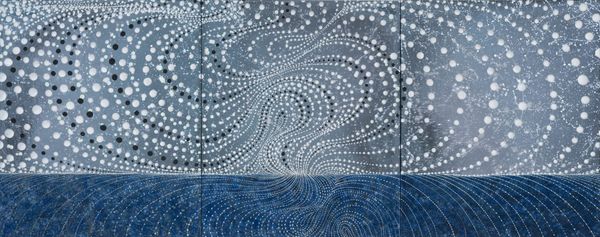
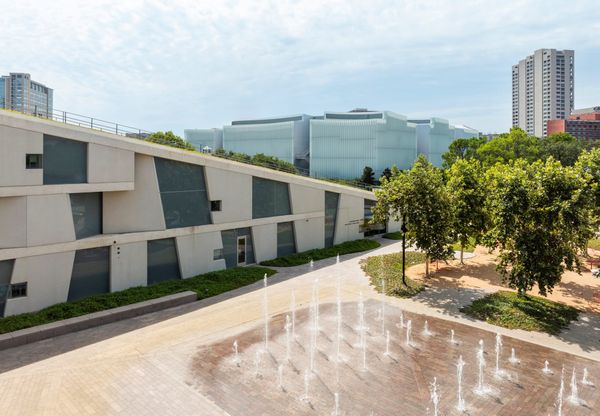
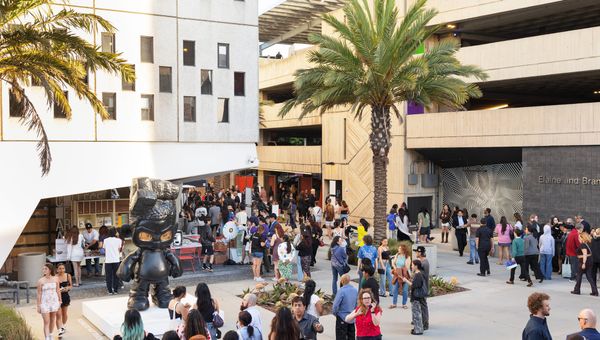
All Manner of Experiments: Legacies of the Baghdad Modern Art Group, Curated by Nada Shabout, on view at the NYU Abu Dhabi Art Gallery through January 3, 2027


The Baghdad Modern Art Group was established in 1951 by two of Iraq’s most influential artists, Jewad Selim (1919–1961) and Shakir Hassan Al Said (1925–2004), and grew to engage many of Iraq’s leading artists, architects, poets, and more. Together, they sought to develop a new art form, one that negotiated a time of globally inflected modernism from Baghdad, an Abbasid city (est. 762 CE) that traces its lineage to the ancient civilizations of Mesopotamia. In All Manner of Experiments: Legacies of the Baghdad Modern Art Group at NYU Abu Dhabi Art Gallery, Dr. Nada Shabout brings together the artists from this circle, as well as those whom its work influenced, both at the time and in the following generations, until today.
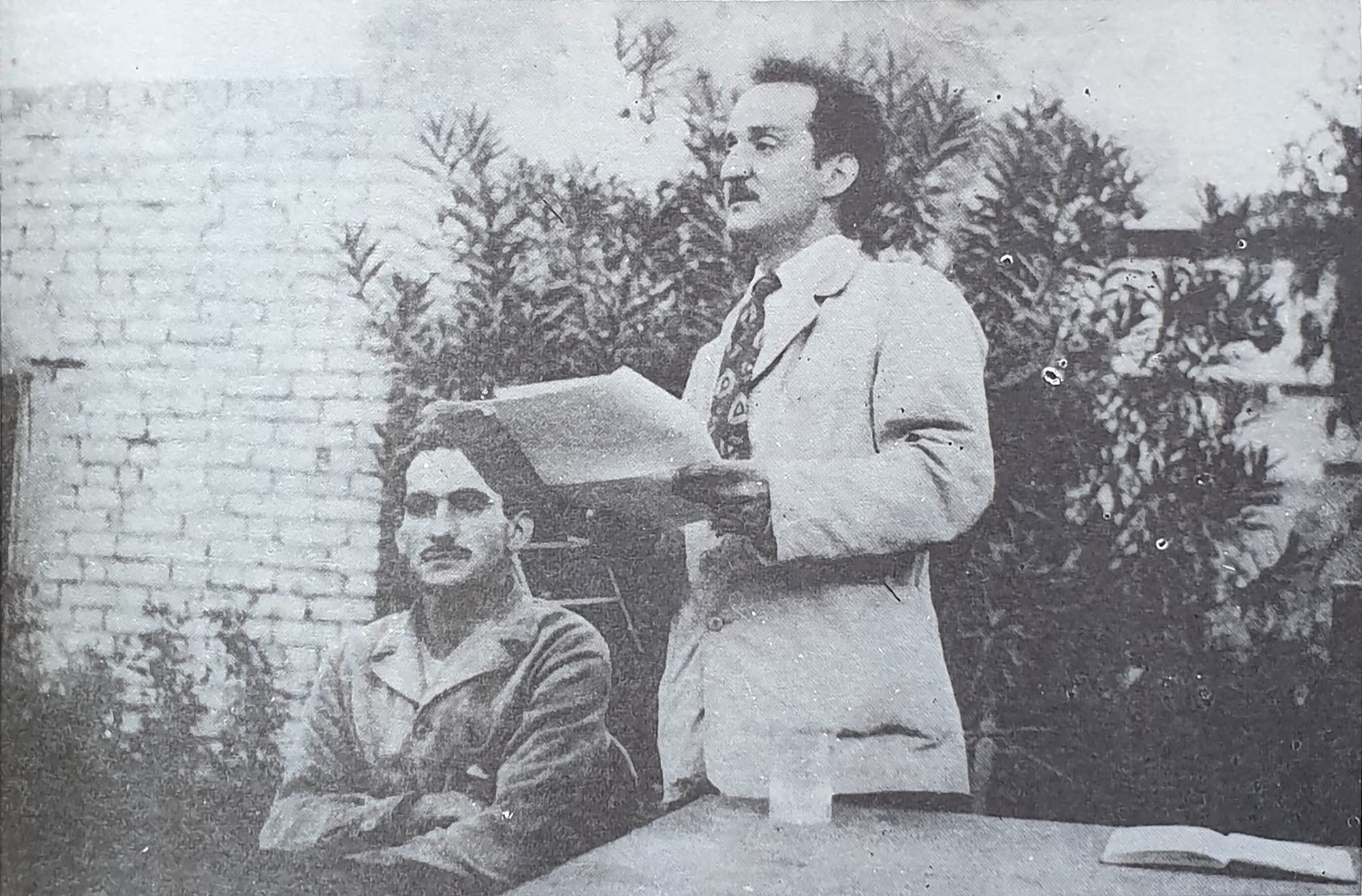
After the Kingdom of Iraq’s formation in 1932 as an independent state, Iraqi artists explored the new parameters of the secularized, modern society that was emerging following Britain’s maneuvering to dismantle the Ottoman Empire. Artists questioned the ability of traditional “Islamic art” practices to present their contemporary realities, searching for a more effective visual language. In this context, modern art provided a conduit for exploration and was perceived by Iraqi artists as a global space of shared humanity.
Various artist groups launched initiatives to convey the importance of national representation through culture, which included promoting the modern art movement in Iraq. This period set the stage for Iraq’s so-called golden age of the 1950s: a time of maturation for a generation of artists pivotal in initiating rigorous standards of art theory and practice, thus charting new possibilities for future generations.
The experimental ethos of the group continues to resonate today beyond Baghdad to direct and connect contemporary Iraqi artists around the world to each other.
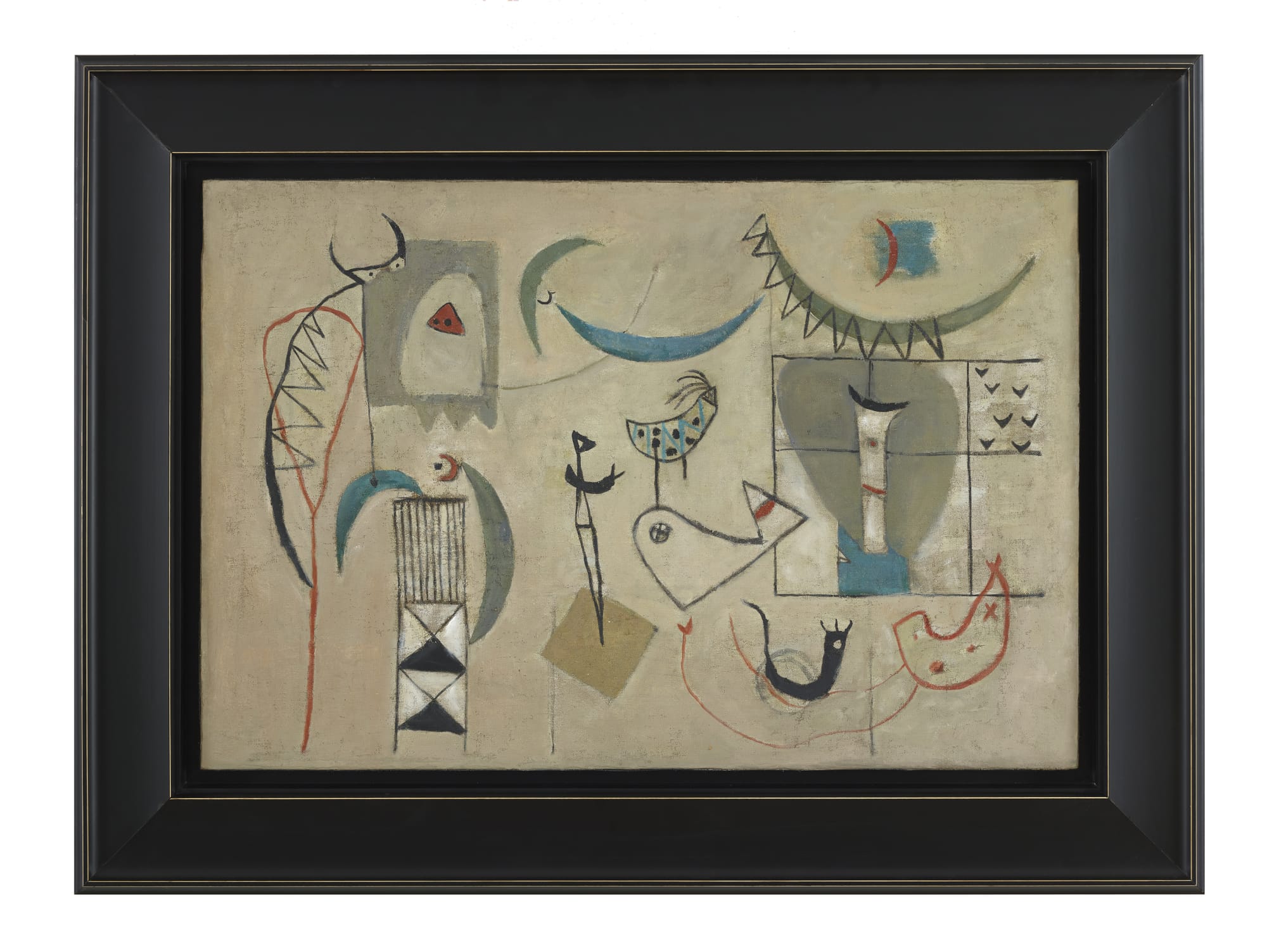
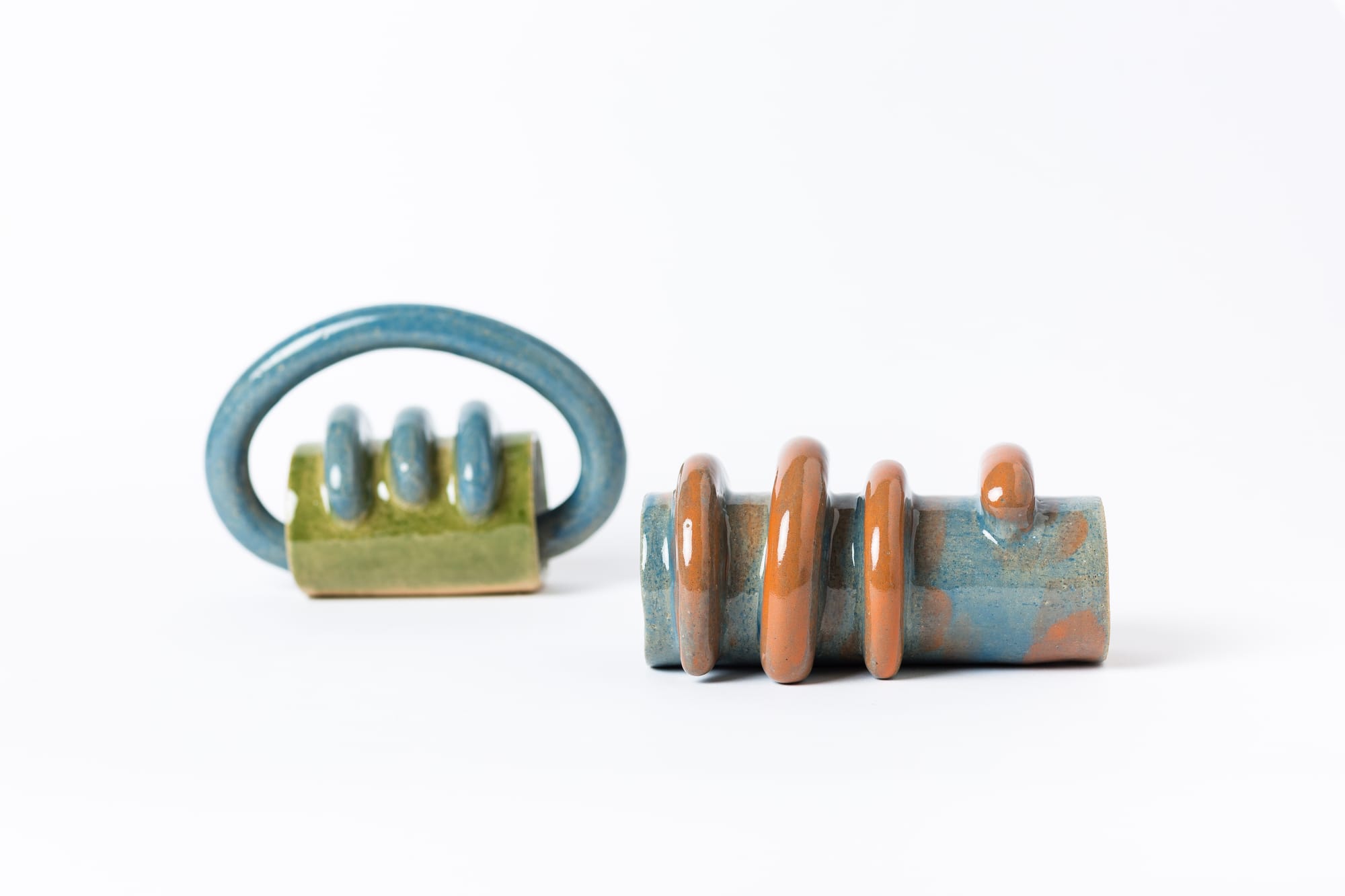
Featured artists include Faraj Abbo, Sadik Kwaish Alfraji, Himat Mohammad Ali, Rasoul Alwan, Suad al-Attar, Qahtan Awni, Dia al-Azzawi, Bogus Bablanian, Amar Dawod, Ghassan Ghaib, Faiq (Faeq) Hassan, Mohammed Ghani Hikmat, Jabra Ibrahim Jabra, Rand Abdul Jabbar, Fouad Jihad, Saadi Al Kaabi, Ardash Kakafian, Salma Khoury, Hanaa Malallah, Mahmoud Obaidi, Widad al-Orfali, Khalid al-Rahal, Kareem Risan, Miran al-Saadi, Mahmoud Sabri, Naziha Salim, Nizar (Nazar) Salim, Shakir Hassan Al Said, Delair Shaker, Jewad Selim, Lorna Selim, Walid Siti, Ismail Fattah (Al-Turk), Madiha Umar, Khalil al-Ward, and Nazar Yahya.
The exhibition’s curator Dr. Nada Shabout has published widely on modern and contemporary Arab and Iraqi art and has curated numerous exhibitions. She has joined NYU Abu Dhabi as a senior investigator at al Mawrid Arab Center for the Study of Art and as a visiting professor of art history. She is the founding president of the Association for Modern and Contemporary Art from the Arab World, Iran, and Turkey (AMCA) and founding director of the Modern Art Iraq Archive (MAIA).
The exhibition is on view at the NYU Abu Dhabi Art Gallery through January 3, 2027.
Learn more at nyuad.nyu.edu