Art
As Dakota Access Pipeline Leaks, Native Artists Examine Contested Landscapes
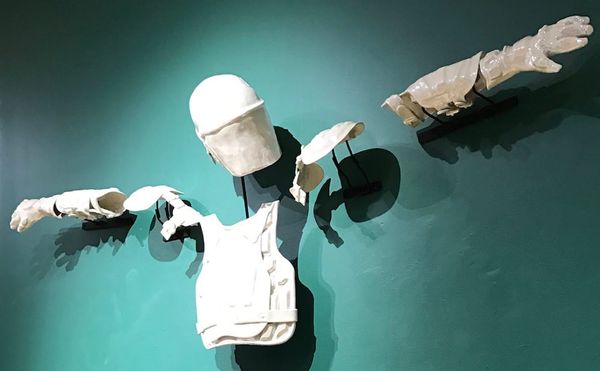
In My Country Tis of Thy People, You’re Dying, artists grapple with forcible resource extraction on indigenous lands.

Art
In My Country Tis of Thy People, You’re Dying, artists grapple with forcible resource extraction on indigenous lands.
News
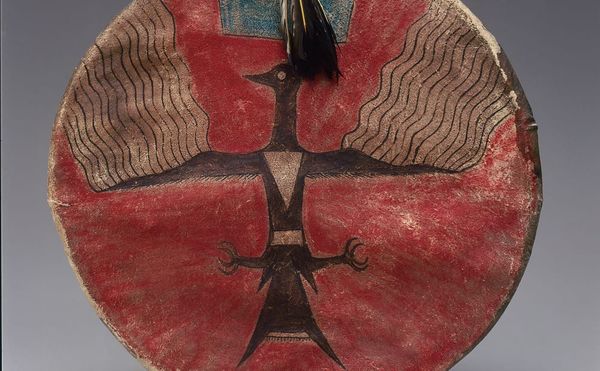
With a major promised gift of 91 works of Native American art, the Metropolitan Museum of Art will now include indigenous art in its galleries on American art.
Art
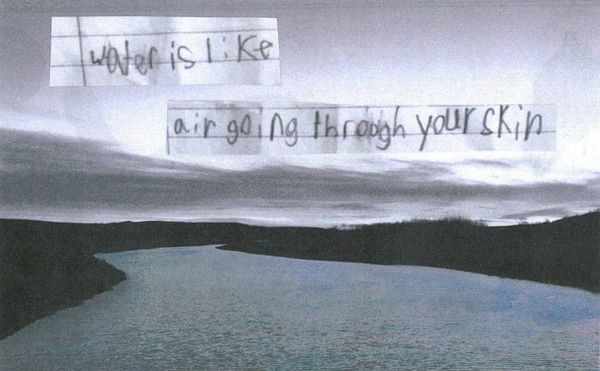
On March 5, indigenous women creators will gather to celebrate the role of art in their fight for environmental and cultural justice.
Art
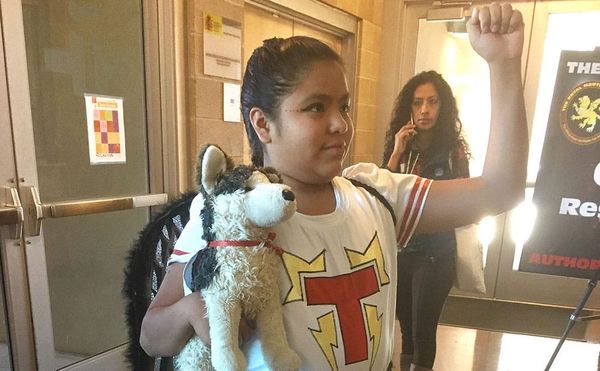
The con gathered artists, writers, illustrators, and fans in one place to celebrate and discover contemporary Native nerd culture. It also served as a corrective.
Podcast
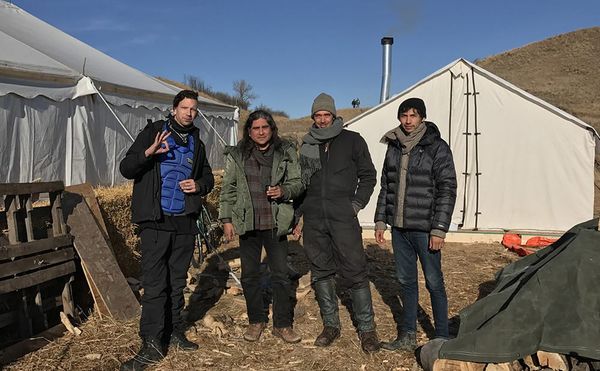
Four artists at the Oceti Sakowin Camp at Standing Rock, North Dakota, have arrived to help stop the Dakota Access Pipeline. I interviewed them about the role of artists and art during protest.
Podcast
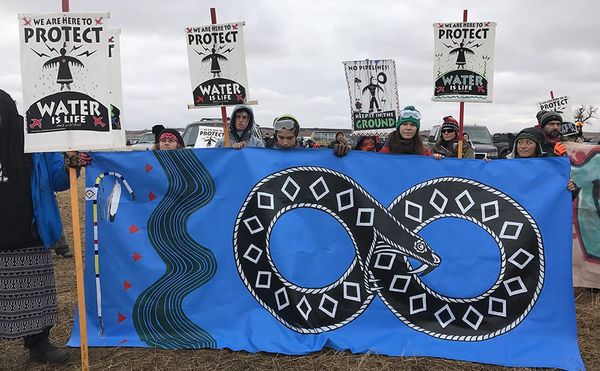
Dozens of artists have converged at Standing Rock, and we interviewed many of them about what's going on in the fight to stop the Dakota Access Pipeline and how they are getting involved.
Art
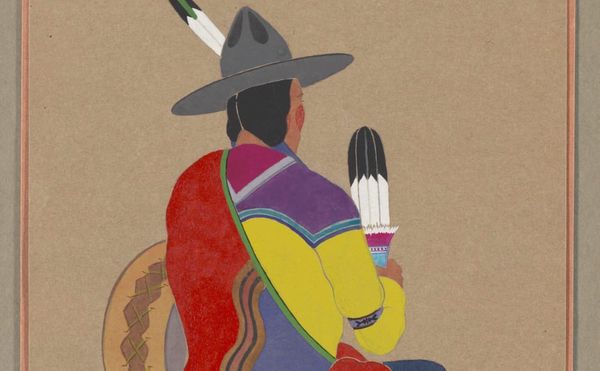
Four paintings by Stephen Mopope, discovered a few years ago at Brown University, are on view for the first time.
Art
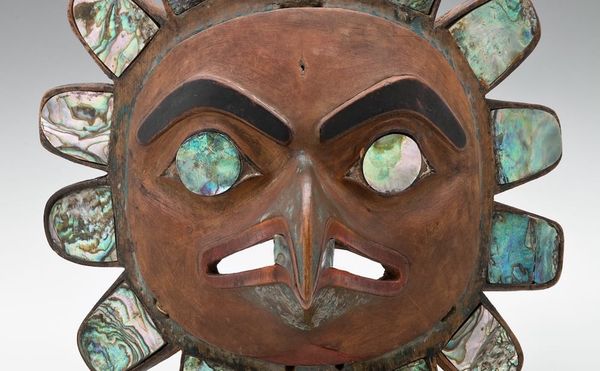
The Newark Museum has rehung its exceptional collection of works by America's indigenous artists, providing more contextualizing information, while also letting objects speak to each other across eras and regions.
Art
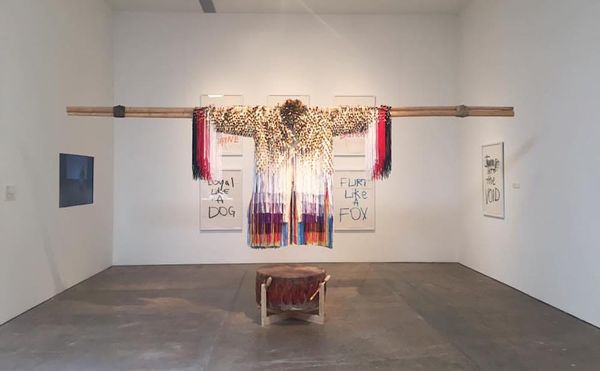
The second edition of the SITElines biennial has a razor-sharp gracefulness that cuts with equal parts beauty and bitterness.
Art
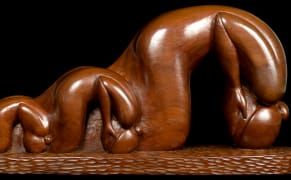
TULSA, Okla. — Willard Stone's wood-carving style might be described as Art Deco Cherokee, with a distinct, streamlined movement and natural themes that reflect his indigenous heritage.
Art
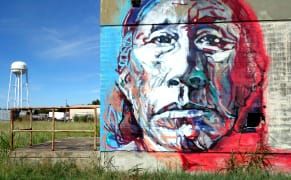
CONCHO, Okla. — Overgrown grass creeps up around the decayed remains of the Concho Indian Boarding School, its faded yellow walls pocked with gaping doorways and boarded windows.
Art
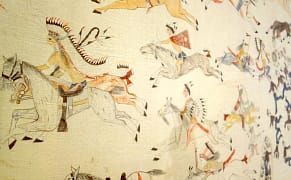
TULSA, Okla. — Decades after the 1876 Battle of the Little Bighorn, Stephen Standing Bear, who participated in the tumultuous engagement, recalled its chaos: "I could see Indians charging all around me. Then I could see the soldiers and Indians all mixed up and there were so many guns going off that