10 Art Shows to See in Chicago This Fall
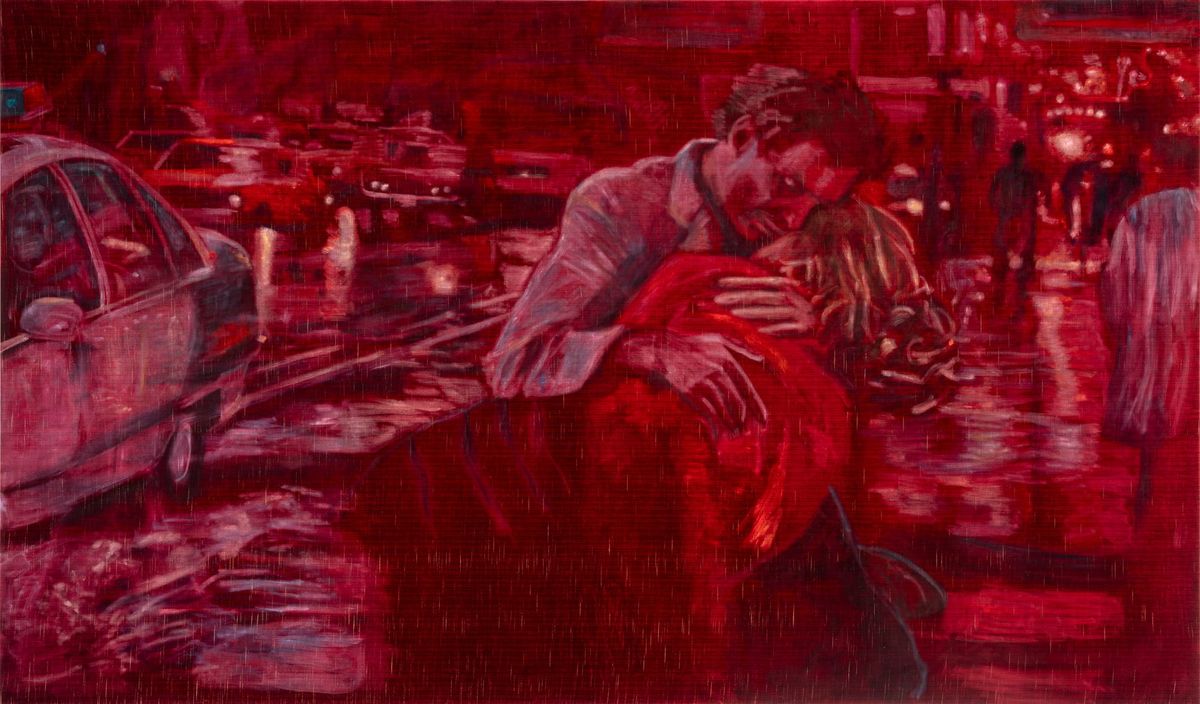
Jill Mulleady's uncannily familiar scenes, Kate Hefferan's secret magic, the critical role of printed matter in prisons, a moving photographic tribute to Emmett Till, and more.

It’s been said that Chicago is an October kind of city. The sentiment feels just as true now as it did when Nelson Algren wrote it 75 years ago; Chicago’s residents are in a perpetual state of fall, bracing themselves for what’s to come. Shifts in longstanding labor arrangements, like the Art Institute’s recent outsourcing of its entire custodial staff, and ominous meteorological changes (summer rainfall levels 28% higher than usual) point to trouble brewing. But art in the city is well-equipped to respond, making space for moments of solidarity, reflection, and imagination. Whether it’s building communities with incarcerated people at Walls Turned Sideways, reckoning with the post-natural world at Flatline Gallery, or sitting with painful histories at the Museum of Contemporary Photography and Anthony Gallery, there’s plenty of proof Chicagoans are steeling themselves.
Prison Papers: Organizing Inside/Outside Solidarity
Walls Turned Sideways, 2717 W Madison Street, Chicago
Through October 15
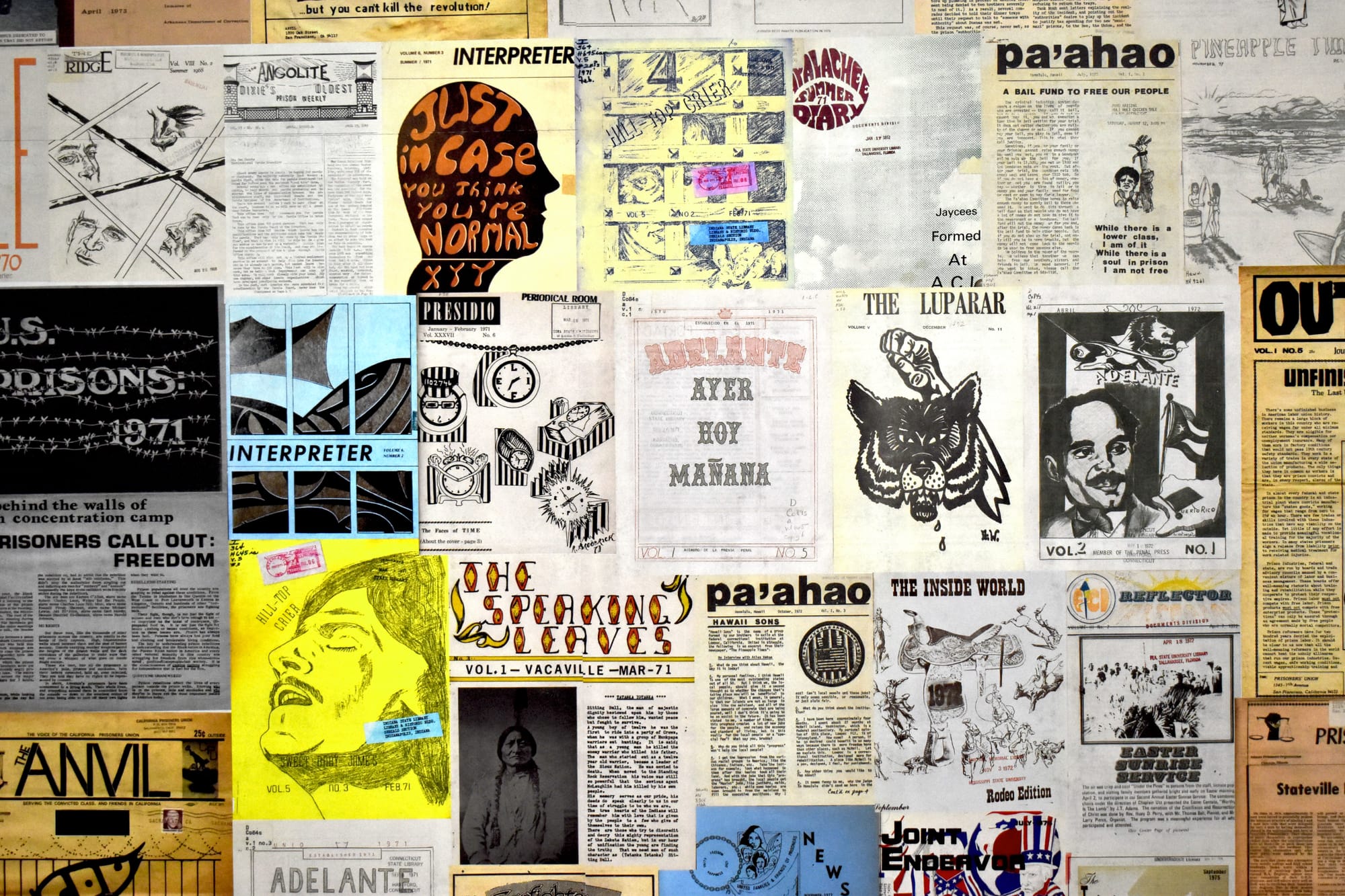
As the Illinois Department of Corrections’ 2025 mail-scanning policy increasingly limits incarcerated people’s access to physical media, Prison Papers: Organizing Inside/Outside Solidarity emphasizes the critical role of printed matter in penal systems. Through case studies, interviews, and archival material, the exhibition demonstrates how prison papers — papers produced by or in solidarity with incarcerated people — can build community and spread ideas in the face of extreme isolation, poor material conditions, and systemic injustice.
Rashid Johnson: A Poem for Deep Thinkers
Museum of Contemporary Art Chicago, 220 E Chicago Ave, Chicago
November 7–April 25
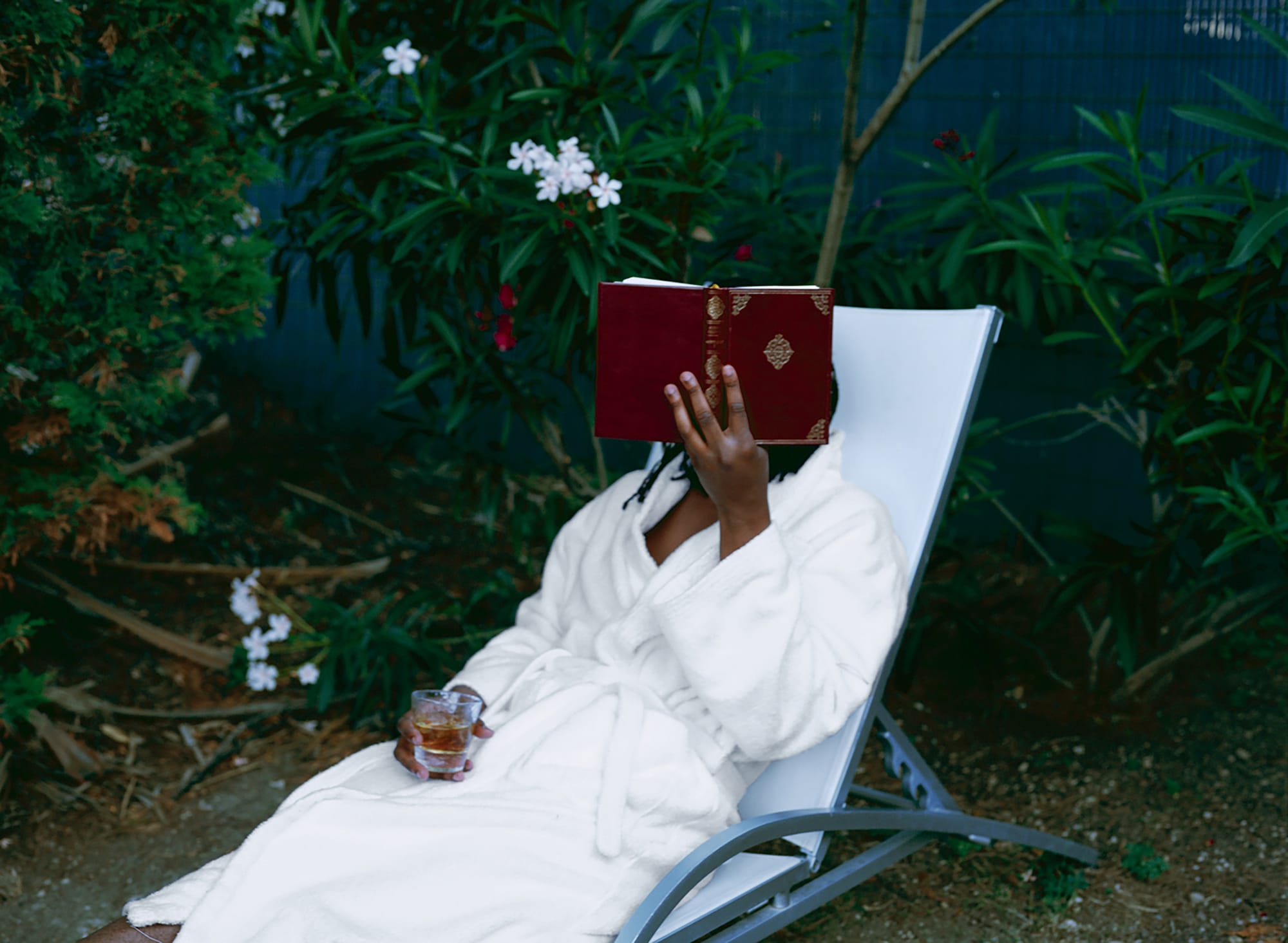
Equal parts survey and homecoming, Rashid Johnson: A Poem for Deep Thinkers proves the Chicago-raised artist’s clairvoyance in navigating intersecting societal vectors. Informed by art history, radical political movements, and contemporary culture, Johnson’s multidisciplinary practice is an incisive gesture that pierces through layers of complex and often painful histories while offering new ways to imagine freedom. Perhaps a line from the eponymous 1977 Amiri Baraka poem captures Johnson’s work best: “What’s happening is life itself ‘onward & upward.’”
Karla Wong: Journeys of Being
Intuit Art Museum, 756 N Milwaukee Ave, Chicago
Through January 10
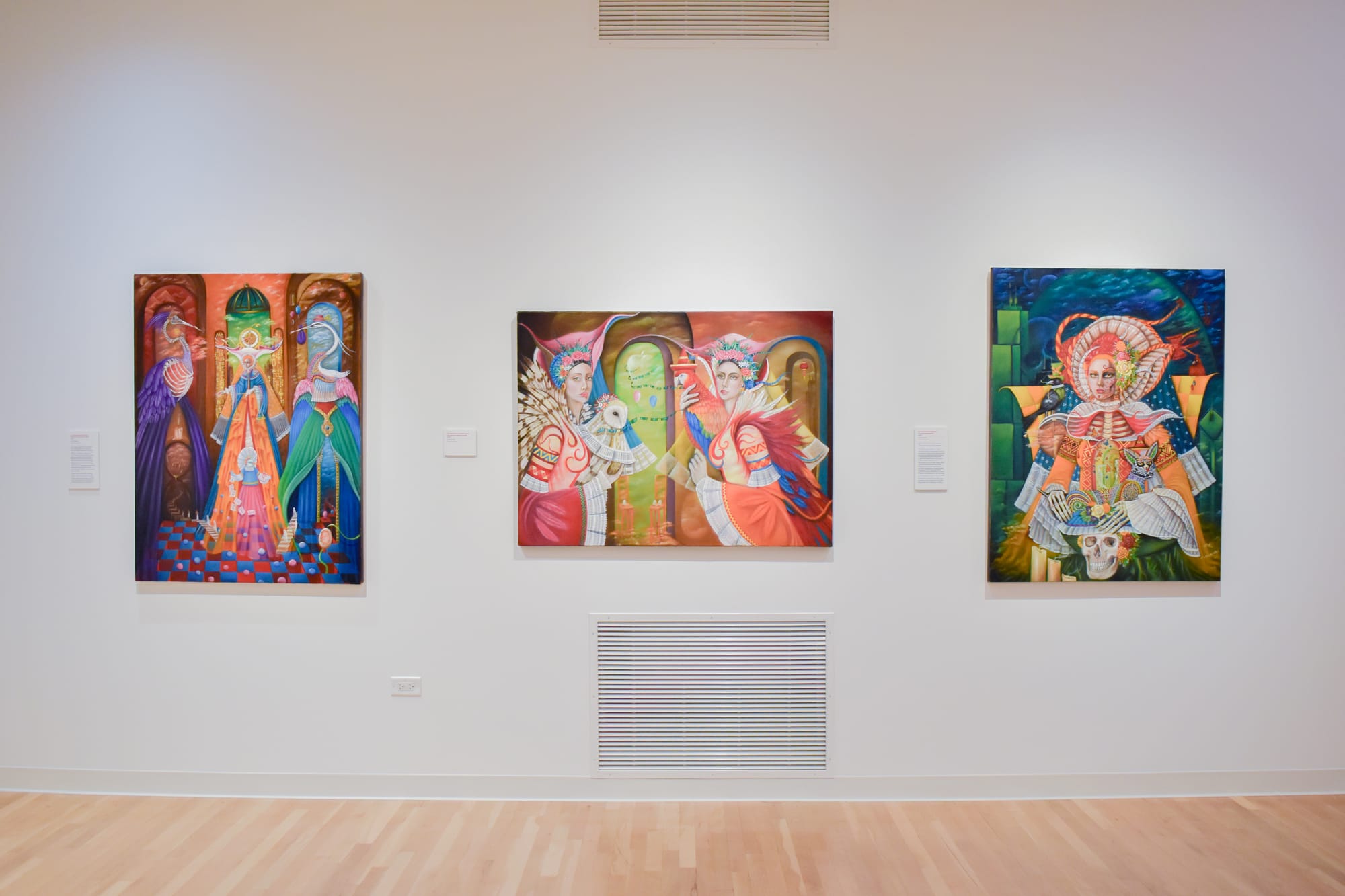
Surreal, vibrant, and complex, Karla Wong’s paintings reveal something new in every second spent in their company. Wong uses her practice to explore the many facets of her lived experience, from her Mexican and Chinese heritage to her gender expression, yielding work that is rich in symbolism. In “Arriving to the Land of the Mezcal” (2026), the pink and blue stripes wrapping a six-legged zebra-human represent the trans flag, while the creature’s place in a landscape of agave plants gestures towards the Oaxacan origins of mezcal.
If Emmett Till Lived: Freedom on American Ground
Museum of Contemporary Photography, 600 S Michigan Ave, Chicago
Through December 19
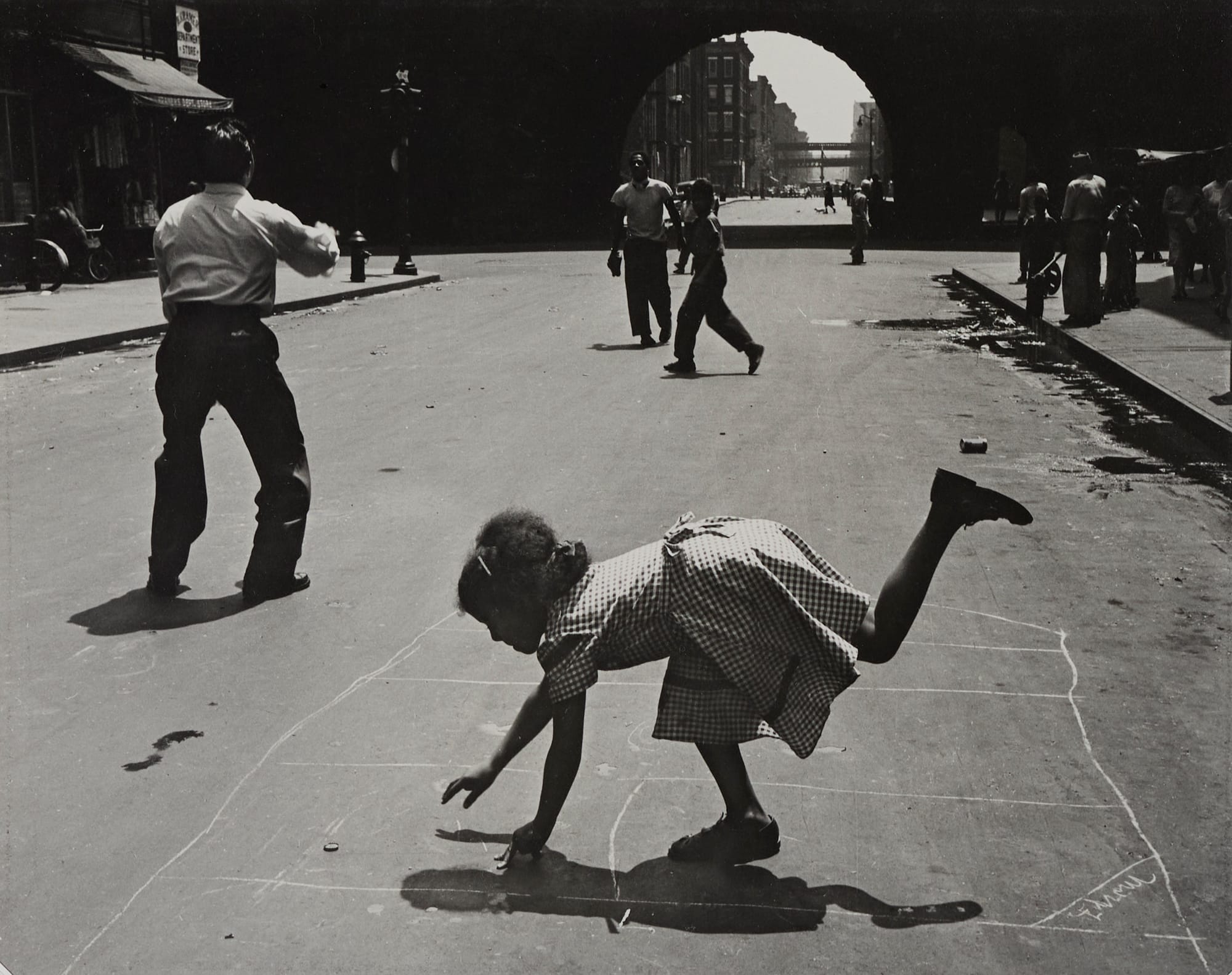
If Emmett Till Lived: Freedom on American Ground proves that hope and imagination are crucial tools in reckoning with systemic injustice. The works in this exhibition are visions of what the 70-plus years Till was robbed of might have contained, ranging from the mundane — simple moments of childhood play seen in domestic and street scenes captured by Meg Gerken and Marc PoKempner — to the stratospheric, including major career achievements represented through portraits of prominent politicians by Dawoud Bey and Victor Skrebneski. The facts of history are presented undeniably, capturing the magnitude of the losses caused by racial violence and the rippling impact those losses have far beyond the immediate moment of trauma.