10 Art Shows to See in DC This Fall
Carlotta Corpron photographs light, Ahn Chang-Hong unmasks Korean history, Black women reimagine Shakespeare, three mid-century New York artists paint by the sea, and more.

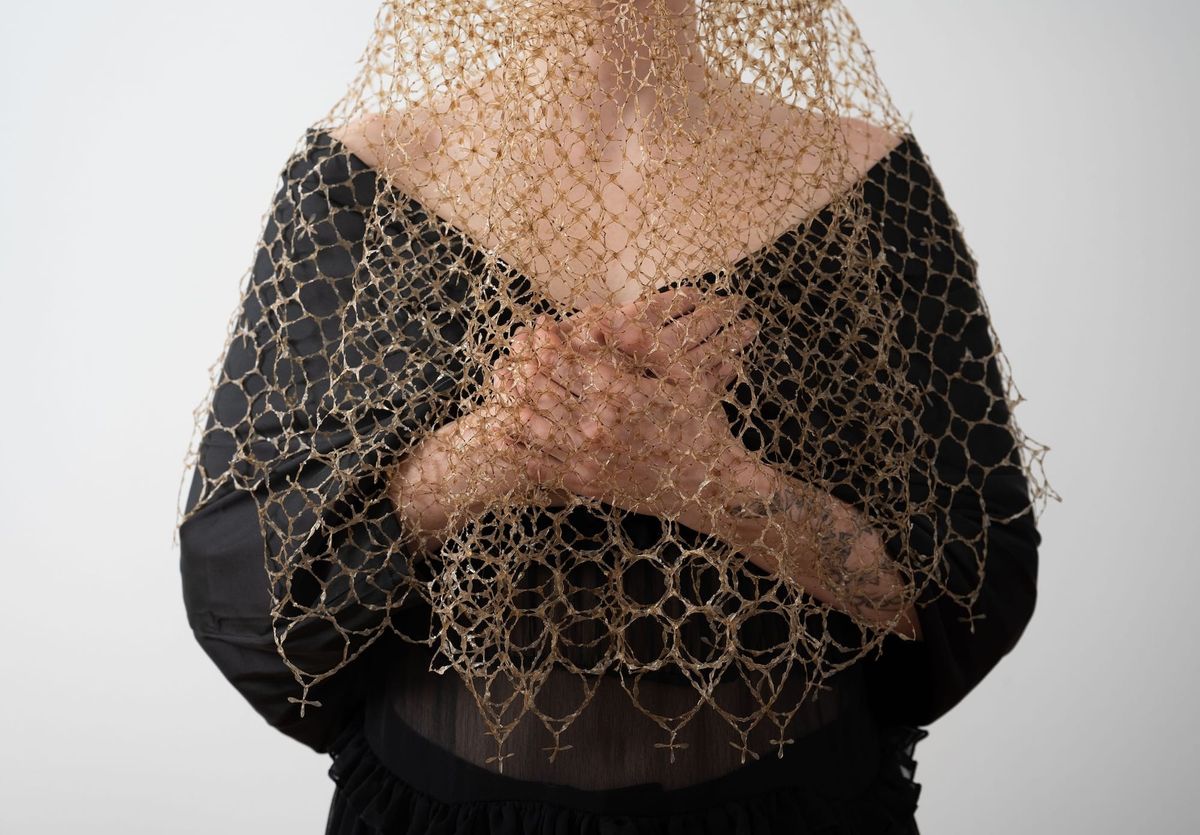
As we enter the season when many communities remember and honor their ancestors, DC’s art scene centers its own — both those long celebrated and those overlooked or excluded from the mainstream. The National Museum of Women in the Arts highlights Black women quilters creating across time and space, while the National Gallery of Art explores the history of Black American portrait photographers revolutionizing the field. Roberto Benavidez reimagines the art of piñata-making at the Renwick Gallery, while Ahn Chang-Hong channels Korean historical memory into masks, paintings, and sculptures. The Phillips Collection investigates the friendship between three artists — Milton Avery, Adolph Gottlieb, and Mark Rothko — and the National Museum of Asian Art displays the handiwork of unknown artists whose objects crossed oceans and centuries to appear before us. As Trump disassembles Washington’s cultural landscape and reshapes it in his own image, artists in DC continue to resist.
Ahn Chang-Hong: noon-mool
American University Museum, 4400 Massachusetts Avenue NW, Washington, DC
Through December 6
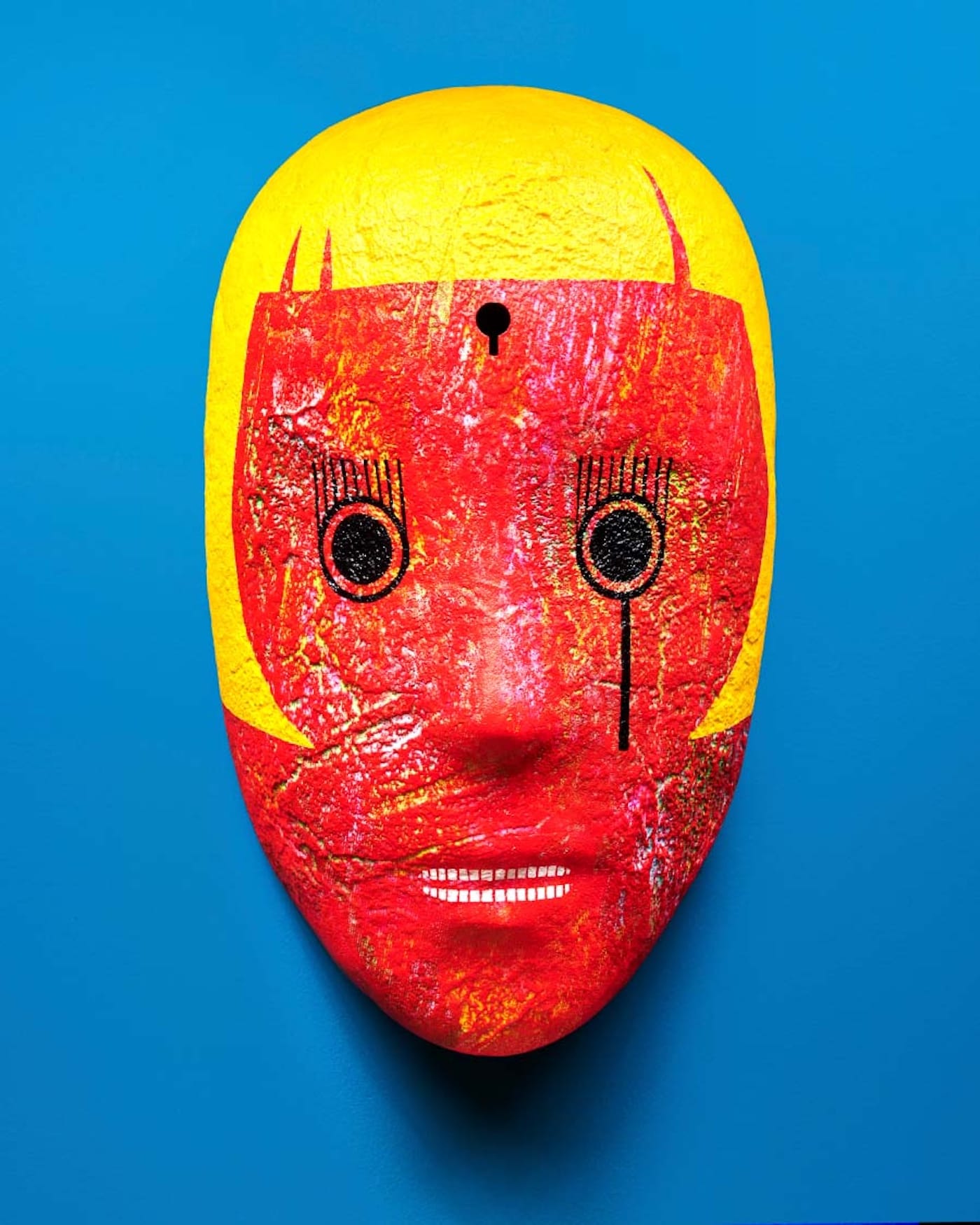
Titled noo-mool (눈물), “tears” in Korean, Ahn Chang-Hong’s solo exhibition muses on memory and mortality through paintings, sculpture, and multimedia works that both disturb and comfort viewers. At its core is Ahn’s Taxidermy series, in which he buries photographs of taxidermied animals under layers of paint. Charting the artist’s five-decade career, noon-mool explores the fragility of human lives, bodies, and minds with a special focus on marginalized, exploited, and erased communities in Korean history.
Routed West: Twentieth-Century African American Quilts in California
National Museum of Women in the Arts, 1250 New York Avenue NW, Washington, DC
September 18–January 17, 2027
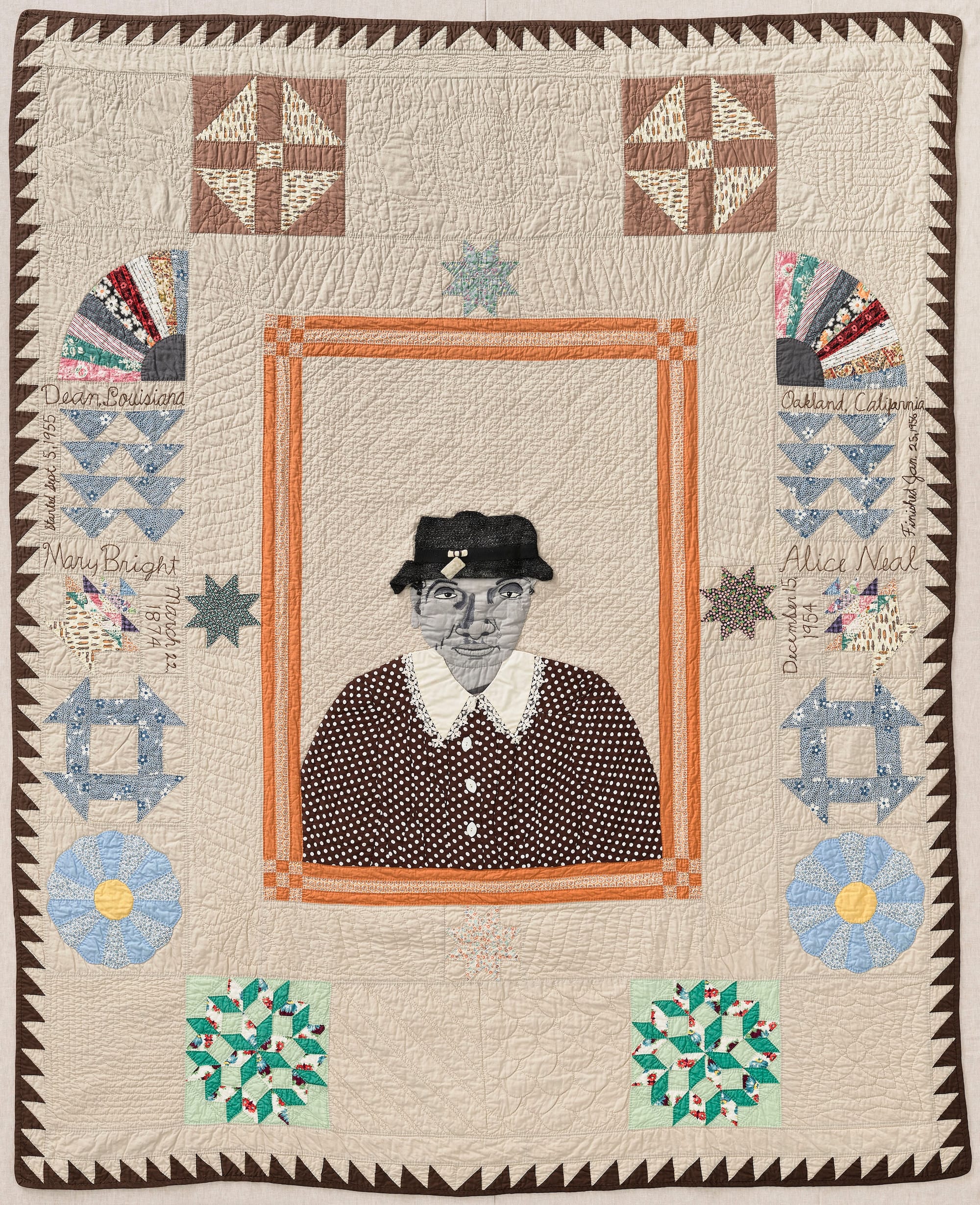
Routed West charts quiltmaking as a transgenerational, transregional project through nearly 80 quilted objects, examining how the artistic wisdom and skill of formerly enslaved Black women were carried north and west as part of the Second Great Migration. Throughout their journey, these women carried the quilts of their mothers, grandmothers, and aunties as forms of protection and remembrance while also creating new works rooted in their own experiences. Routed West blurs the line between craft and fine art — arguing against that distinction throughout — and centers fiber arts as not just a fringe American tradition but as an influential form for contemporary Black artists.
Rafael Lozano-Hemmer: Look Alive
Georgetown de la Cruz Gallery, 3535 Prospect Street NW, Washington, DC
September 18–April 11, 2027
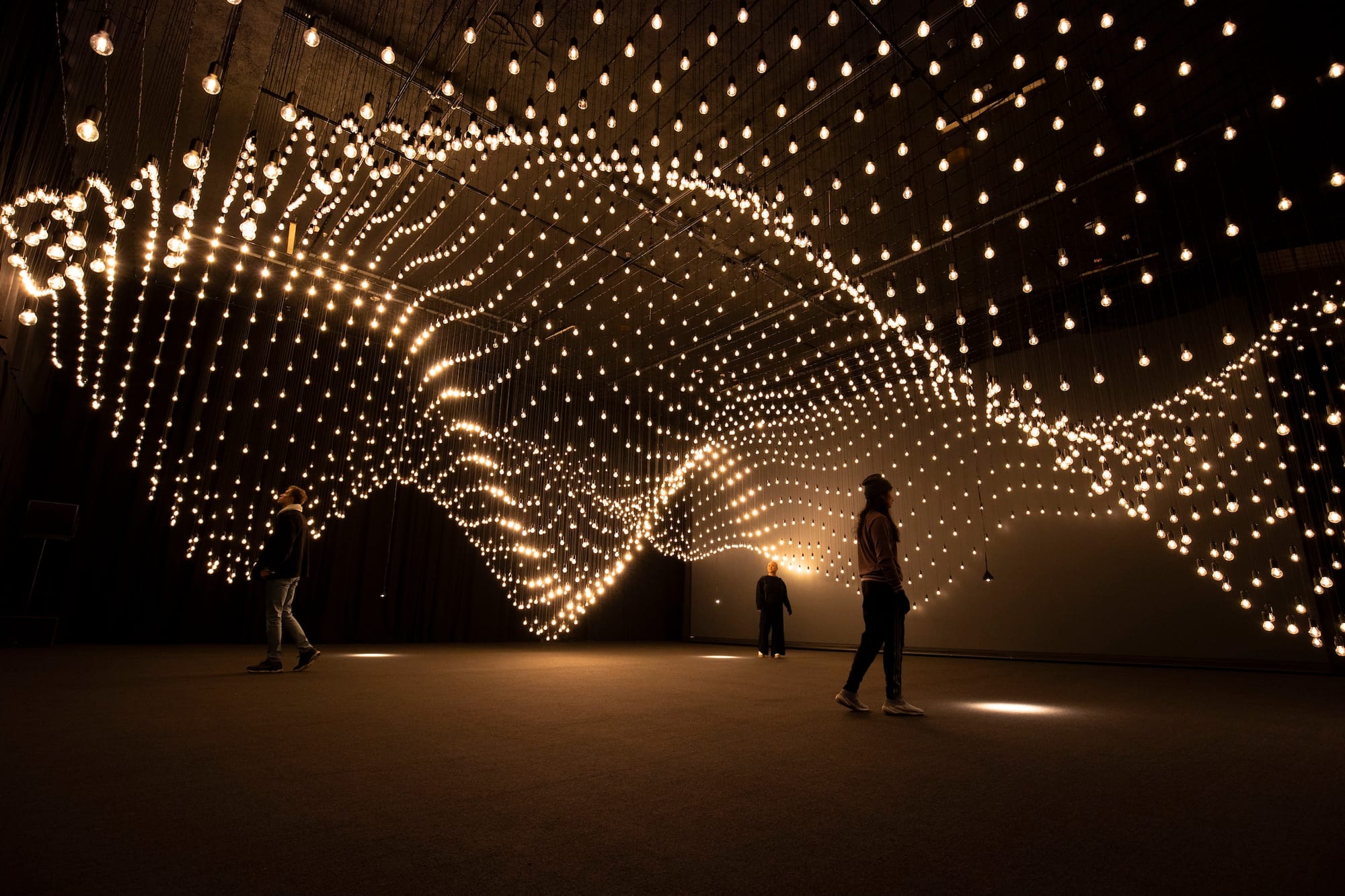
In Rafael Lozano-Hemmer’s site-specific installation “Pulse Map,” the latest in his Pulse series, a maze of polycarbonate lightbulbs flicker in rhythm with the heartbeat of previous visitors. In the age of biometric tracking, Lozano-Hemmer invites attendees to anonymously record their heartbeat with suspended camera sensors. Their real biorhythms will then create the new soundtrack for future visitors, in essence using their own bodies to create the work with Lozano-Hemmer. Look Alive situates the piece in a series of Lozano-Hemmer’s other installations that adapt alongside visitors’ bodily and sensory experiences.
From the Louvre: Masterpieces of Islamic Art
National Museum of Asian Art, 1050 Independence Avenue SW, Washington, DC
September 26–January 18, 2027
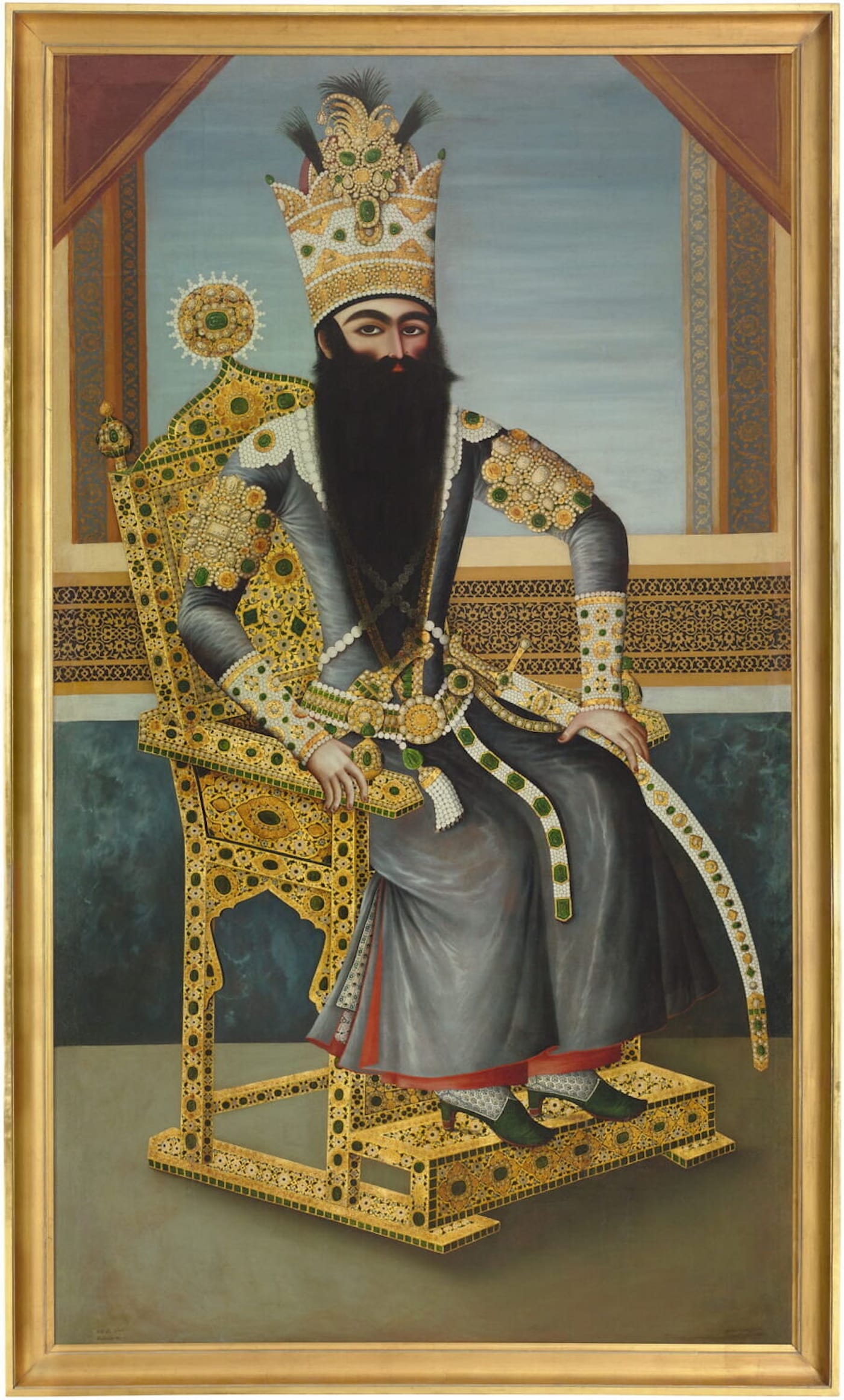
A large brass basin with precious metal inlays made in 14th-century Syria or Egypt was originally meant for ritual hand washing — but in the court of France, it became a religious relic where King Louis XIII was baptized. It’s one of 26 works of art in this exhibition, co-organized by the Musée du Louvre and the Smithsonian’s National Museum of Asian Art. Following works of art from predominantly Muslim regions from the 7th to 19th centuries, the show takes us on a journey from each object’s creation to trade, veneration, possession, and eventual display in museums around the world. From the Louvre is also an opportunity for visitors to consider the routes of what we now recognize as “masterpieces” that have traveled across the globe, often under unethical conditions of colonialism or extraction.