A View From the Easel
“I use my entire body when painting, so I need to align it with my mind beforehand.”
Welcome to the 328th installment of A View From the Easel, a series in which artists reflect on their workspace. This week, artists invent their own alphabet and investigate the collapse of the universe.
Want to take part? Check out our submission guidelines and share a bit about your studio with us through this form! All mediums and workspaces are welcome, including your home studio.
Lusmerlin Lantigua, Columbia, Maryland, and Philadelphia, Pennsylvania
How long have you been working in this space?
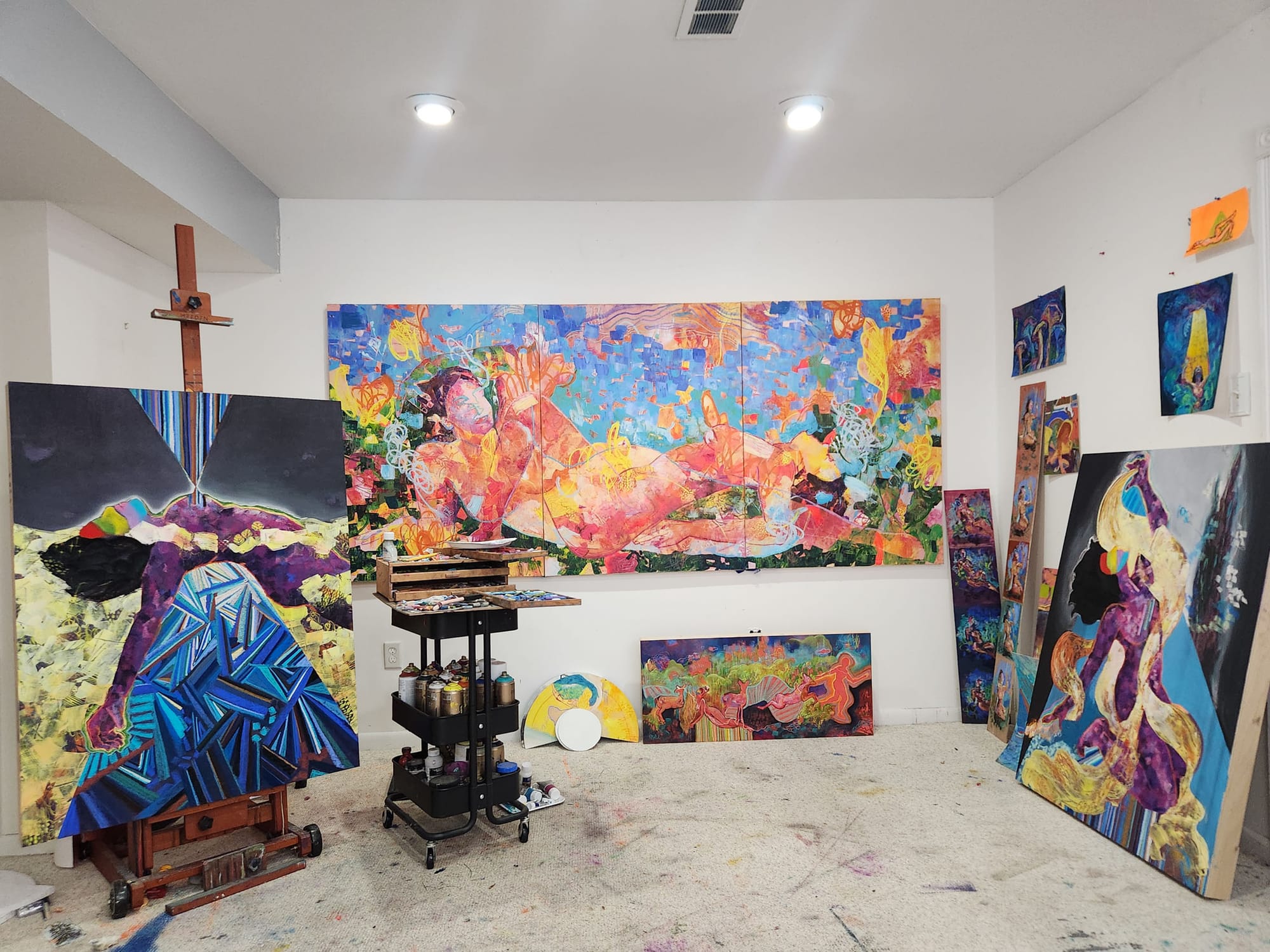
In my Maryland studio, three years. In my Philadelphia studio, on and off for four years now.
Describe an average day in your studio.
I start with sunlight whenever possible: stretching, reading, and sitting outside even in the cold. If there’s no sun, I sit by a white lamp. My most productive hands-on hours are late morning to early afternoon. Before working, I enter a meditative state by dancing or singing karaoke, which centers my breath and body. I use my entire body when painting, so I need to align it with my mind beforehand.
How does the space affect your work?
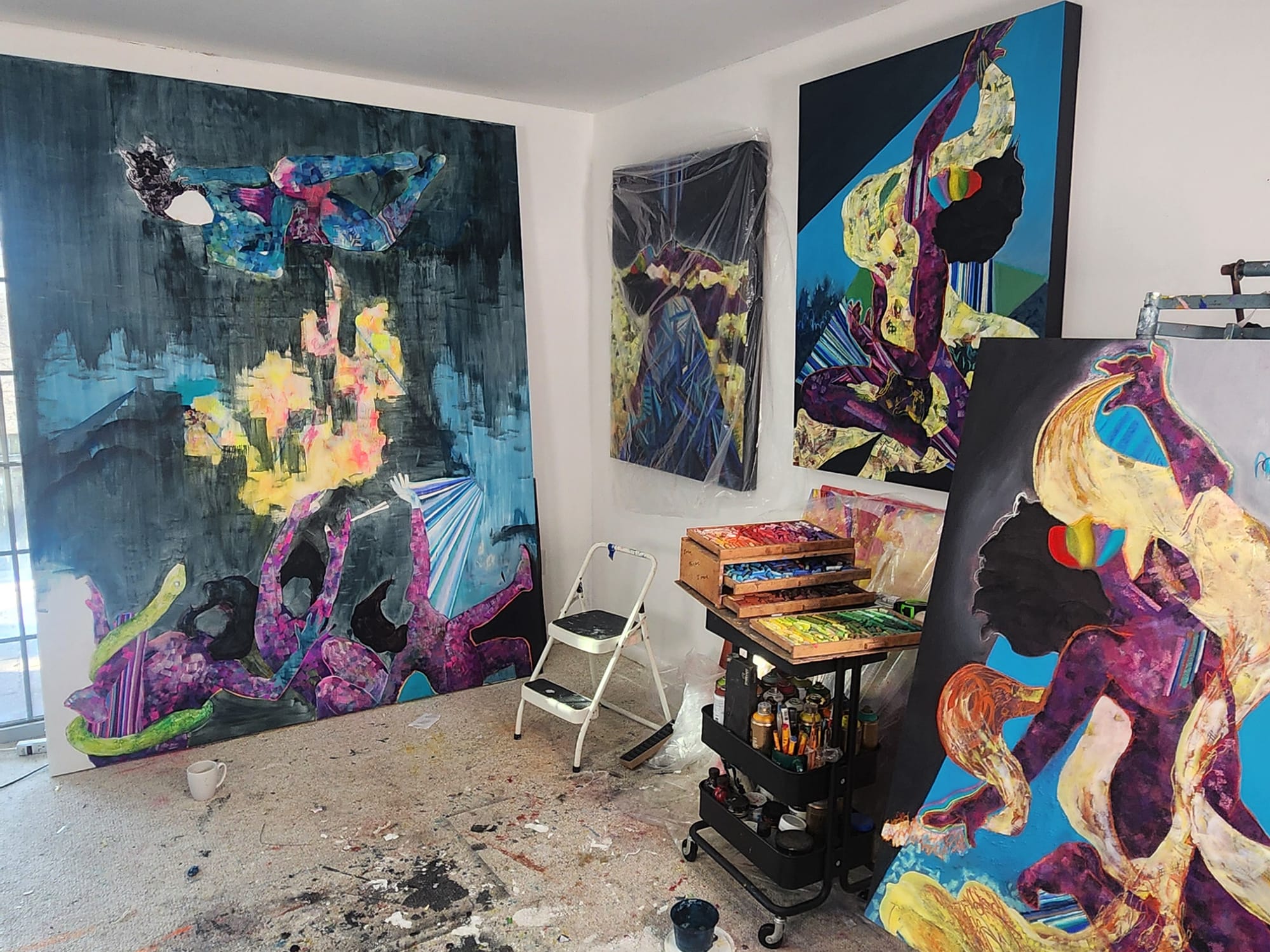
I chose my studio because it opens onto a garden, where I regularly observe squirrels, birds, and seasonal changes. Nature is a constant presence and returns directly in my work. The studio itself is highly flexible: Walls shift between photographic and open working surfaces, and furniture moves freely. This adaptability allows the work to change direction without resistance. The space has supported ambitious projects, including a 28-foot painting installed across three walls, titled "The Big Rip," which is about the moment when the universe begins to collapse.
How do you interact with the environment outside your studio?
I’m deeply connected to my neighborhood and its daily rhythms, knowing the people and dogs, and sharing regular conversations and small exchanges. My art community spans several circles: local artists in Columbia, Maryland; the Baltimore art scene; and an international network through the Alternative Art School. Philadelphia also remains an important artistic home through long-standing relationships. As I travel and grow, my community continues to expand across cities, sustaining my practice through dialogue and shared support.
What do you love about your studio?
The quiet and space I have are essential to my practice.
What do you wish were different?
I sometimes wish I were based closer to the center of a city. Being nearer to artists, events, and openings would make staying in community more immediate and less effortful. Distance can create moments of separation, and I feel that trade-off at times. That said, if anyone has invented a reliable teleporter, I’m very open to hearing about it.
What is your favorite local museum?
This is a difficult question. I have the luxury of being within driving distance of Philadelphia, DC, and Baltimore, home to some of the best museums anywhere, so choosing a single favorite feels impossible. Each offers something distinct and meaningful, and I move between them depending on what I need at a given moment. I’m the kind of person who keeps reciprocal museum memberships because I want access to all of them. Wherever I travel, museums are always at the top of my list, so my loyalty is happily divided.
What is your favorite art material to work with?
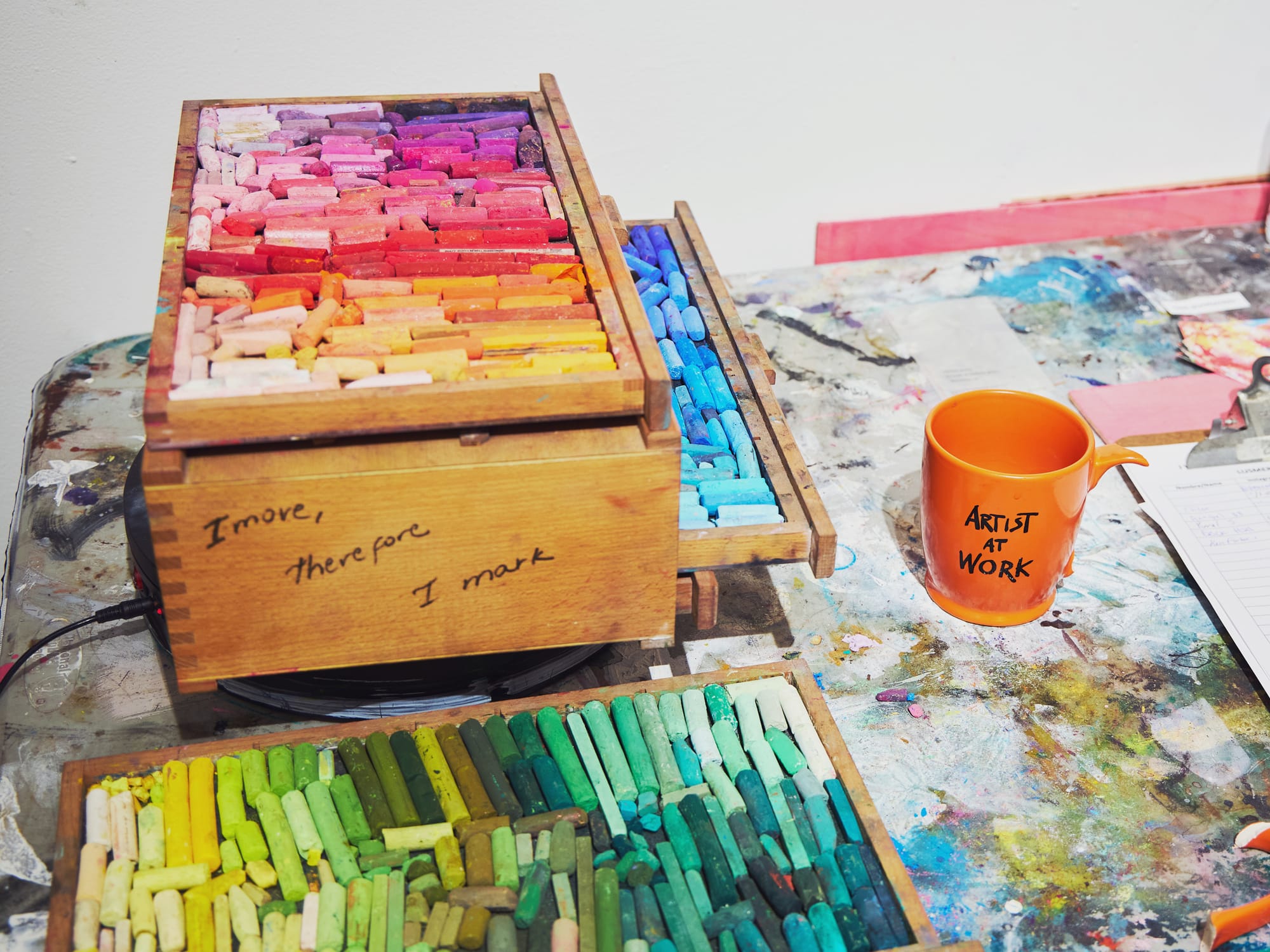
Anything in stick form, especially soft pastel. I’m drawn to their directness, the ability to transmit energy from my body straight onto a surface without intermediaries. Brushes and sponges translate movement through their own structure, but a stick remains faithful to the gesture. When I made the purple figures, pastel allowed me to build volume while maintaining layering and movement. It's a unique and misunderstood medium.
Zoë Elena Moldenhauer, Gowanus, Brooklyn
How long have you been working in this space?
Since fall 2021.
Describe an average day in your studio.
I walk to my studio almost everyday around noon from Cobble Hill to Gowanus, crossing the Union Street bridge over the canal. Sometimes there are long periods in between works and other times that period is shorter. Even when I am not working on a project, I have a space to go to that is my own. When there are long breaks in between projects, I will clean my space, read, work, or watch TV. When I have a project, my studio transforms to reflect the urgency and obsession that makes me want to create.
How does the space affect your work?
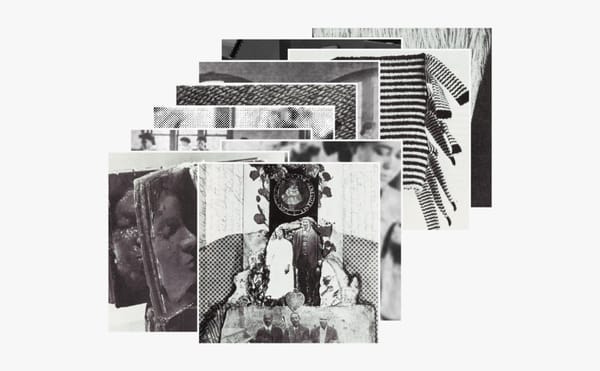
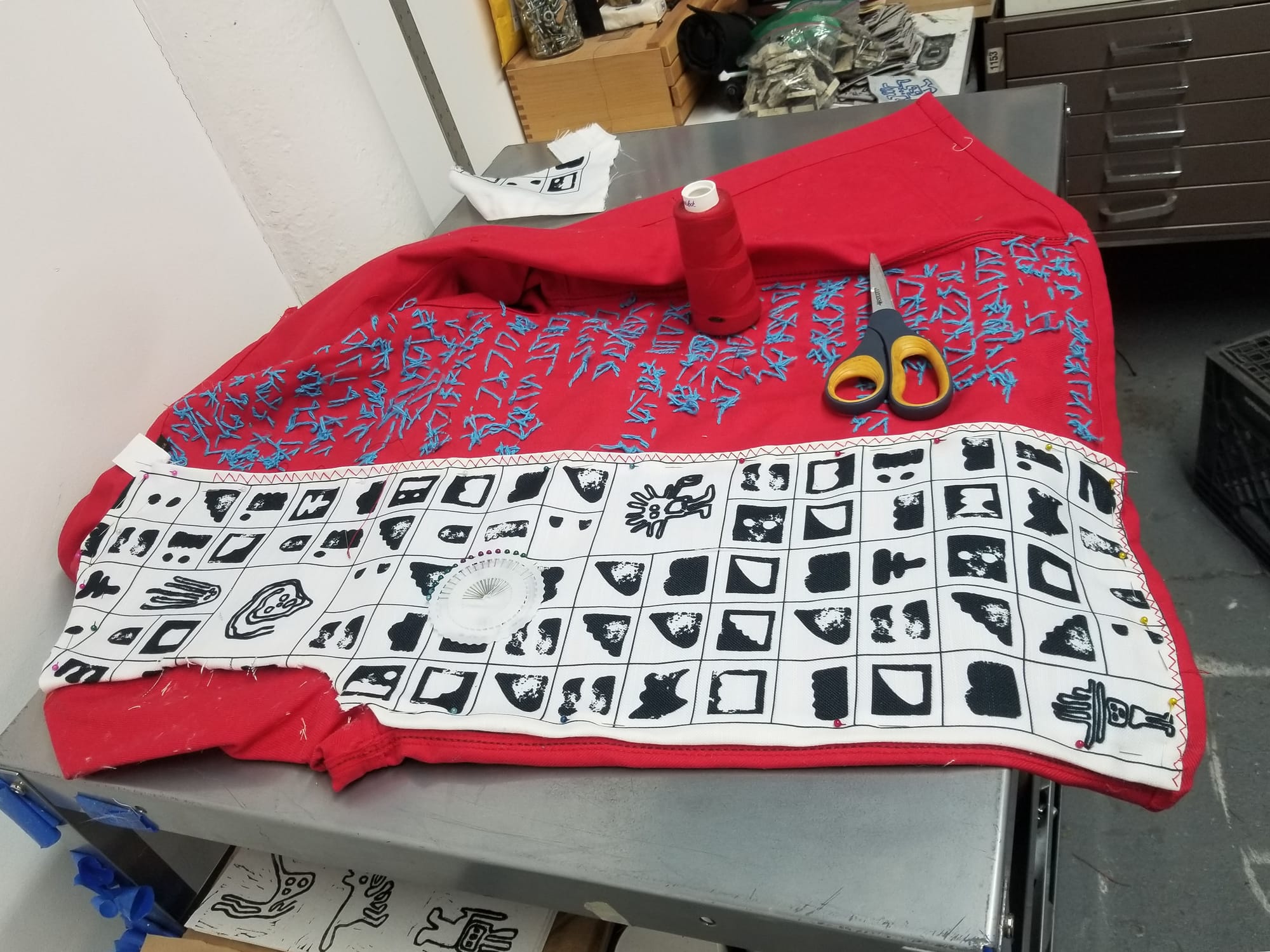
My studio is small. Over the years I have strategically used surfaces that move on wheels and I built shelves that I have placed to one side of the wall. I work between the floor and my various movable desks. My works are often small and personal, layering fabric, printmaking, collage, and found material. The process is intimate and slow and rhythmic. The few bigger pieces are made on the wall or laid out on the ground. Because my studio is a basement, it's also on a hill. I am always comically sliding downward or tilted at odd angles.
How do you interact with the environment outside your studio?
Gowanus has a thriving arts community. Every year I participate in the Gowanus Open Studios event where over 900 artists in the neighborhood open their doors to the public. Through this event, I have been able to connect with art enthusiasts, artists, students, and buyers who support my artistic career. Throughout the year I apply and participate in in-person and online residencies that allow me to engage with new cohorts of artists from around the world.
What do you love about your studio?
My studio is my second home. I found my space during the pandemic and was trying to maintain my artistic practice from my bedroom. I felt alone and insecure about my career and identity as an artist without a studio space and community. When I found Brooklyn Art Cluster, I knew I had found a supportive community where I could grow. Over five years later, I feel validated in my art, having watched its evolution, and I continue to invest in opportunities that chase that feeling of care, love, and ambition.
What do you wish were different?
I love this question for its infinite interpretations! For me there is a lot I wish were different, like politically ... As an artist, I offer my perspective on the -isms through materials, color, and composition in big and small ways. When I interact with people about my art I love hearing their reactions and thoughts because it creates connection. During a time when there is an effort to isolate and spread hate and fear and violence, art can heal and bring people together.
What is your favorite local museum?
The art in New York City's MTA subway systems.
What is your favorite art material to work with?
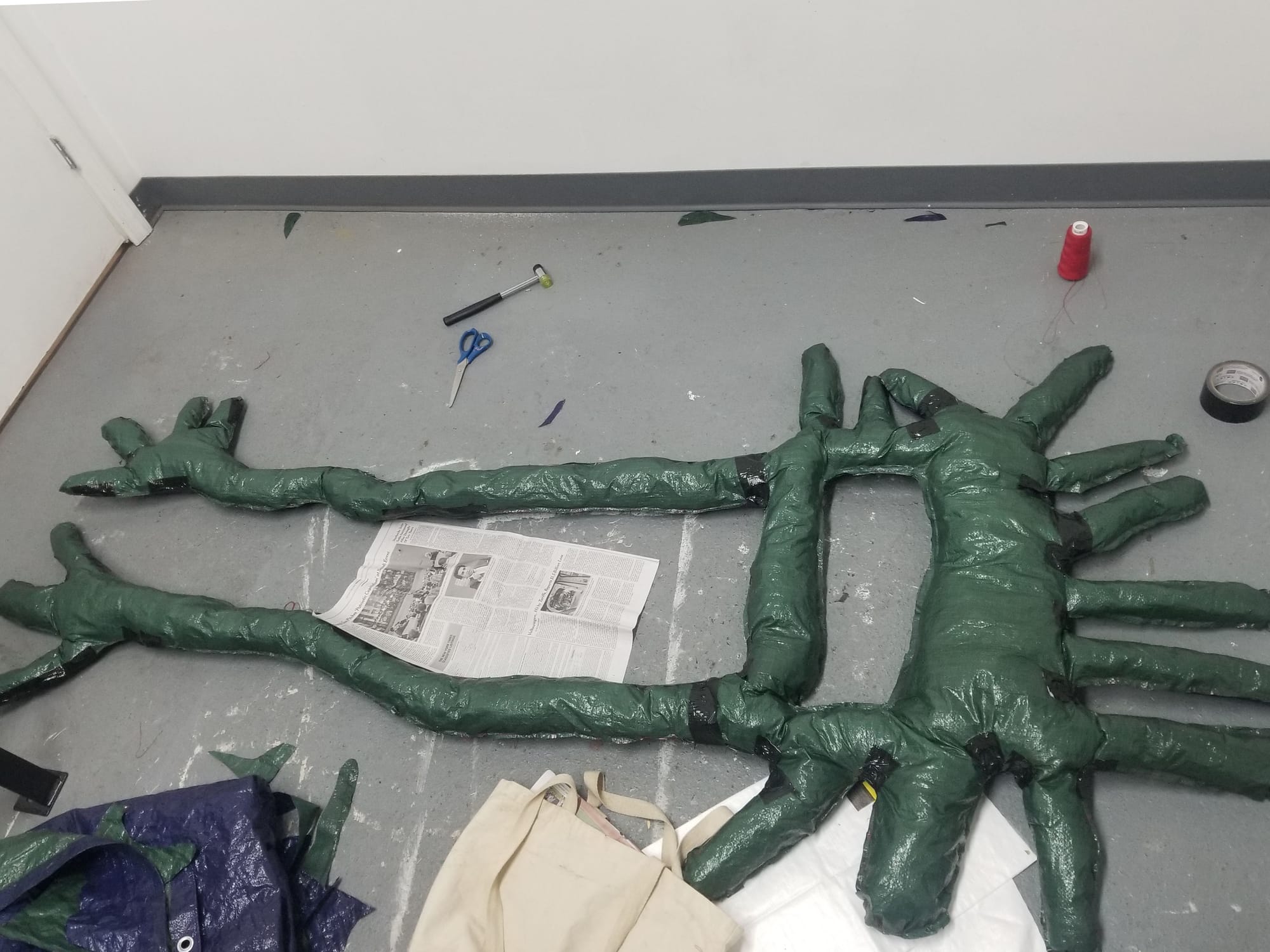
I invented a fictional alphabet in 2017. My alphabet is the material I work with where I employ printmaking, collage, textiles, and digital media to create work. I am a Guatemalan adoptee and use my alphabet as a tool to create identity and explore my ancestry. I recently completed a large scale installation combining large soft sculptures with video projections for my first solo exhibition art Art Cake. I am excited for what new materials I can incorporate and explore next!