A Visual Journey Through 150 Years of the Legal Aid Society
A new display at the NY Historical traces the impact of the largest legal organization for low-income individuals in the United States.

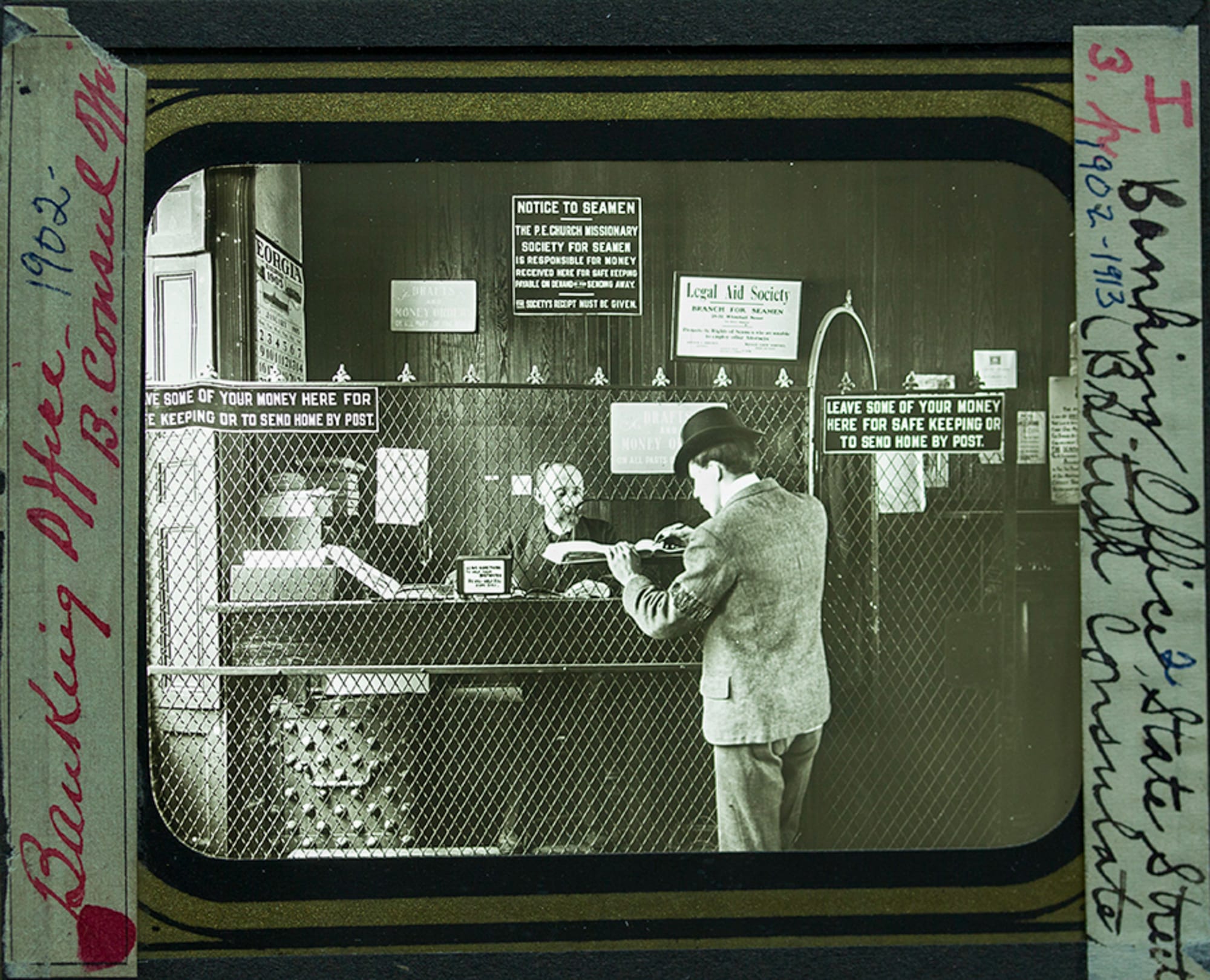
In 1876, in an office on Manhattan's Nassau Street, with a mighty staff of three, the first legal aid organization dedicated to defending low-income people in the United States was born.
Within its first year, the nascent organization, then called the German Legal Aid Society, would represent 212 immigrants who could not afford a lawyer. By the end of its first decade, it would help recover today's equivalent of $3.6 million in wages for German immigrants. And just a few years later, it would shorten its name to Legal Aid Society and expand its mandate beyond newcomers to New Yorkers more broadly.
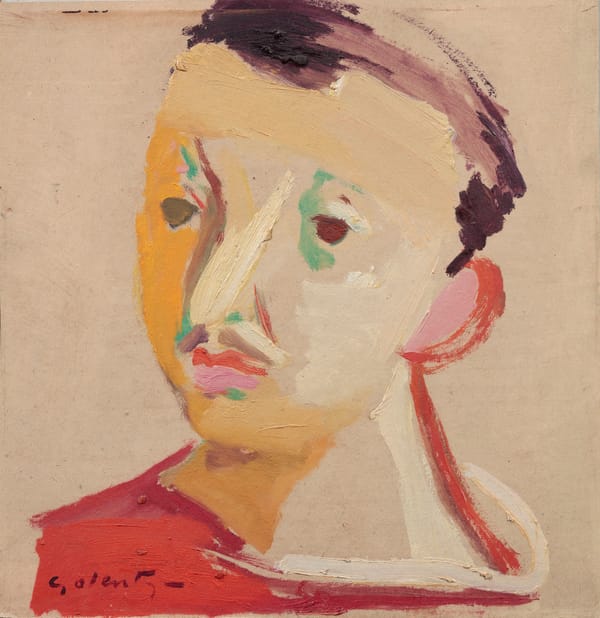
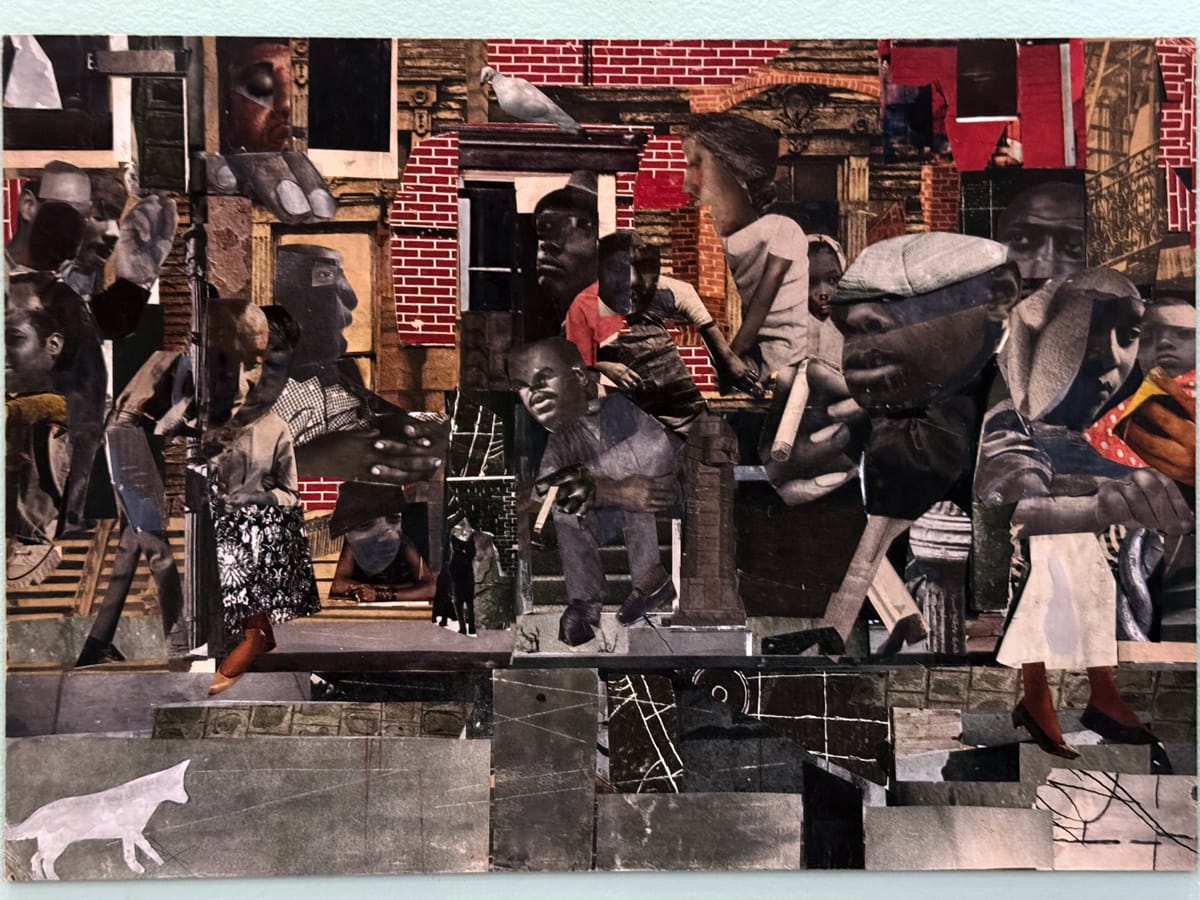
Today, 150 years after representing its first case, the Legal Aid Society is the United States's largest public defense provider, financed by a mix of government and private money. In honor of the nonprofit's sesquicentennial, the New York Historical unveiled a special exhibit earlier this month featuring relics from the Legal Aid Society's history, including artwork made by young clients and anti-incarceration activists and early photographs of the organization's work.
"Justice isn't just legal. It's also cultural," Legal Aid Society's CEO and Attorney-in-Chief Twyla Carter told Hyperallergic in a phone call. "I think this exhibit shows just how law and lived experience intersect."
Over the past year and a half, Carter said she had been reaching out to former and current staff to identify objects that would chronicle the organization's history for the special display, titled Delivering Justice: 150 Years of The Legal Aid Society.
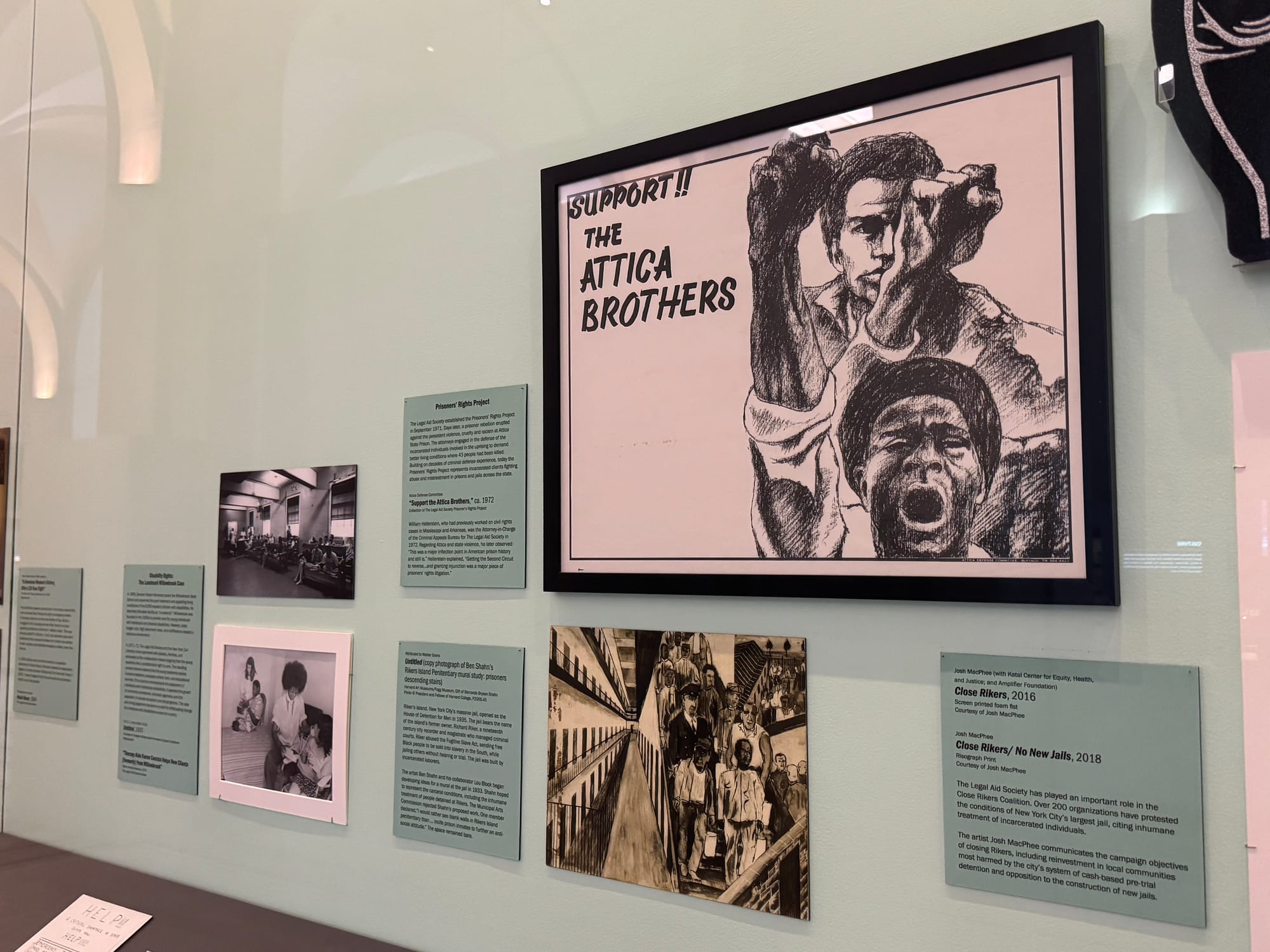
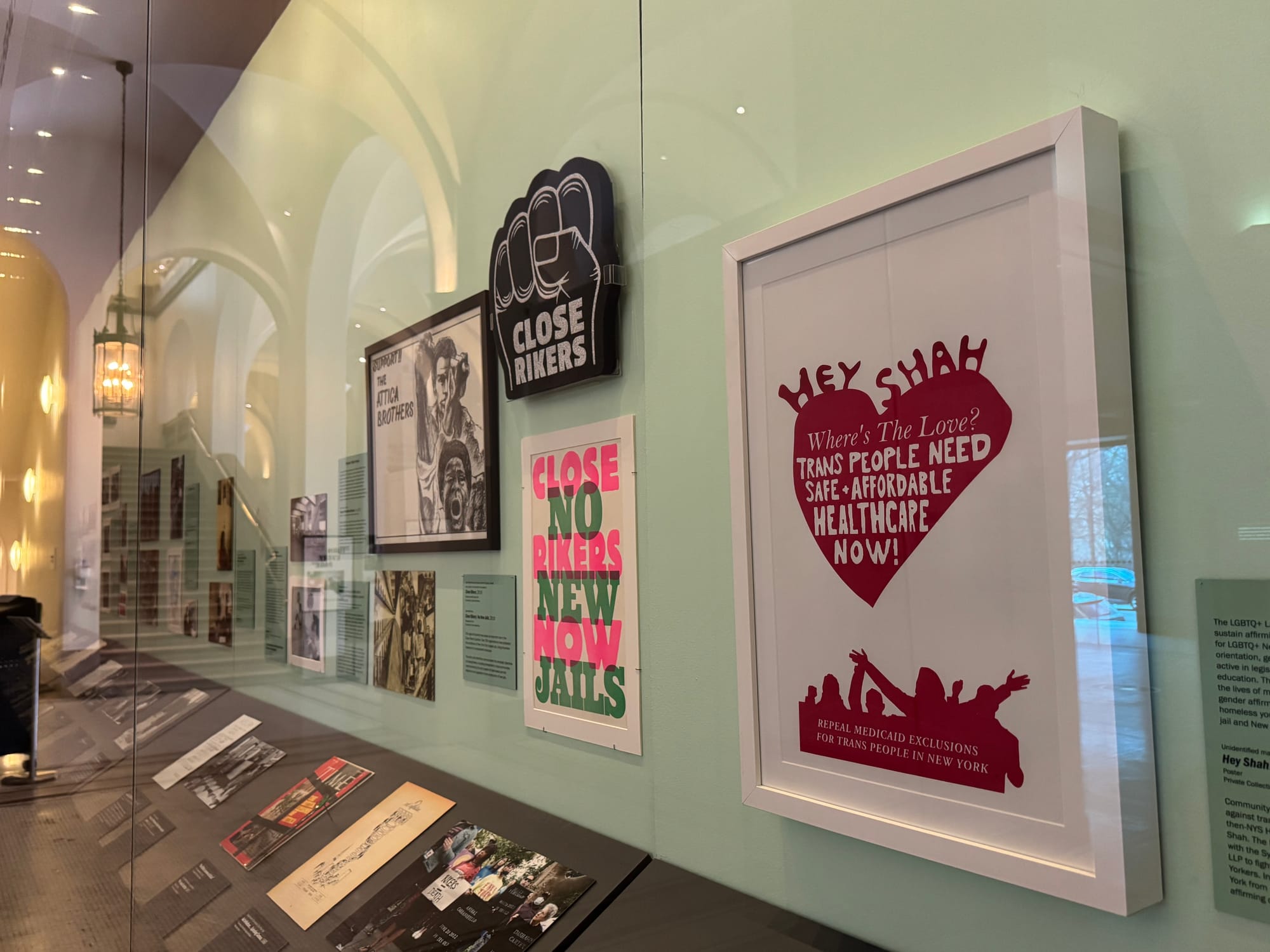
In a small case just outside the NY Historical lobby, newspaper clippings, collages, and archival and contemporary photos recount the society's major legal accomplishments, including a poster voicing support for the leaders of the 1971 Attica prison uprising. The Legal Aid Society defended the incarcerated individuals who rebelled against untenable treatment at the state prison.
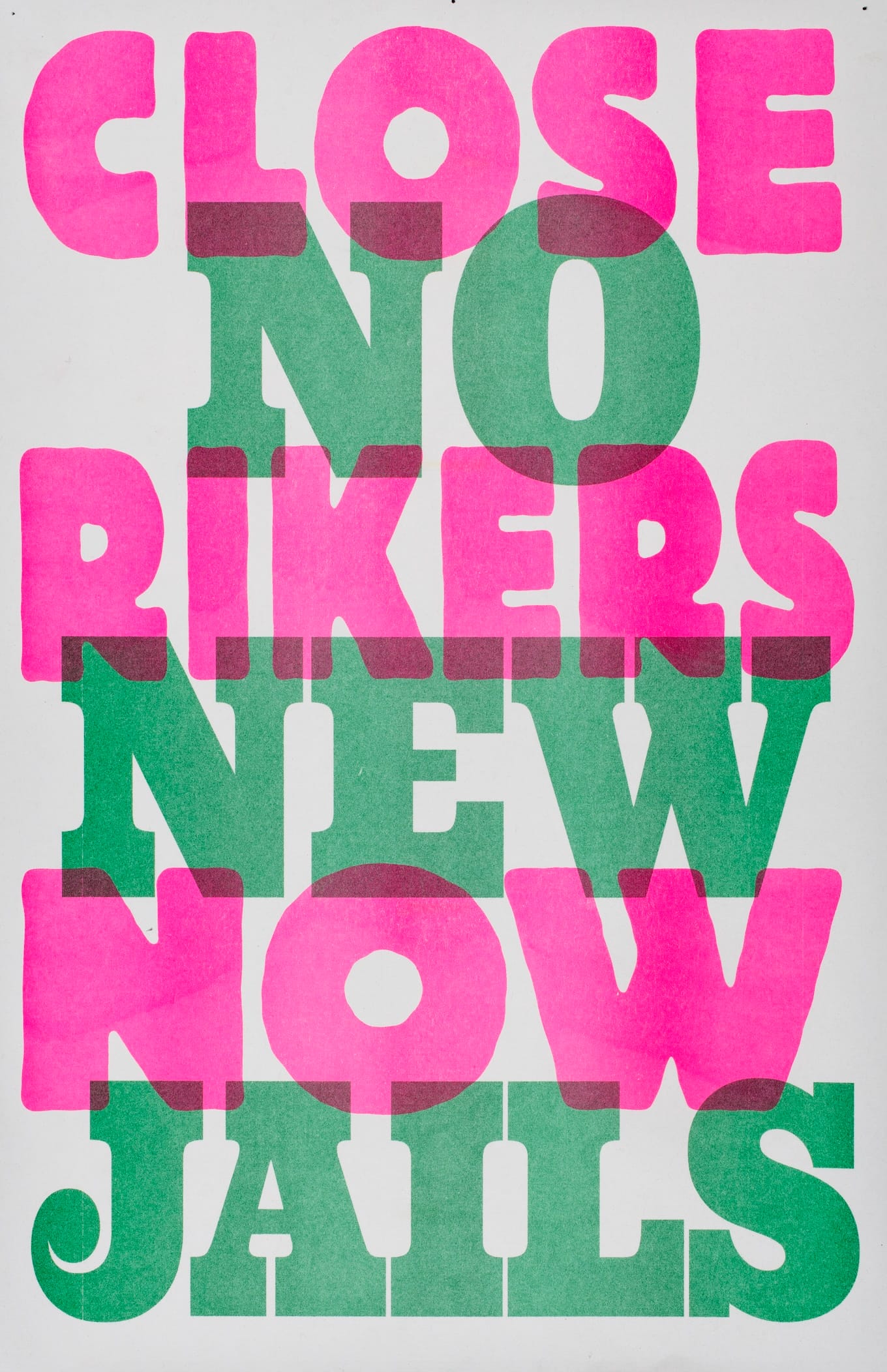
Among the handful of artworks included is a poster advocating for the closure of the notorious Rikers Island jail, created by Josh MacPhee, a Brooklyn-based artist and founding member of the political art distribution collective Just Seeds.
Late last year, the Legal Aid Society won a lawsuit challenging the use of brutality against incarcerated individuals in jail. This decision mandated court-appointed oversight of the facility, taking control out of the mayor's hands, in a move billed as a victory against the jail's inhumane treatment of incarcerated individuals. The prison is required by law to close in 2027, and will be replaced by a controversial borough-based jail system.
While MacPhee never worked with the Legal Aid Society in its class actions against the embattled prison, his anti-Rikers poster and foam fist, inscribed with the message "Close Rikers," mirrors the nonprofit's stance.
"They reached out to me, I think, because my work has been some of the more visible cultural elements of the movement in the last 10 years," MacPhee told Hyperallergic in a phone call.
"We're culturally starting to shift towards understanding that the material that people produce and use when they're organizing is just as valuable to telling that story as written accounts or like documentary footage," he said.
MacPhee distributed his foam fists, one of which is currently displayed at the NY Historical Society, during a demonstration march to Rikers in 2016.
When asked if the exhibition is tied to any upcoming fundraising efforts, Carter said the organization hopes to engage new audiences through the exhibition and related activities.
"We hope all of that together will spark interest from individuals who didn't know who we were, but may have known or heard of us," Carter said. "Americans who have the luxury of not knowing who we are, who are able to enjoy the Oscars or go out on a Saturday night and don't know that there are people who are in fact doing Freedom Fighter-type work."
Recounting some of the organization's landmark litigation, Carter noted its 1981 victory mandating the city to provide shelter services for single homeless men. These rights were later extended to women and children.
Carter also pointed to recent work of Legal Aid Society attorneys, including the formation of the New York Immigrant Family Unity Project, which she described as the country's "first publicly funded universal representation program" for individuals facing deportation.
"I think the exhibit reminds us that every generation faces challenges," Carter said. "The fight for dignity, fairness, and equality is constant."
The works will remain on view through July 5, 2026.