An Artist Visits Paris After the Bombs
The Iranian artist Arash Hanaei had been working since 2008 on trying to grasp how a city can be a stable entity, a permanent place of residence.
A bomb erupts. One moment the couple seated at a restaurant is laughing or arguing, and the next, one person (it’s more poignant if there is one survivor) is crawling their way over broken debris and glass trying to find the life and partner they just had.
I’ve never experienced a bombing, but it seems to go this way in movies. What’s most terrifying is that shocking rupture in the state of what had been, up until the moment of detonation. Terrorist actions carried out by bombs have this awful proviso — they force us to imagine that all we work for, save for and hope to have is impermanent and ephemeral.
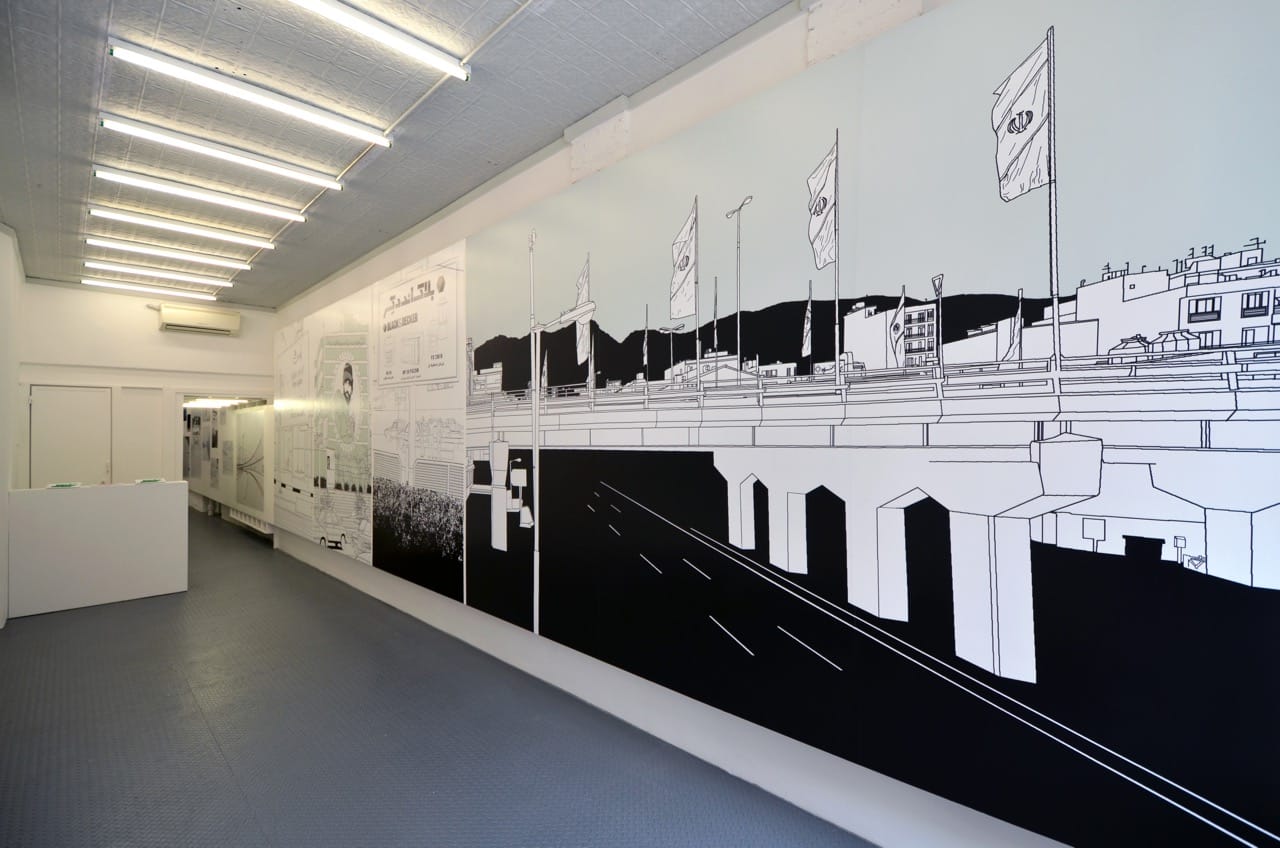
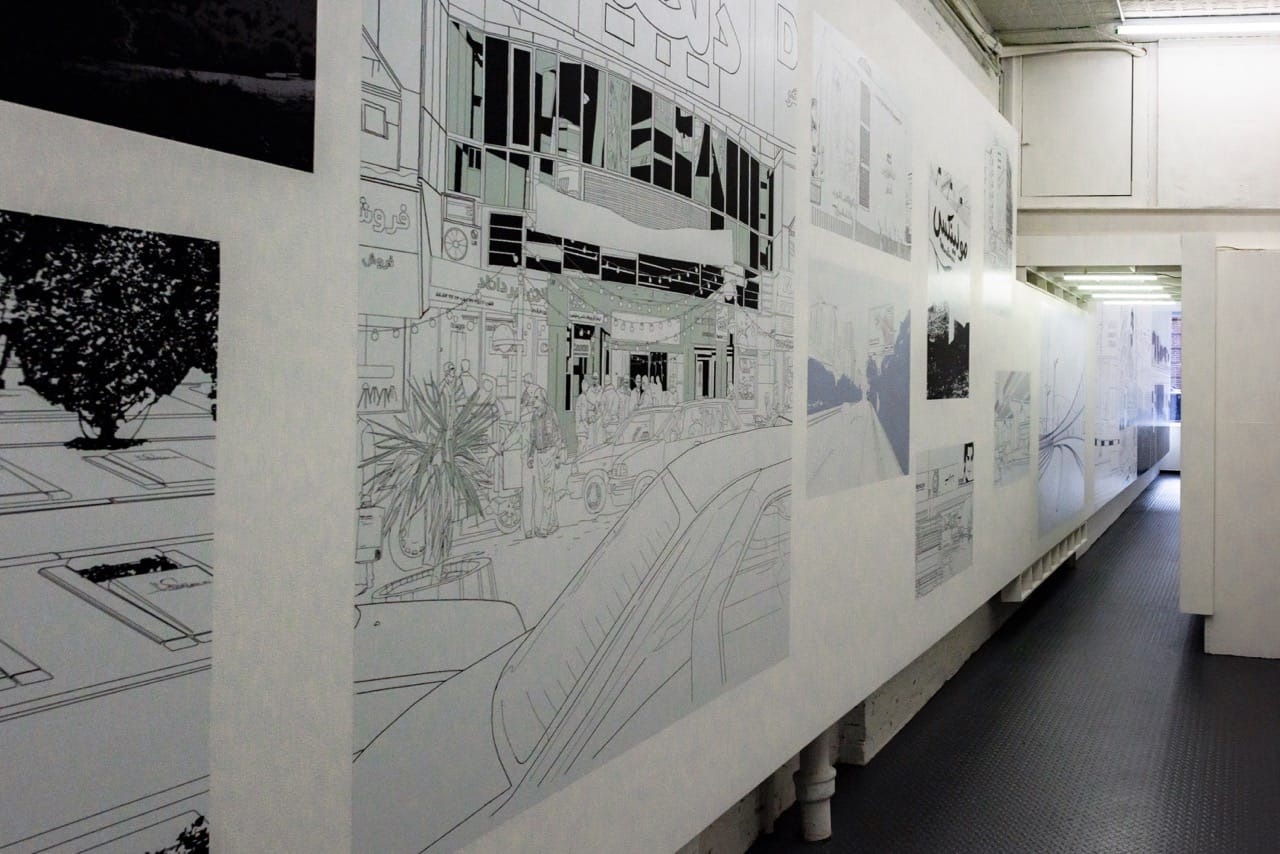
The Iranian artist Arash Hanaei had been working since 2008 on trying to grasp how a city can be a stable entity, a permanent place of residence. To do this, he has charted his native Tehran using digital drawings based on his own documentary photographs. These drawings reduce the landscape of the city to the barest minimum information Hanaei wants to convey to the viewer. Much of this is billboards offering propaganda or consumer goods, or glimpses of vehicular infrastructure, bridges and highways, or views of the city from within motorized vehicles. All of these elements impart a sense of the city as a kind of body with constant internal movement, in which visual advertising acting as a system of political and cultural messaging to the small entities that travel its arteries, like neurons passing along key bits of information. The avenues and street, billboards and vehicles are leached of color and vibrancy, almost everything the illustration of a process. This graphic quality of the drawings is visually jarring. Then, while Arash is traveling between cities, the November 2015 terrorist attacks in Paris happen.
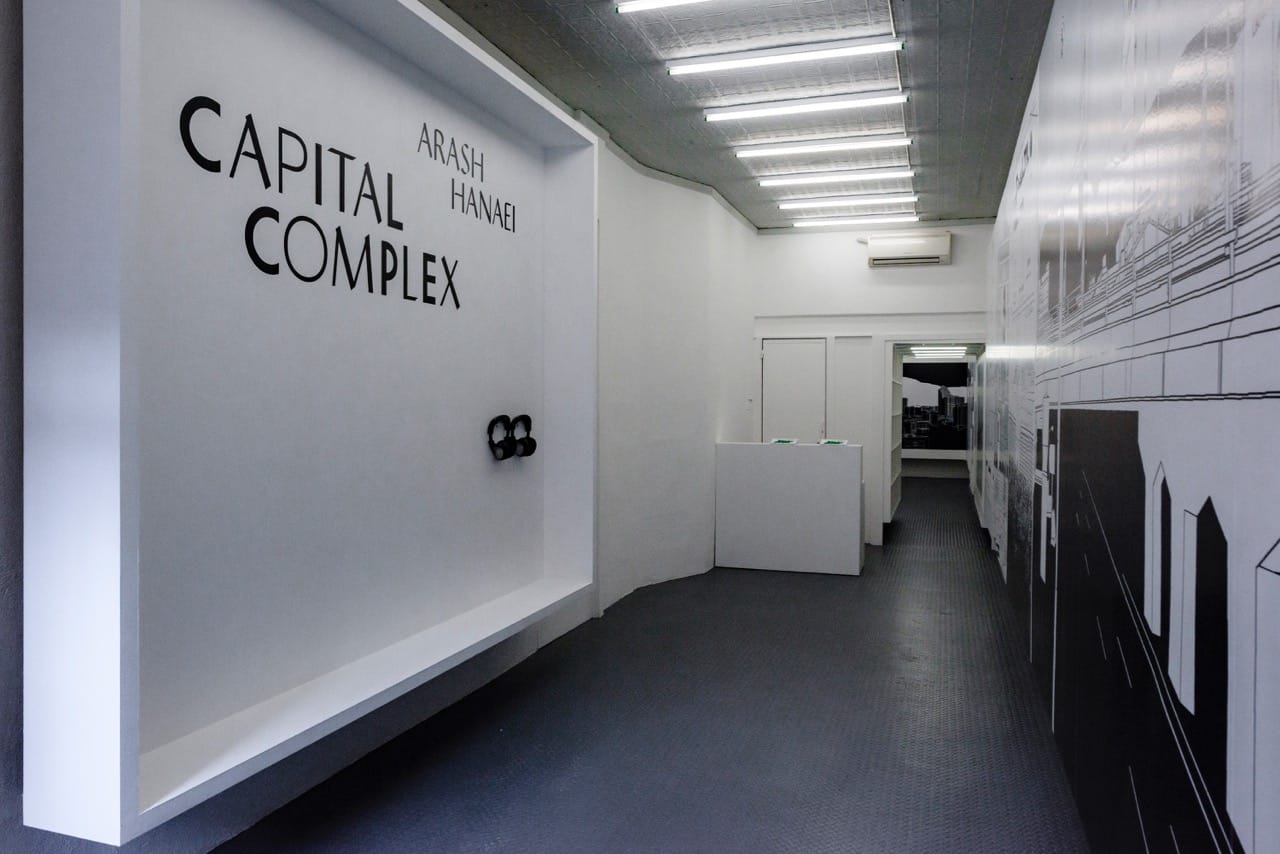
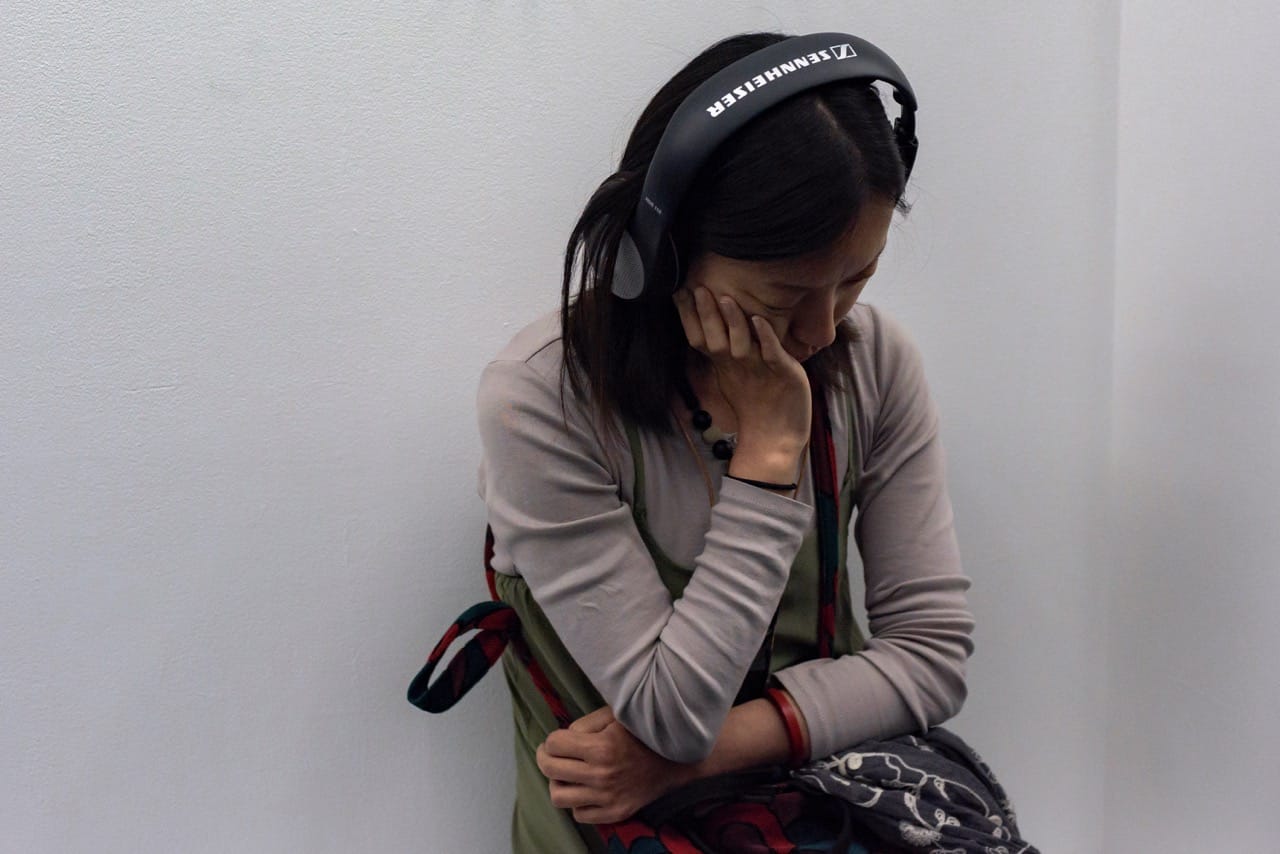
In his first solo show in the United States, Capital Complex, at Ludlow 38 (a contemporary art space extension of the Goethe Institut in New York), Hanaei relates through a diaristic audio recording his experience of returning to Paris the first day after attacks. The recording which one can listen to through headsets stationed in the gallery, give us deeper and more intimate information than the drawings do. If the drawings are schematics of a city, then the recording is a schematic of Hanaei’s emotional self trying to find purchase in another city. Hanaei says he had gone to Amsterdam to meet someone to discuss his upcoming art project in Tehran. Returning, he encounters his own misconceptions and obstacles thrown up by the state: he initially thought that where he was living would be calm because of the ethnic diversity of the neighborhood, but everyone is afraid and agitated. Then he finds out that his visa status was changed without his knowledge or consent to one which would not allow him to work in the city.
His accented voice, in contradistinction to the content of his account, is comforting to listen to. That quality helps to convey that as he says, his “relationship to Paris is more intimate because of the instability brought on by the terrorists.” Weighing this intimacy has inflected his work to make this exhibition as he says, “a psychographic exploration into social and personal relations.” Perhaps because Hanaei is now face to face with the transitory nature of life in the city of Paris, and by extension, his life in any other city, these personal relations become more crucial to him. He relates an email conversation he has with a friend, “M,” in which M says, “I don’t even know what kind of music you like. We shall get to know each other better before some fucking asshole terrorist shoots us.” Yes, that is the hope.
Arash Hanaei’s Capital Complex continues at Ludlow 38 (38 Ludlow Street, Lower East Side, Manhattan) through June 5.