An Unequal Artist Legacy Field Defines Who Gets to Be Remembered
A new report from the Joan Mitchell Foundation highlights deep structural issues affecting legacy work across the arts.


When Mikiko Ino, president and director of the New York nonprofit KinoSaito, lost her husband, the late abstract painter and the organization’s co-founder Kikuo Saito, she turned to the words he had often repeated.
“Kikuo always said there are two deaths: the first is physical, and the second is when nobody talks about you,” Ino recalled. “I decided to never give him the second death.”
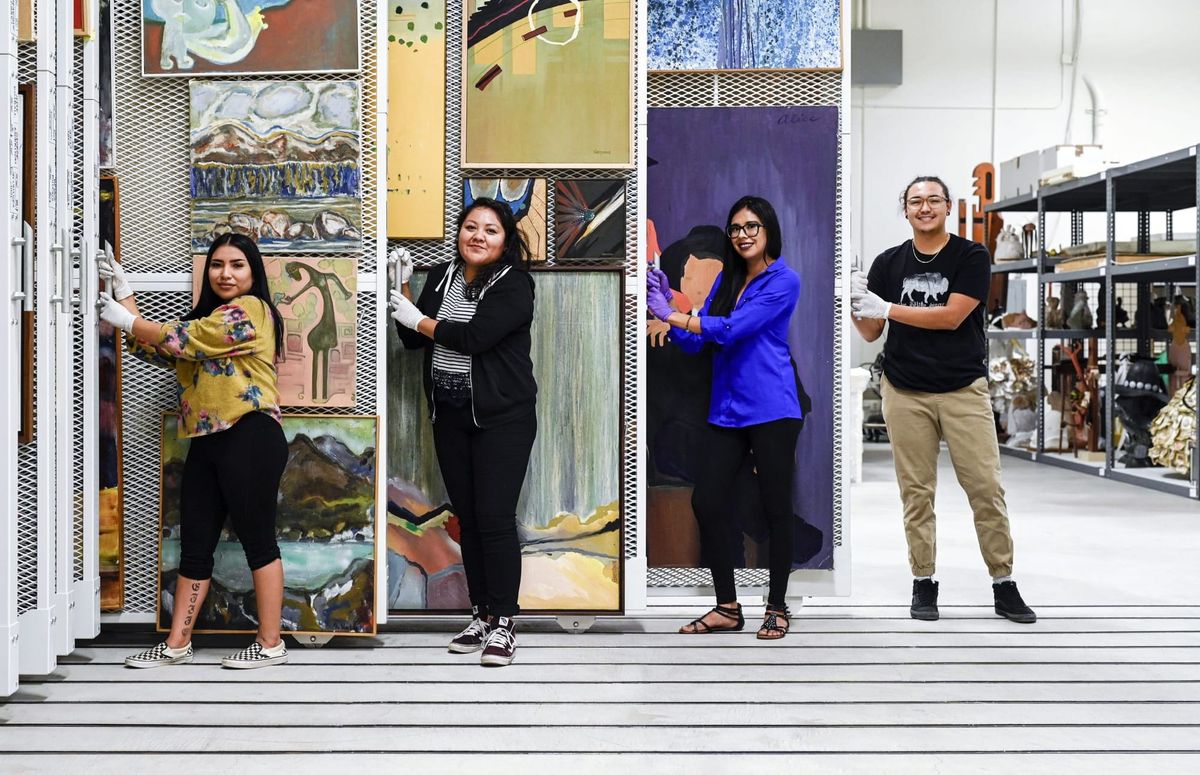
Ino’s story is one of many heartfelt, candid testimonies in a new report published by the Joan Mitchell Foundation, “Creating Future Memory,” which zeroes in on the obstacles, educational gaps, and structural inequities that dictate who gets to be remembered and how. A total of 145 artists, family members, curators, and other arts and legacy workers contributed to the 80-page report, published September 15, which outlines three primary challenges faced by those stewarding artist legacies: access to knowledge, funding and resources, and coordination and collaboration.
Co-authored by the Foundation’s Director of Artist Programs Solana Chehtman and art writer and DEI metadata consultant Sharon Mizota, a Hyperallergic contributor, the new research expands on the Foundation’s Creative a Living Legacy (CALL) program, which dates back to 2007.
Most urgently, the report sheds light on the state of the various systems that underpin artist legacy planning, which Chehtman describes as “deeply underdeveloped, underfunded, and oftentimes completely inaccessible to artists [and professionals] working outside the mainstream.”