ArtRx LA
LOS ANGELES — This week, a double-venue Robert Mapplethorpe retrospective opens, curator Selene Preciado discusses the role of the female pachuca in José Montoya's work, REDCAT hosts a two-day symposium on Immigration and Art, and more.
LOS ANGELES — This week, a double-venue Robert Mapplethorpe retrospective opens, curator Selene Preciado discusses the role of the female pachuca in José Montoya’s work, REDCAT hosts a two-day symposium on Immigration and Art, and more.

Robert Mapplethorpe: The Perfect Medium
When: Opens Tuesday, March 15 (Getty Center); Sunday, March 20 (LACMA)
Where: The Getty Center (1200 Getty Center Drive, Brentwood, Los Angeles); Los Angeles County Museum of Art (LACMA) (5905 Wilshire Boulevard, Mid-Wilshire, Los Angeles)
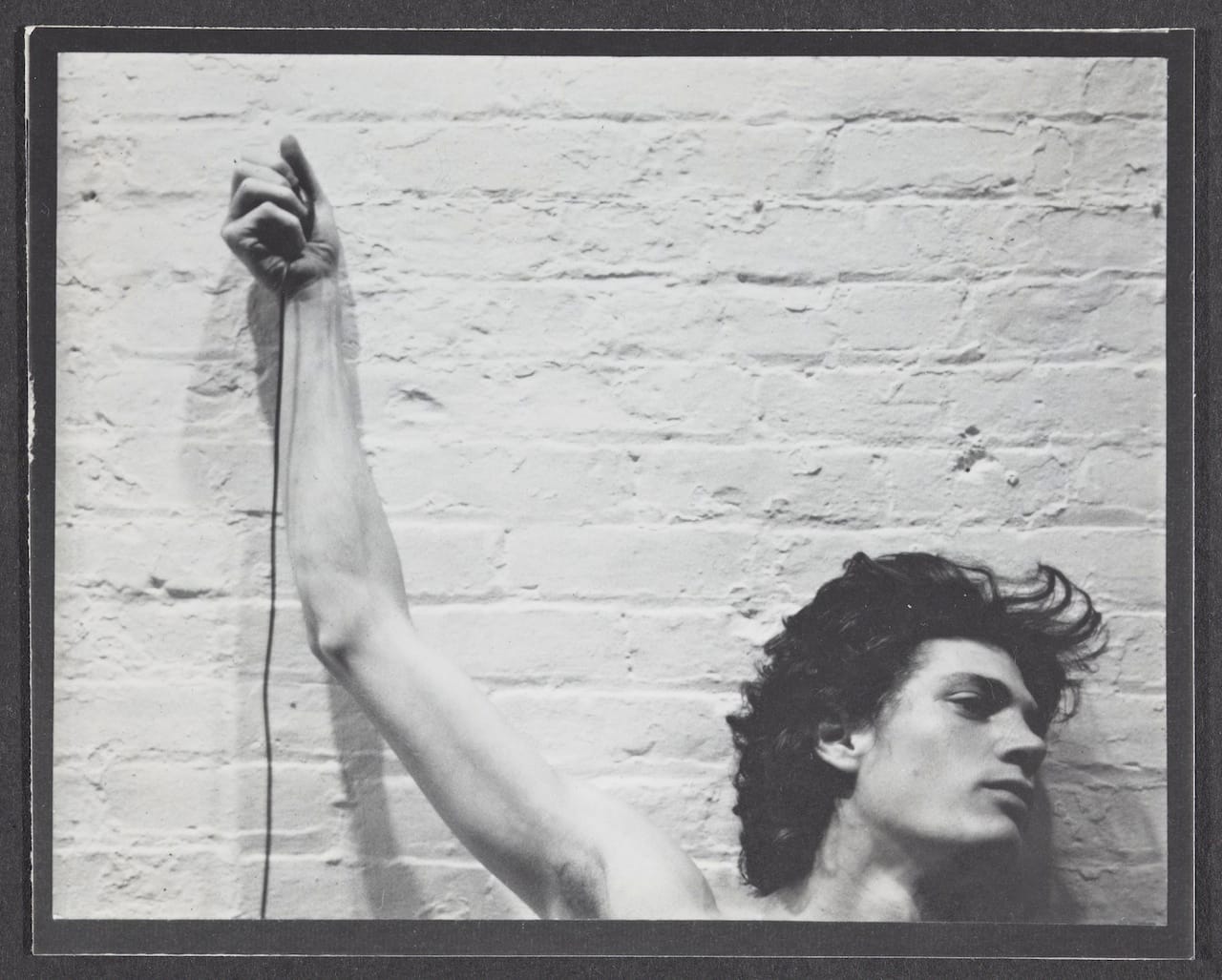
In a prolific career cut short by AIDS, Robert Mapplethorpe captured high society portraits, delicate photographs of flowers, and graphic S&M images, yet all his works are united by the relentless pursuit of photographic perfection. The Perfect Medium is a historic two-venue collaboration between The Getty Center and the Los Angeles County Museum of Art (LACMA) that covers the entire range of Mapplethorpe’s diverse output, including early, seldom-seen mixed-media works. Accompanying exhibitions serve to situate his work within the context of body-centered art of the 1980s, as well as the expansive photography collection of Samuel Wagstaff, Mapplethorpe’s lover and patron.
Ben Caldwell Film Screenings
When: Wednesday, March 16, 7–9pm
Where: Los Angeles Municipal Art Gallery (4800 Hollywood Boulevard, East Hollywood, California)
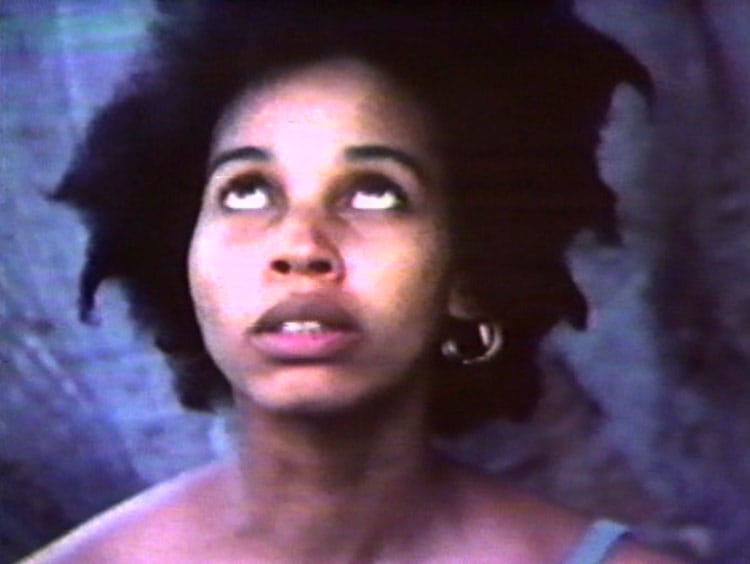
In conjunction with SKIN, an exhibition exploring race, identity, and politics, the Los Angeles Municipal Art Gallery presents a screening of two films by Ben Caldwell. Alongside Charles Burnett, Julie Dash, and Haile Gerima, Caldwell was part of the L.A. Rebellion, a group of African-American filmmakers who graduated from UCLA (University of California, Los Angeles) beginning in the mid-1960s. Made as his first project at UCLA, Medea (1973) is collage film that combines live action with still images of Africans and African-Americans, set to a reading of Amiri Baraka’s poem “Part of the Doctrine.” Caldwell’s 1979 film I&I incorporates elements of dramatic narrative, experimental cinema, and documentary to explore the community-centered concept of I&I, where there are no divisions between people.
Underground USA: Richard Kern Night
When: Wednesday, March 16, 8pm
Where: The Cinefamily (611 North Fairfax Avenue, Fairfax District, Los Angeles)
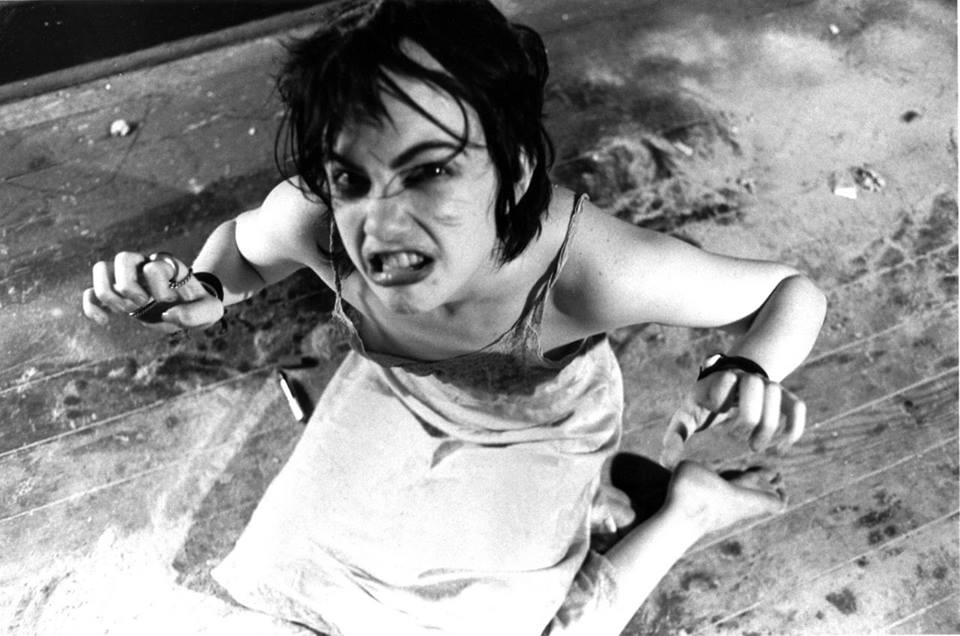
Before becoming well-known for his contemporary erotic photography, Richard Kern was central figure in the Cinema of Transgression of the 1980s. Starring fellow downtown New York artists and musicians like Lydia Lunch, Nick Zedd, David Wojnarowicz, Karen Finley, and Kembra Pfahler, Kern’s Super-8 short films were lo-fi, subversively punk, and darkly comic. As Anthology Film Archives notes, “Kern’s films remain shocking, sexy, disturbed, debauched, violent, and really quite wonderful.” As part of its Underground USA festival, Cinefamily presents a program of Kern’s short films, alongside an exhibition of his early photography, followed by a Q&A with Kern and Apology magazine editor Jesse Pearson.
Immigration: Art/Critique/Process
When: Thursday, March 17–Friday, March 18
Where: REDCAT (631 West 2nd Street, Downtown, Los Angeles)
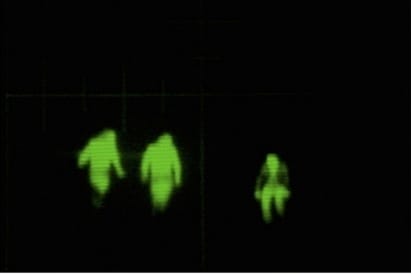
As the art world becomes increasingly globalized, issues of identity, migration, and territory have taken on special significance. Immigration: Art/Critique/Process is a two-day symposium that aims to explore how these topics intersect with art, culture, and technology, through a program of discussions, films, and performances. Presenters include Claire Colebrook, Nonny de la Peña, Michael Ned Holte, Ruth Estévez, Pilar Tompkins Rivas, Yoshua Okón, and many others.
Culture Fix: Selene Preciado on the Pachuca and José Montoya
When: Friday, March 18, noon–1pm
Where: Fowler Museum (UCLA North Campus, Westwood, Los Angeles)
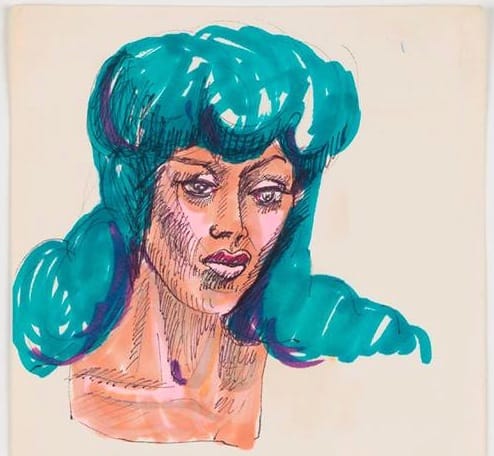
José Montoya’s Abundant Harvest is an exhaustive survey of over 2,000 works by this Chicano artist, poet, and activist who captured the struggles and vitality of Latino life in the fields and barrios of California. A recurring motif in his work was the sharply dressed, zoot-suited pachuco. “This was their way of saying, ‘We are not lazy dirty Mexicans. It takes work to look this classy,'” he recalled in a video clip. In conjunction with this exhibition, curator Selene Preciado will discuss the role of the female pachuca in his work as a symbol of cultural rebellion.
Julian Schnabel: Infinity on Trial
When: Opens Friday, March 18, 6–8pm
Where: Blum & Poe (2727 South La Cienega Boulevard, Culver City, California)
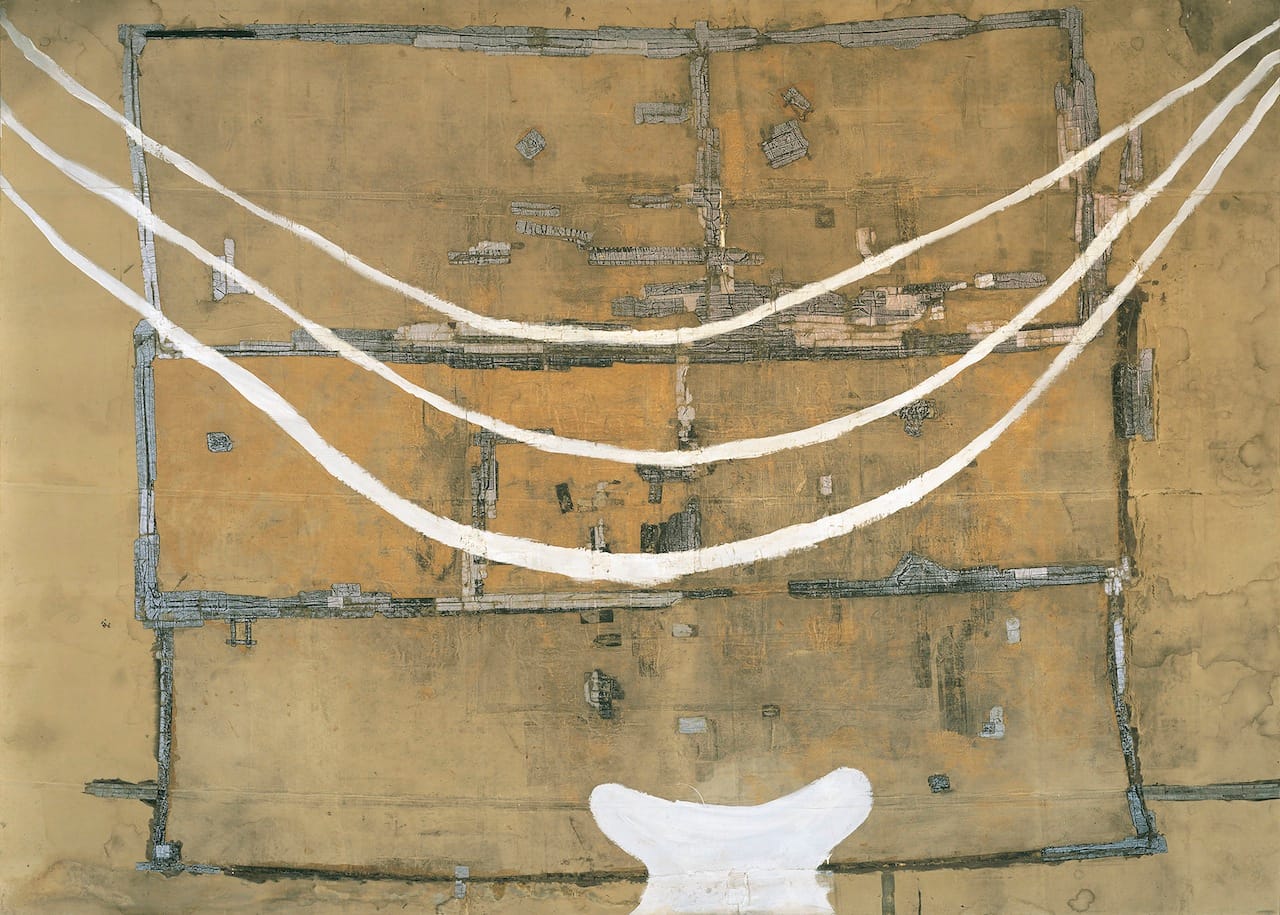
Emerging in the late 1970s with large-scale paintings on cracked ceramics, Julian Schnabel rapidly established himself as a seminal member of the ’80s Neo-Expressionist movement. His works are big, bold, brash, and visceral — everything that the previous decade’s conceptual and minimalist strategies were not. Infinity on Trial, Schnabel’s first solo show with Blum & Poe, is a tight overview of his oeuvre, presenting 12 paintings and 40 drawing spanning four decades. The exhibition aims to elucidate Schnabel’s historical significance and argues for his continuing relevance to a younger generation of painters.