
Opinion
Donald Trump Brings Back “Degenerate Art”
The president’s obsession with cultural control is evidence of a continued fascist creep, and not just another joke exercise in narcissism.

Ed Simon is Public Humanities Special Faculty in the English Department of Carnegie Mellon University, a staff writer for LitHub, and the author of Devil's Contract: The History of the Faustian Bargain (2024).

Opinion
The president’s obsession with cultural control is evidence of a continued fascist creep, and not just another joke exercise in narcissism.
Book Review
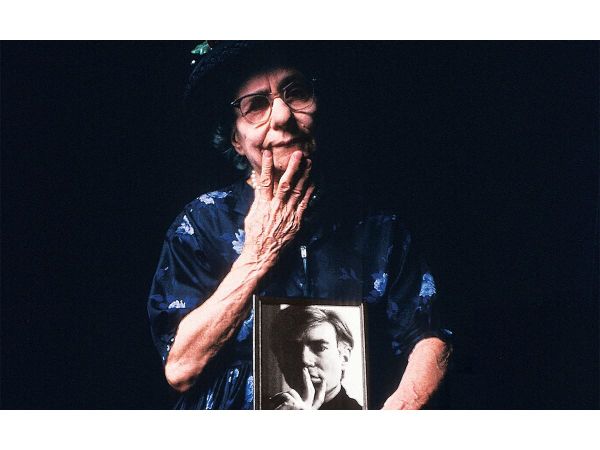
The calligrapher, illustrator, and mother to Andy Warhol lived with her son in New York City for decades, supporting and even collaborating with him on artistic projects.

Opinion
The burning of large areas in the city suggests the dusk of America as a dream manufacturer, and the beginnings of a darker story.

Art
Jacopo Ligozzi gave visual expression to the developing myth of empirical objectivity, of being able to successfully collect, measure, analyze, and categorize.

Opinion
The authorities inadvertently transformed a perp walk photo of the accused killer of a healthcare CEO into a Renaissance painting of the arrest of Christ.
Art
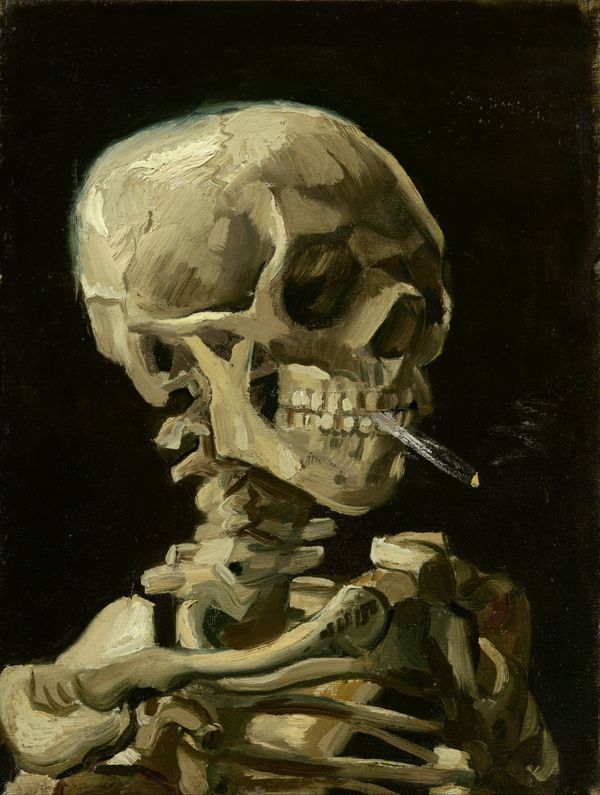
Memento moris remind us that death is inevitable, nothing afterward is assured, and what we do in that crack of light between oblivions is our responsibility.
Art
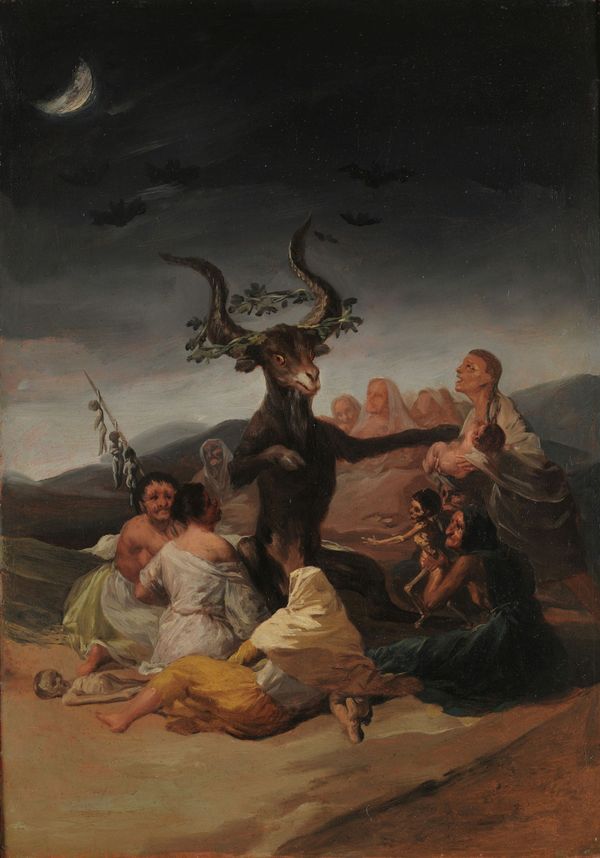
Launched on October 31, 1517, the Protestant Reformation broke not just with the Catholic Church but with all that’s dark and demonic, wanton and witchy.
Books
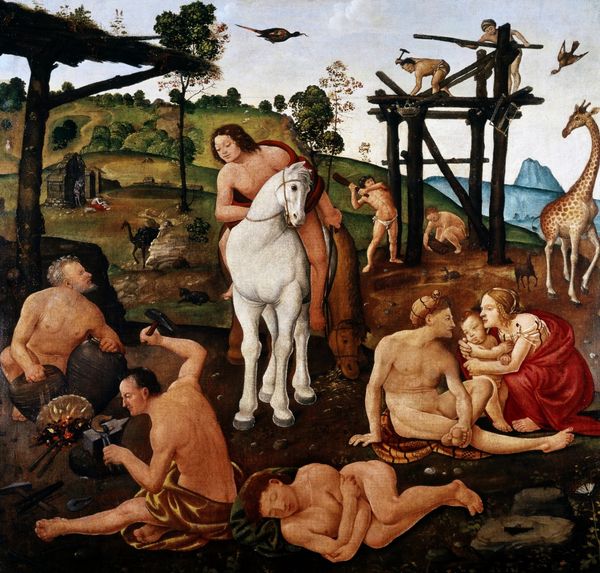
A new book provides an ideal introduction to a Renaissance painter largely known only to specialists, but who was counted among the most important of his generation.
Art
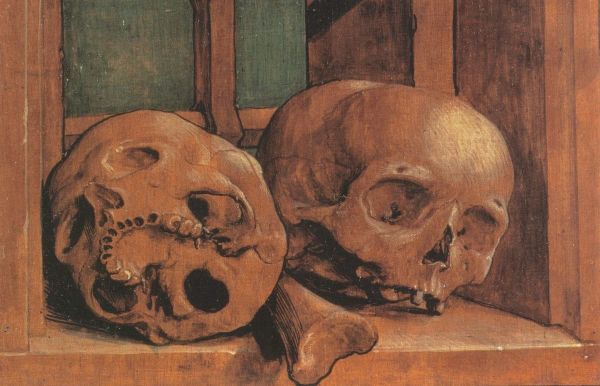
Death, in the artist’s imagination, is the oblivion that spares no one, regardless of what you have or haven’t done, regardless of who you are.
Art
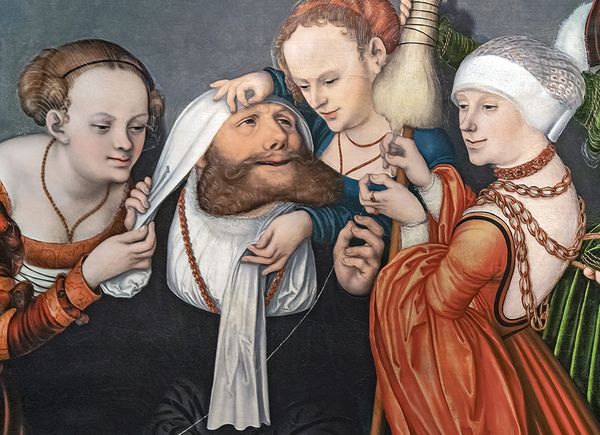
The artist would develop a distinctly Protestant imagery that replaced sacredness with utility, functioning essentially as propaganda minister for Martin Luther.
Art
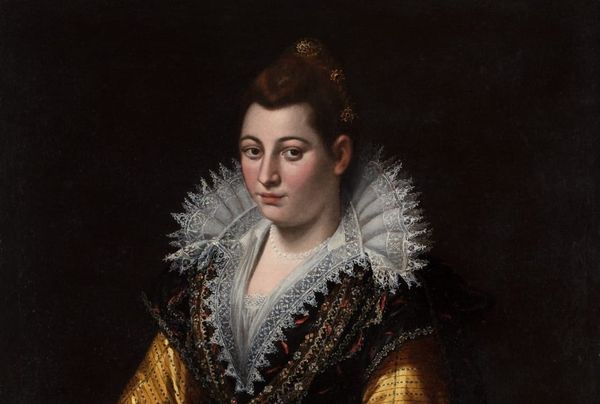
The first woman to make her living from painting captured herself and other women in the ways they wished to be perceived.
Opinion
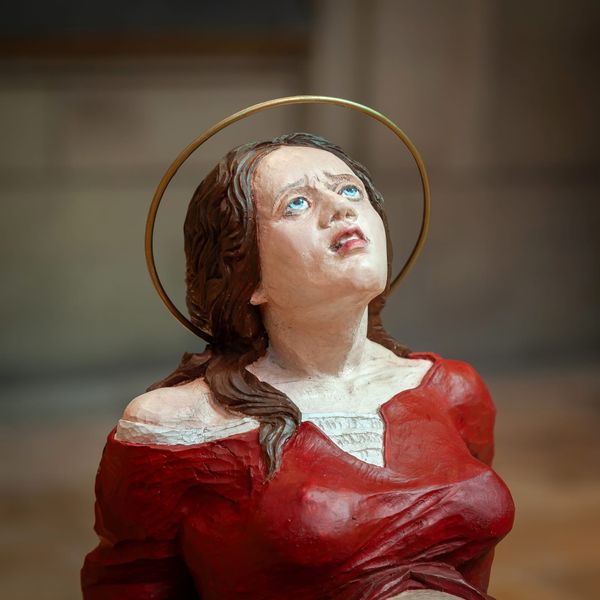
The vandal who beheaded Esther Strauss’s sculpture of the Virgin Mary in labor disregarded centuries-old depictions of the mother of God as just a mother.