
Art
At Roulette, a Performance About Growing Up
Ellen Fisher's performance Time Don't Stop for Nobody, taking place March 23 at Roulette, asks four performers to exchange their experiences of growing up.

Elisa Wouk Almino is a senior editor at Hyperallergic. She is based in Los Angeles. Follow her on Twitter and Instagram [https://www.instagram.com/ewoukalmino/?hl=en].

Art
Ellen Fisher's performance Time Don't Stop for Nobody, taking place March 23 at Roulette, asks four performers to exchange their experiences of growing up.
Art
In performances held March 9–11, the Bureau for the Future of Choreography is asking audiences to consider “the choreographies of our democracy.”
Art
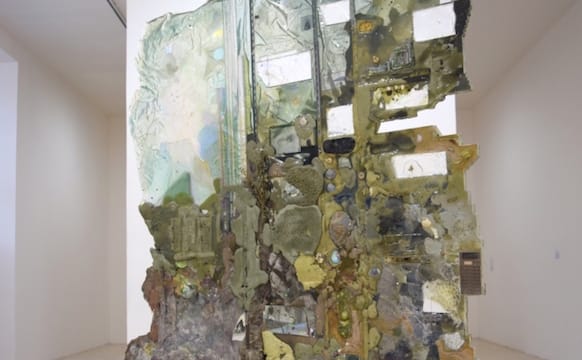
On March 8, art conservator Thea van Oosten will give a talk at the Institute of Fine Arts on the obstacles in preserving plastic art and design objects.
Art
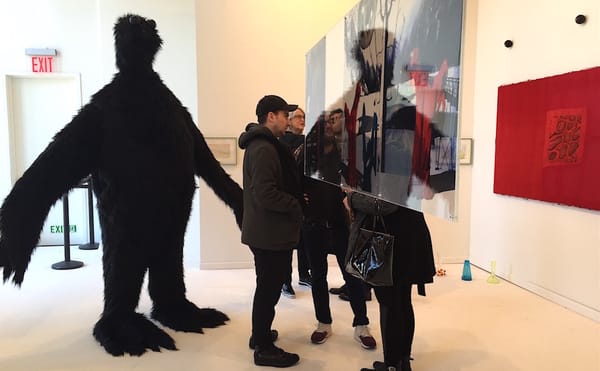
This year, the visions at the Independent Art Fair were multiple, with some galleries dedicating their booths to outsider and unknown artists, as well as work that is a bit more playful.
Art
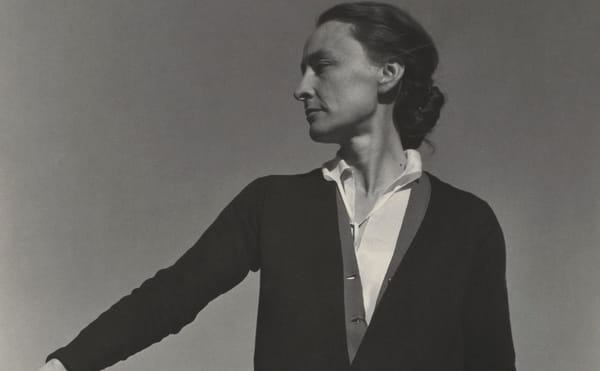
Opening March 3, the exhibition Georgia O’Keeffe: Living Modern examines how the artist expressed her persona through fashion and photography.
News
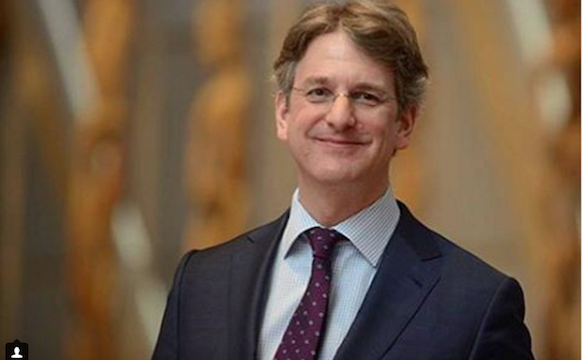
The Metropolitan Museum of Art's director and chief executive Thomas P. Campbell resigned today after eight years serving the position.
Art
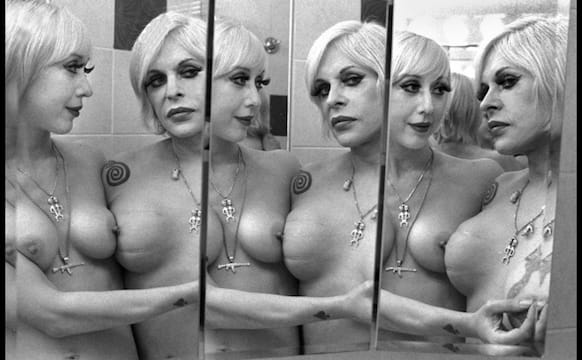
In a lecture at MoMA PS1, Genesis Breyer P-Orridge will trace how their beginnings in the music scene helped them to shatter preconceived notions of gender.

Art
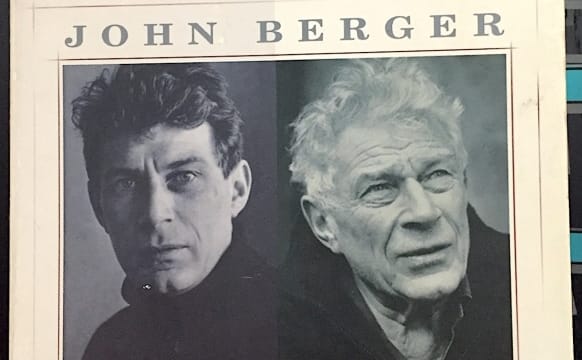
Hyperallergic editors Jillian Steinhauer and Elisa Wouk Almino have organized a tribute to John Berger on Monday, February 20.

Art
In the first footage discovered showing Marcel Proust, he speedily descends a staircase at a wedding.
Art
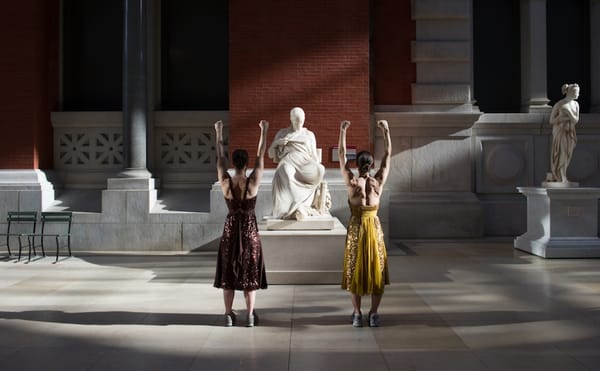
In the writer and illustrator Maira Kalman's latest project, she narrates a morning workout at the Metropolitan Museum of Art that exemplifies her digressive spirit and openness to new ideas.
Art
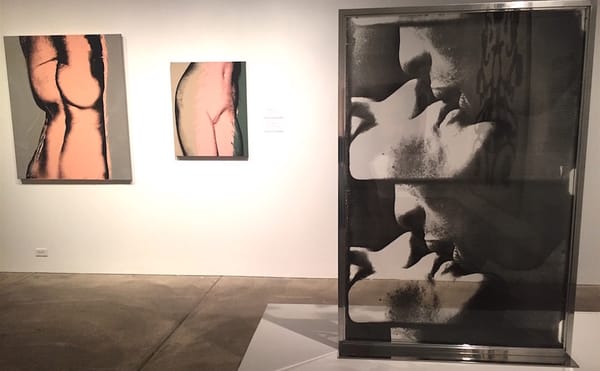
My Perfect Body makes plain Warhol's self-conscious relationship to his own body and fascination with others.
Art
Berger's art criticism succeeds because of its tangibility — it is grounded in human experience, historical events, and the physical artworks.