Interview
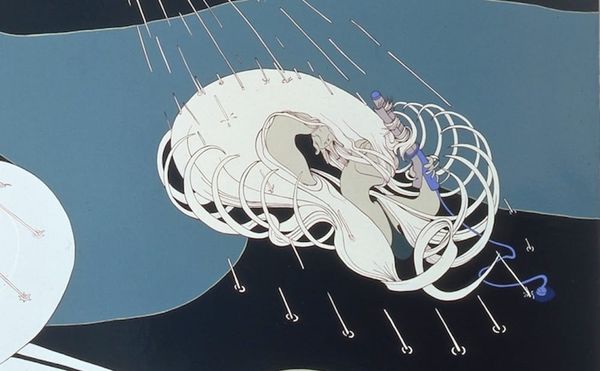
Beer with a Painter: Steve Mumford and Inka Essenhigh
Essenhigh and Mumford — who live together and work in adjoining studios on the Lower East Side — are unafraid to make declarations about what motivates the other.

Jennifer Samet is an art historian based in New York City and the Hudson Valley.
Interview
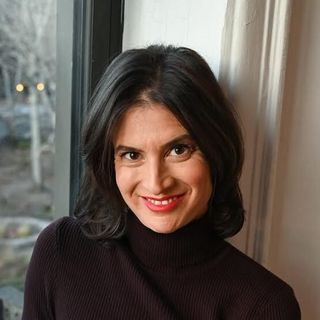
Essenhigh and Mumford — who live together and work in adjoining studios on the Lower East Side — are unafraid to make declarations about what motivates the other.
Interview
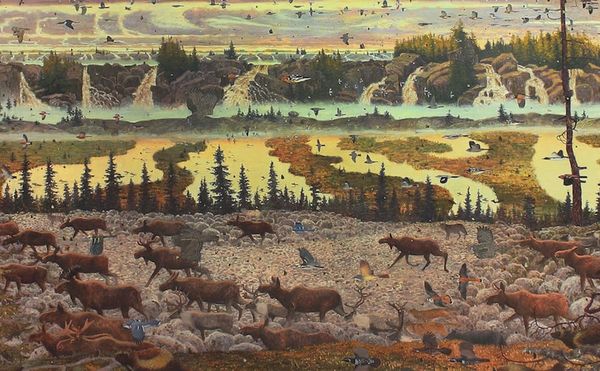
Uttech tells stories through the metaphoric possibilities of paint.
Interview
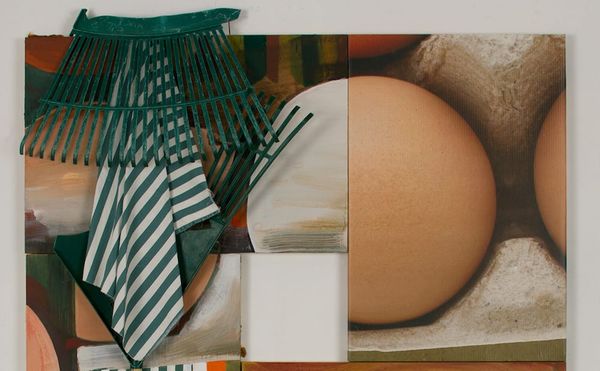
An artist couple talks about paintings with a punch line and a street full of rats.
Interview
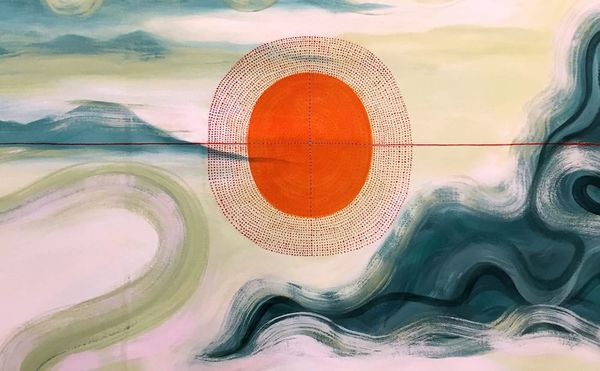
The forms in Emily Cheng’s paintings are suggestive of the most primary elements: the landscape, the body, and religious iconography.
Interview
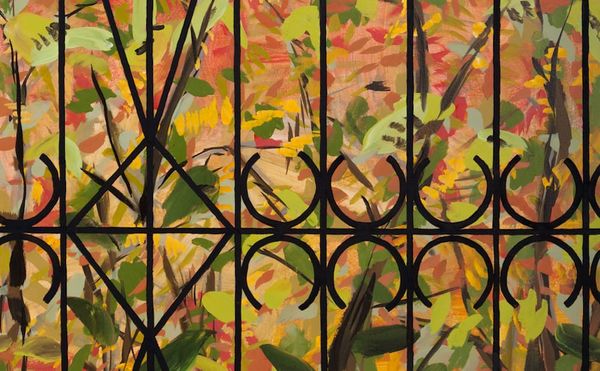
The cozy studio environment and the casual, gonzo aesthetic of the ceramic objects, not to mention Wackers’s personality, may bely how technically precise and complexly orchestrated his paintings are.

Art
Matter was a believer in the possibility of channeling a total, magical presence – even if it meant destroying a work or never completing it.
Interview
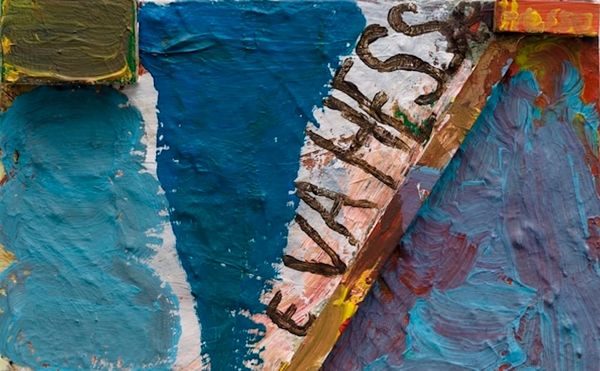
Acheson does not care about trading niceties or being ingratiating. He would rather propose and debate philosophical ideas.
Interview
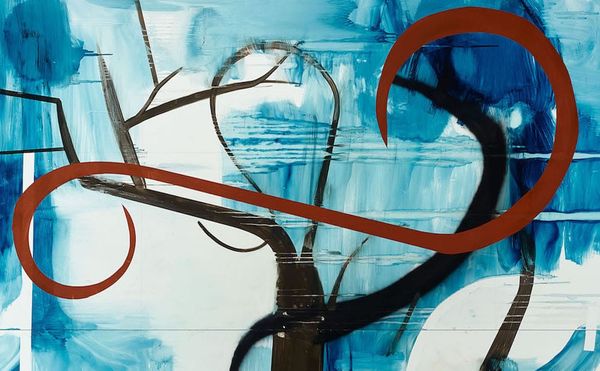
The long-reigning bad boy of German painting has consistently poked and prodded at whatever preciousness we associate with the medium.
Art
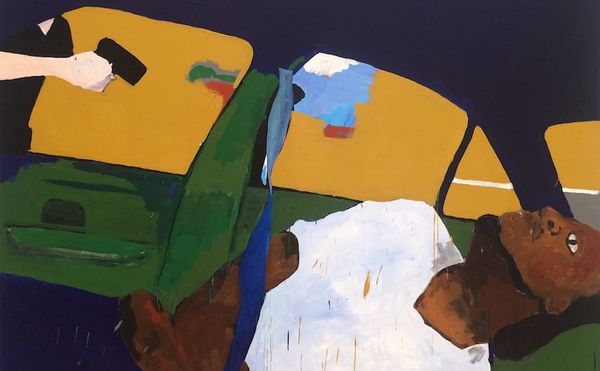
This year, the Whitney Biennial includes plenty of painting. And — for the most part — the painting is on message. It’s eccentric figuration with political content.
Interview
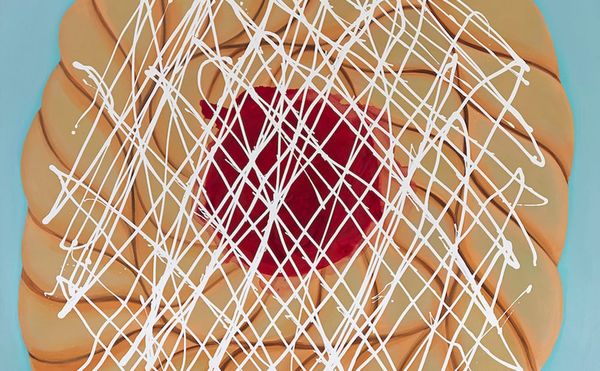
Coates’s recent work depicts food: spaghetti and meatballs, sprinkle cookies, and s’mores. Her work is about matter and viscosity, but it is also rooted in grid-like structures, repetitive mark-making, and very sophisticated paint handling.
Interview
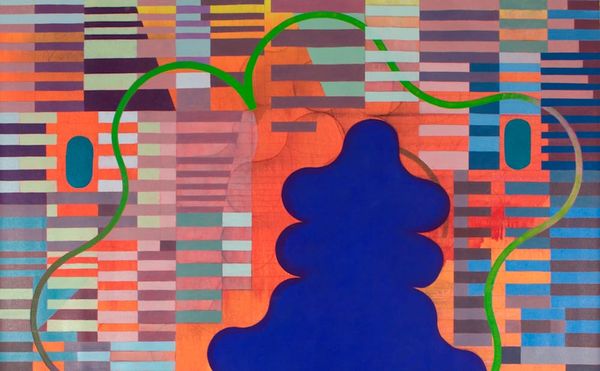
Painters who lived and exhibited in New England, like Jake Berthot and Porforio DiDonna, are highly represented. They, like Stockwell, have straddled the line between tough material abstraction, nature, and the figure.
Interview
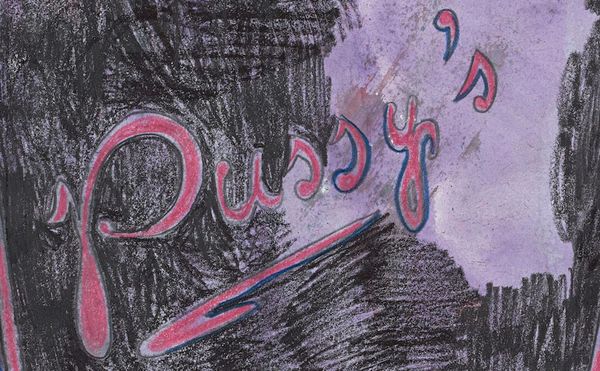
Tal R talks about “watching” paintings — not just looking at them. It might be a language tic, but it also feels specific.