Art
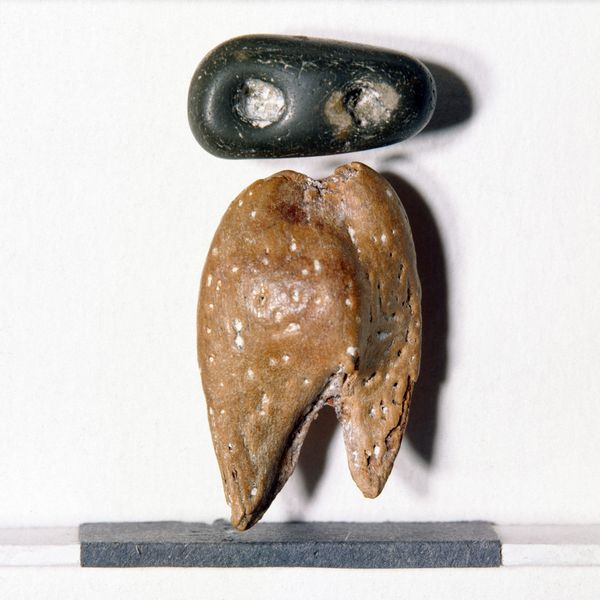
The Almond and Pebble That Inspired a Joan Miró
The two objects, now in the archive of the Fundació Miró Mallorca, inspired a six-foot-tall sculpture.

Lauren Moya Ford is a writer and artist. Her writing has appeared in Apollo, Artsy, Atlas Obscura, Flash Art, Frieze, Glasstire, Mousse Magazine, and other publications.
Art
The two objects, now in the archive of the Fundació Miró Mallorca, inspired a six-foot-tall sculpture.

Books
William E. Wallace excavates a lesser-known but crucial final chapter of the artist’s approximately 75-year career.
Books
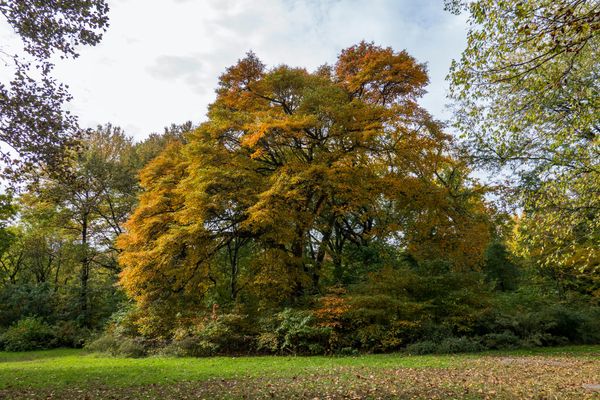
Part botanical history, part social history, Allison C. Meier’s map provides a welcome alternative route through New York’s urban jungle.
Books
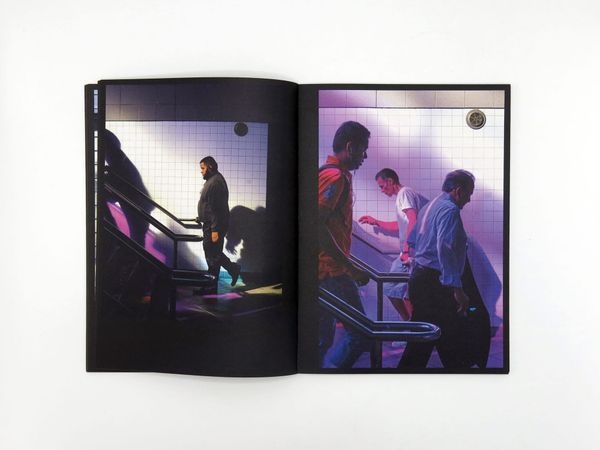
David Rothenberg photographed passersby between 2019 and March 2020 at a subway station in Jackson Heights, Queens.
Books
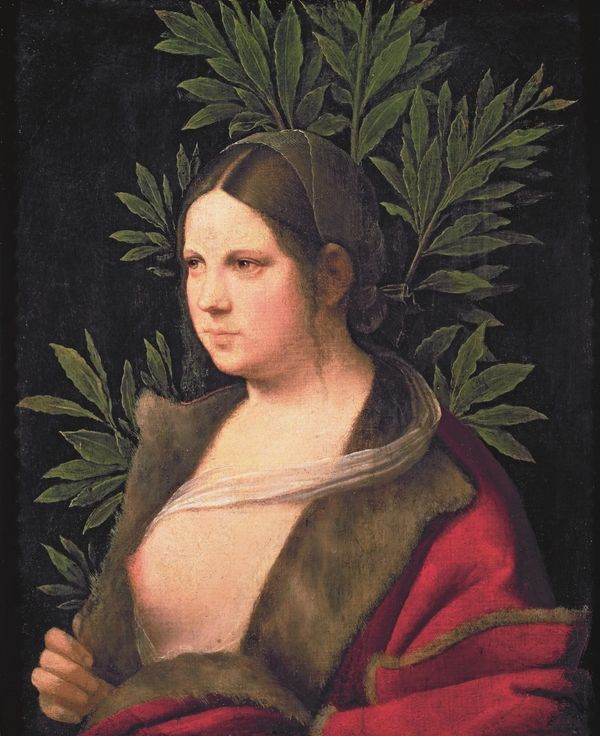
We know precious little about the painter’s life, and we know even less about his work’s meaning. A new book argues that the artist wanted it that way.
Art
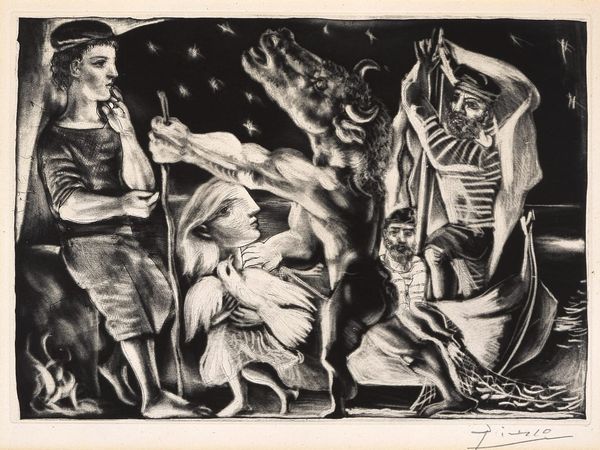
“If you’re going to do art history,” Steinberg declared, “you’d better know what your artists were looking at. And that has to include prints.”
Art
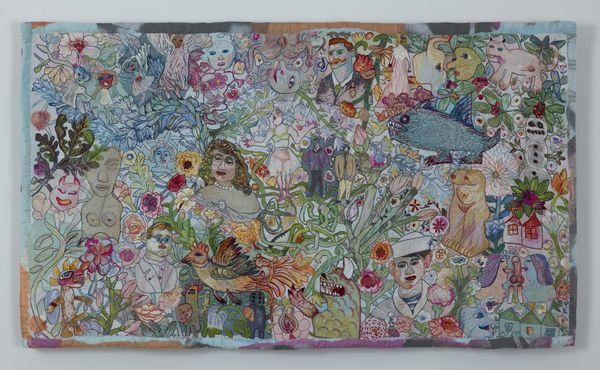
Inspired by children’s drawings, Hungarian folklore, and medieval legends, Torma’s playful, hand-sewn worlds are engrossing.
Books
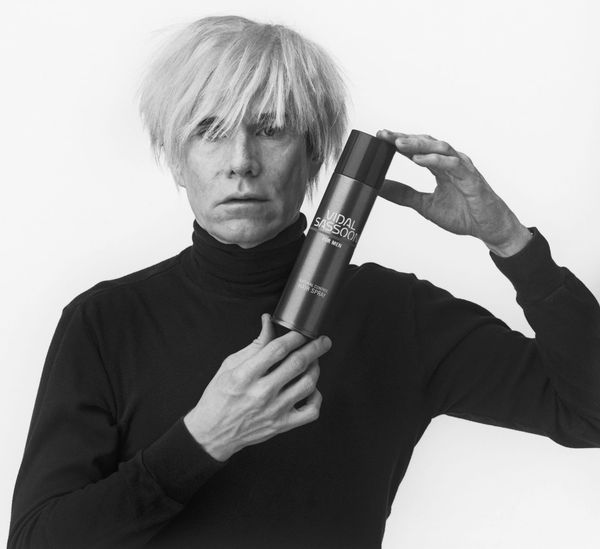
"The Wig: A Hairbrained History" explores the wig as a tool for gender bending, seduction, and disguise in a collection of fanciful short essays.
Art
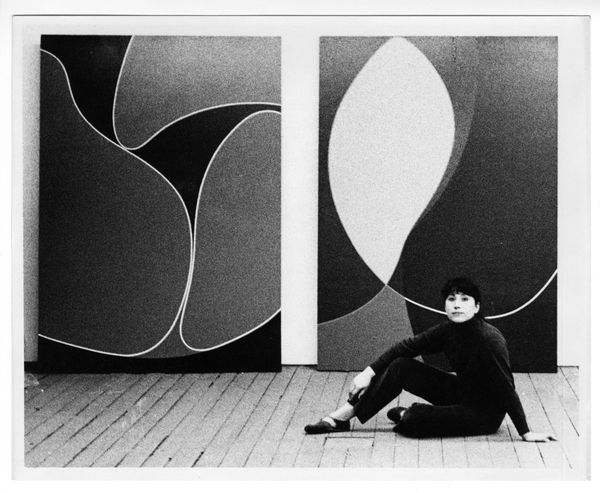
Despite a career spanning six decades, Jaramillo’s rigorous, original work has largely been overlooked by museums and markets — until now.
Art
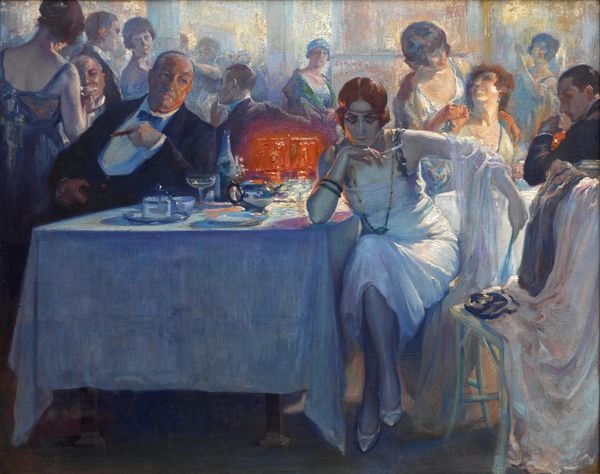
"Uninvited Guests" looks at sexism in Spain during the late 19th and early 20th centuries, and at the museum’s own essential role in perpetuating it.

Art
Ramirez identified as a conceptual artist, but unlike his peers, his work is “filled with a deep and palpable humanity.”
Books
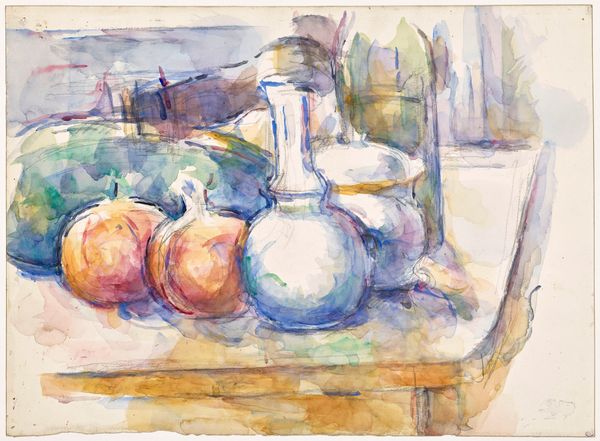
Watercolor: A History features over 300 dazzling, full-color illustrations, all specially printed on Munken paper to capture the intensity and texture of the original works.