Interview
This Is the Year We Redefine Art Institutions
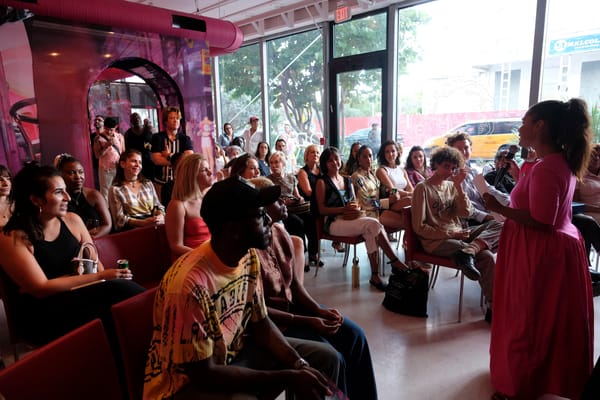
I sat down with curator eunice bélidor and arts administrator Dejha Carrington to discuss what have become reductive ideas about the role of art museums, my own included.

Lise Ragbir is a curator and writer on immigration, race, and culture. She was born and raised in Montreal, and now makes her home in Austin, Texas.
Interview
I sat down with curator eunice bélidor and arts administrator Dejha Carrington to discuss what have become reductive ideas about the role of art museums, my own included.
Opinion
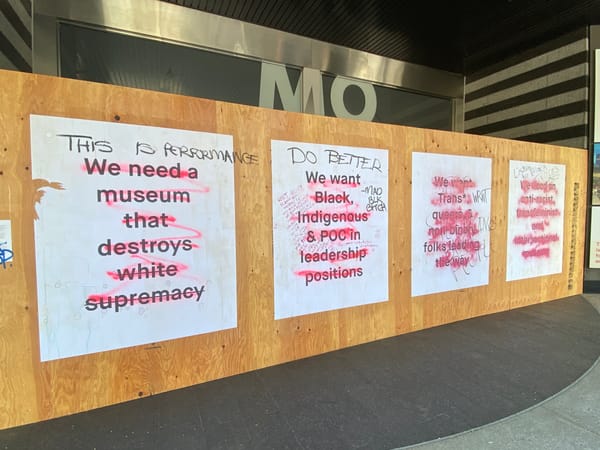
Even if DEI dies, arts organizations should still move toward the accessibility that has always been at the core of the effort. Here’s how.
Opinion
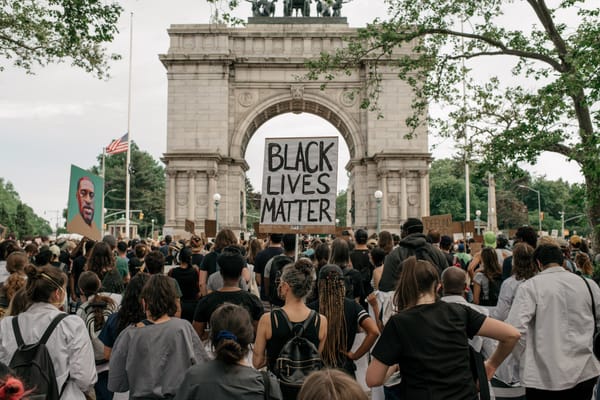
Tips for arts organizations on how to get it right through times of inequity and unrest.
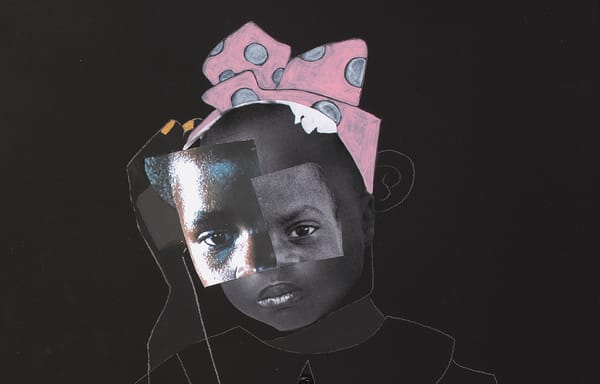
Interview
“You think you’ve been hired because you’re the right person. But once you're inside, you realize you’re not the right fit,” says curator eunice bélidor.
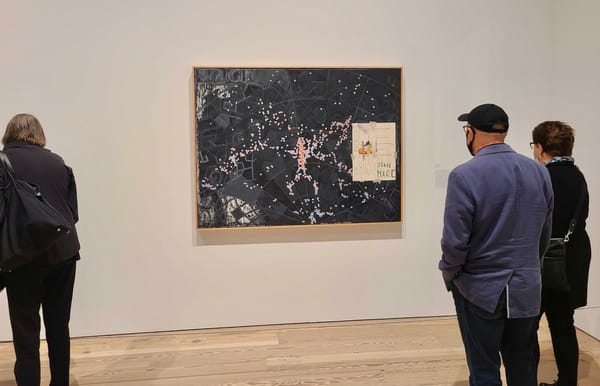
Opinion
A story about a kidney and the drawing of a knee bring up age-old arguments about plagiarism and appropriation.
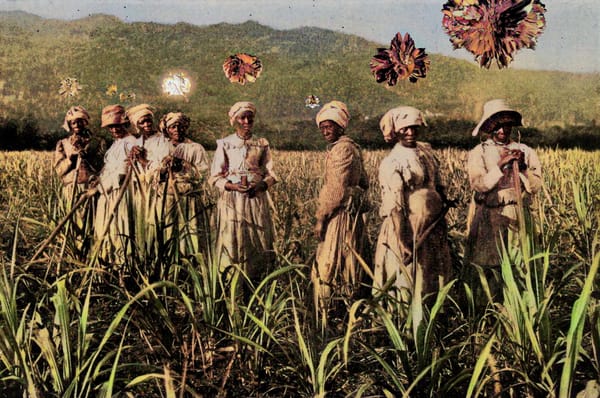
Opinion
By cutting, reframing, and layering, artists, including Rodell Warner and Alanna Fields, encourage a re-viewing of the past.
Interview
“We need to keep reassessing where we get our data from to understand how the narrative is shaped. And how it shapes us,” says Jackson.
Art
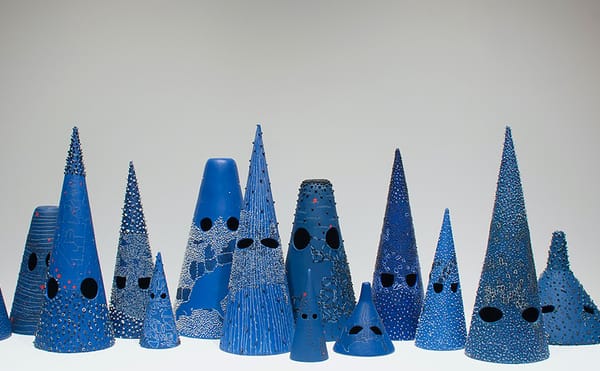
For better or worse, words like “proud,” “unapologetic,” and “resilient” have come to define Texans, and these words and this attitude also define a spectrum of Black artists who are from, or have lived in, Texas.
Opinion
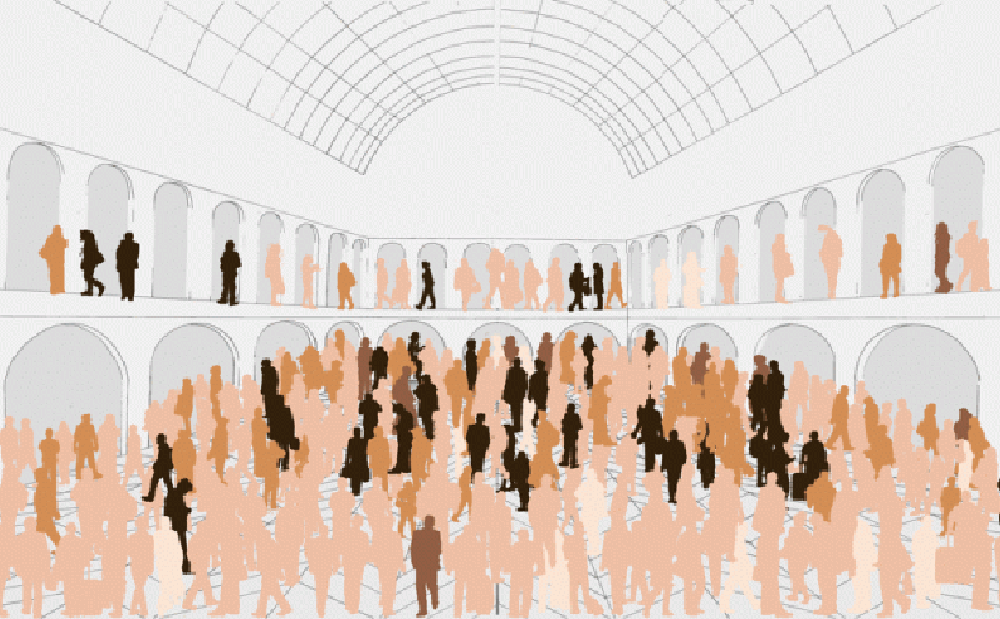
We’ve seen an increase in online programming as museums close to contain the spread of the novel coronavirus. One arts administrator ponders how we can maintain this accessibility, and how it is colored by race and class.
Opinion
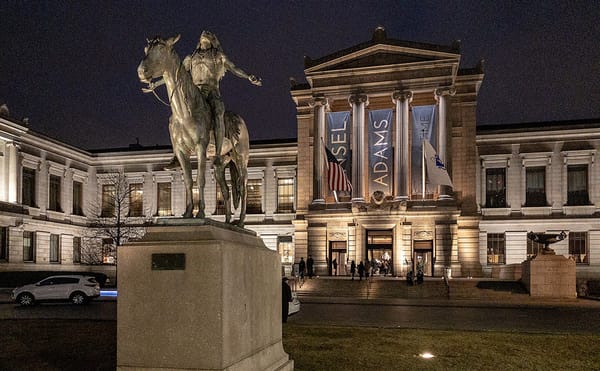
Racist incidents like the one that targeted school children at the Boston MFA are neither the beginning nor the end. They underscore the museum world's frequent failure to serve marginalized communities.

Opinion
It’s clear: We need space for new narratives. But how far will we get if the space-making rests in the hands of the colonizers?
Opinion
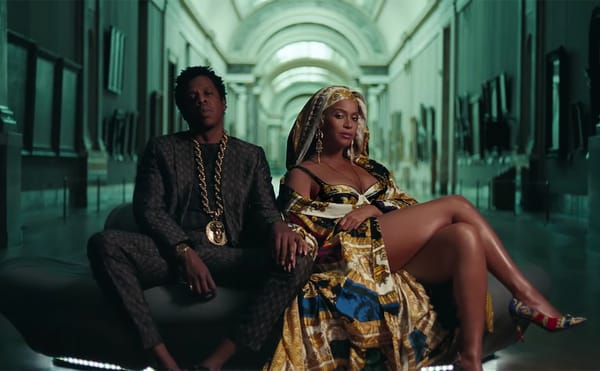
The "Apeshit" video is important because people of color rarely have the opportunity to claim such spaces, but it also perpetuates the dangerous notion that art is a luxury.