Art
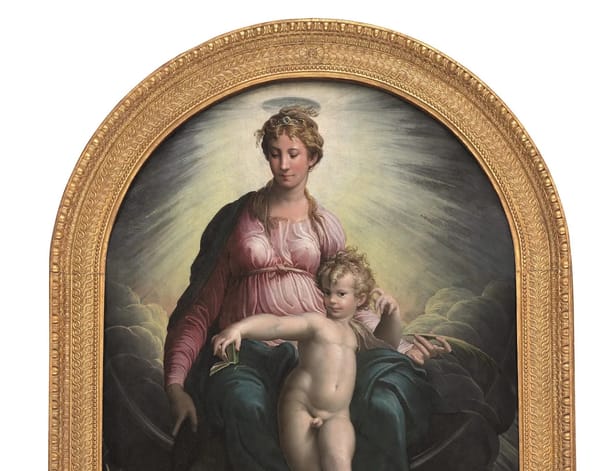
The Visions of Parmigianino
The artist’s career in Rome was curtailed by the sacking of the city in 1527 by the armies of Charles V but they were so impressed by his visionary painting that they spared his life.

Michael Glover is a Sheffield-born, Cambridge-educated, London-based poet, art critic, and poetry editor of The Tablet. He has written regularly for the Independent, the Financial Times, and the Economist, and was a London correspondent for ARTNews.
Art
The artist’s career in Rome was curtailed by the sacking of the city in 1527 by the armies of Charles V but they were so impressed by his visionary painting that they spared his life.
News
The artist rendered portraits and scenes of the streets of north London with a life-affirming spirit and no evidence of frivolousness.
Art
The late British artist certainly had no sympathy for the idea — or perhaps the misplaced ideal — of the perfectly crafted sculptural object.
Books
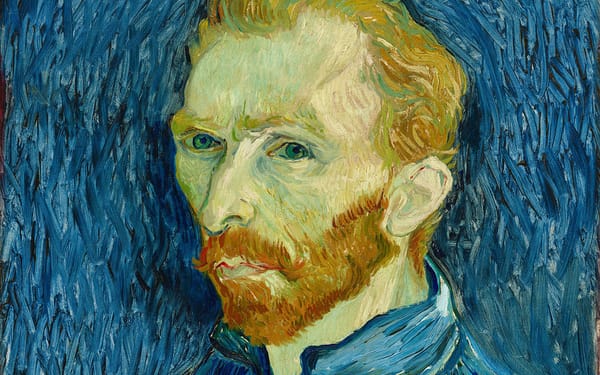
What started as a catalog essay about van Gogh’s little-known passion for poetry became a suite of poems for the Dutch painter.
Art
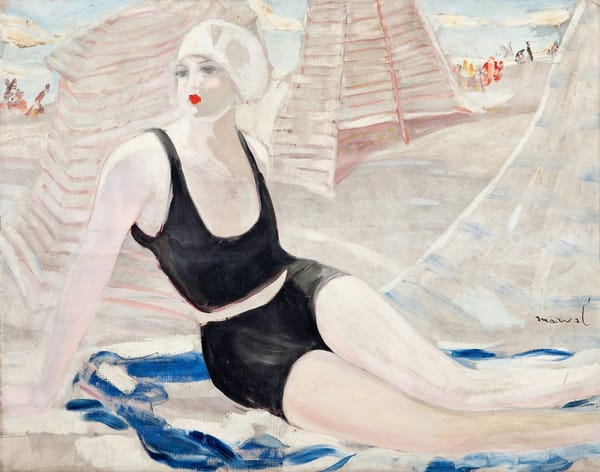
Paris 1924: Sport, Art and the Body sets its focus on issues that emerge from athletes being displayed as heroic on the world’s stage.
Art
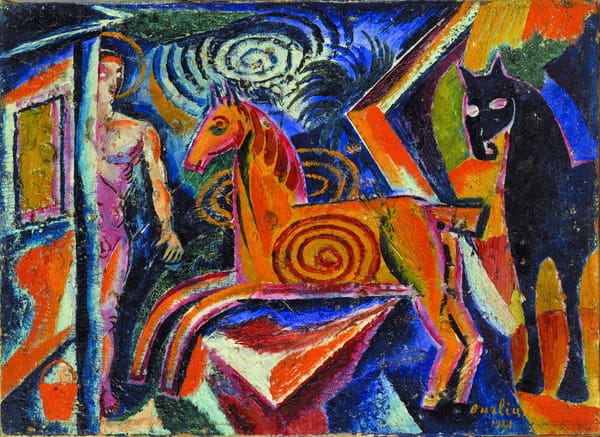
In the Eye of the Storm conveys how Ukraine came to be a thriving center of avant-garde art in the early decades of the 20th century.
Art
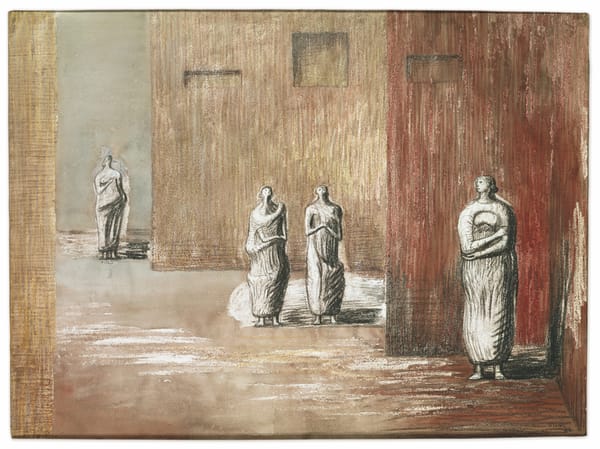
Moore’s drawings made in underground shelters during WWII show us strangers whose lives had been shredded by grief, despair, and fear.
Art
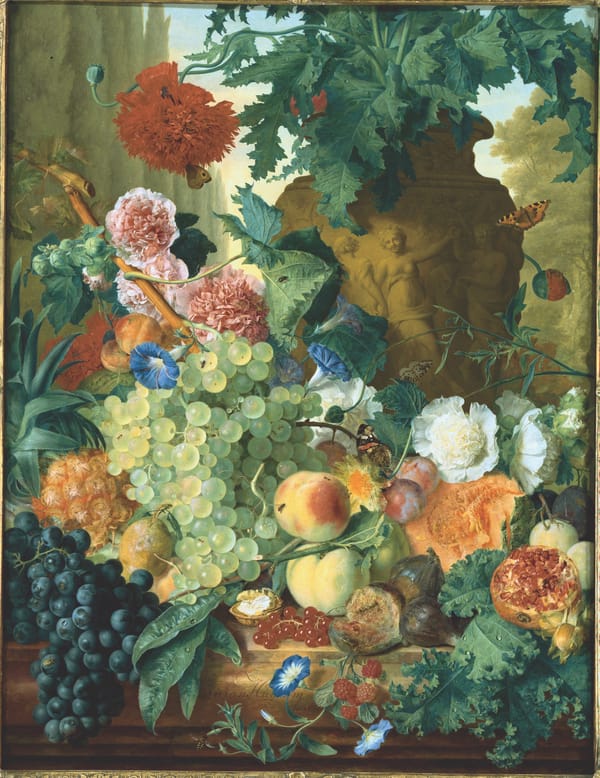
Van Huysum's are not paintings of flowers in all their transience, but flowers of the curious Now, in all their splendid, bullish brilliance.
Art
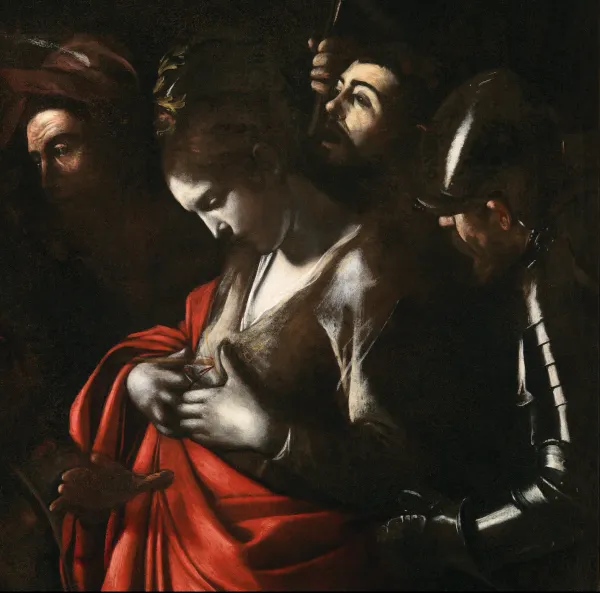
Just two paintings are in The Last Caravaggio, both in perplexed mourning over their subject matter, and both emerging from dark places.
Art
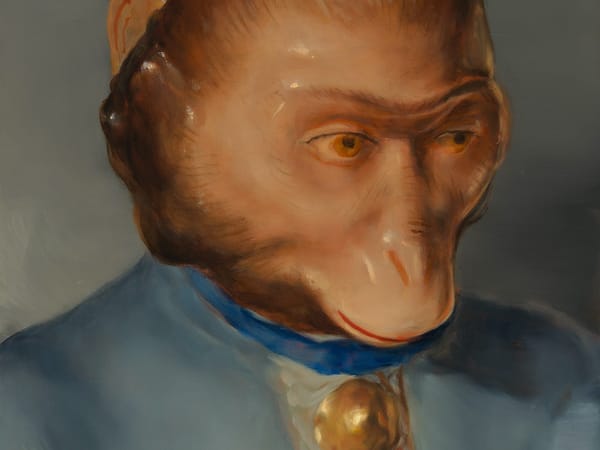
Michaël Borremans’s paintings seem to display a pitiless, if not forbidding, irony, almost studiedly cruel in their level of dispassion.
Art
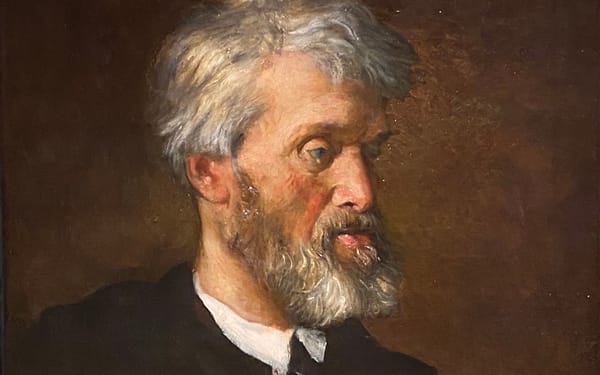
Hidden in the bowels of the London Library, a 19th-century pamphlet contains its founder’s most bigoted views.
Art
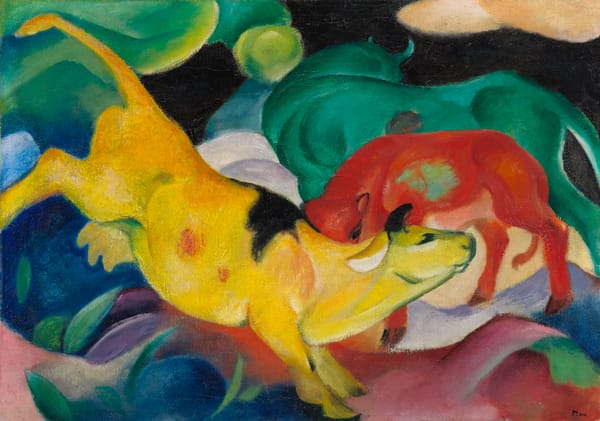
Expressionists felt that art had the capacity to heal, to cross-fertilize, to challenge fixed ideas — it could make the world anew.