Art
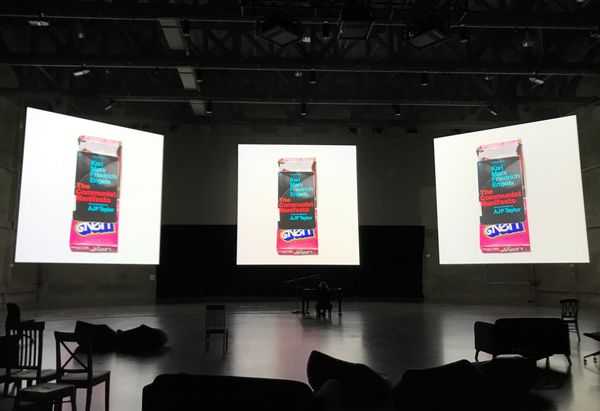
Can Commodities Really Critique Commodity Culture?
Given a platform to say something — about first-world capitalism, its attendant environmental destruction, or the definition of the self through objects — why not use it?

Natalie Haddad is an art writer, historian and former editor at Hyperallergic. She holds a PhD in Art History, Theory and Criticism from the University of California San Diego and has written extensively on modern and contemporary art.

Art
Given a platform to say something — about first-world capitalism, its attendant environmental destruction, or the definition of the self through objects — why not use it?
Interview
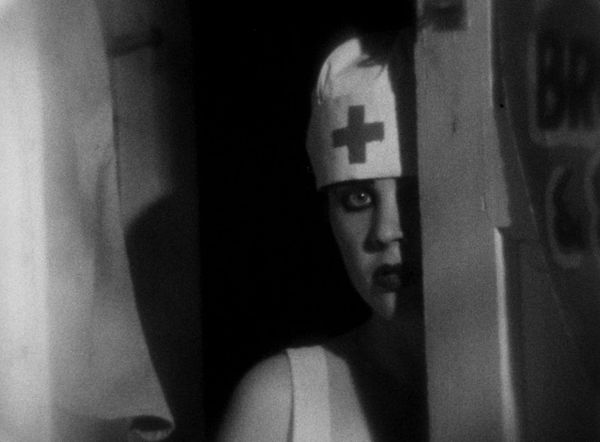
The twilight state between dreaming and waking that permeates a restoration of Maddin's Tales from the Gimli Hospital echoes that of life and death in his films.
Art
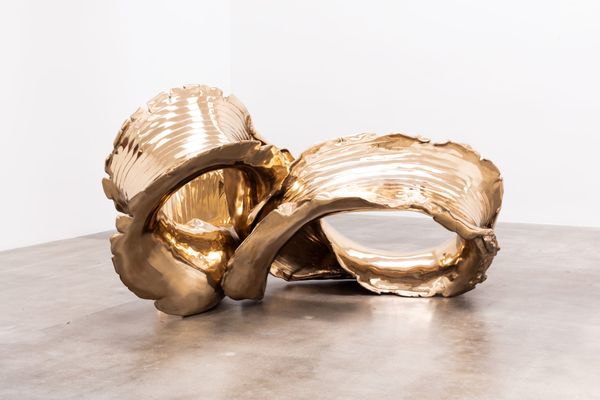
In Benglis's latest works, the forces of gravity that defined her seminal poured latex and polyurethane pieces are traded for luminous bronzes.
Art
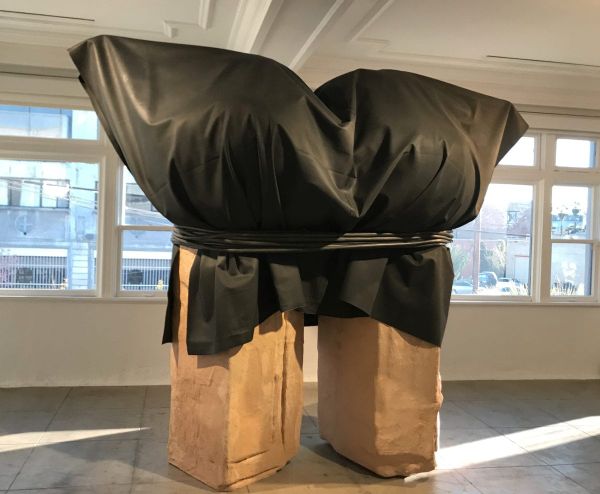
In attempting to convey atrocities that confound language, artist Phyllida Barlow comes up against a paradox with no easy resolution.
Art
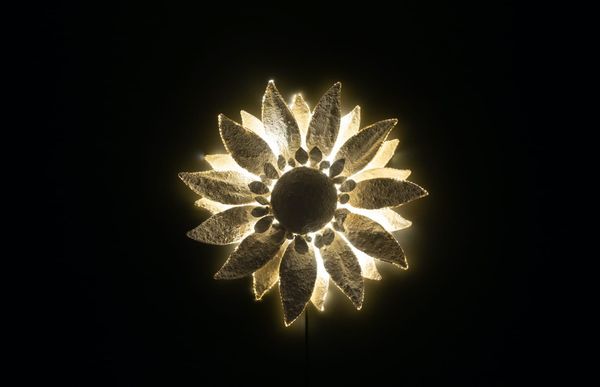
In a new exhibition, the artist defies the sequential nature of history, finding various ways to chronicle the many layers of devastation experienced throughout the Mekong Delta.
Art
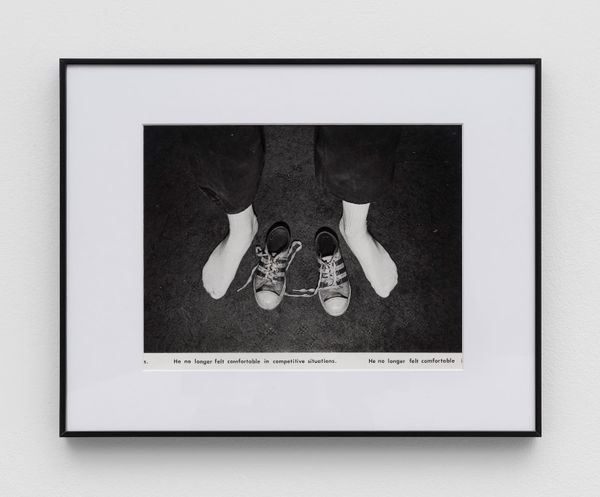
Nearly a decade after his death in 2013, Phel Steinmetz’s attention to the effects of capitalism on the environment can be recognized as both political and prescient.
Art
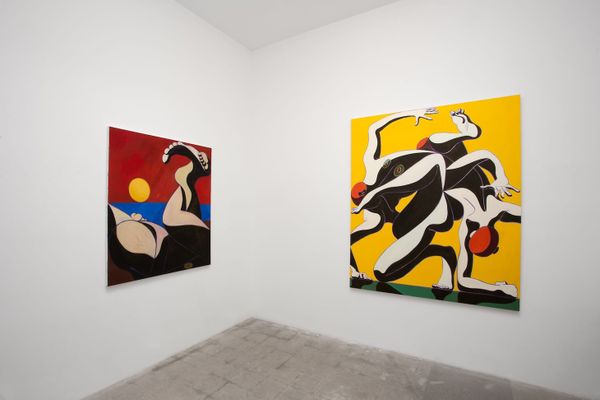
Wrestling is less a physical act than a psychological space in Mark Yang’s paintings.
Art
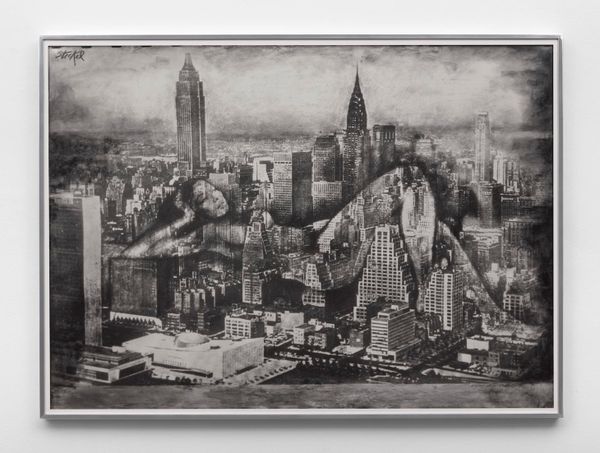
Steckel compelled audiences to acknowledge uncomfortable realities about systemic sexism that persist decades later.
Art
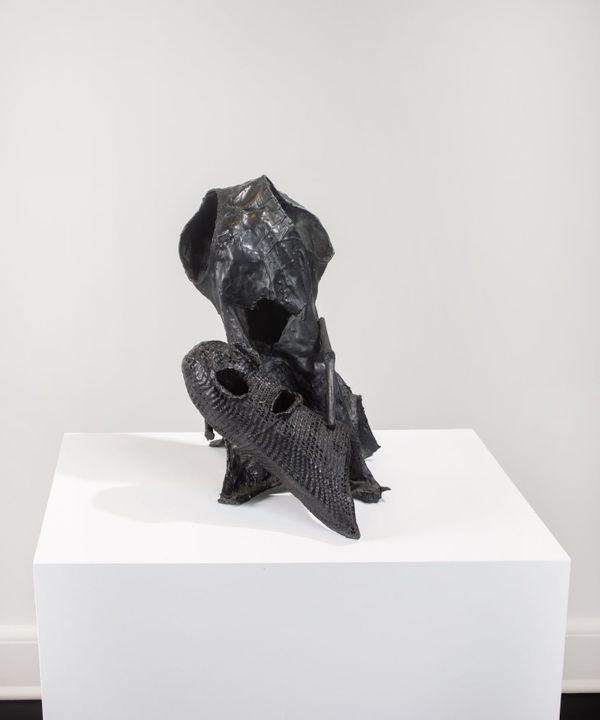
Pylypchuk’s art has always been deeply engaged with the most painful parts of life, those that human beings tend to push aside or deny in order to get by.
Art
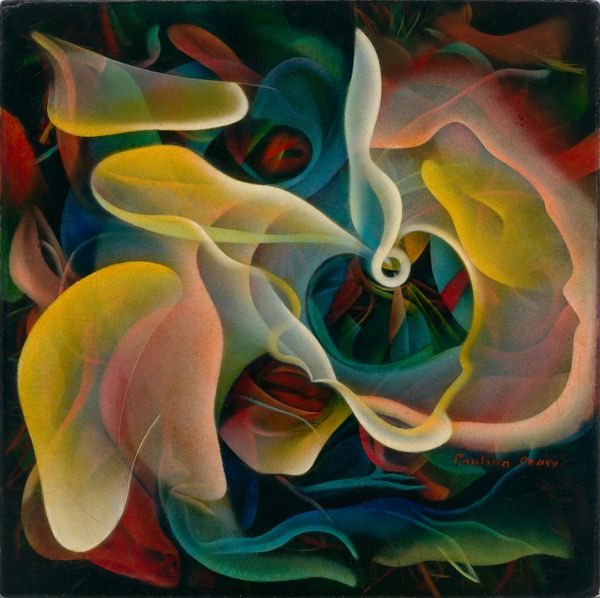
Through her encounters with the spirit Lacamo, Peavy developed a cosmology based on 12,000-year cycles of evolution.

Art
For Mayer, the passage of time is imbued with a sense of melancholy, of something already lost to the past.
Art
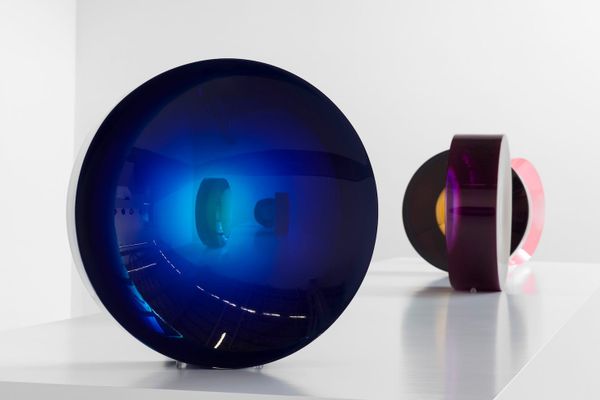
Eversley’s parabolic sculptures draw us into a self-aware and ever-shifting encounter with space and perceptual phenomena.