Art
Preserving Dieter Roth's Ephemeral Art
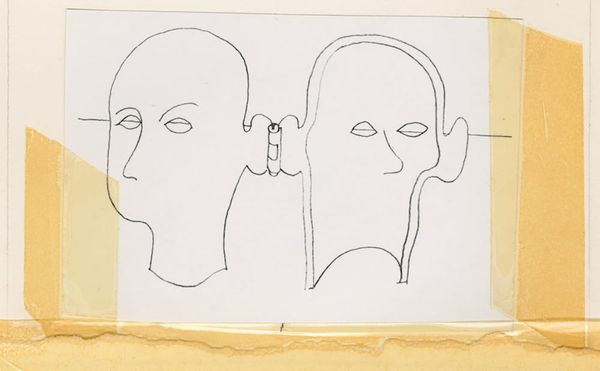
There’s a discrepancy between Roth’s relationship with his art — so much of which was never meant to last — and its reception by an art establishment that has canonized the late artist.

Natalie Haddad is an art writer, historian and former editor at Hyperallergic. She holds a PhD in Art History, Theory and Criticism from the University of California San Diego and has written extensively on modern and contemporary art.

Art
There’s a discrepancy between Roth’s relationship with his art — so much of which was never meant to last — and its reception by an art establishment that has canonized the late artist.
Art
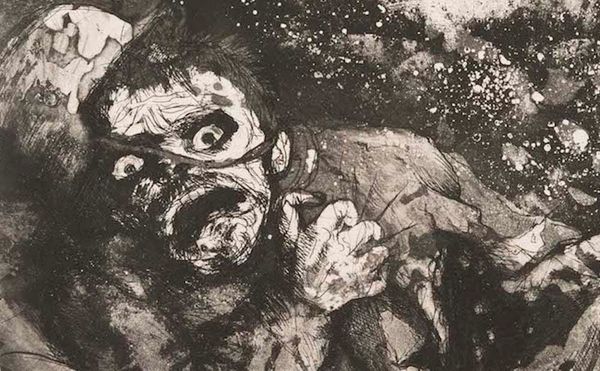
“Wounded Man (Autumn 1916, Bapaume),” from Dix’s portfolio of 50 etchings, The War (Der Krieg), shows a brutal reality that lays waste to George W. Bush’s anesthetized vision of war wounds.

Art
Trees frequently figure in Oehlen’s work. As a formal device, it allows freedom of invention, but the invention is structured by internal logic.
Art
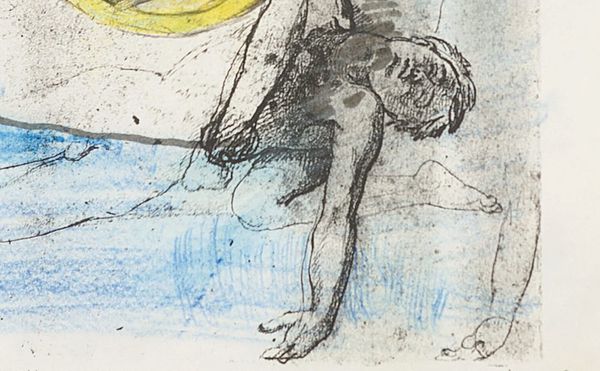
His drunken antics and grand gestures amounted to a life that New York Times art critic Roberta Smith once called “an extended, alcohol-fueled performance piece.”
Art
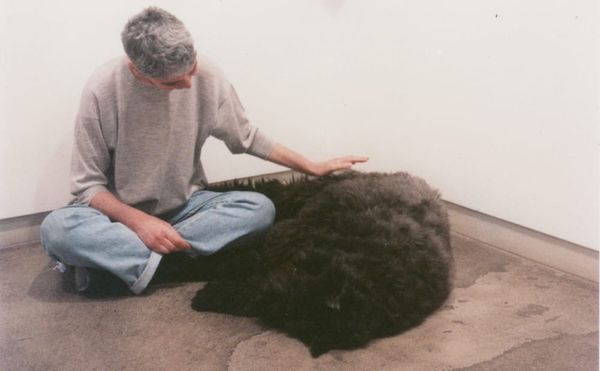
The Susanne Hilberry Gallery was a gateway to the art world that lay beyond Detroit as well as a kind of training ground where artists, art students, and art critics could learn to view and interact with artworks critically.
Art
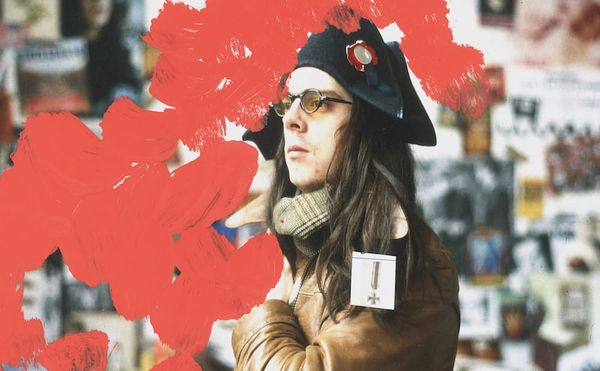
Since the early 2000s, Jonathan Meese, who is based in Hamburg and Berlin, has cultivated a persona as a propagandist for what he calls the Dictatorship of Art
Art
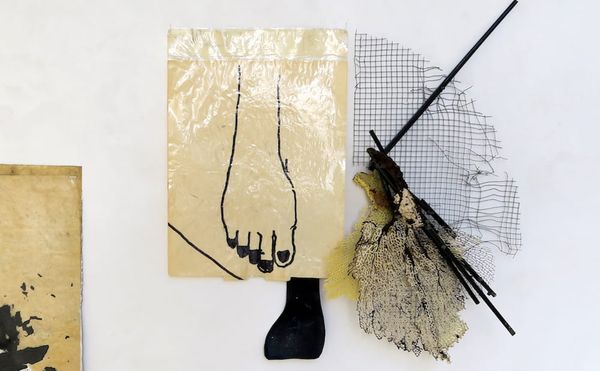
Simultaneously sparse and immersive, Valerian Dials for Trembling Hands evokes the stillness of an ocean after a shipwreck or storm.
Art
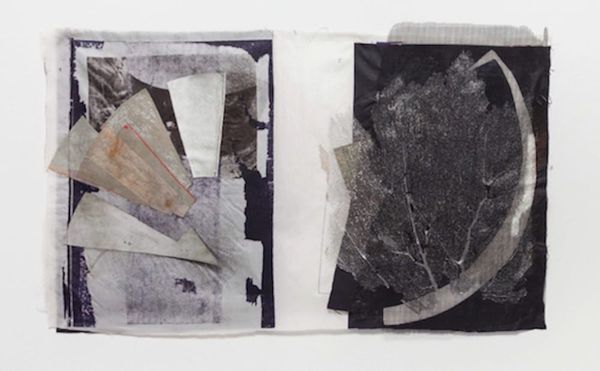
Formally, Kate Levant’s work has become more rigorous and complex since Blood Drive, and the art-activism of that show has given way to encoded references touching on sociopolitical issues.