Art
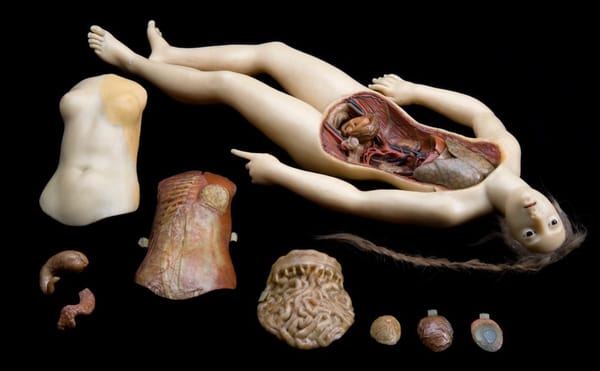
The Lasting Influence of the Waxen Venus on Studies of Anatomy
Modern constructions of beauty and biological race were heavily influenced by the study, replication, and measurement of classical sculpture in eighteenth century Europe.

Sarah E. Bond is an associate professor of history at the University of Iowa. She blogs on antiquity and digital humanities, and is the author of Strike: Labor, Unions, and Resistance in the Roman Empire (Yale University Press, February 2025).

Art
Modern constructions of beauty and biological race were heavily influenced by the study, replication, and measurement of classical sculpture in eighteenth century Europe.
Art
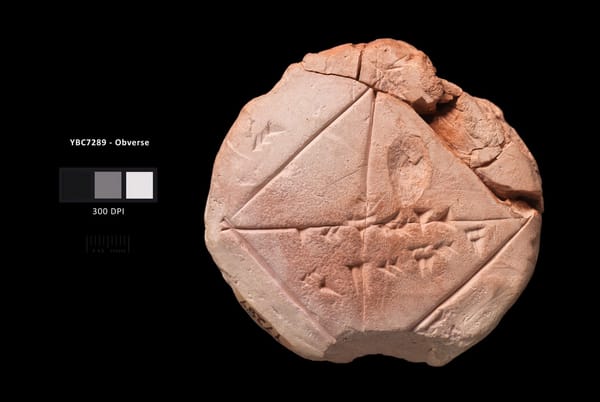
Thousands of fingerprints and footprints survive from the ancient world, while the modern science of fingerprints to identify criminals has relatively recent and racist origins.
Art
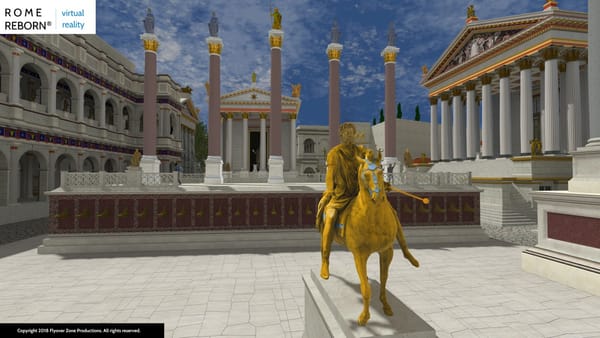
The virtual reality tour of Rome at the heart of Rome Reborn started as a digital humanities project collaboratively developed by dozens of artists, classicists, archaeologists, and 3D modelers.
Art
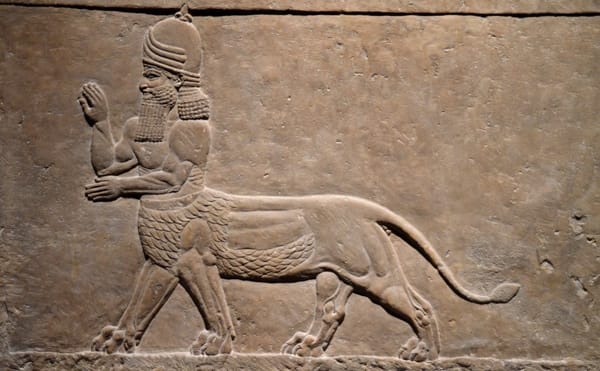
A new exhibition at the British Museum underscores the material remains associated with the Assyrian king Ashurbanipal, and their display alludes to Britain’s long and fraught history with Iraq.
Art
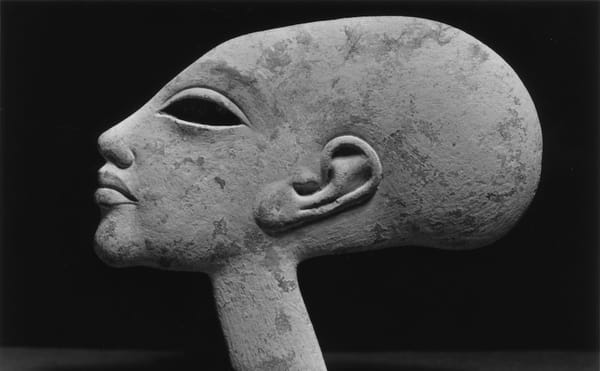
Where, exactly, the idea of ancient aliens building the pyramids began — and why some academics think racism lies at the heart of many extraterrestrial theories.
Art
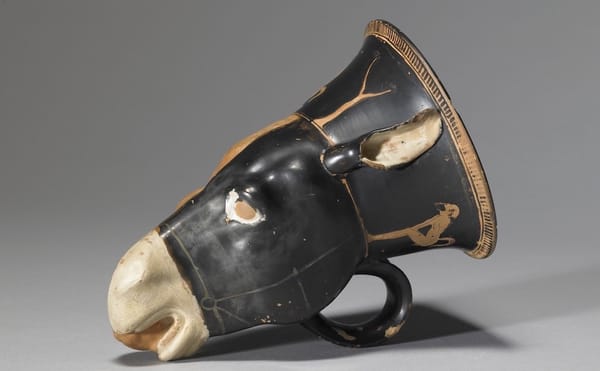
A newly opened exhibition at the Harvard Art Museums features animal-shaped drinking vessels from across the ancient Mediterranean called Rhyta.
Art
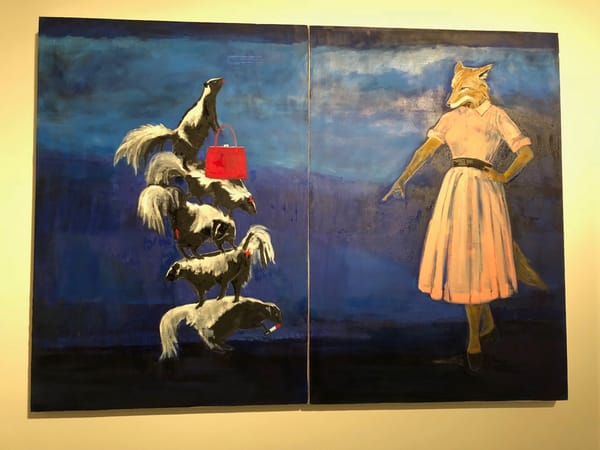
The exhibition Stampede prods the viewer to consider how artists use animals to represent human traits and critique the world we humans live within.
Art
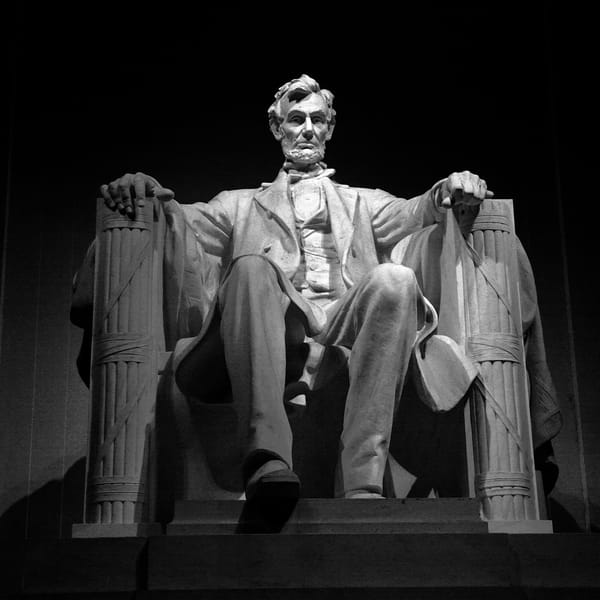
The use of fasces by alt-right groups is another attempt to commandeer the insignia of ancient Rome to connect their movements to the bygone power and legitimacy of the Roman empire.
Art
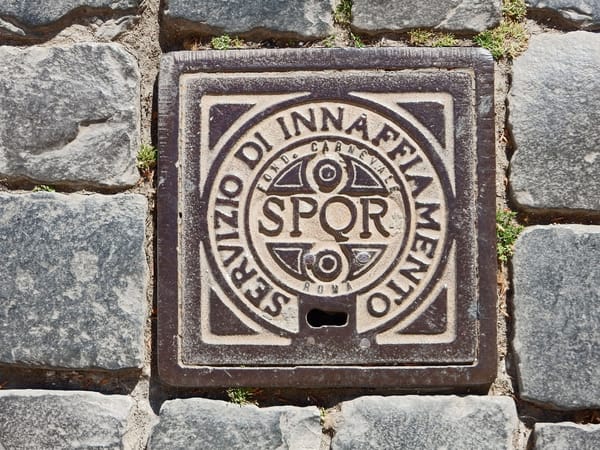
SPQR initially stood for Senatus Populusque Romanus (the Senate and Roman people), but a growing number of white supremacists have adopted the acronym to symbolize their movement.
Art
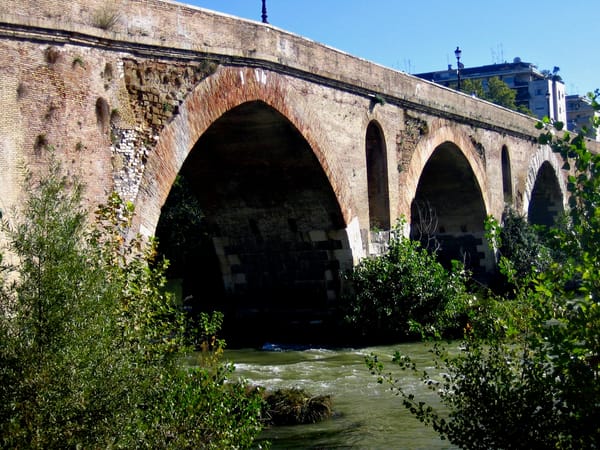
During work along the right bank of the Tiber this summer, the archaeological group Cooperativa Archeologia uncovered what was first thought to be a villa, but later considered to be a church.
Art
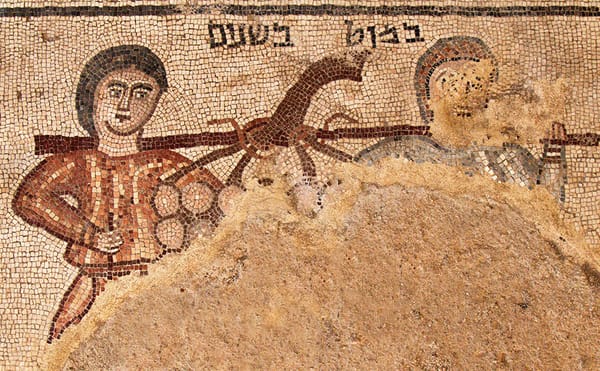
A site in Israel continues to turn up stunning polychromatic mosaics from the late Roman empire that challenge current notions of ancient Jewish aesthetics and the art of depicting scripture.
Art
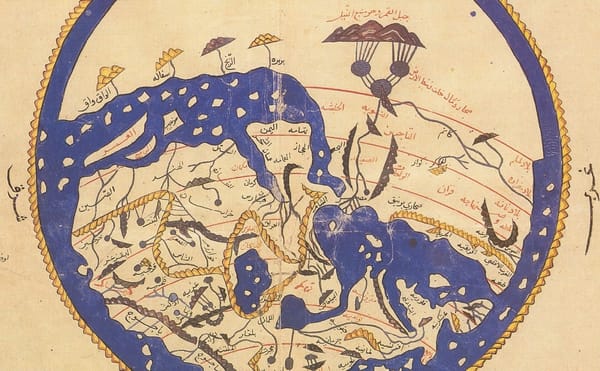
The College Board’s recent decision to begin their curriculum for Advanced Placement (AP) World History at the year 1450 CE will omit millennia of global human history and may further support a Eurocentric view of the world within US high schools.