Dorothea Tanning Beyond Max Ernst’s Shadow
A new biography attempts to make the case for Tanning’s independence and artistic strength in her own right, but remains frustratingly tethered to her husband.

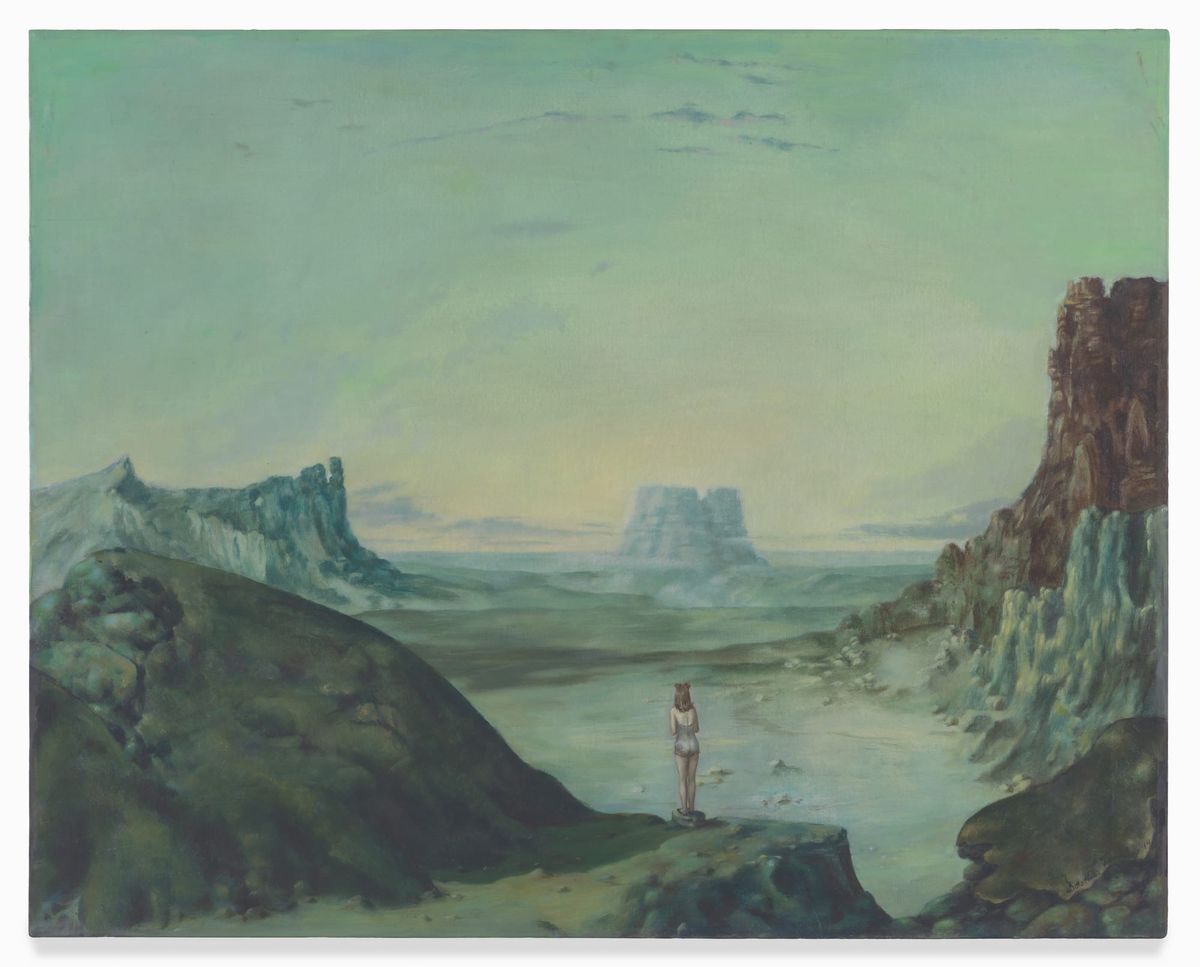
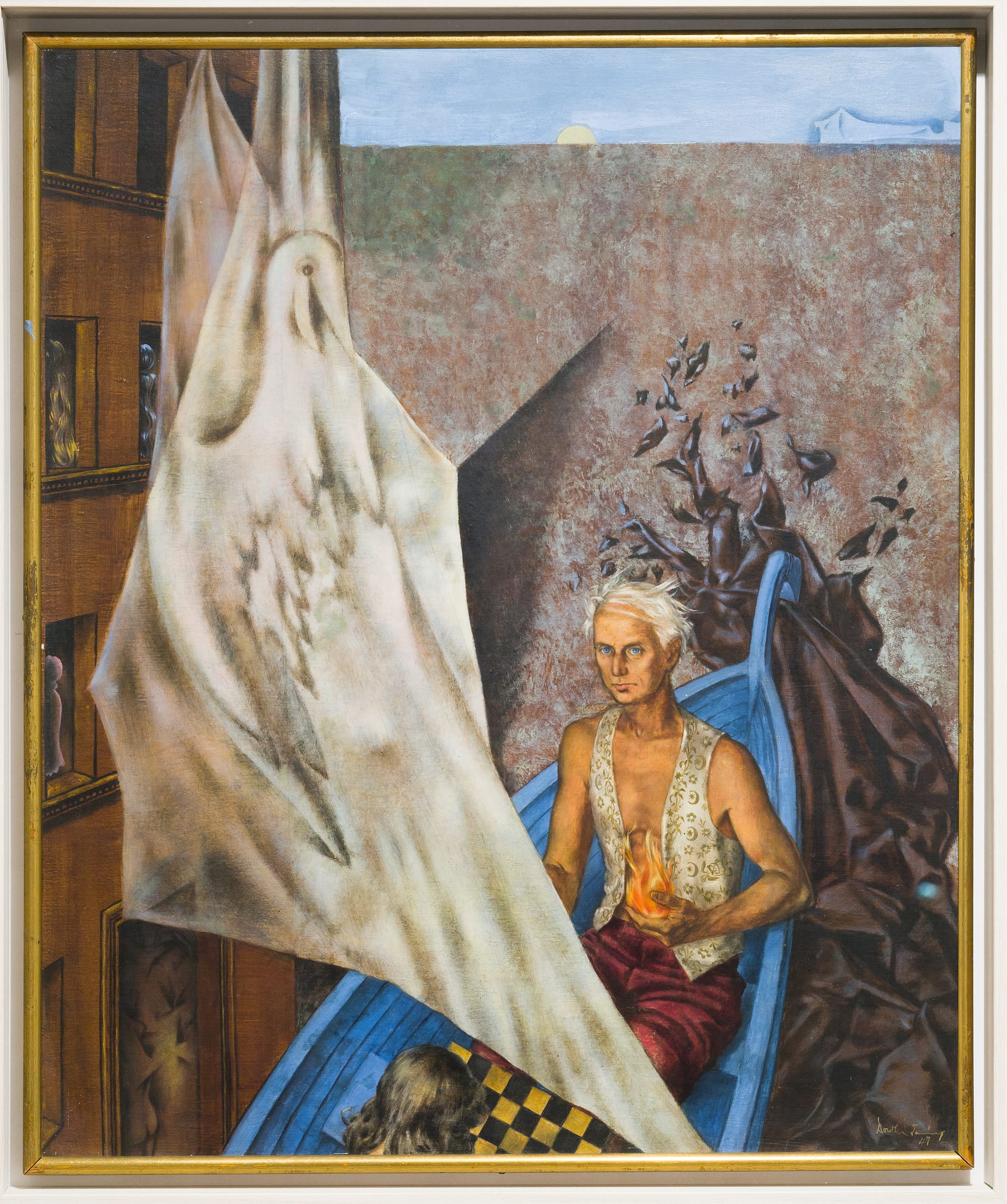
Alyce Mahon’s new book Dorothea Tanning: A Surrealist World offers a panoramic, well-researched view of the artist’s life and work. Mahon grounds Tanning’s biography in womanhood — how Tanning faced immense pressure and beat odds, emerging as a standout artist on her own, despite often being attached to her husband, Max Ernst. Unfortunately, the work is overly ambitious and too academic, and fractures under this load. Although it offers moments of interesting, new insight, the book is bogged down by tedious cobbling together of others’ reviews of Tanning’s oeuvre, and a forced attempt to disentangle her from Ernst. The result is a book that is both lukewarm and overly defensive of its subject.
To be sure, A Surrealist World is an academic project written by a professor of art history. The book sounds intellectual, clearly targets other scholars, and offers a well-researched, comprehensive overview of Tanning’s life. Mahon begins with Tanning’s childhood as the daughter of Swedish immigrants in Galesburg, Illinois, a “small and sleepy town,” where “nothing happens but the wallpaper.” But Tanning had her eyes set on big things from the start, and soon made her way to Chicago, and eventually to New York in 1935. There, she took jobs as a commercial artist, creating advertisements for Macy’s and other corporate clients.
She quickly became enthralled with Surrealism after attending the Fantastic Art, Dada, Surrealism exhibition at the Museum of Modern Art in 1936. From there, her life followed its own surreal trajectory: in 1939, she visited Paris with a list in hand of artists she wanted to meet. Still an ingenue, she discovered Paris was an eerie ghost town, with war on the horizon. One of the artists she had hoped to meet in Paris was Ernst, whom she would later meet in New York in 1942 and marry in 1946.