Dutch Museum Discovers 8-Inch Ancient Roman Phallus
The bone carving was found in a forgotten collection of 16,000 boxes containing various archaeological finds at the Valkhof Museum.

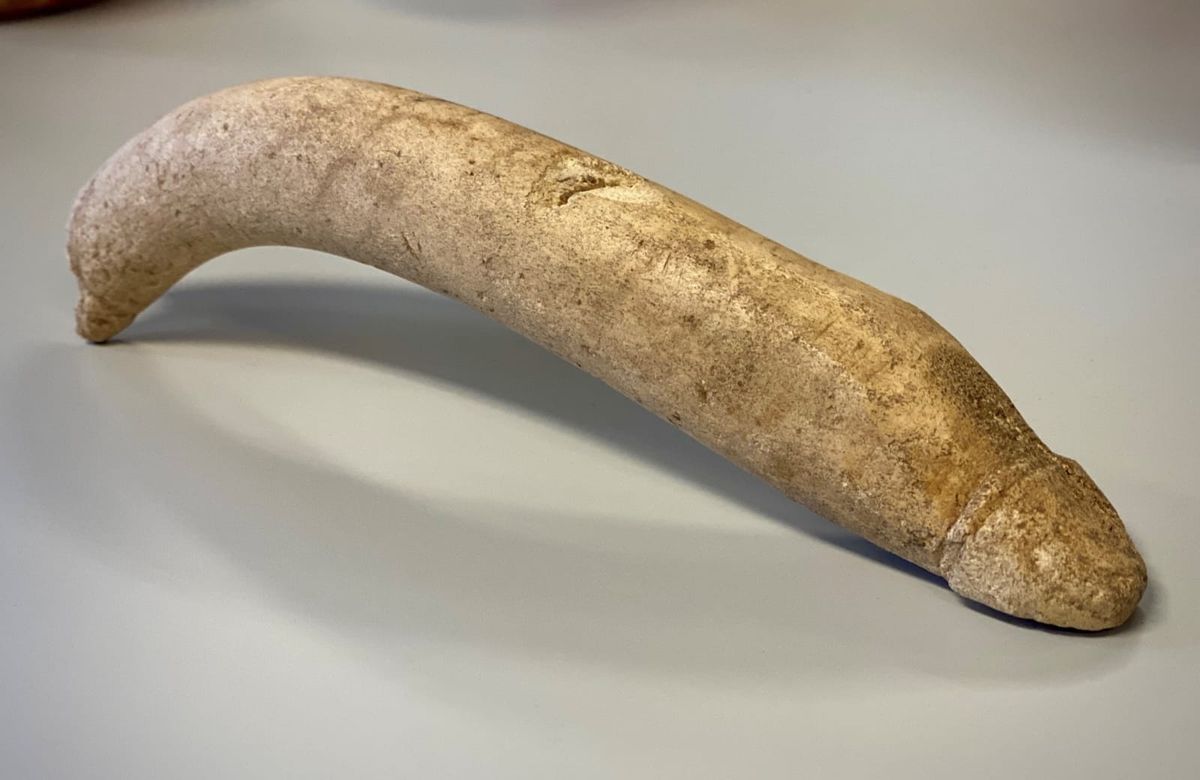
Forrest Gump's iconic line “life is like a box of chocolates, you never know what you're going to get” went from fiction to canon when a Dutch museum made an interesting find during a massive government-funded inventory project. In a forgotten collection of 16,000 boxes containing various archaeological finds, workers at the Valkhof Museum in the city of Nijmegen opened one of them and found an Ancient Roman phallus sculpture carved from bone.
The boxes came from multiple abandoned or defunct storage depots before they ended up as property of the province of Gelderland, which was once part of the Roman Empire. With a legal obligation to unpack and assess the enormous collection for historical value, the province allotted €8 million (~$9.21 million) to the Valkhof Museum for the six-year endeavor in 2025.
The museum has only made its way through 300 boxes so far, but it's gotta be hard to come across anything more exciting than this, right? :~)
Coming in at an above-average 7.9 inches (~20 cm), the curved phallus carving may be the first of its kind to be discovered, as the Romans often crafted the same subject matter out of stone or metal rather than organic materials, the museum noted. (In 2023, however, an English and Irish research duo posited that an Ancient Roman wooden “sewing tool” recovered decades ago from the Vindolanda archaeological site just below Hadrian's Wall may have actually been a dildo.)
Phallus imagery isn't always sexually symbolic, Ilse Schuuring, a Gelderland archaeologist, explained in a statement.
“The Romans felt no shame regarding genitalia,” Schuuring said. “Depictions of them were very common — for instance, as amulets. They served as symbols of fertility. Such images were also frequently hung near doorways to ward off evil spirits.”
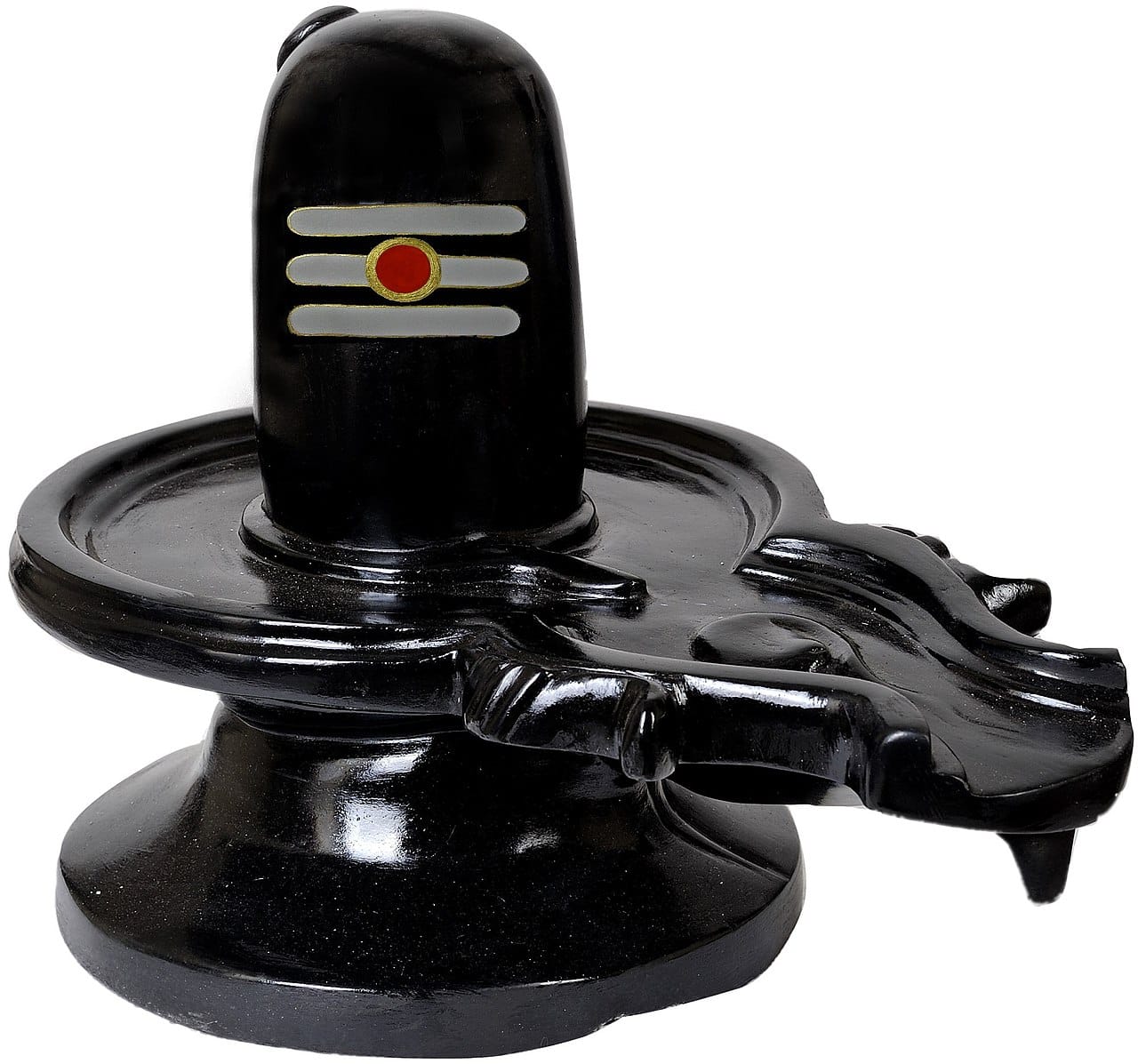
This wasn't unique to Greco-Roman spirituality, either — it's well documented as a divine or protective symbol across Asia. In Hinduism, the lingam is a phallic votary object signifying generative energy associated with the god Shiva. The lingam evolved into the palad khik effigy represented in Thai culture. Phallus paintings are culturally significant in Bhutan as protective imagery as well.
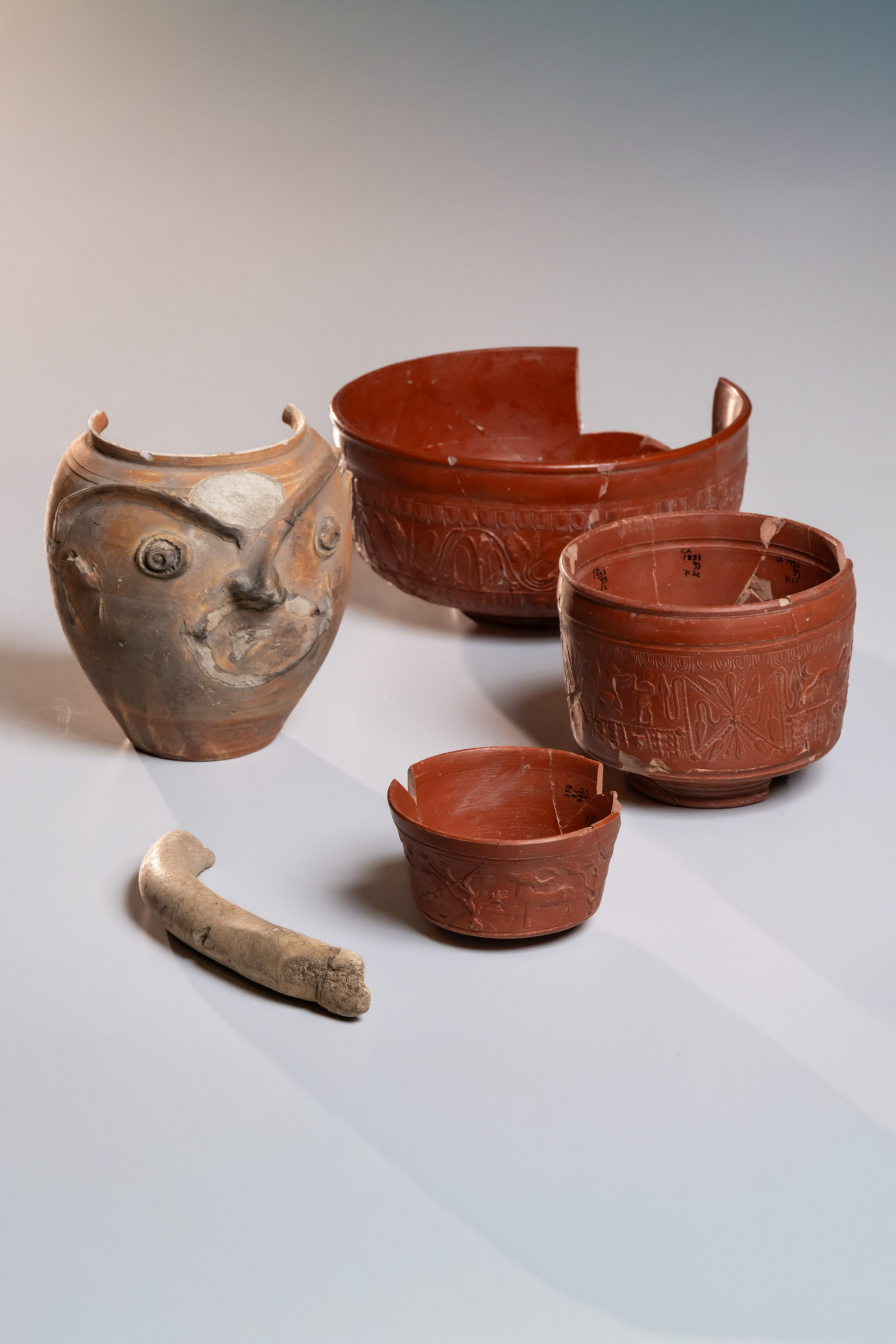
The type of animal bone that the phallus figure was carved from has not yet been determined. The museum also identified some examples of luxury clay tableware, including a cup with a “cheerful face,” as additional highlights accompanying this noteworthy discovery.
Peter Drenth, regional minister of the province of Gelderland, called the findings “an immense treasure trove” in a press statement.
“These initial boxes alone demonstrate just how rich and multifaceted Roman life in Gelderland truly was,” he said.