Epstein in the Shadow of de Sade
Ed Simon on how the intellectual elite absolves abusers of their crimes, Marigold Santos's loving epiphytes, and Damien Davis in conversation with Hakim Bishara.

Among the most mind-bending revelations of the recent trove of Epstein files is not only who was implicated and to what extent, but the mental gymnastics performed by the so-called tastemakers of our day. Years after his conviction, leading figures in the arts, politics, and business went to incomprehensible lengths to paint Epstein as a misunderstood and even virtuously transgressive character rather than what he really was — a depraved criminal, a serial abuser, and not especially intellectually gifted.
In an urgent read today, Ed Simon traces the mechanisms that normalized Epstein's immorality to the era of Marquis de Sade, who was similarly absolved by history in a web of entangled power and wealth. In a related story, Staff Writer Rhea Nayyar reports on a recent deposition by billionaire and arts patron Les Wexner, whose payments to Jeffrey Epstein may have facilitated his crimes, lawmakers say.
For a breath of fresher air, and a much-needed escape from the art world's rot, join us on March 2 for an online conversation between artist and contributor Damien Davis and Hyperallergic Editor-in-Chief Hakim Bishara. The event is for Hyperallergic members only; subscribe today to join.
—Valentina Di Liscia, senior editor
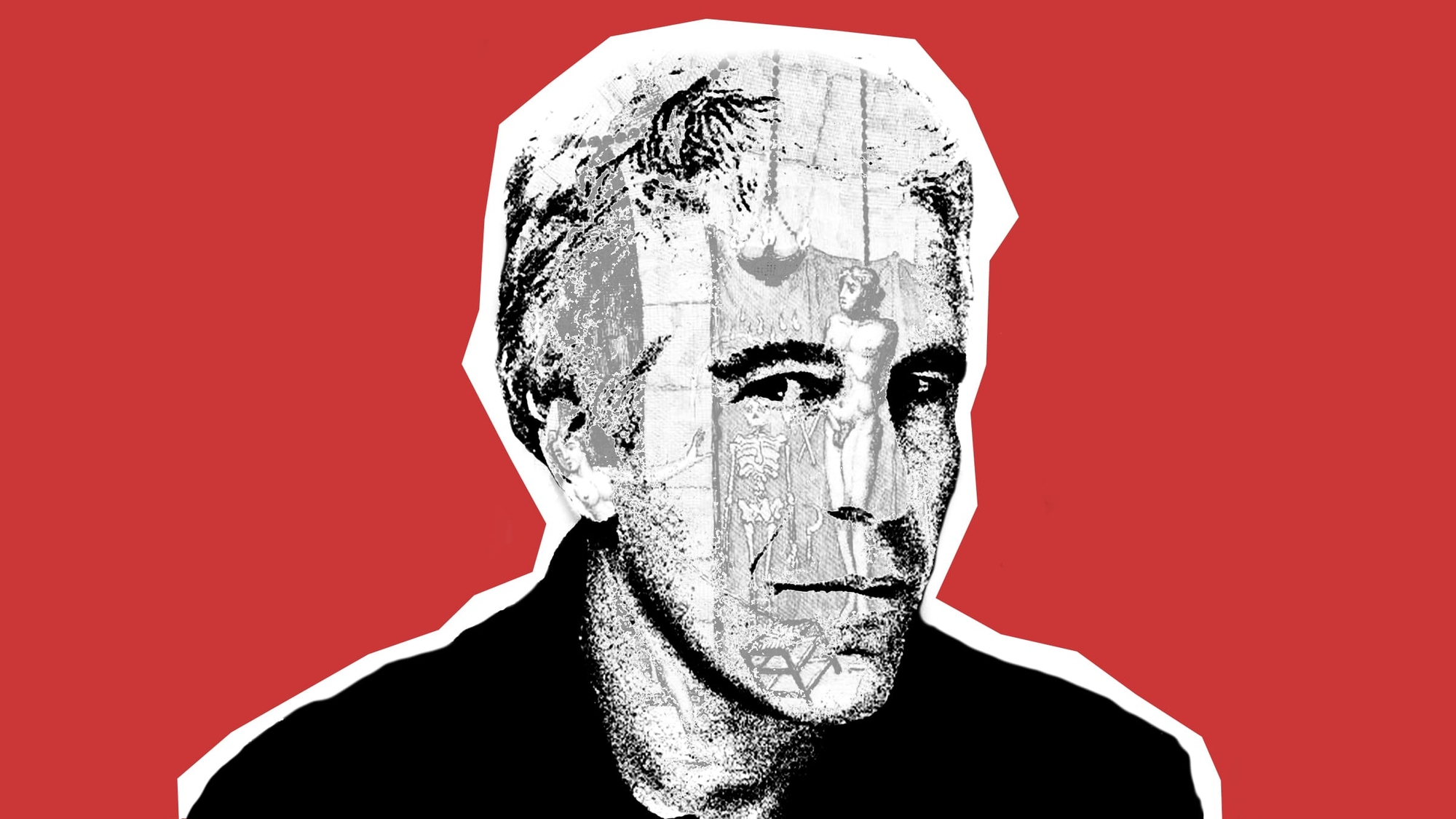
The Marquis de Sade of the Upper East Side
As Jeffrey Epstein ran a sex trafficking ring the scale of which is just beginning to be understood, he ingratiated himself with “intellectuals” and other elites who were all too happy to legitimize his deviance and crimes as a kind of virtuous hedonism — not unlike the Marquis de Sade, argues Ed Simon. “In the originator of Sadism, we encounter an infernal figure who, beyond even the facts of his own perversion and criminality, intimated a cruel and oppressive politics that were seeded in aristocracy, tended in capitalism, and are now harvested in fascism,” Simon writes.
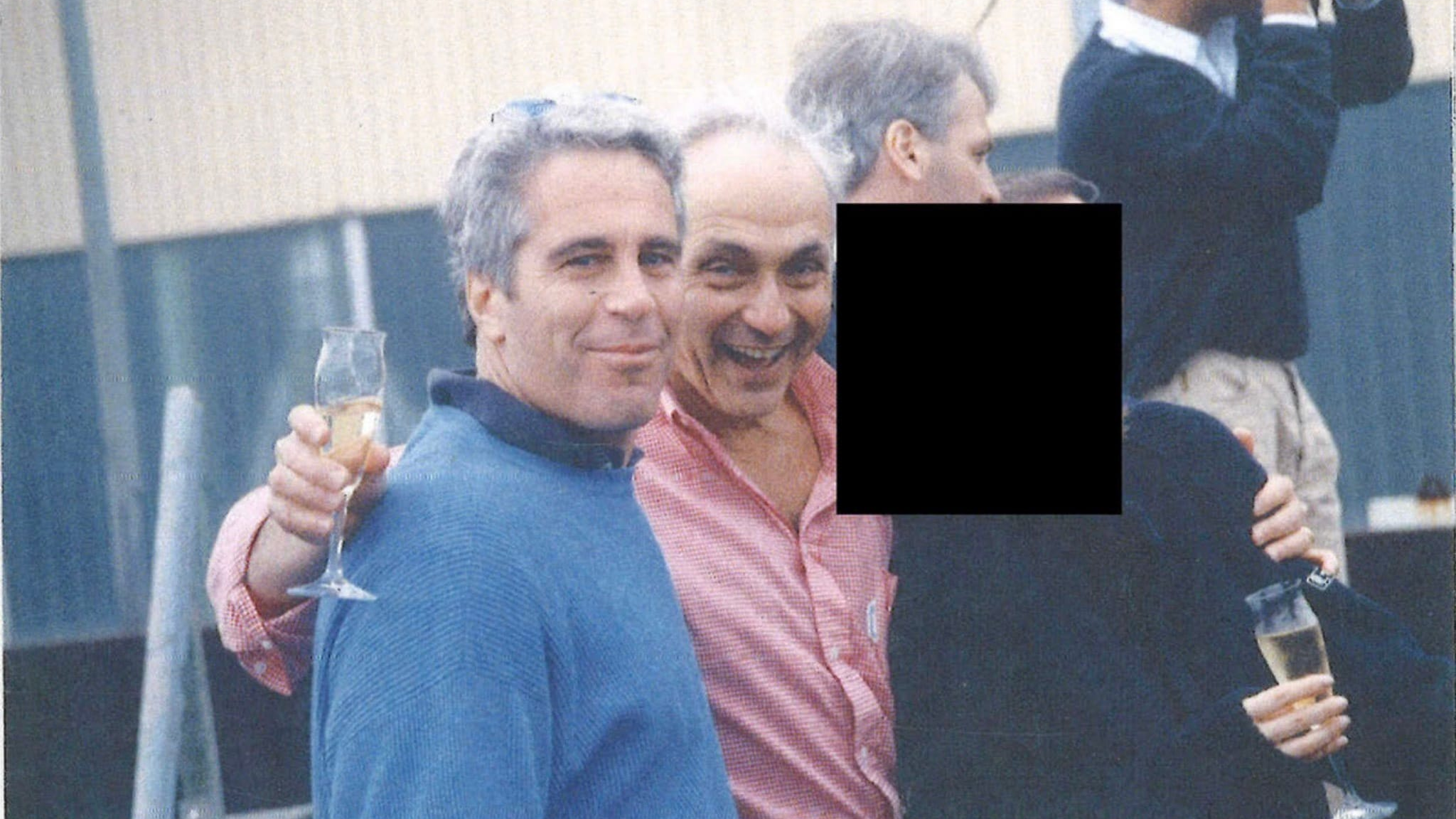
Les Wexner Claims Naivety in Epstein Deposition
The billionaire retail tycoon continues to deny any knowledge of Jeffrey Epstein’s sex crimes, but not everyone is buying it. | Rhea Nayyar
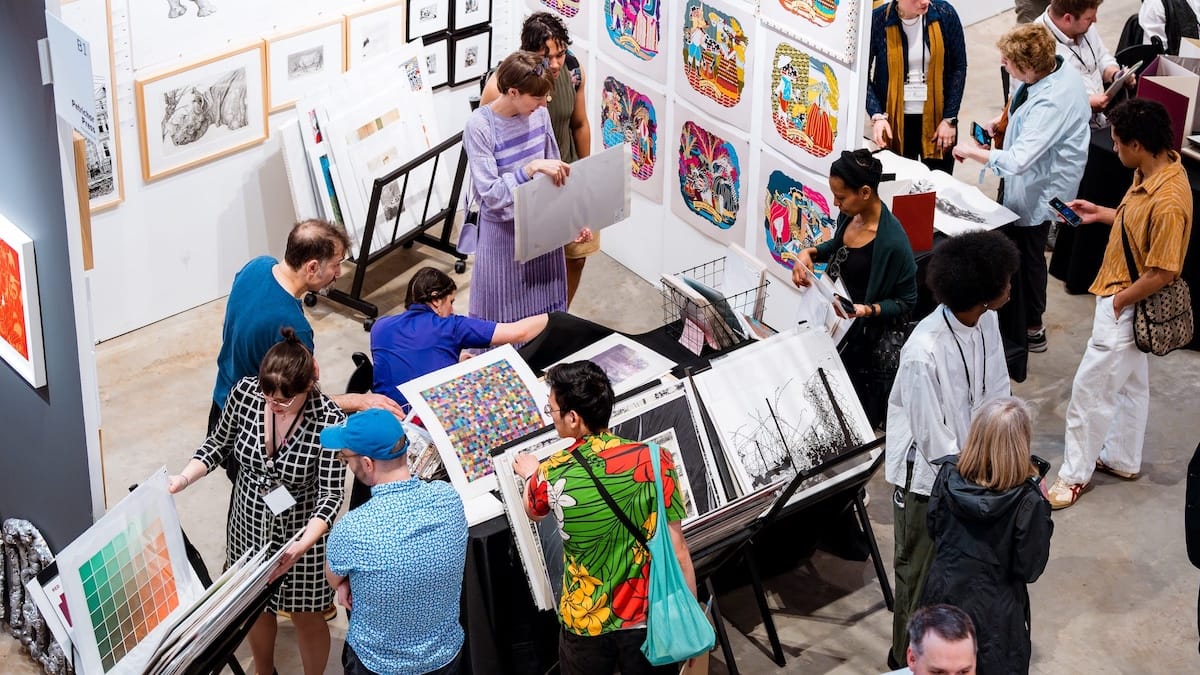
Brooklyn Fine Art Print Fair Returns to Powerhouse Arts This Spring
Over 50 exhibitors, hands-on programming, and a juried print exhibition make up the fair’s expanded second edition. April 9–12, 2026.
Events
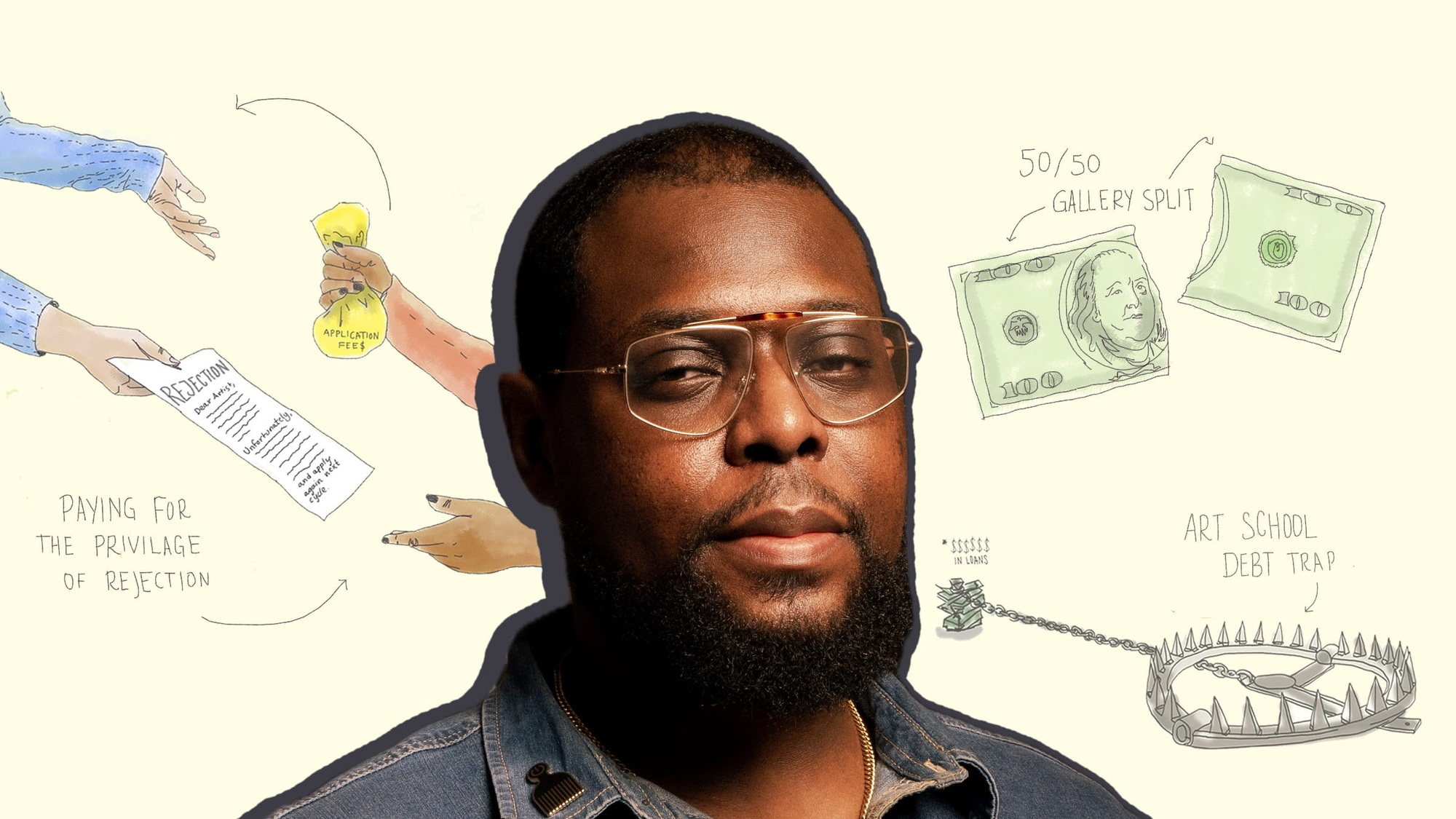
Keeping a Critical Eye on the Art World With Damien Davis
Damien Davis, whose incisive writing for Hyperallergic probes longstanding power imbalances in the art world, joins Editor-in-Chief Hakim Bishara for an online conversation on March 2. Become a member today to join.
From Our Critics
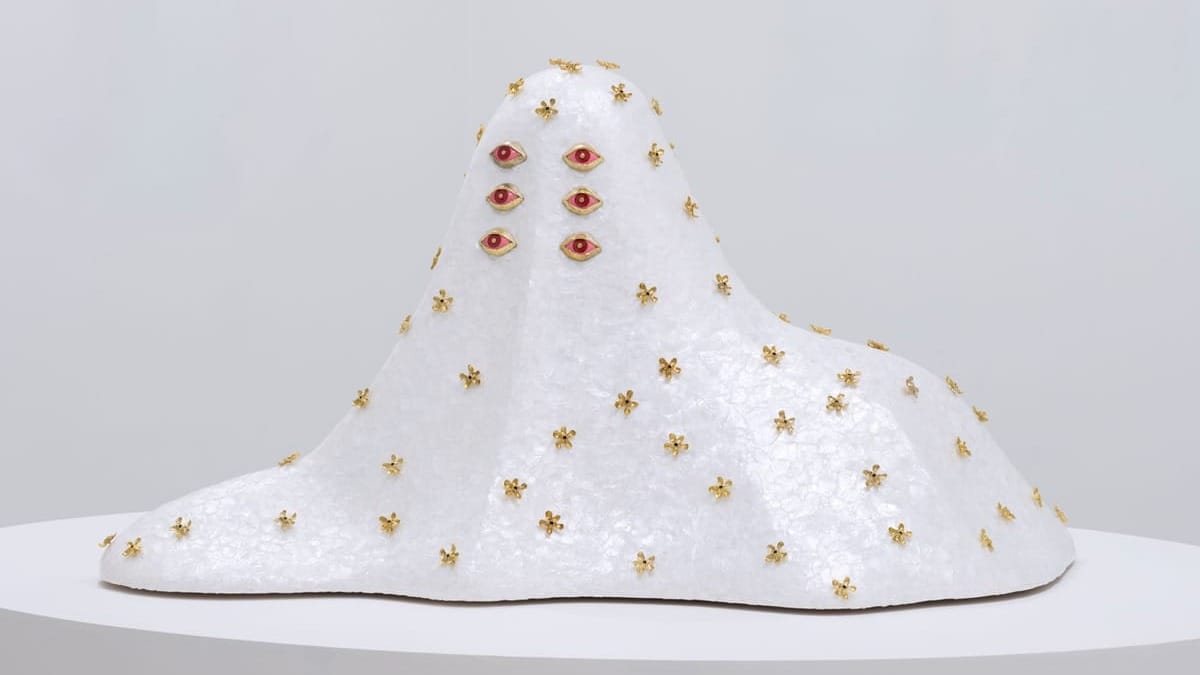
Marigold Santos Takes Root
She uses epiphytes — plants that grow on other plants without harming them — as a framework for the expansive ways diasporas form. | Neil Price
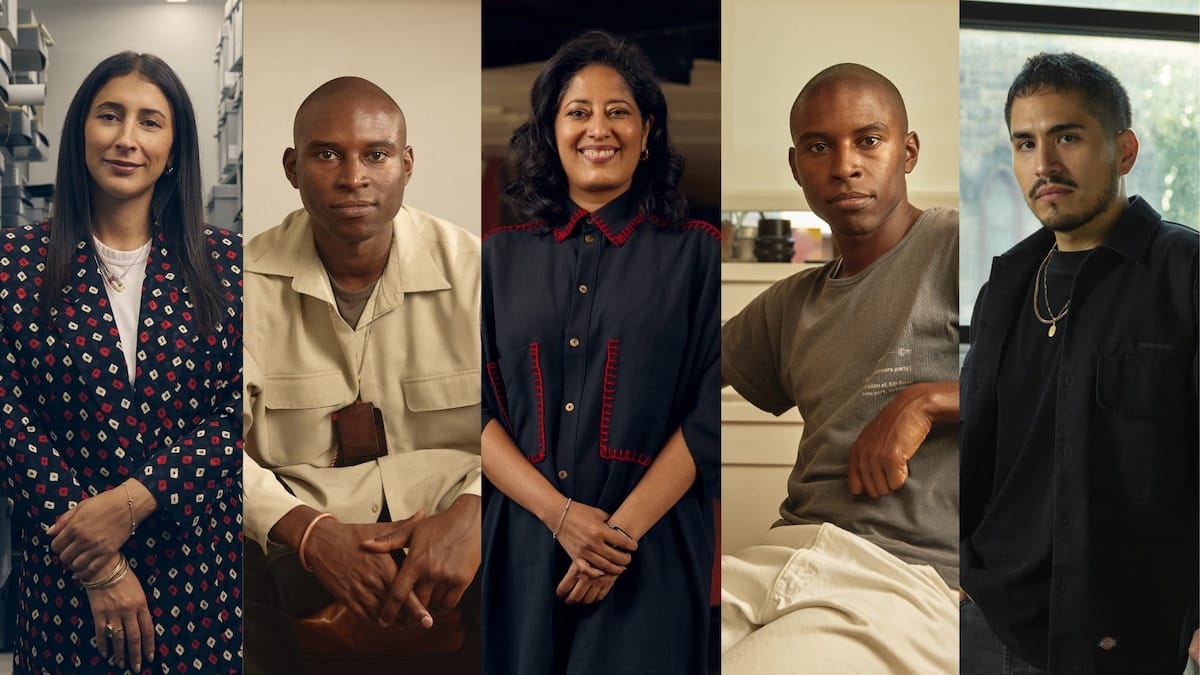
Vilcek Foundation Awards Five Immigrants $250,000 for Fashion Documentation
Tanya Meléndez-Escalante, Diego Bendezu, Jalan and Jibril Durimel, and Natalie Nudell received the 2026 Vilcek Prizes in Fashion & Culture for their contributions to fashion representation.
Community
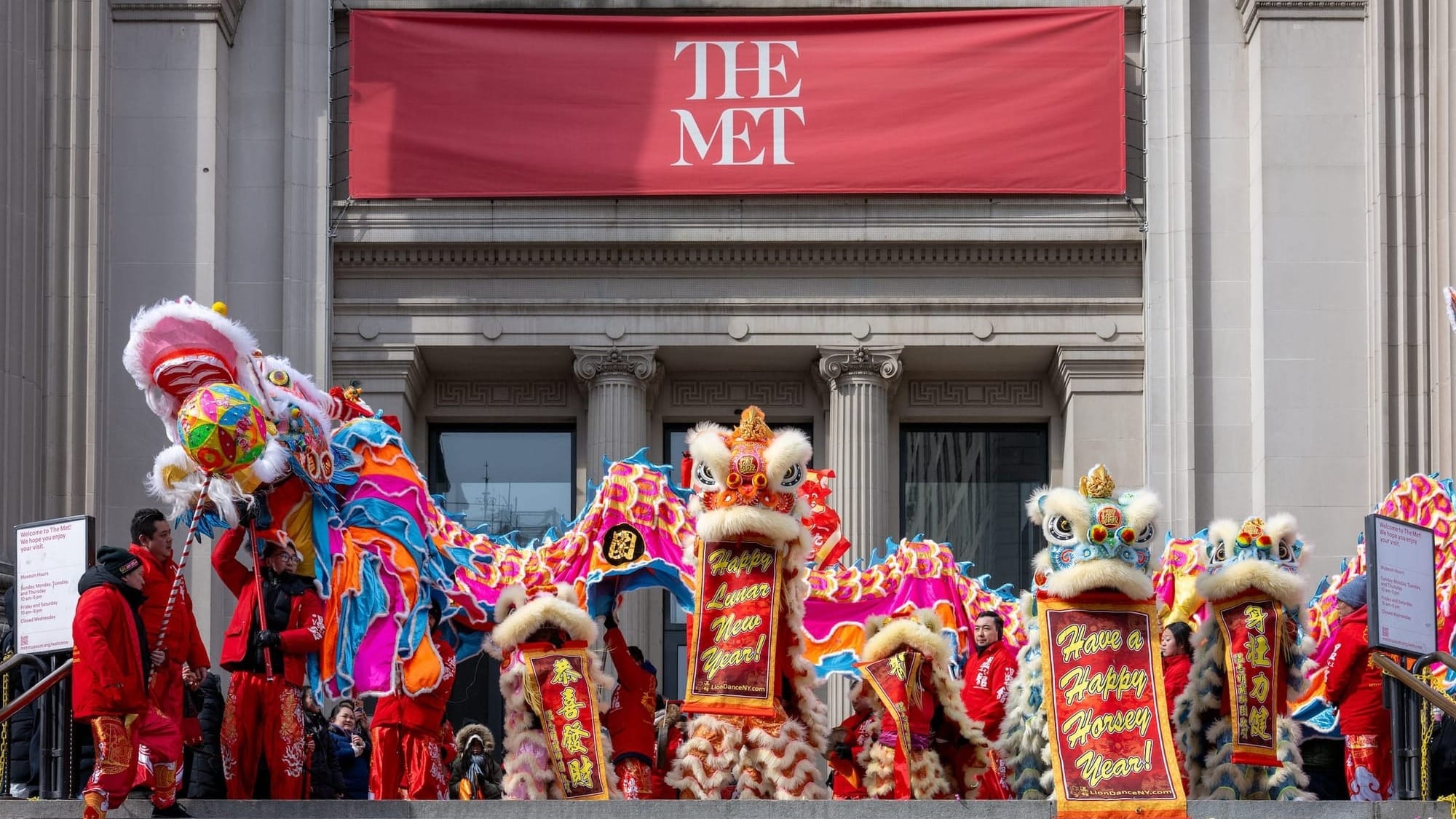
Required Reading
This week: movie poster art, the typist behind Henry James’s novels, Gisèle Pelicot’s new memoir, indie rock in “Heated Rivalry,” and are we in an arts and crafts renaissance?
A View From the Easel
James Horner explores the visual language of binding at his studio in the Bronx, New York, while Ingrid Hernández practices photography at hers in Tijuana, México.
Art Movements: Marilyn Minter Wins Again
The feminist artist received an international award from Anderson Ranch. Plus, new top staff at university museums, the V&A goes to the zoo, and other industry news.
Member Comment
Victoria Hamlin on Valentina Di Liscia’s “University of North Texas Students Withdraw Thesis Shows, Citing Censorship”:
From the Archive

When Artists Are Too Old to Be “Emerging”
If the art world is serious about equity, it has to stop equating emergence with youth and start building structures that reflect the multiplicity of artistic timelines. | Damien Davis