Explore The Met’s Collection in 3D From Your Couch
The museum offers scans of items including a painting by Claude Monet, Neolithic sculptures, and Greek terracotta vases.

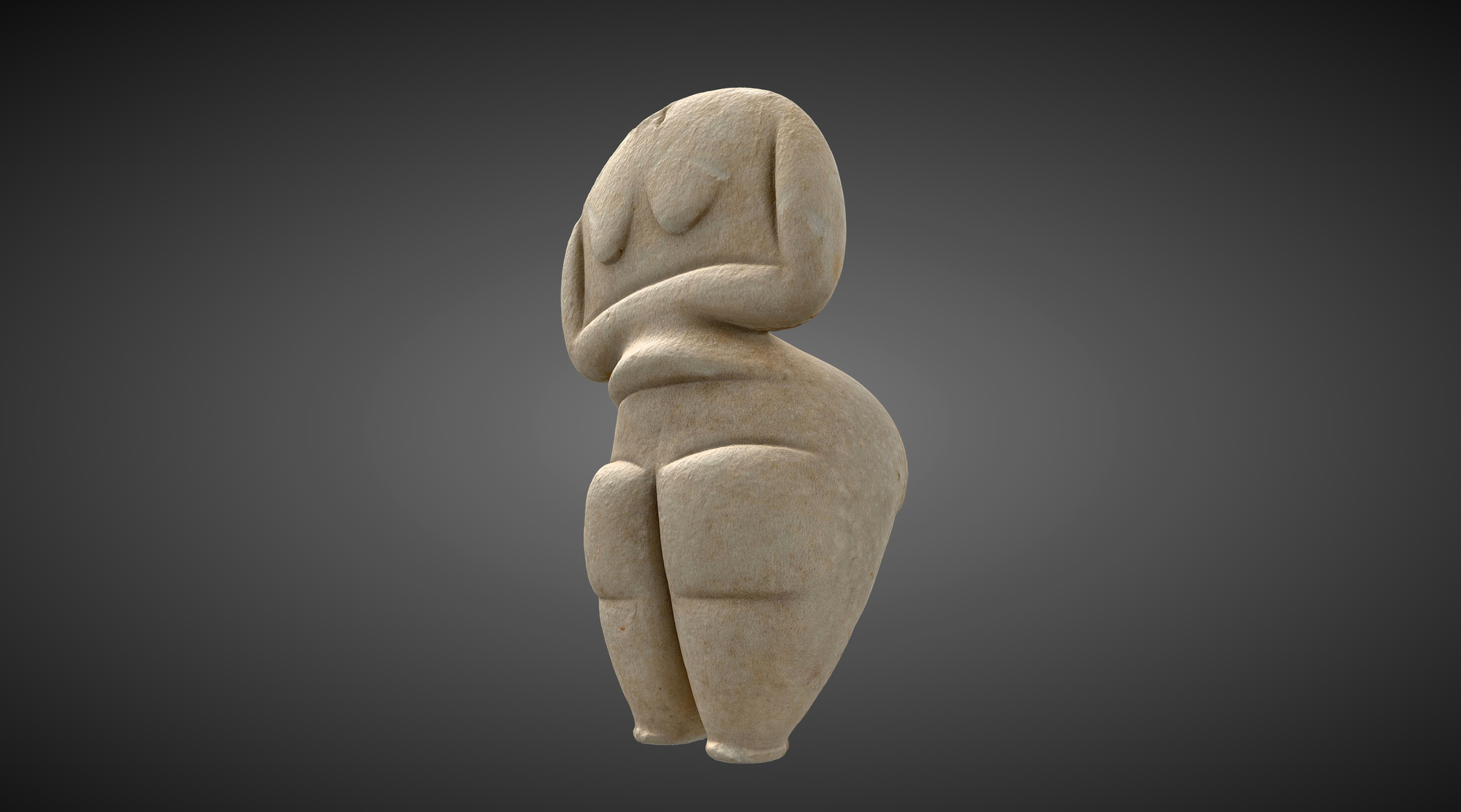
A voluptuous Neolithic marble figurine, a model Nayarit home from ancient Mesoamerica, Claude Monet's 1891 painting "Haystacks (Effect of Snow and Sun)" — these are among the items in the Metropolitan Museum of Art's collection that are now available to the public as high-quality 3D scans.
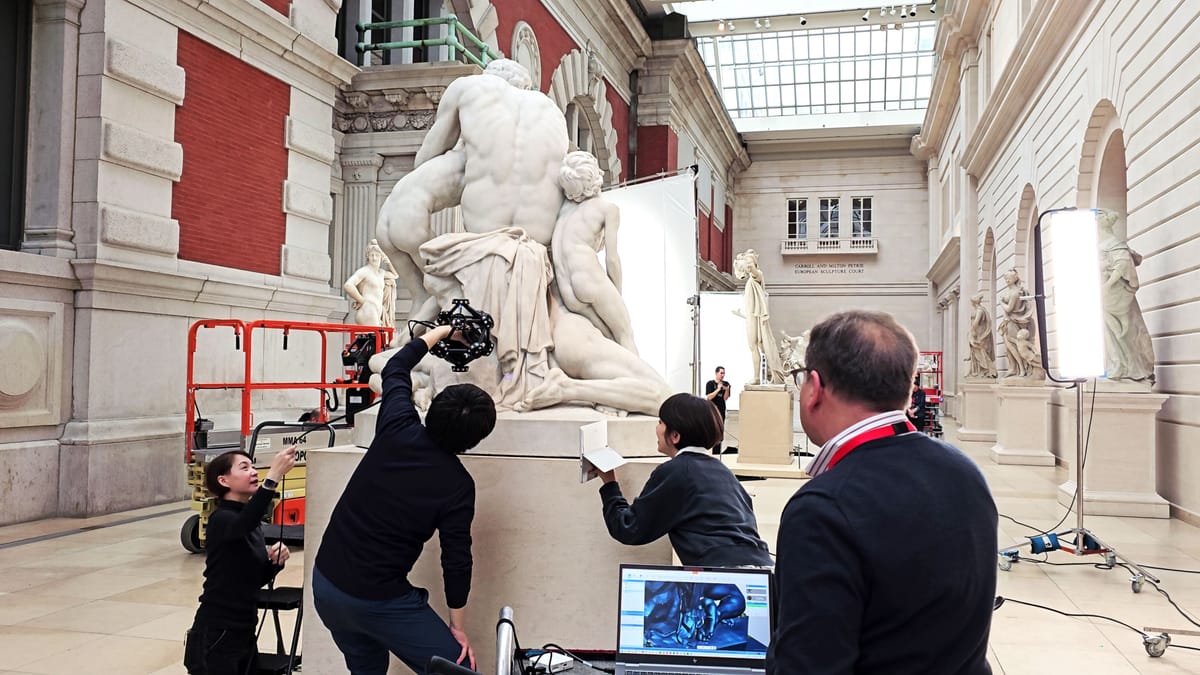
Last week, the museum released 100 scans of objects from its collection for free on its website as part of an institutional push to increase “access to the museum’s collection and scholarship," Met Director and CEO Max Hollein said in a statement shared with Hyperallergic. It's the first batch in a selection of over 100 scans that will be made public, the museum said.
While The Met’s website maintains images of thousands of artworks, the new scans allow users around the world to get up close and personal. Through the museum's digital collection, users can zoom in and view objects from multiple angles, as well as through virtual reality headsets. Nine of the models, including one of Vincent van Gogh’s 1889 painting “Wheat Field with Cypresses," were created in collaboration with the Japanese national broadcaster NHK using photogrammetry and laser scanning processes.
Last November, the museum made its first foray into virtual reality with gameified tours of the Temple of Dendur, one of its signature exhibits, and the Oceania galleries, which opened last summer.
“Through these digital experiences, we are expanding meaningful new pathways into The Met collection, inviting audiences around the world to engage with these works in dynamic and immersive ways,” Hollein said in the statement.
Stella Kim, a spokesperson for The Met, told Hyperallergic that this initial round of works had been scanned over the last decade and added that the institution has increased the number of objects it digitizes in 3D form each year. Kim did not comment on how many digital scans of the museum’s 1.5 million-item collection it planned to make publicly available.
Editor's Note, 3/5/2026, 2:46pm EST: This report was updated with more accurate information about the museum's initiative.