Flying Back With the Birds to My Hometown of Tehran
Since the war began, I feel as if I am living inside a shadow. It has no physical form, yet it follows me everywhere.

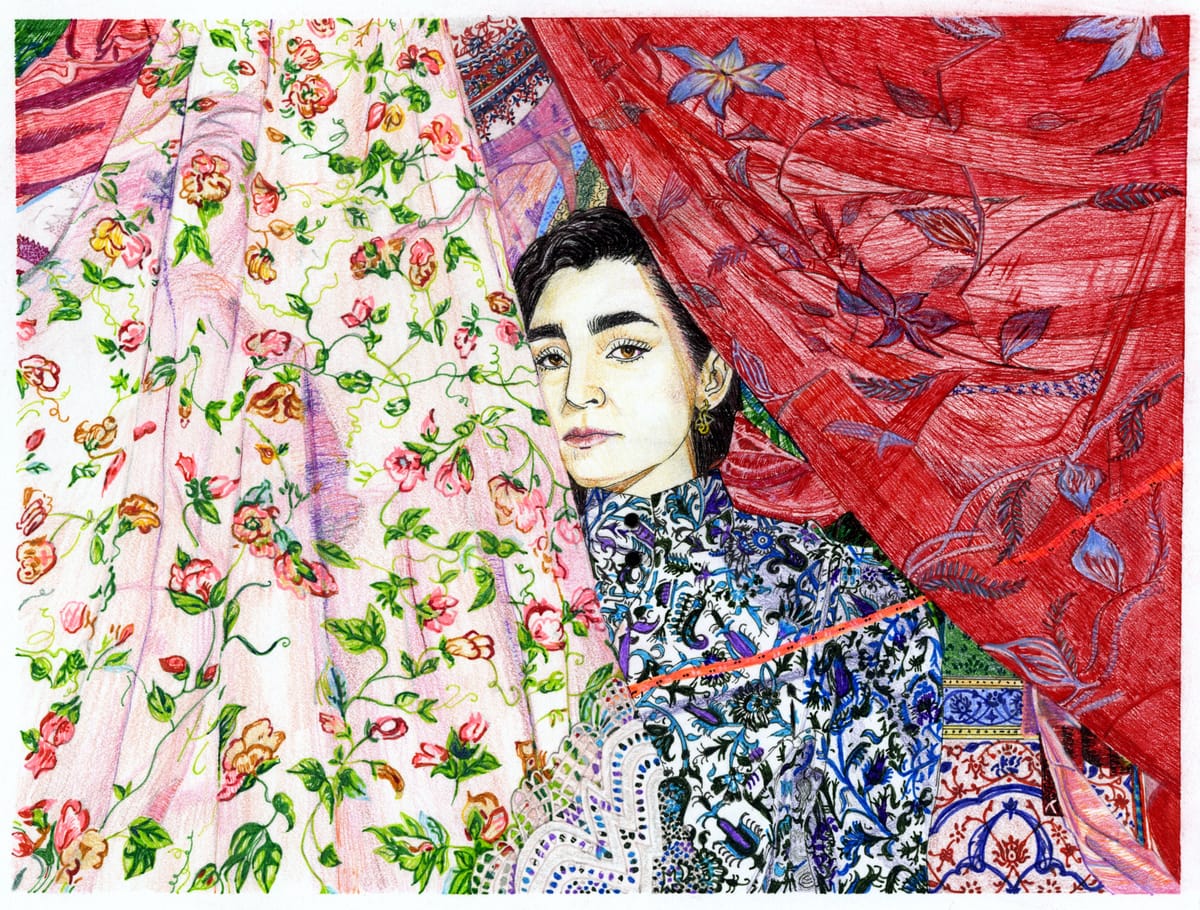
The Alborz Mountain range is bombed in my hometown and becomes a fragile line on a map. Dark clouds fill the sky over Tehran; black rain flows on the streets I once walked. I watch explosions from far away through fragments of video, asking myself: How far was that from my mother’s house? I am certain the shockwave reached her.
News arrives through the thin glass of my phone screen, and it feels as if the sky itself has collapsed onto the earth. Distance does not soften the terror. It only deepens my helplessness. In moments like this, I realize that geography is not measured in miles, but in attachment. War rearranges distance.
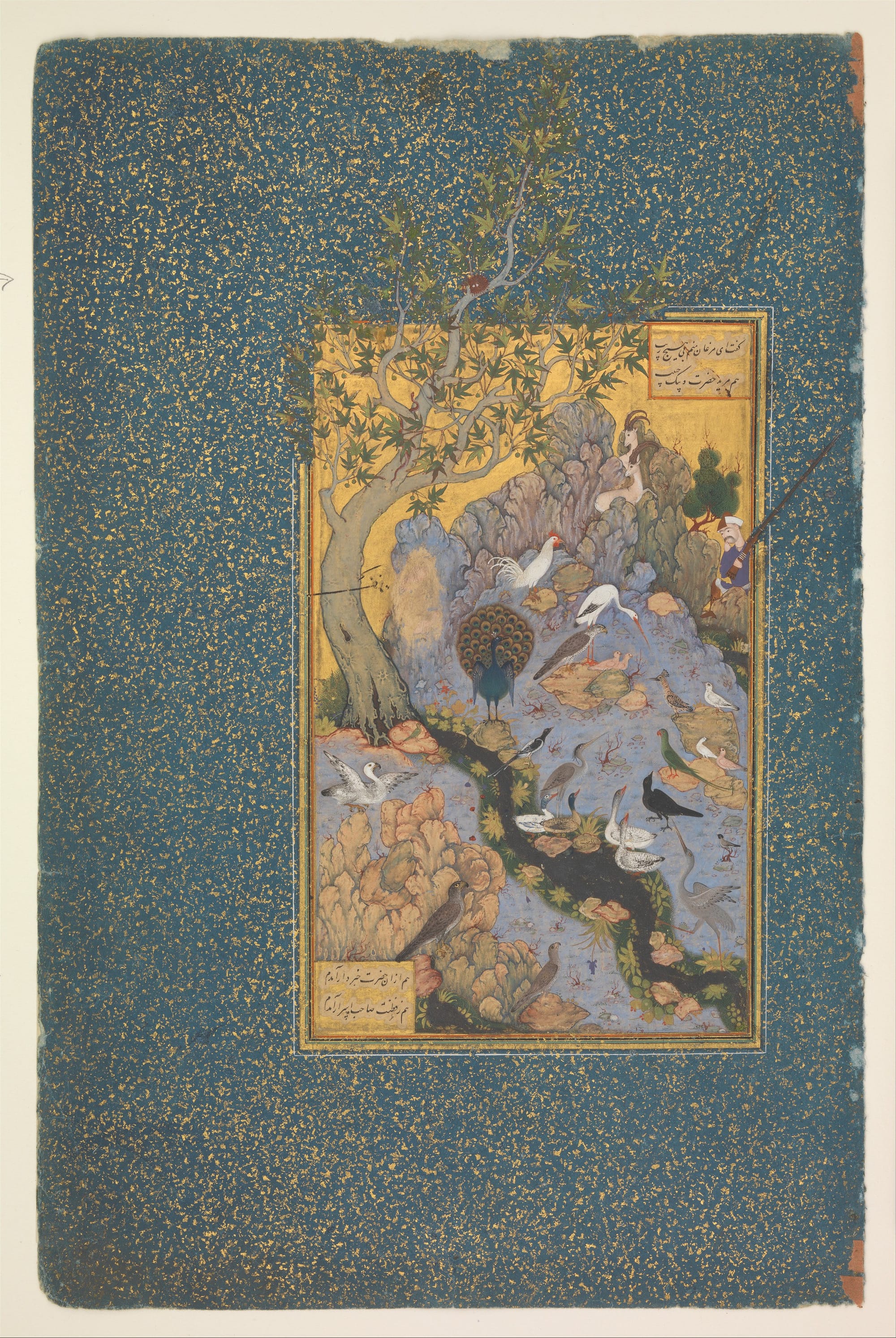
These days I find myself returning to "The Conference of the Birds," the 12th-century poem by Attar of Nishapur (Farid al-Din 'Attar). In the story, the birds of the world gather to search for their king, the Simorgh. Their guide, the wise hoopoe, tells them that the journey will take them through seven mystical valleys, each a test of their resolve. Many birds refuse to begin the journey. Many more die along the way. By the time they reach Mount Qaf, only 30 remain. When they finally arrive, they discover not a king waiting for them, but a mirror. In Persian, si morgh means “thirty birds.” What they had been searching for was not somewhere else. It was themselves, together.
I was first introduced to this story in a Persian literature class in high school in Tehran. At the time, it felt like a mystical allegory. Now it reads like a psychological map.
Since the war began, I feel as if I am living inside a shadow. It has no physical form, yet it follows me everywhere. I wake up in New York and immediately reach for my phone. I can barely sense my surroundings. There is only placelessness, fear, longing, and sometimes a burst of tears. My body has stopped participating in the ordinary routines of this city, while my mind is constantly in Tehran.
Diaspora often means living a parallel life. But in moments like this, the division becomes unbearable. One life continues here, where everything appears normal and functional. The other unfolds somewhere else entirely, inside a place that can only be reached through imagination and worry.
In Attar’s poem, each bird hesitates for a different reason. The birds are not simply characters; they are facets of human nature. Reading the story now, I see something else in them as well: the psychology of exile. Each bird clings to something that makes the journey impossible: love, attachment, fear, annihilation, wonder, or a certainty about who they are.
These days, I also think about the destination of Attar’s birds. They fly toward Mount Qaf, the mythical mountain where the Simorgh lives. In Persian cosmology, Mount Qaf is sometimes linked to Hara Berezaiti, the primordial mountain that later became associated with the Alborz range — the same mountains that rise above Tehran.
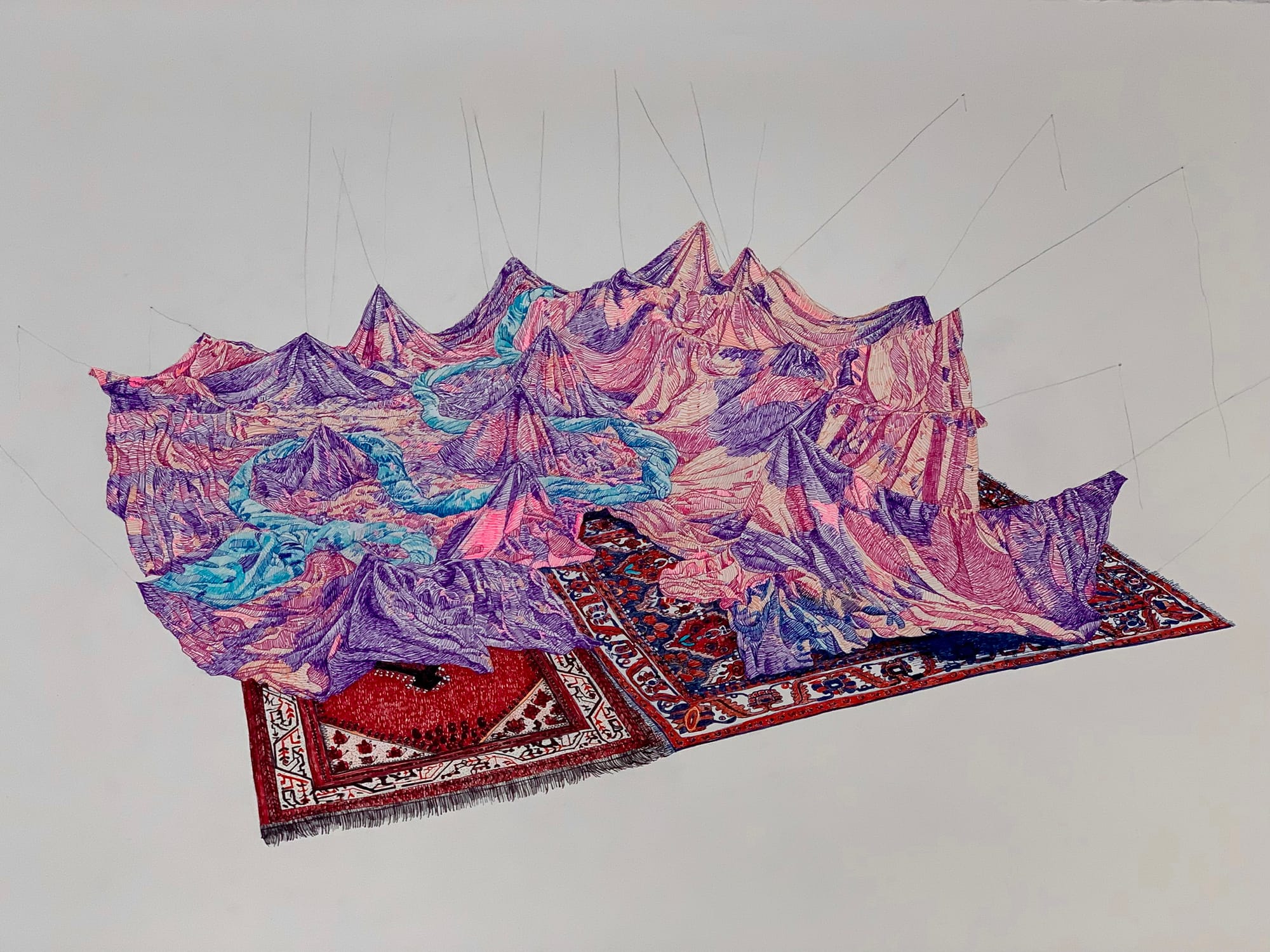
The birds in Attar’s story travel across seven valleys in search of a truth that seems far away, hidden beyond the edges of the world. But for me, that mythical mountain has always been part of the horizon of home.
Now those mountains appear in videos of explosions.
My mind, as an immigrant, keeps flying back across oceans, circling the same sky over the Alborz Mountains where my body once belonged. I do not know whether I am absent from the mountains, or whether the mountains are absent from my life here.
Like Attar’s birds, we travel enormous distances only to discover that the place we are searching for has never stopped living inside us. Perhaps the journey was never meant to bring us somewhere new. Perhaps it only reveals how deeply we remain bound to the landscapes that first taught us how to see the sky.
But Attar’s story also reminds us of something else: not all the birds reach the mountain. Many never begin the journey. Many turn back along the way. Only a few arrive. And I find myself wondering, in a world fractured by war and distance, who among us will reach that mirror.
Since you thirty birds remain lost in wonder,
heartless, restless, and bereft of life.
We are far worthier than the Simorgh,
For the true jewel of the Simorgh is none but ourselves.
Attar of Nishapur
چون شما سی مرغ حیران ماندهاید،
بیدل و بیصبر و بی جان ماندهاید،
ما به سیمرغی بسی اولیتریم،
زانک سیمرغ واقعی گوهریم.
عطار نیشابوری