In Battle Over Auschwitz Watercolors, Roma Victims Are Getting Left Behind
As the legal dispute over the paintings’ ownership continues, no one seems to be asking: What were their names? Who may still be grieving their deaths? What decision would best honor them?

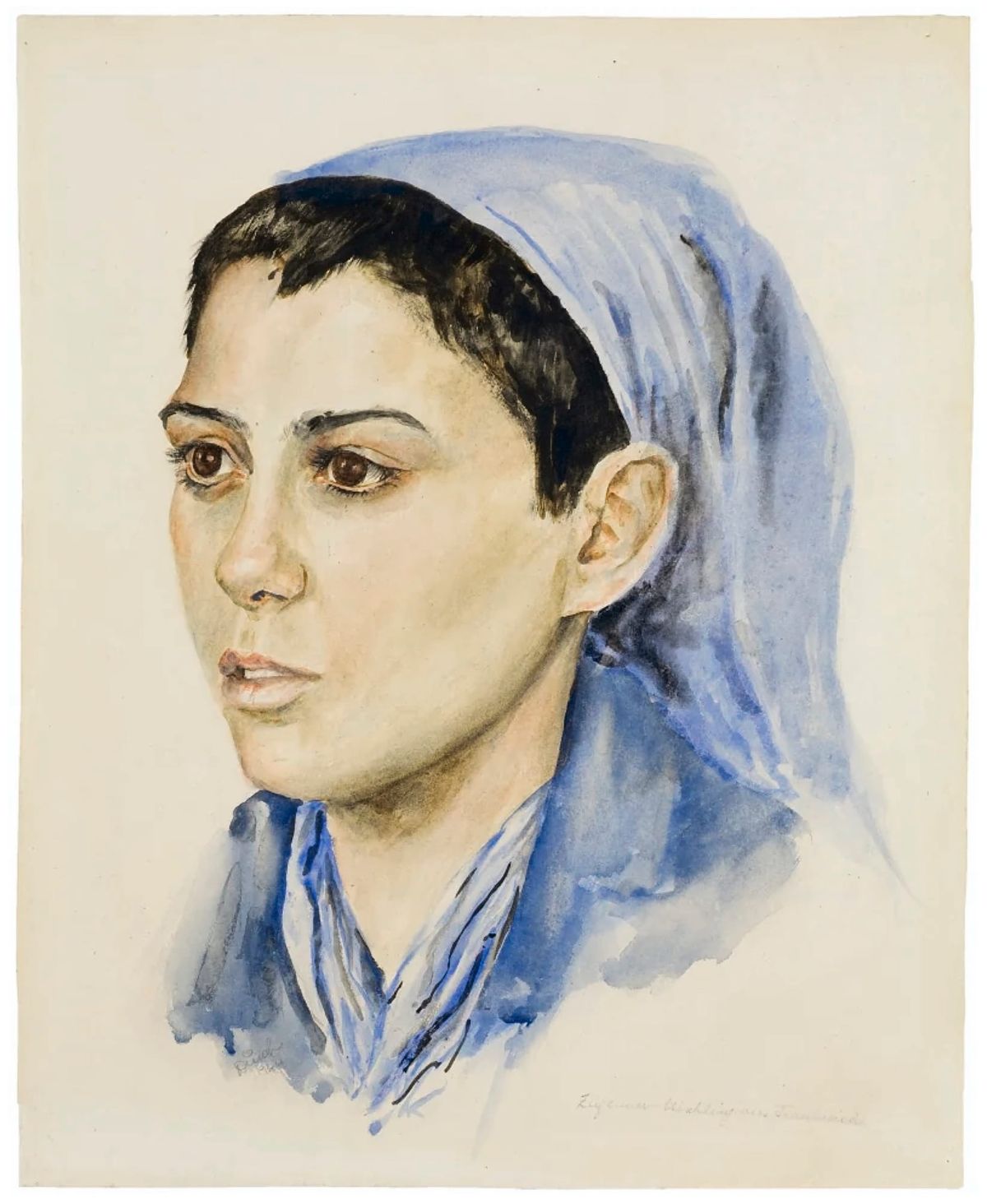
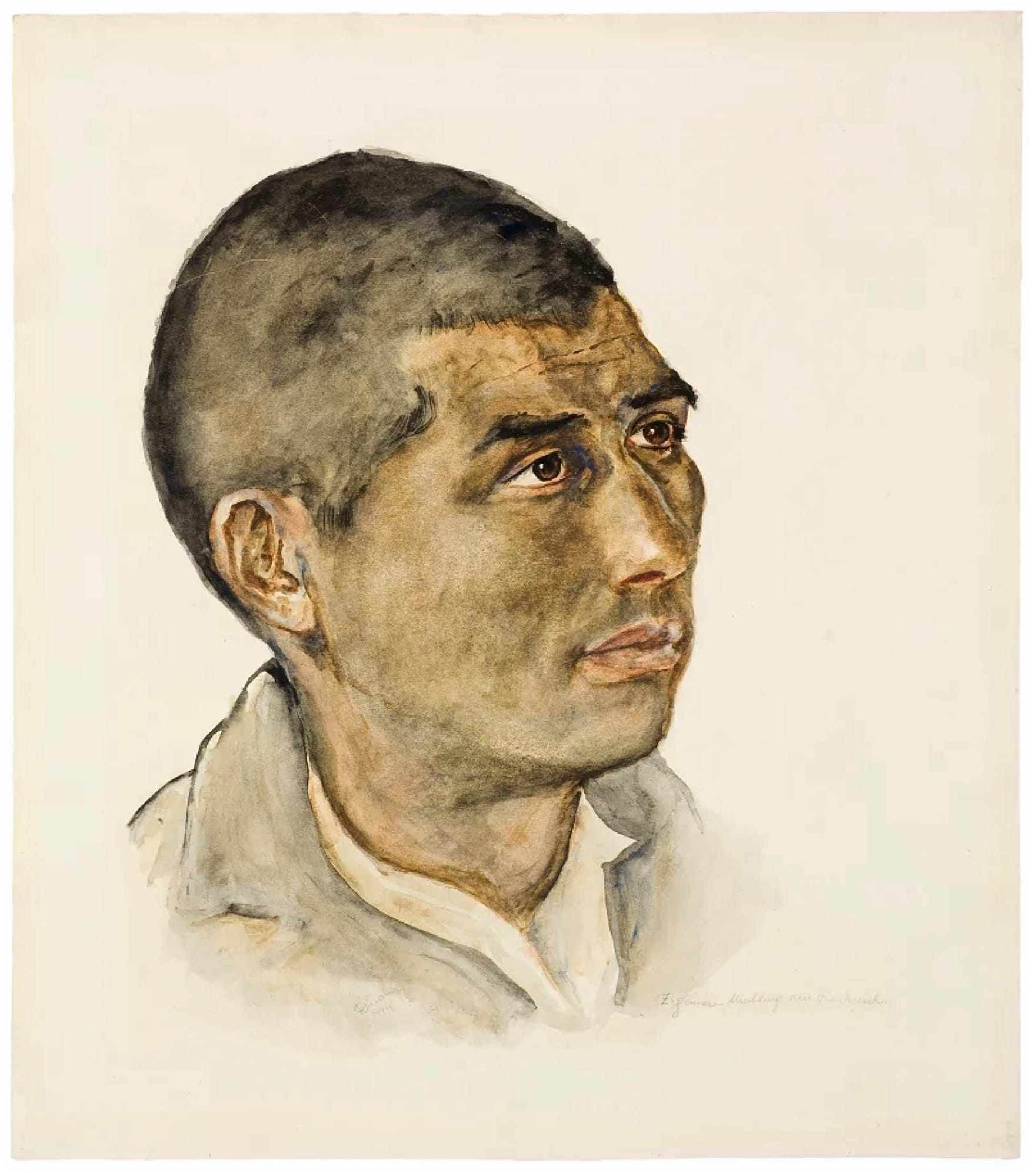
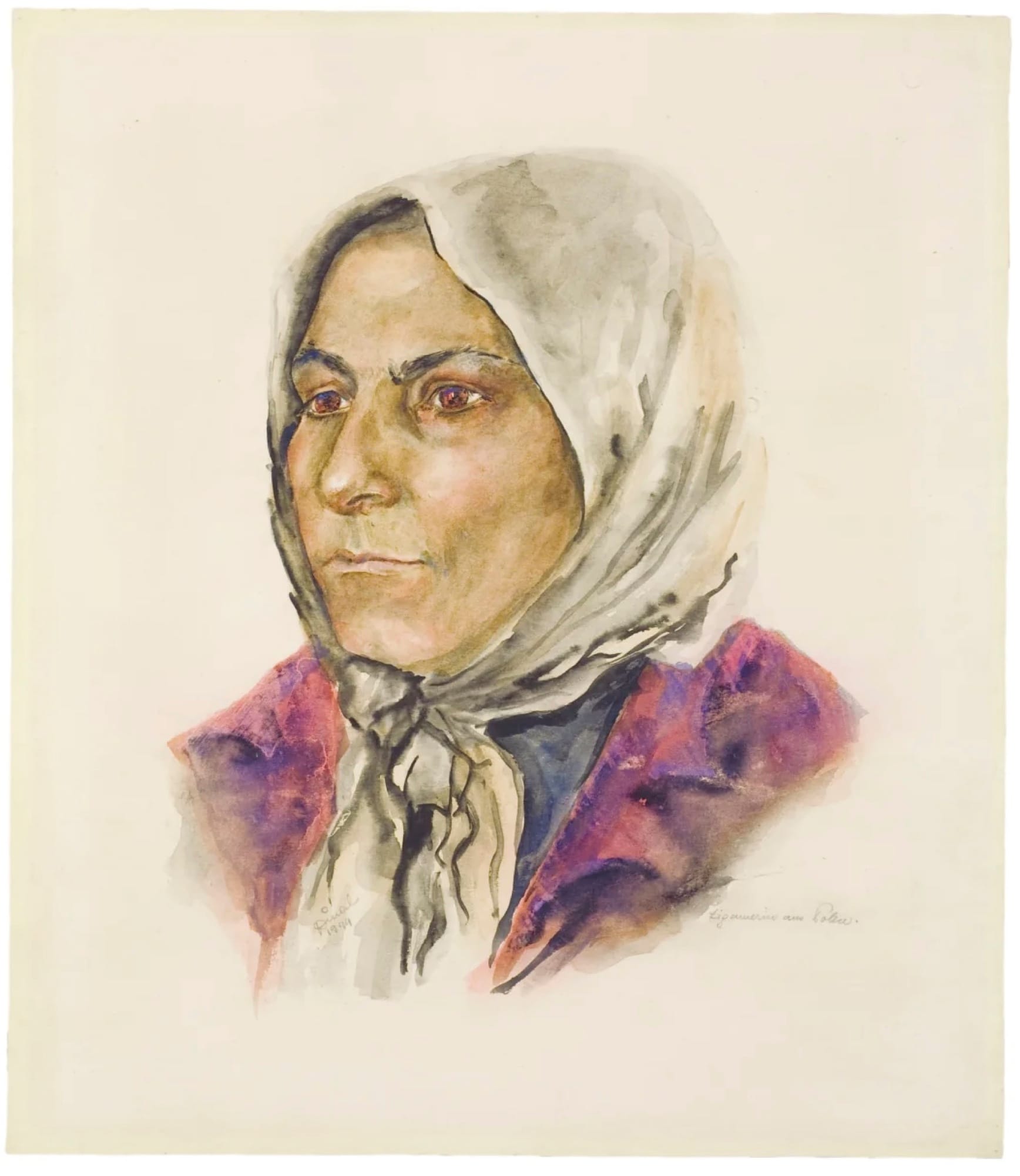
The decades-long ownership dispute between the family of late Holocaust survivor Dina Gottliebova Babbitt and the Auschwitz-Birkenau State Museum over seven watercolors depicting Roma prisoners is back in the news. That's because the dispute culminated in a California lawsuit initiated by her daughters 17 years after their mother's death.
Nicknamed the “Angel of Death,” Dr. Josef Mengele ordered Babbitt to portray the traits of Roma prisoners as part of his pseudo-scientific experiments to prove what he perceived as their racial inferiority. Under these extreme life-and-death circumstances, Babbitt created the watercolors to save her life as well as her mother's. All the Roma people forced to pose for these portraits were later executed.
The news coverage and conversations around the ownership dispute have long missed an essential frame through which to view this tragedy: the rights and dignity of the Roma people who were depicted, killed, and forgotten. What decision would best honor them? How do we stop the harmful experiment's long-term impact from further stigmatizing Roma identity?
I have immense compassion for Babbitt. Although she moved to the United States and had a prolific career in animation, Babbitt tried to obtain the watercolors until her death in 2009. She described a visceral need to hold the watercolors again in a 2009 interview, and often tried to recreate the paintings from memory.
As a Roma woman and scholar, knowing what it is like to be born into a marginalized identity, I am duty-bound to engage with the broader implications of these watercolors. In this tragedy, the Roma prisoners were posed by Mengele in anticipation of their death as part of an experiment meant to degrade their humanity; yet, they are often discussed as the least important party in this dispute over the ethical issues concerning ownership of the watercolors.
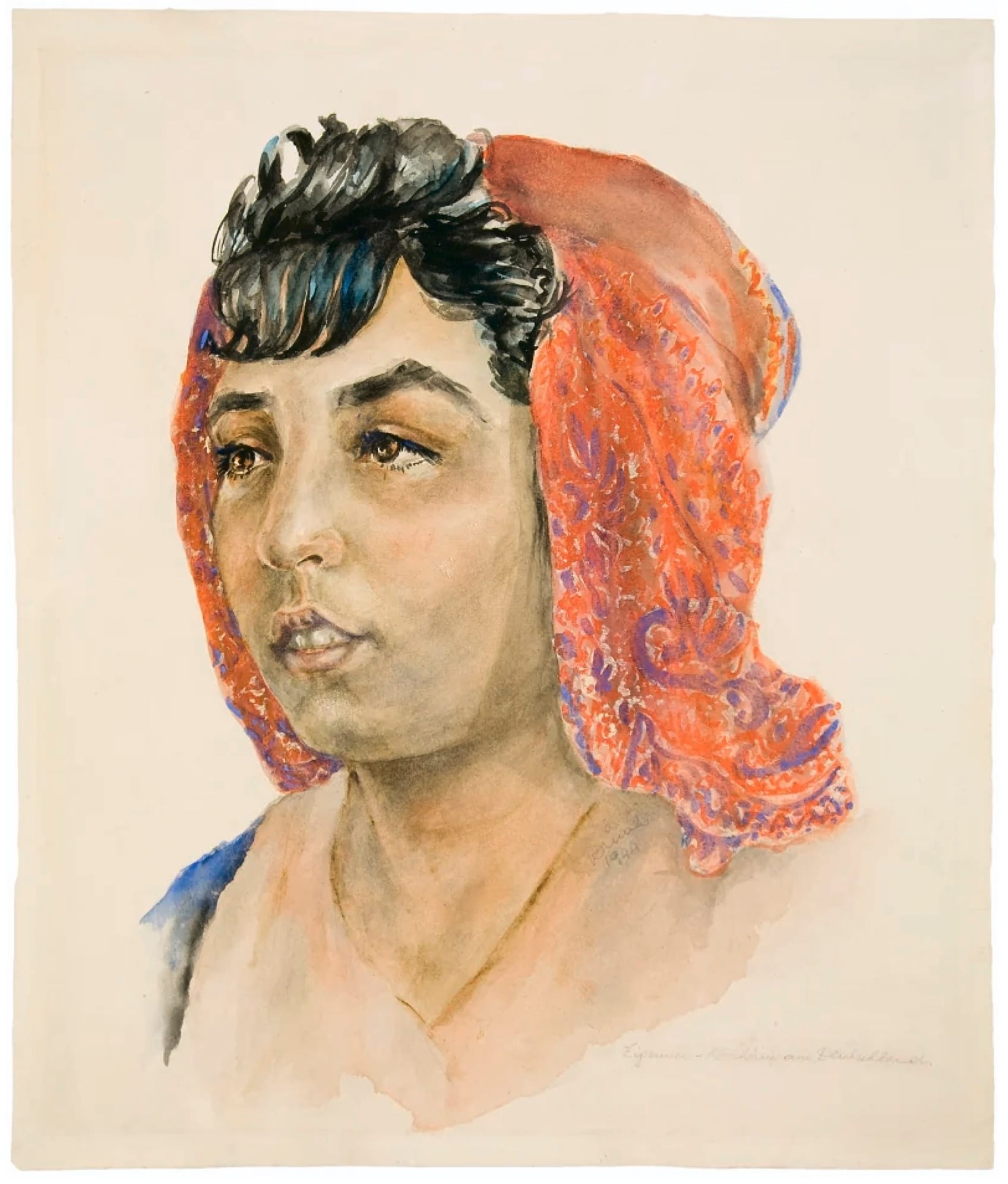
A recent article in the New York Times references the Roma victims in passing and, by doing so, fails to engage with the loss and injustice suffered by the people depicted in Babbitt's paintings. Is there even an attempt to learn their names — all unrecorded, save for one woman Babbitt identified as Celine in a 2006 interview with NPR — and stories? Do any have survivors grieving their loss? The article, along with other news coverage, does not explore these questions nor the experiment's long-term damage to the Roma people.
Additionally, in the same video from 17 years ago, the journalist casually refers to them as "the Gypsy faces," an uninformed and derogatory perspective that, for us Roma, is all too familiar. Since then, some reporters have begun to avoid the pejorative term but still don't know much about Roma people and history.
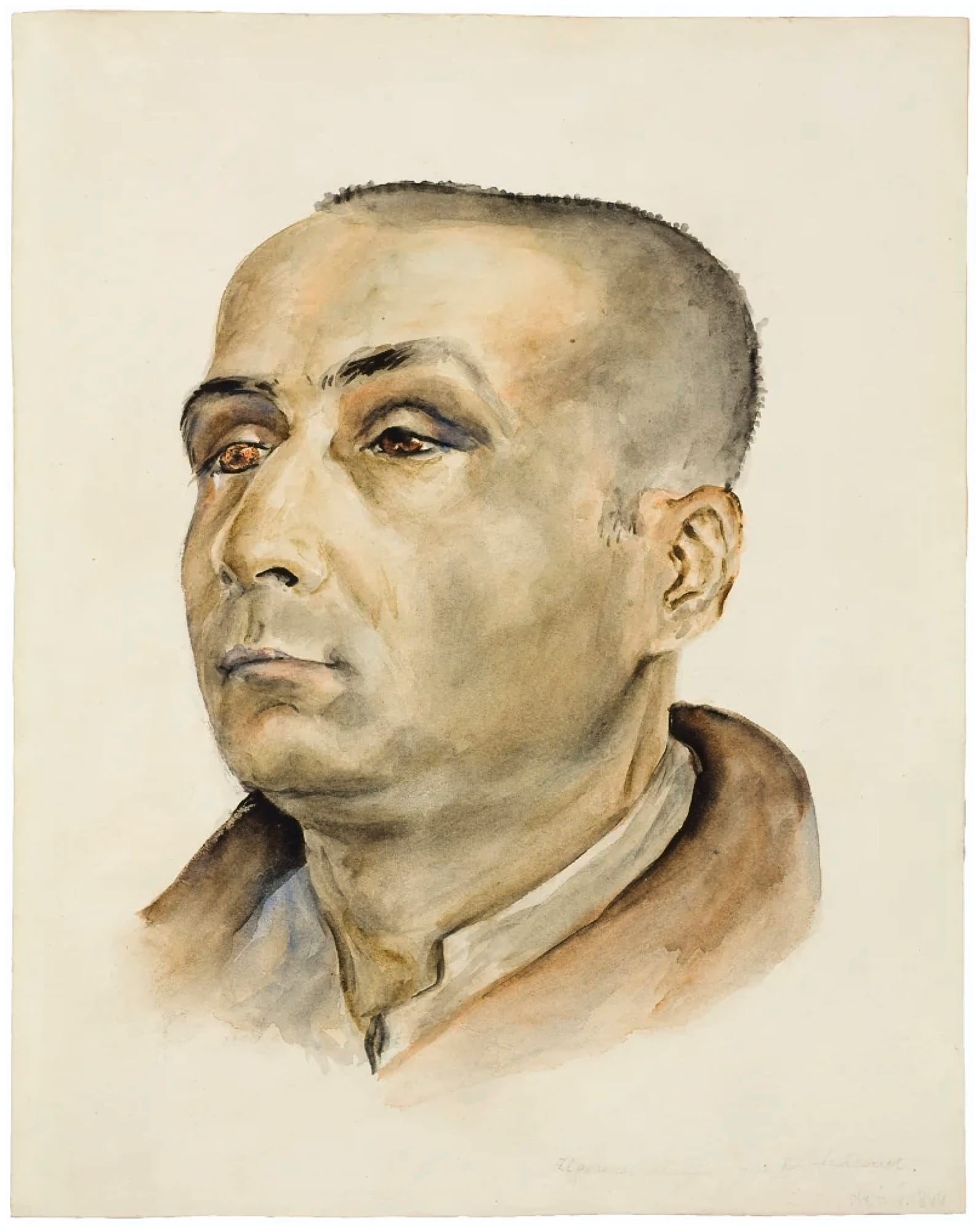
Under normal circumstances, sitting for a portrait is an honor intended to shed light on one's humanity; usually, it involves an exchange between the artist and the subject. But in the Auschwitz laboratories of death and destruction, as in other sites of oppressive systems of dominance and violence, portraiture and artistic tools became distorted into ammunition to humiliate and exterminate. These Roma "sitters" received only death, their faces bound to Nazi experiments meant to cast their ethnicity as subhuman. What would justice look like for them?
Roma victims of the Holocaust have received little to no acknowledgment or restitution despite the continued effects of that trauma; ours is often referred to as the "Forgotten Holocaust." During what we call the Porajmos, meaning "the Devouring" in the Romani language, the Nazi regime killed an estimated 250,000 to 500,000 Roma people. Some scholars argue the true toll is significantly higher, though exact numbers are difficult to determine due to insufficient documentation during and after the genocide.
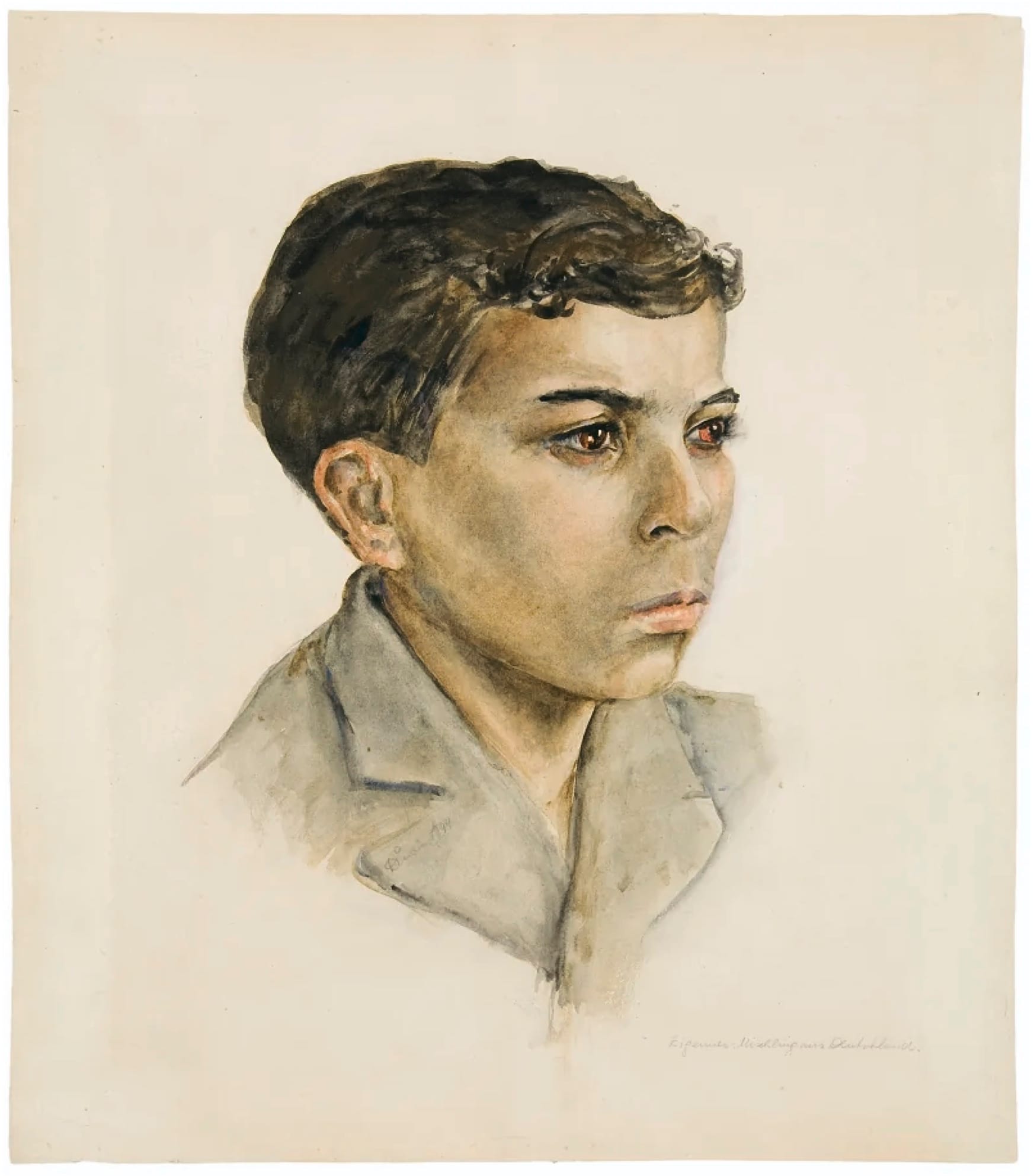
The long-term consequences of this history are not a matter of the past; they are still shaping Roma reality today. The Roma peoples, who live in many parts of Europe as well as the United States and elsewhere, continue to be pushed to the margins, scapegoated, and economically and socially excluded. Acts of discrimination, mockery, and hostility occur daily.
Ironically, despite the horrific intent of Mengele’s experiment, Babbitt captured the profound and expressive humanity of these men and women. Some remind me of Roma I knew growing up in Romania — decent people of modest means; others look like members of my own extended family.
One elderly woman defiantly gazes out at us, daring us to look away. A middle-aged Roma man looks dignified and youthful, yet his medium-length wavy hair is prematurely white. Celine, a younger woman in a striking blue dikhlo, looks determined and dreamy, as though she still had her life ahead of her. What stories are written between their wrinkles and hidden behind their intense expressions?
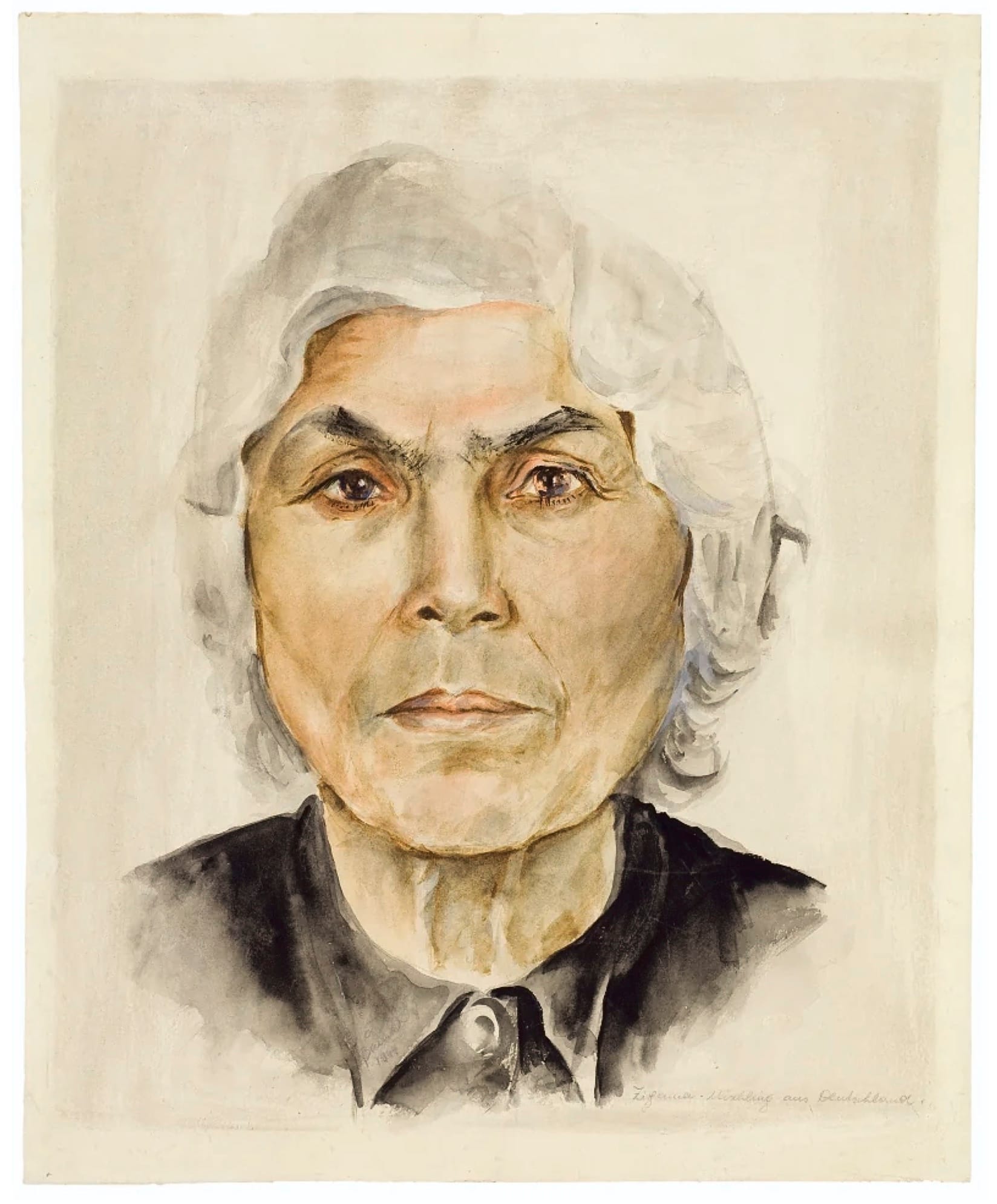
I hope future exhibitions will further engage with these images and research their stories in ways that honor the memory of both the painter and the subjects. Regardless of the outcome of the legal case, we must work to disentangle the watercolors from the barbaric experiment that birthed them, offer peace and justice to the heirs of the artist who died longing for them, and restore dignity to the Roma subjects whose lives were cut short.
Recently, a non-Roma friend of mine was deeply moved by the beauty and humanity of those portrayed, especially the elderly woman. "I want to hug her," she said, and then went so far as to imagine the watercolors ultimately being part of a museum's dedicated Roma collection. Wouldn't that be something?