Jennifer Higgie’s Empathetic Elegy for Richard Dadd
In “Bedlam,” the author and art critic does not describe the English painter’s often-sensationalized mental deterioration. Instead, she writes the novel in his voice.

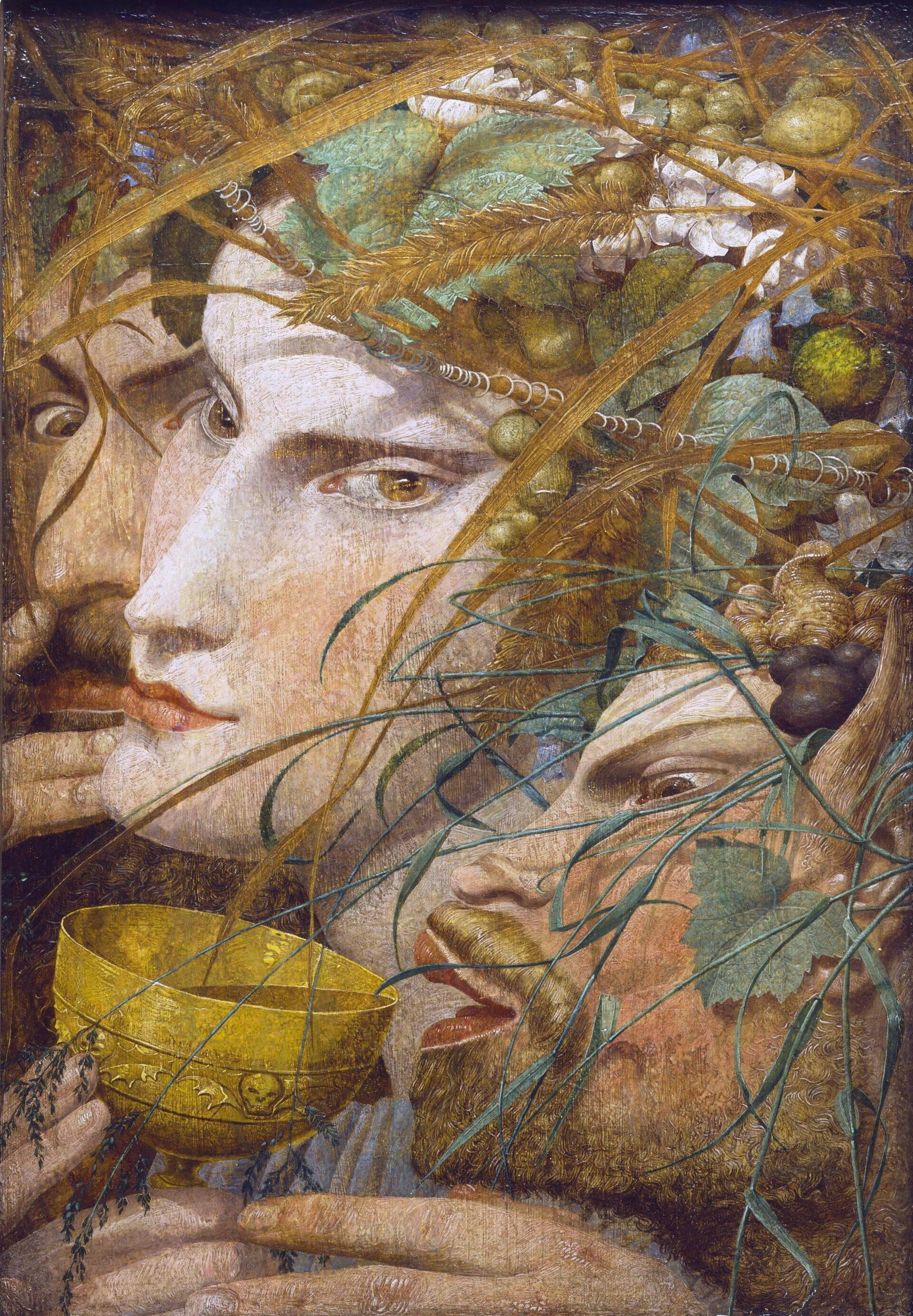
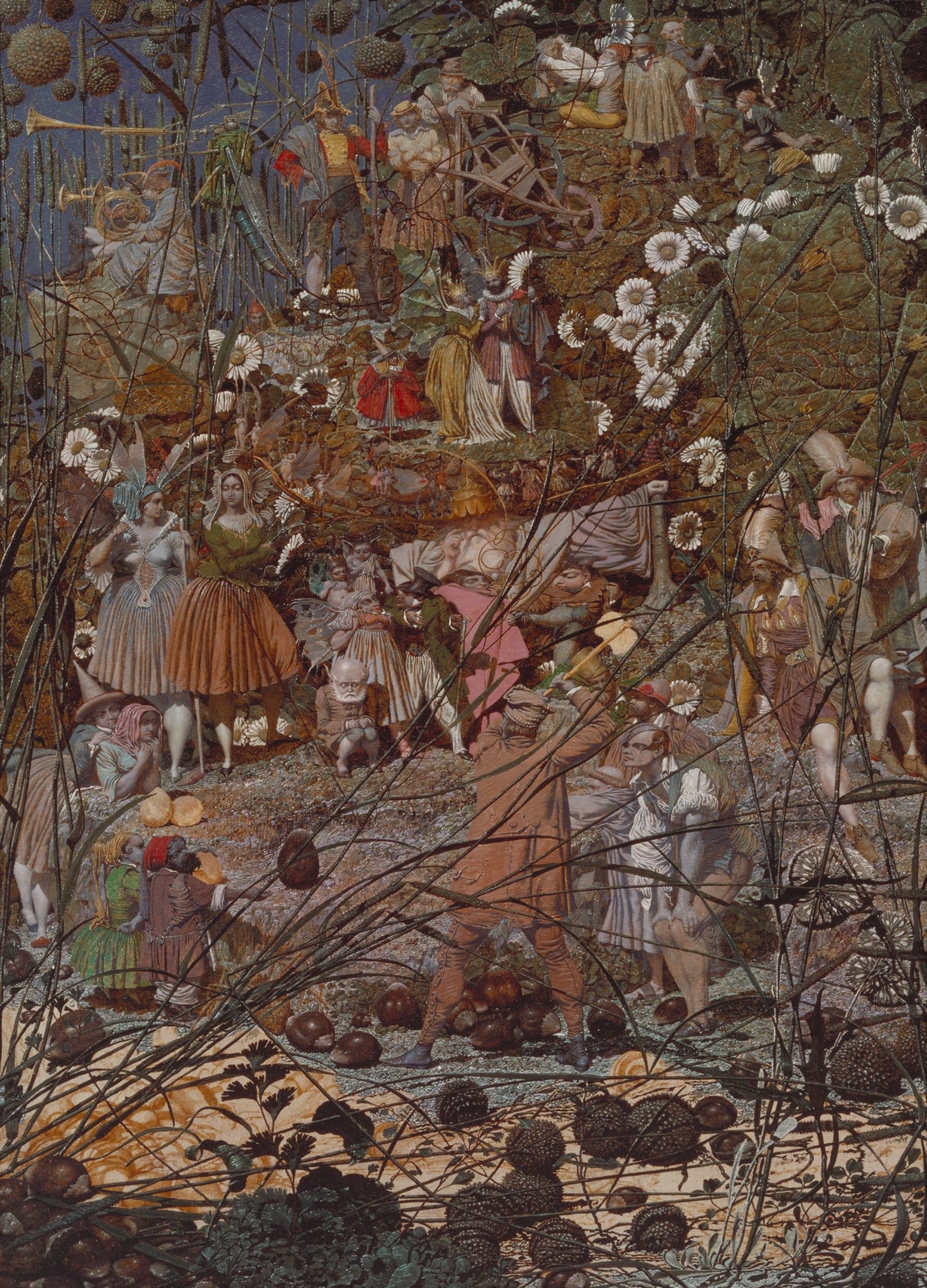
In English painter Richard Dadd’s “The Fairy Feller’s Master-Stroke” (1855–64), the ghostly, gray faces of well-dressed Victorians nestle among human-size dandelions and shrubs, partially obscuring a shrouded figure raising an axe overhead. The eerie work was painted at Broadmoor Hospital, a high-security psychiatric institution where Dadd was confined after his tenure at the famed Bethlem Royal Hospital, also known as “Bedlam.” Writer and art critic Jennifer Higgie captures a similarly uncanny world in her novel of the same name. Originally published by Sternberg Press in 2006 and re-released by Verso in July, Bedlam reimagines the painter’s infamous 1842 expedition through Europe, Southwest Asia, and North Africa as a draughtsman for a British nobleman, a journey that spurred a period of psychosis and resulted in Dadd committing patricide at age 26.
It’s this dark odyssey that propels Higgie’s fragmented, first-person account. Through diaristic, idiosyncratic snapshots, she translates Dadd’s uncanny, often Orientalist paintings and drawings into “his” own writing. Higgie’s bold approach illuminates the fragile boundaries between historically marginalized minds like Dadd’s and those of people who may never see the inside of a psychiatrist’s office. Truth and fiction merge and disjoint as Dadd moves toward crisis, a visceral and strange descent emphasized by Higgie’s choice to embody — not mediate or describe — his perspective. As Dadd says in Bedlam’s opening salvo from Broadmoor Hospital, “Perhaps it is the story that chooses the man … I did not write my life.”
But Higgie did. In her telling, Dadd’s psychosis emerges from the artist’s increasingly off-kilter understanding of the relationship between reality and its representations. Tasked with capturing his international trip in sketches for Sir Thomas Phillips, Dadd wonders why he should “bother” to recreate the Alps in front of him if his drawings “can’t help but be inferior to the original,” ultimately soothing himself with the idea that “a drawing is simply another mountain.” He agonizes over the differences between what he draws and what he sees: “In every wave a picture hides from me, but none I can mention or describe to my companion,” he says, traveling across the Gulf of Corinth. Later, near En Gedi, a desert near the Dead Sea and present-day Occupied West Bank, metaphors collapse into hallucination. “I see scorpions the size of men haunting ruins,” he says. “I crash into walls I do not see.”