Announcement
Over 300 Artists’ Studios Will Participate in This Year’s Gowanus Open Studios
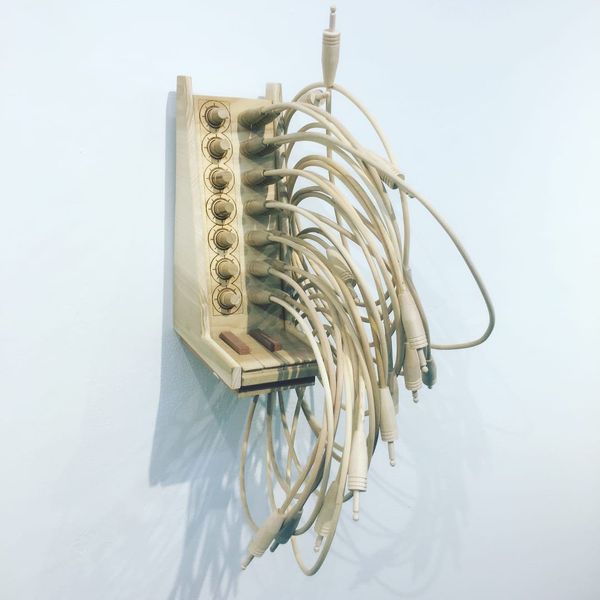
Gowanus Open Studios will take place Saturday and Sunday, October 20-21, noon to 6 pm. The weekend event is open and free to the public.

Announcement
Gowanus Open Studios will take place Saturday and Sunday, October 20-21, noon to 6 pm. The weekend event is open and free to the public.
In Brief
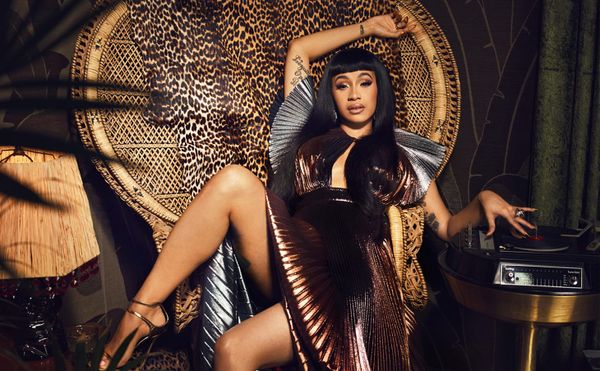
Mickalene Thomas revealed a unique side of Cardi B, photographing the rap superstar for W Magazine’s "Art Issue."
News
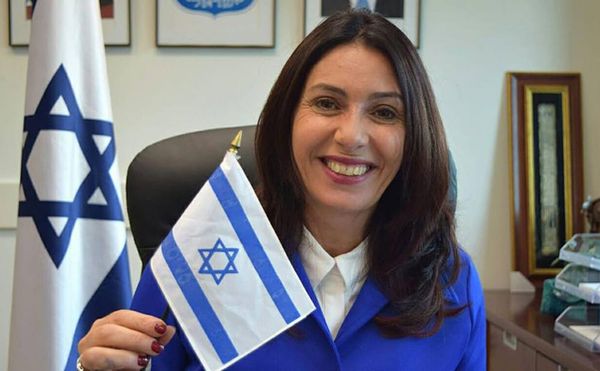
The new bill suggests that culture organizations that criticize the State of Israel or highlight the Palestinian national narrative will have trouble with government funding.
Art
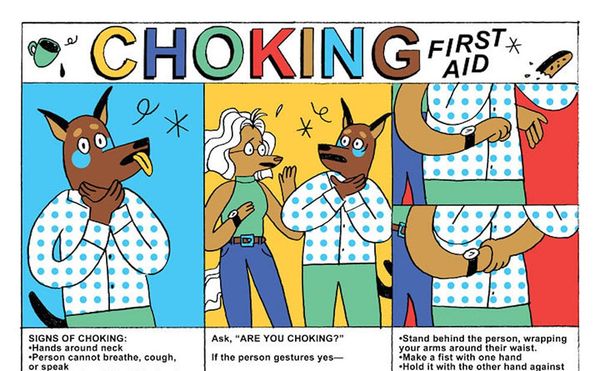
More and more restaurants are commissioning artists to give mundane compliance signage a creative makeover.
In Brief
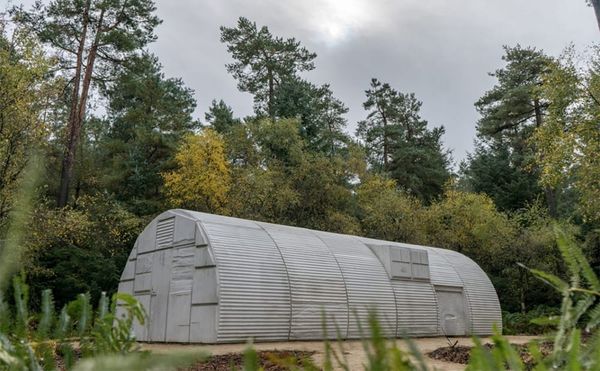
Deep within Yorkshire's Dalby Forest, the artist has constructed an homage to nature conservancy and the end of World War I.
Art
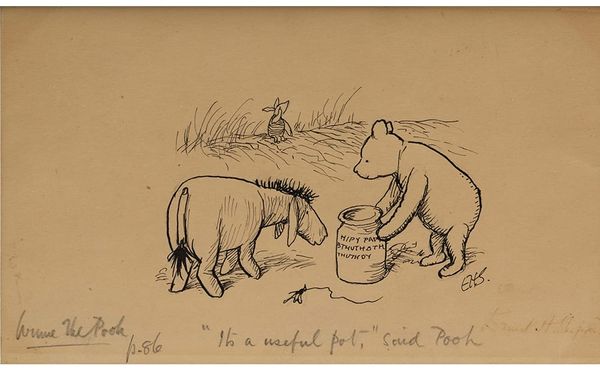
Word and Image at the Dallas Museum of Art emphasizes just how varied the art and technology of print can be.
Art
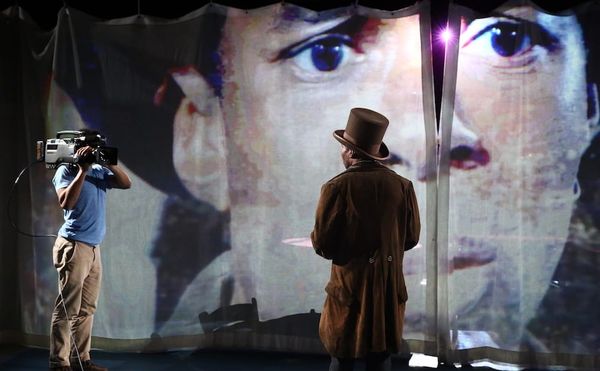
The eclectic programming includes one artist transforming into an alien before our eyes and J-Sette performances on the streets.
Poetry
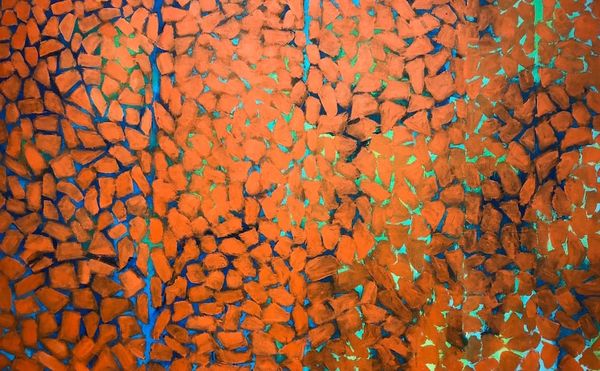
Our poetry editor, Wendy Xu, has selected two poems by Harmony Holiday for her monthly series that brings original poetry to the screens of Hyperallergic readers.
Art
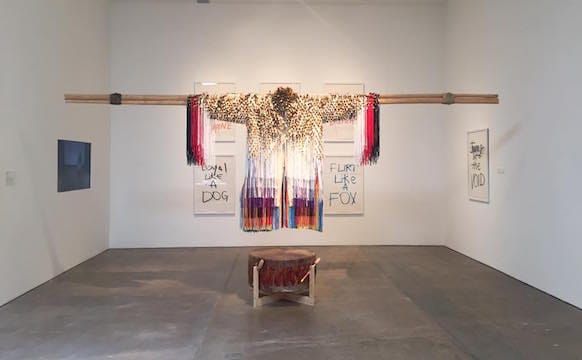
Despite curatorial missteps, 2018's SITE Santa Fe contributes to an ongoing and timely conversation in the Americas about identity, displacement, and colonialism.
In Brief
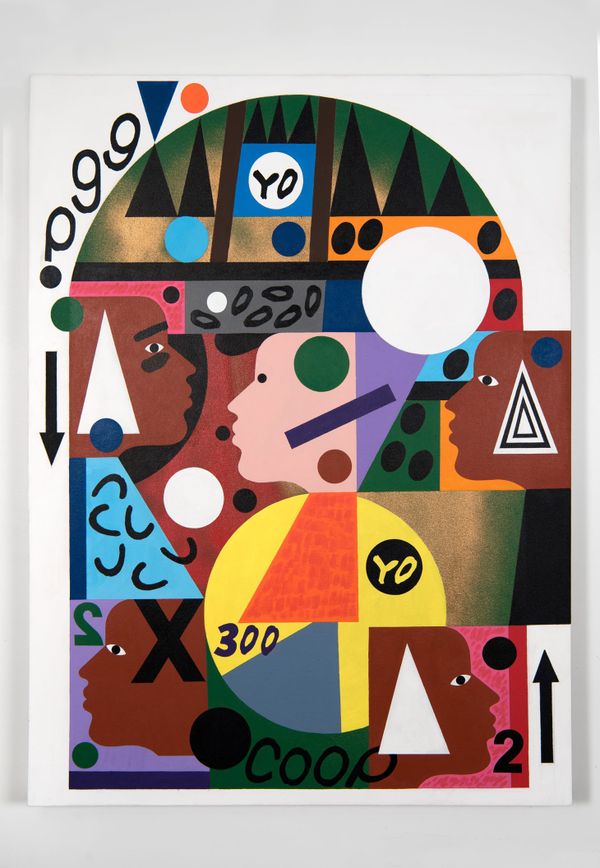
The late civil rights activist and Black arts patron Peggy Cooper Cafritz has bestowed the "largest gift ever made of contemporary art by artists of African descent" to the Studio Museum in Harlem and the Duke Ellington School of the Arts.
Announcement
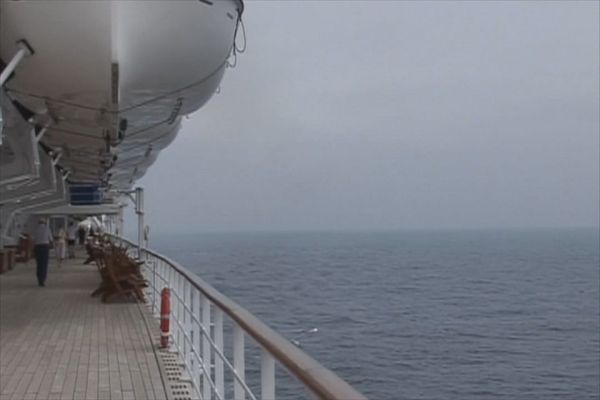
The exhibition is curated by Hans Ulrich Obrist, Gabriela Rangel, and Asad Raza. On view through January 12.
Opinion
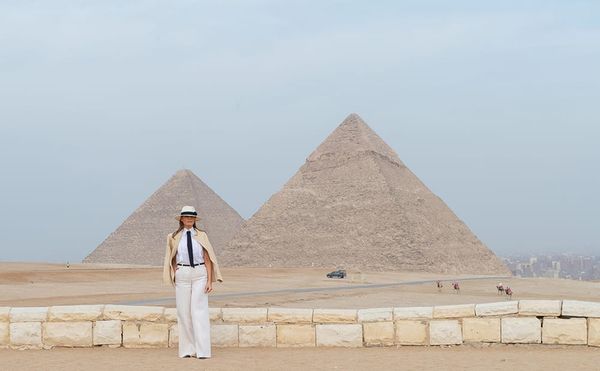
In a photoshoot in front of the Egyptian pyramids, Melania Trump reminds us that fashion is political.