
Interview
A Painter Who Cuts Up Figures with "Knife-Edge Stuff"
After beginning his career as a social “insider” who painted the upper echelons of British society, Justin Mortimer relaunched himself by painting dark, difficult, and disjointed works.

Interview
After beginning his career as a social “insider” who painted the upper echelons of British society, Justin Mortimer relaunched himself by painting dark, difficult, and disjointed works.

Poetry
Our poetry editor, Joe Pan, has selected two poems by Monica Ong for his series that brings original poetry to the screens of Hyperallergic readers.
News
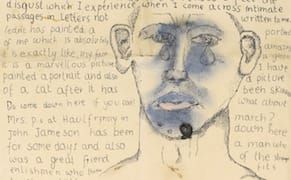
Most of us would be embarrassed if private letters we'd written in the notorious naïveté of youth were read by strangers.

News
On this week’s art crime blotter: cops catch Dale Chihuly employee stealing glass en masse, Nebraska teen lights sculpture on fire, and a Florida man's tin-foil-wrapped house is not a hit with neighbors.

Art
LOS ANGELES — This week, there's a contemporary apocalyptic opera, a collaboration with Afghan weavers, a film trilogy from a Mexico City-based artist, and more.

News
This weekend artist Tania Bruguera was arrested once again in Cuba, along with dozens of other activists, and was manhandled by the police.
In Brief
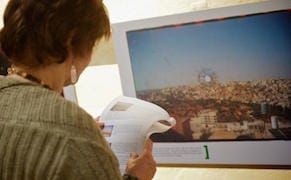
The Israeli government is coming down hard on a photography exhibition in Switzerland that features images of daily life in the Palestinian Occupied Territories.
In Brief
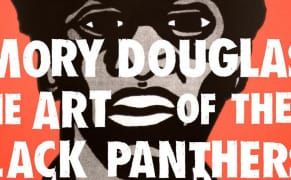
"Art has relevancy, whether it's to exploit you or pacify you, or to enlighten and inform you. It's a language, that's the power of it," says Emory Douglas, the artist who drove the graphic identity of the Black Panthers.
Announcement
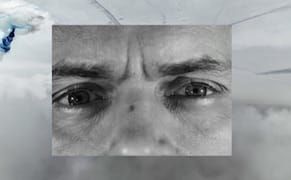
The Walker Art Center is excited to launch Walker Moving Image Commissions with new works by artists Moyra Davey and James Richards.[http://engine.nectarads.com/p/eyJhdiI6NzY4MzIsImF0IjoyMCwiYnQiOjAsImNtIjoyNTcyOTIsImNoIjoxOTMwLCJjciI6ODk1MTg1LCJkbSI6NCwiZmMiOjkzOTUxMiwiZmwiOjYxNTE0MiwiaXAiOiIxODQuN
Art
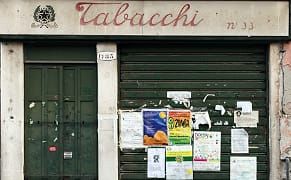
One of the most overlooked design casualties of global homogenization is regional lettering.
News
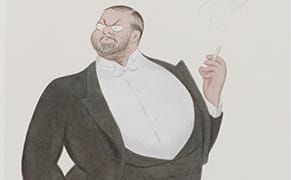
You might say that Boston was to John Singer Sargent what Florence was to Michelangelo.

Art
If painting were merely a style — just an evocative pose channeling the gestalt of a time and place — then Don Voisine’s spare, elegant abstractions might be the equivalent of Leonardo DiCaprio in a tuxedo.