Latinx Artists Are the New Visionaries
Without guarantees of commercial or institutional rewards, their work stems from a shared conviction: We have rich cultures to offer, and we will tell our stories by any means necessary.

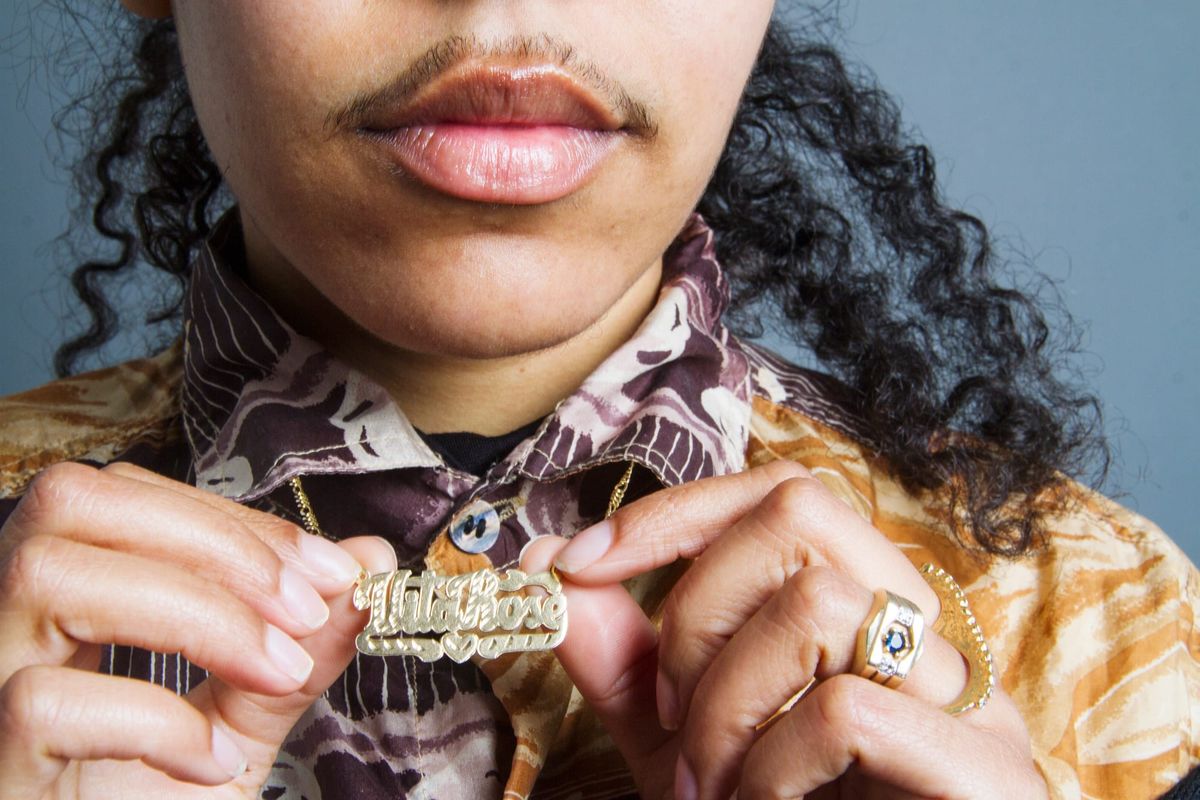
Latinx communities are facing one of the most aggressive series of attacks in recent history, with many families enduring the pain of separation, persecution, and dehumanization. But if you’ve been paying attention to Latinx arts and culture, you’ll see that as we are being told to hide and disappear, artists are stepping into newfound confidence, showcasing the full value and complexity of our identities. The work of these new visionaries is a rallying cry: Now is the time to write, create, and make art boldly — together.
Over the past several years, I have documented the work of Latinx creatives across public art, fashion, and independent filmmaking, and I believe we have every reason to feel unabashedly optimistic. Across these fields, artists are choosing to create work that is deeply rooted in their communities, drawing directly from vernacular traditions, oral histories, and family memories that were once pushed to the margins. They are using culture to reclaim heritage and reframe the narrative. This marks a distinct departure from older paradigms, where artists were taught — or forced — to believe that conforming to mainstream, assimilationist models was the only path to success. While they recognize there are no guarantees of commercial or institutional rewards, their work stems from a shared conviction: We have rich cultures to offer, and we will tell our stories by any means necessary.
Sometimes, their methods involve elevating vernacular and popular culture to expand traditional aesthetic repertoires. We see this in contemporary fashion with designers like Willy Chavarria and Raul Lopez (Luar), who draw from working-class aesthetics, immigrant youth, and urban street culture. Most importantly, these designers openly credit their sources of inspiration, making clear that Mexican-American communities and neighborhoods and Black and Brown queer nightlife are fashion-forward in and of themselves. They frequently use street-cast Black and Brown models to communicate a richer, more inclusive vision beyond traditional, Eurocentric runways.
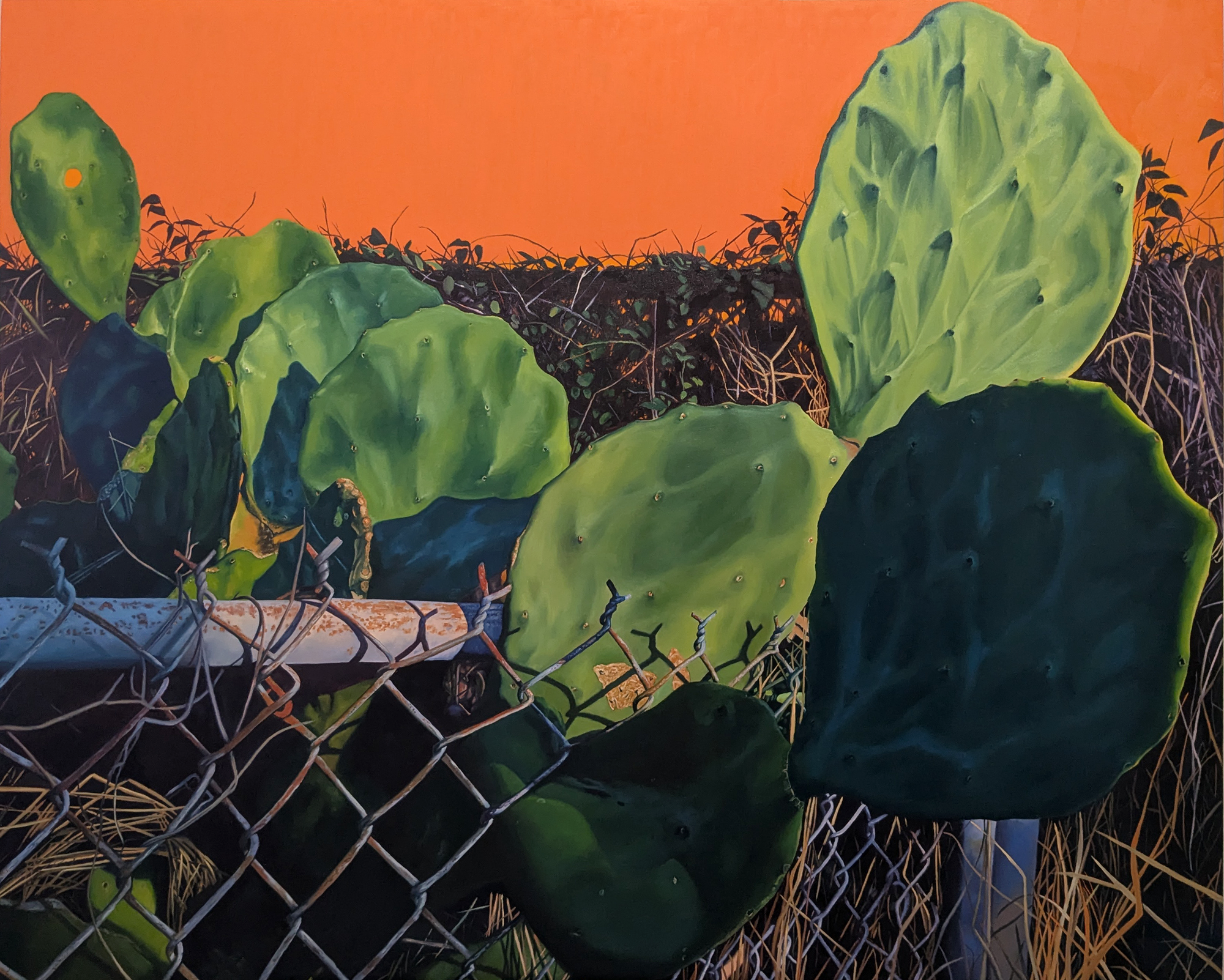
In other cases, artists reassess their communities' histories to directly challenge historical marginalization, as seen in the work of Gina Gwen Palacios in Brownsville, Texas. As SpaceX expands across the region, treating the land as empty of people and culture and ripe for corporate speculation, Palacios centers the rich legacy of Mexican-American communities and their direct links to the present. Through paintings that highlight her family’s legacy as fieldworkers alongside the underrepresented landscape of South Texas, Palacios elevates everyday elements such as nopales and mesquite trees to tell stories of migration, hard labor, and policing.
Against the settler-colonial myths propagated by SpaceX pundits, artist-led projects in the area, such as Boca Chica, Corazón Grande, have focused on crowdsourcing archival materials from residents to uplift their deep roots in the region. This effort reaffirms Boca Chica Beach’s identity as "the people’s beach," directly challenging claims that Brownsville and Rio Grande Valley communities are devoid of people and value, and merely sites for space launches, by centering residents' memories and their continued symbolic and living ties to the land.
The political significance of these types of projects cannot be overstated. While Guadalupe Rosales's landmark archival initiative Veteranas and Rucas has garnered considerable recognition in art circles, similar crowdsourced, post-custodial digital archives are emerging across Latinx communities nationwide. Examples include Nuevayorkinos, Documenting the Nameplate, Rhizomes: Mexican American Art Since 1848, and, of course, Boca Chica, Corazón Grande. By inviting community contributions, these platforms deliver the empowering message that everyone's history is inherently worthy of analysis and documentation.
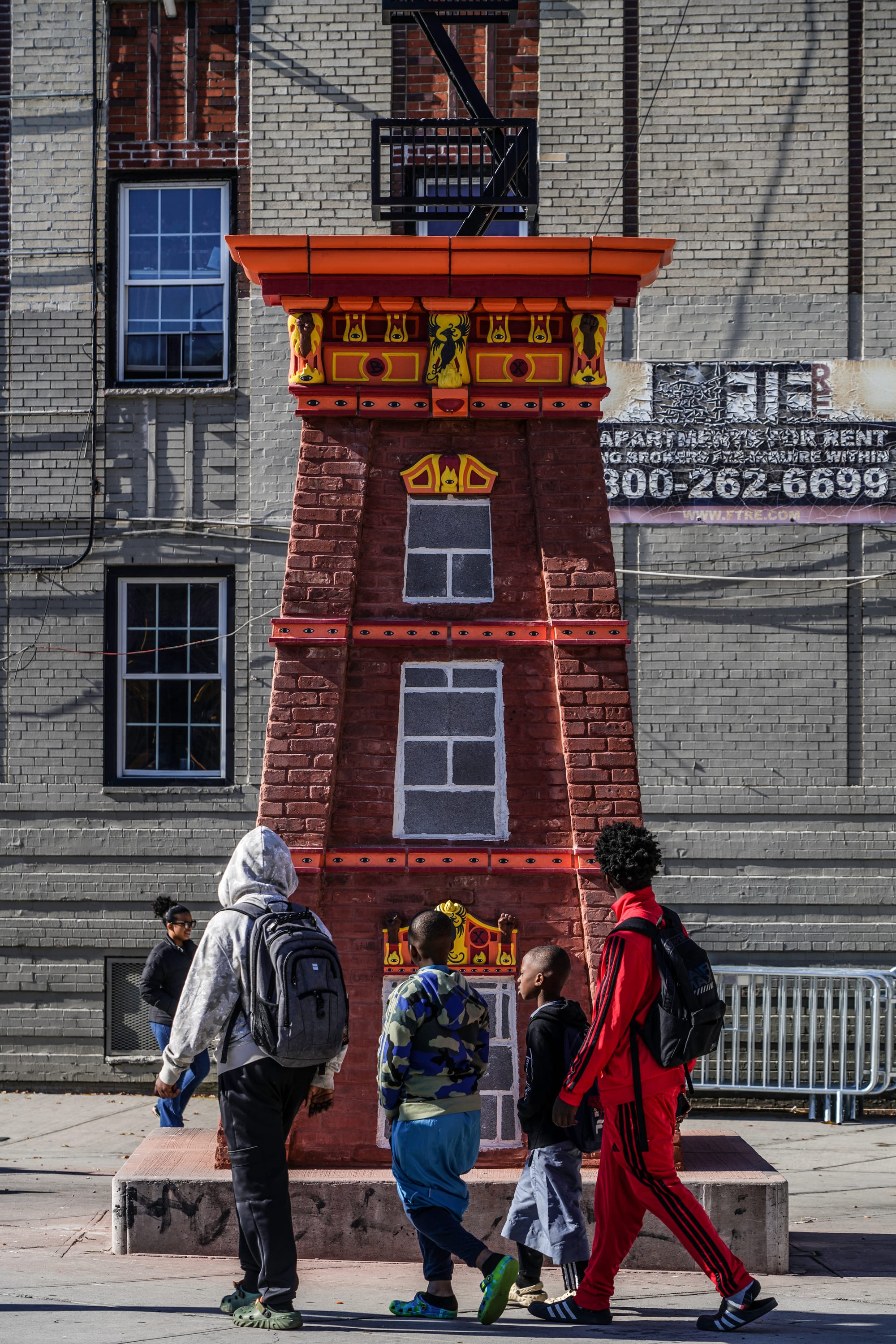
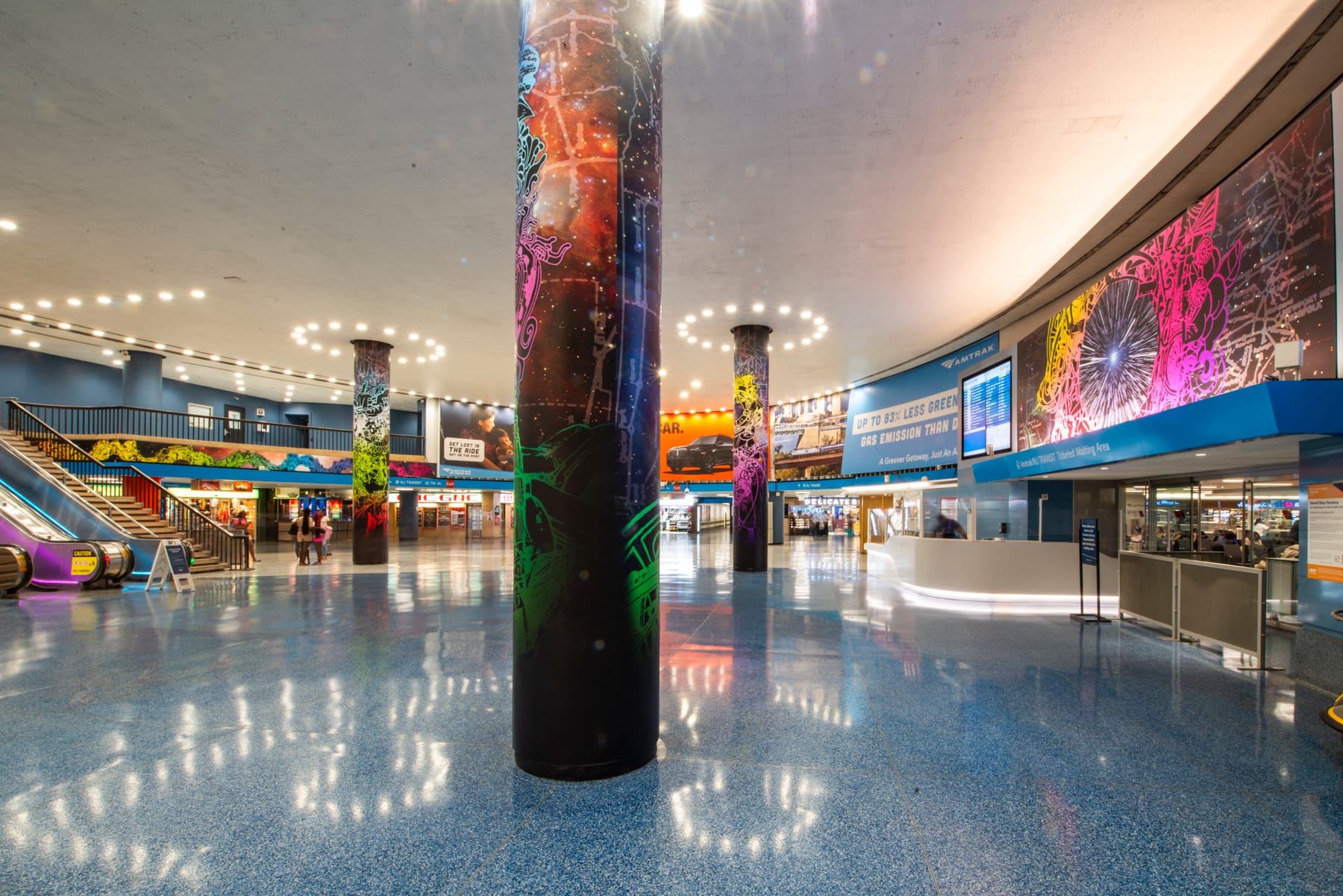
This spirit is also evident in New York City’s public art, where artists are Latinizing the cityscape through projects that draw on marginalized elements of history, such as Afro-Indigenous heritage and the city’s Latinx and multicultural history, challenging the erasure of their presence across the city’s memorial and monument landscape. Melissa Calderón, the first Latina to create a permanent public monument in the city, paid homage to Roberto Clemente with “Para Roberto” (2019), the first monument of its kind in the Bronx. Maria Magdalena Campos Pons’s “Procession of Angels for Radical Love and Unity” (2024) reframed New York City’s history from the perspective of its Black and brown residents in a performance filled with Orisha Santeria references. That same year, Edra Soto’s “Graft” (2024–25) took over the Doris C. Freedman Plaza in Central Park, inaugurating a sculptural installation drawing on Caribbean and Puerto Rican vernacular architecture. Think also of David Rios’s “Get Carried Away, You have the Right” (2023), drawing on Afro-Taino futuristic images in his installation at Amtrak, and Shellyne Rodriguez’s “Phoenix Ladder: Monument to the People of the Bronx” (2025), a reproduction of a Bronx building evoking the borough’s strength and rebuilding after the 1970s fires.
It is true that many of these artists remain marginalized, navigating a chronic lack of opportunities and resources. Consider the last time you saw a film by award-winning independent Latinx directors like Cecilia Aldarondo or Diana Peralta on a mainstream streaming home screen or in a theater. Yet when we look at the work itself — its courage, its artistry, and its local impact — the movement is undeniably transformative. It demonstrates that Latinx communities are resilient and that art and culture are powerful tools of empowerment and continuity.
This realization is vital not just for us, but for society at large. Appreciating Latinx art offers a clear path beyond the polarized, distorted representations that have dominated public discourse for so long. The narratives Latinx artists uplift are the very ones everyone must champion as we navigate the rapid rise of AI technology and the growth of violent capitalism. Artists in the Rio Grande Valley, for example, are fiercely defending the intrinsic value of their environment and history, reminding us that community and culture are ultimately priceless. Others are also confronting traditional histories and value hierarchies within creative industries while redefining what is considered fashionable, memorable, and significant.
Most importantly, artists’ visions have the potential to generate change in all of us. This work actively transforms the lives of future generations: raised with powerful models of resistance against dehumanization and persecution, their imaginations will remain free.
Arlene Dávila's new book, Visualizing Latinx: Creative Practices in Fashion, Film, and Beyond (2026), is now out through Duke University Press.