Laura Phipps Tapped to Lead Gochman Collection of Indigenous Art
The former Whitney curator will steer the NYC organization as it builds a permanent exhibition space in the Hudson River Valley.
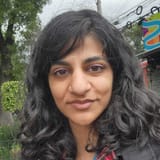

Laura Phipps, former associate curator at the Whitney Museum of American Art, has been tapped as the new director of the Gochman Family Collection (GFC). The news comes as the New York City organization prepares to open a permanent exhibition space along the Hudson River Valley this coming fall, creating a home for its renowned selection of contemporary Indigenous art.
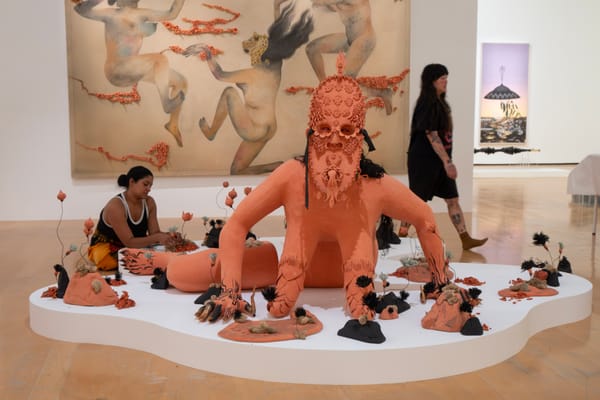
Co-founded in 2021 by philanthropist Becky Gochman and former gallerist Zach Feuer, the GFC is a private lending collection that primarily amplifies living Indigenous artists — including Cara Romero, Marilou Schultz, Ishi Glinsky, and Raven Halfmoon — through acquisitions and fee-free exhibition loans.
The collection comprises some 750 works, 260 of which have been exhibited in over 100 shows internationally. The Gochman family’s Upper East Side residence also offers public tours through the home display, ensuring that approximately 60% of the family's holdings are on view at any given time.

In an interview with Hyperallergic, Phipps said the forthcoming space in the hamlet of Katonah in Westchester County is a “new opportunity to show the collection in a more public-facing way, enabling people to access it on their own time as opposed to the tours.”
“We essentially have this blank-slate type of space, and we're looking forward to seeing what kind of connections it allows us to make between these artists compared to how the work is received in a domestic setting,” Phipps continued, noting that the Katonah location yields more opportunities to display large-scale works.
Gochman secured a handful of buildings about a minute's walk away from Katonah's Metro-North train station to make it as easy as possible to ride up and see the collection. Opening in phases, the location will boast 10,000 square feet of exhibition space in its final form.

Phipps, who spent 16 years at the Whitney and experienced the museum's transition from the Breuer Building to Gansevoort Street, said that she's excited to work through the set of challenges that comes with strategizing displays and storytelling in a space that's not yet complete. She also mentioned that “flexibility” is the keyword for the Katonah space, especially when it comes to “understanding and adjusting to what the local community needs from us.”
“One thing that's very unique about the GFC is that it grows out of both the love of art and desire to support artists, while understanding the need to cede control and be adaptable to the needs of artists in the collection,” Phipps explained.
She referenced the collection's intrinsic relationship to the governance structure and mission of the Forge Project — the Native-led arts nonprofit also co-founded by Gochman and Feuer and steered by Candice Hopkins (Carcross/Tagish First Nation) — and its commitment to Indigenous futurity.
“We have the same goal of sharing this work as much as possible,” Phipps said.

Phipps curated Jaune Quick-to-See Smith's retrospective, Memory Map (2023), at the Whitney, and co-chaired the museum's Indigenous Art, Artists, and Audiences Working Group, which was initiated in 2017.
“Laura understands that contemporary Native art is central to American art history,” said GFC Creative Director and Curator Rachel Martin (Tlingít) in a press statement. “Her collaborative, artist-first practice reflects our belief that collections can function as living, responsive ecosystems.”