Li Yi-Fan to Represent Taiwan at the 61st Venice Biennale
In the exhibition curated by Raphael Fonseca, Li Yi-Fan will continue his longstanding exploration of image-generation technology and improvisational narrative.

Taipei Fine Arts Museum (TFAM) announced that representative artist Li Yi-Fan and the TFAM team have invited Raphael Fonseca, the Curator of Modern and Contemporary Latin American Art at the Denver Art Museum (DAM), to serve as the curator of Taiwan’s representative exhibition at the 61st Venice Biennale in 2026.
Fonseca, a curator of the new generation from Brazil who is active in the international art scene, will engage with Li Yi-Fan, a member of the same generation, in a dialogue spanning regions and cultures. The representative exhibition will respond to the contemporary predicament of information and image overload, ponder the intricate connections and dialectics between humanity and technology, present how Taiwanese contemporary art resonates within the global digital milieu, and explore how individuals can participate in, understand, and construct the world they inhabit.
Screen Melancholy
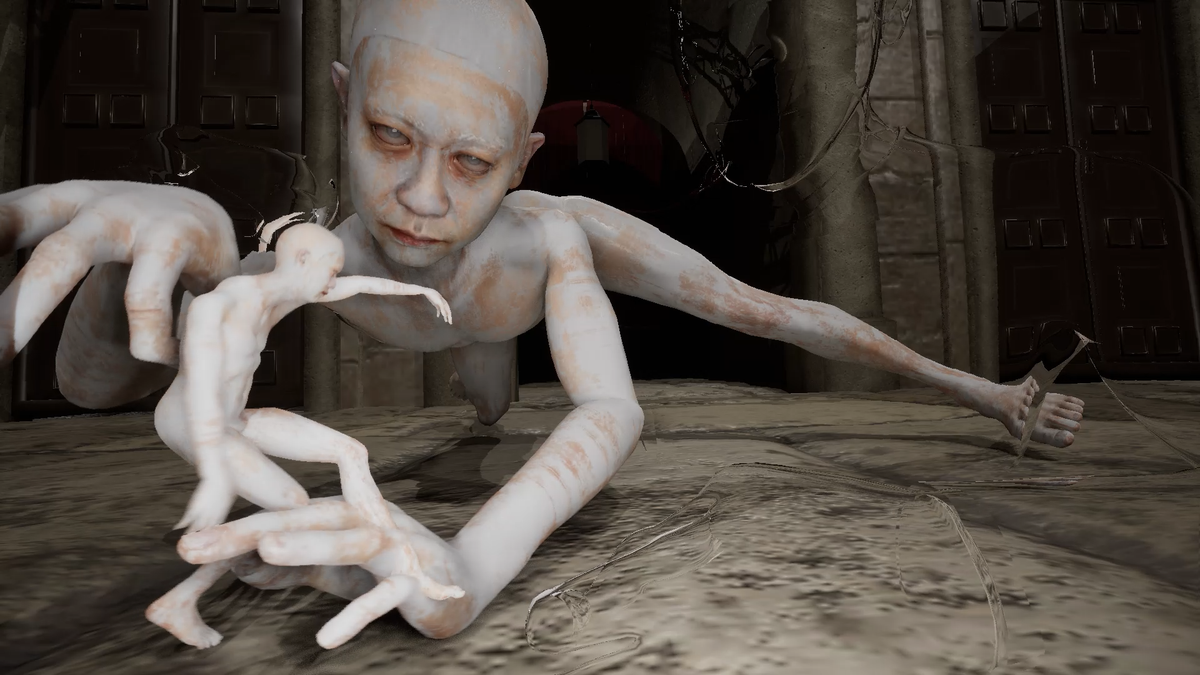
Taipei Fine Arts Museum has also revealed the title for next year’s Taiwan exhibition: Screen Melancholy. This phrase centers on a motif found frequently in art history, “melancholy,” as a response to the anxiety and gloom that arise when people face a world molded by today’s digital environment. The show will continue Li Yi-Fan’s exploration of image-generation technology and improvisational narrative, using his unique creative approach to challenge our habitual modes of viewing and perception. In an age of information overload and constant flux, he not only engages in technological innovation but also aims to raise questions about perception, subjective consciousness, and how humankind will express itself in the future. When we cannot fully grasp everything through reason or archival science, perhaps “melancholy” is all that remains as a means of responding to our present experiences.
For years, Li Yi-Fan has employed a method similar to digital puppetry — creating pessimistic oral narratives reminiscent of various online tutorials to question himself and challenge viewers to consider diverse aspects of human knowledge. As the video scenes change, so do the theatrical backdrops. Layers of information accumulate, forming an encyclopedic viewing experience meant to express humanity’s insatiable curiosity and desire to control the world while highlighting the limitations of our understanding, ultimately returning to a core question:
What exactly does it mean to be “human”?