Meet the Woman Who Made Museums More Accessible
The first head of Accessible Programs at the National Gallery of Art tells us about her path and the future of museum accessibility.
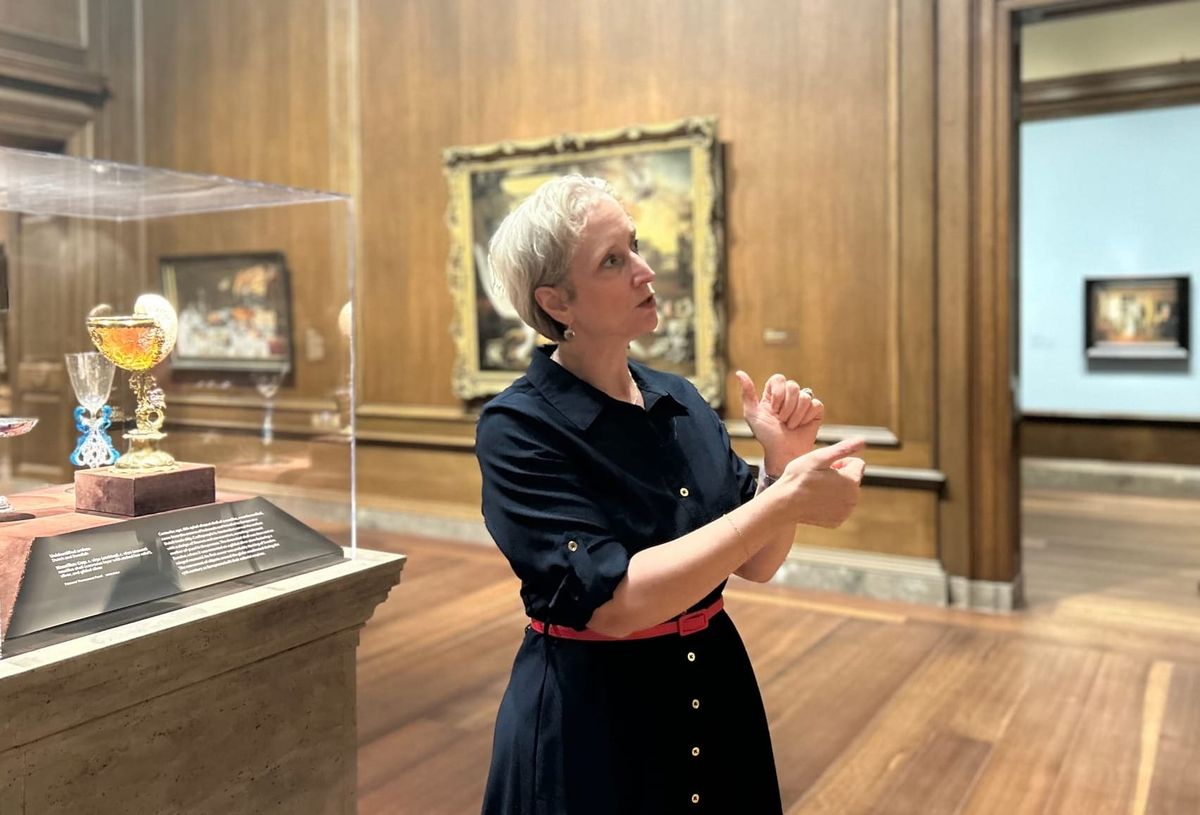
WASHINGTON, DC — Lorena Bradford set out to be a speech-language pathologist, but she fell in love with art history, going on to earn a PhD in 17th-century Dutch and Flemish print-making. It would not be until 2010, however — two years after she started working as an educator at the National Gallery of Art (NGA) in Washington, DC — that she learned about arts accessibility, when she attended her first Leadership Exchange in Arts and Disability (LEAD) Conference.
At the time, she was "confronting my own assumption that speaking equals engagement,” Bradford said over Zoom in January. As more autistic children were visiting galleries as part of school programming, she began asking questions about creating programs intentionally tailored for disabled students and adults. Soon after, she was hired as the first head of Accessible Programs at the NGA.
Many other museums lump together reasonable accommodations for patrons and staff along with Americans with Disabilities Act (ADA) compliance into one person’s job description, but Bradford was able to focus on tailoring programs to patrons’ needs and wants.
“I was a sub-department of one,” she joked.
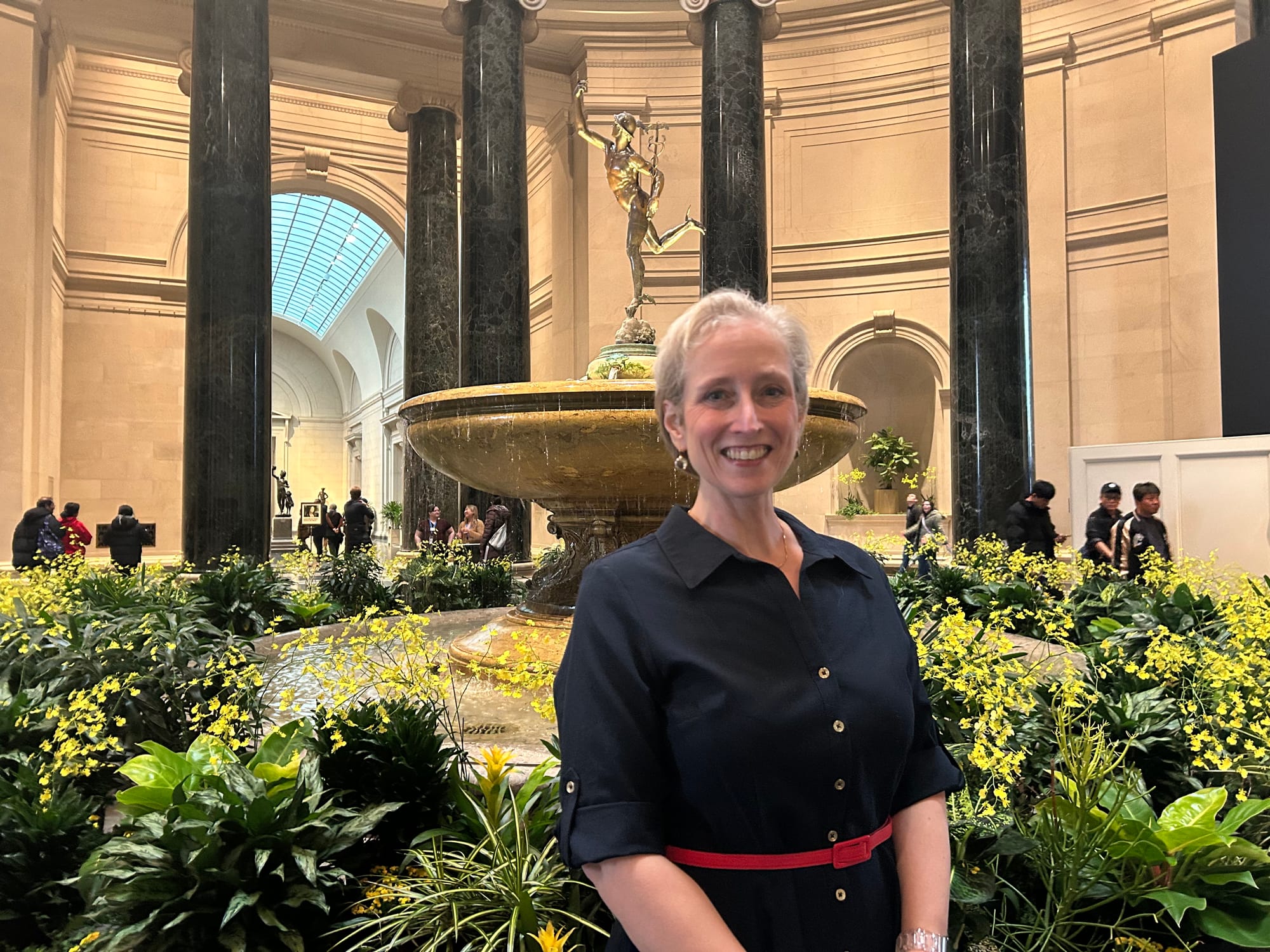
In the years that followed, she started a monthly tour in American Sign Language led by deaf guides, alongside a program for individuals with memory loss and their caregivers called Just Us, which ran from 2017 to 2024. She also established a program that brought Georgetown medical students into the gallery to learn skills that would enhance the care they provide, including observation, communication, compassion, and perspective.
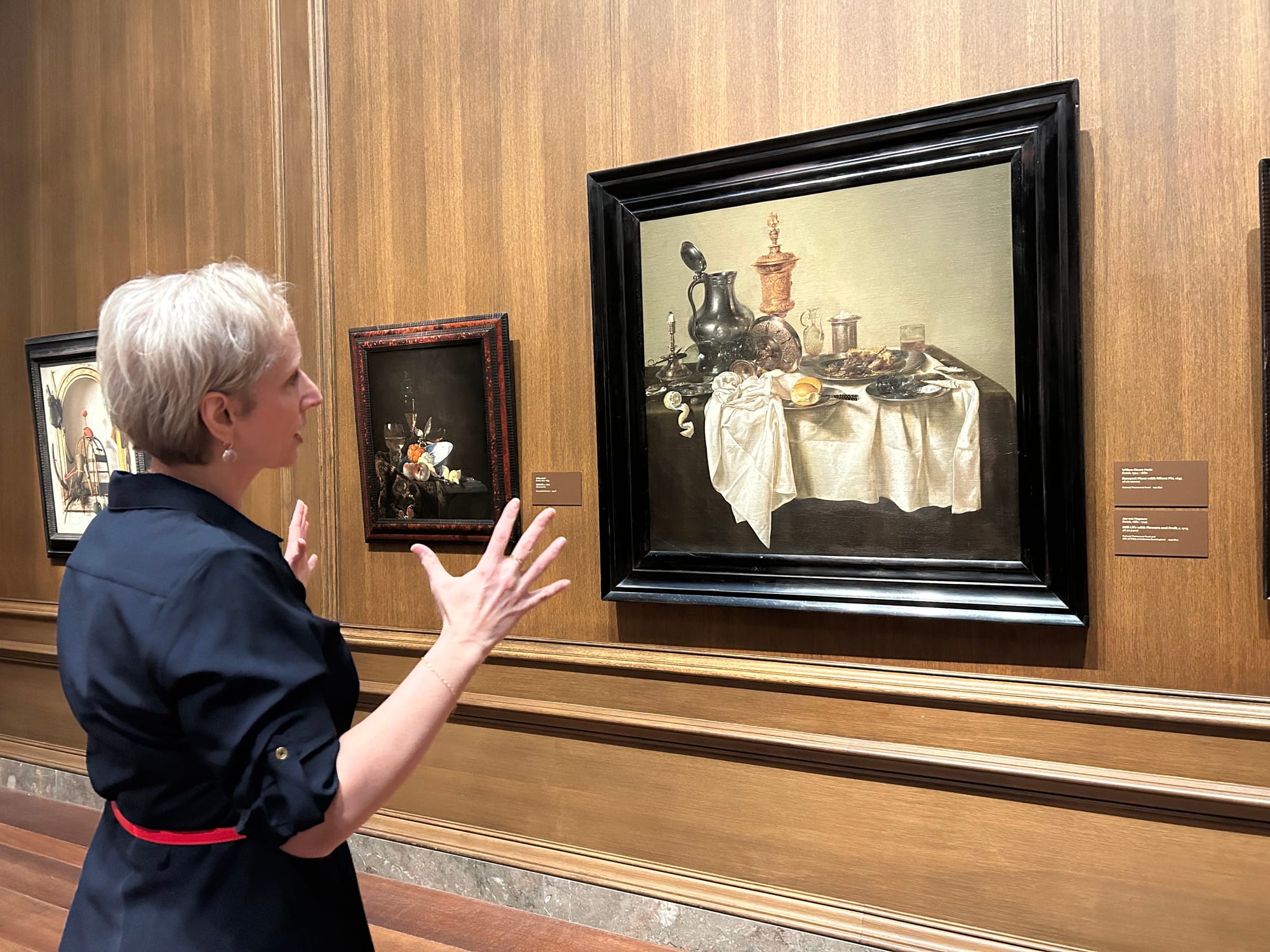
But one of her biggest endeavors was the Short Description Project. Many museums, including the National Gallery of Art, had recorded verbal descriptions of art for in-person patrons, but this was a different level of accessibility. “One of the things that’s really amazing is that you put everything online,” Bradford explained. “There’s no paywall and that’s a huge part of accessibility, getting to access information online.”
Begun during the COVID-19 pandemic, when many museums were thinking about digital access, the Short Description Project developed a workflow for creating detailed written descriptions for all individuals encountering art online. This meant sketching out parameters for how long the descriptions could be, what should be included, what language used, what reading level they should be, and what process and training might look like, all from the ground up.
The Trump administration, however, changed everything. While most accessible program work was and is still intrinsically connected to visitor services and protected by the ADA, “the strides that I and colleagues from across many, many museums were making related to diversity, equity, inclusion, and accessibility were curtailed or stopped,” Bradford said.
Two years ago, she began undergoing cancer treatment and dropped her hours at the NGA to part-time. She officially left the museum this past July.
But her passion for access never stopped. Now, she works as an audio describer at the Kennedy Center, writes alt text and image descriptions for Scribely, teaches art history courses at a local community college, and curates all of the content for the LEAD conferences.
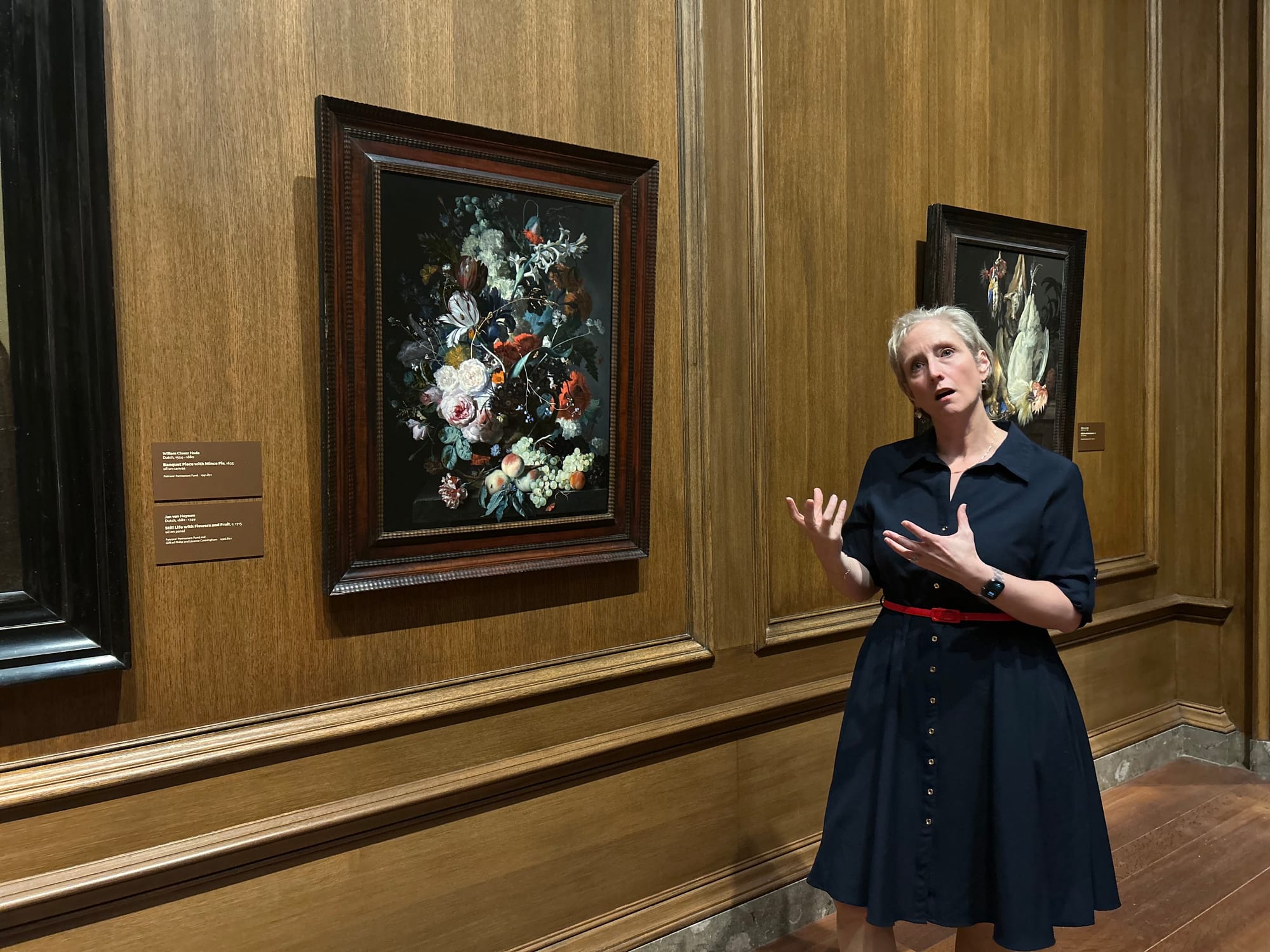
Bradford knows that her educational and career path is unconventional. As more museum education programs come into being, “there’s not necessarily a place you can go to learn to do cultural accessibility like what we’re doing in museums and theaters,” she said.
She looks forward to the day — which she believes will be sooner rather than later — when arts accessibility will not only be a distinct, formalized educational path, but there will be ways to accredit people in arts accessibility programming, services, and coordination.
“[Art is] a universal language, and everyone should have access to it," Bradford said. "You don’t have to speak a foreign language to look at a painting made in a different country, or to listen to a piece of music. As a universal language, it should be accessible to the universe.”