New Book Chronicles Studio Museum in Harlem's 58-Year History
Contributors include artists such as Dawoud Bey, who wrote that the venerated institution has "changed the shape of my life."

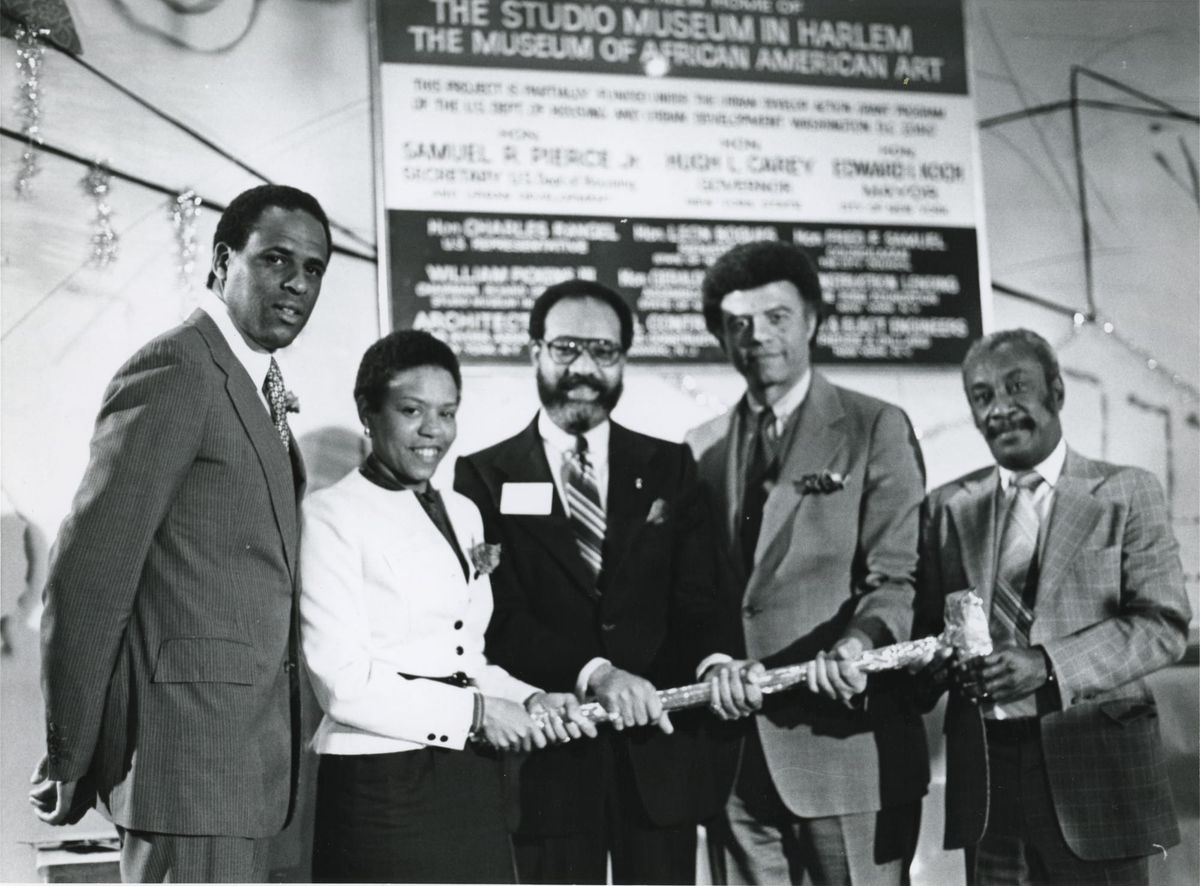
"Just as Harlem is a truly cosmopolitan place, so, too, is the Studio Museum a cosmopolitan place. It’s not the home of Black art for Black people. It’s the home of Black art for all people," literary critic, historian, and Studio Museum trustee Henry Louis Gates Jr. writes in The Studio Museum in Harlem: A History. Set to be published on October 27 and distributed by Yale University Press, this new book brings together dozens of artists, curators, scholars, and community leaders’ insights on the 58-year-old Harlem institution, which reopened to the public last November after a seven-year hiatus.
Edited by Romi Crawford, a visual and critical studies professor at the School of the Art Institute of Chicago, the book traces the museum's founding, legacy, and trials and tribulations, unearthing archival material dating to when the institution opened in 1968.
It comes nearly a year after the museum officially reopened with a new $160 million building on 125th Street and Adam Clayton Powell Jr. Boulevard. The museum closed in 2018 to undergo construction for a new building designed by Adjaye Associates, whose founder, David Adjaye, stepped back from the Studio Museum project after denying accusations of sexual misconduct in 2023.
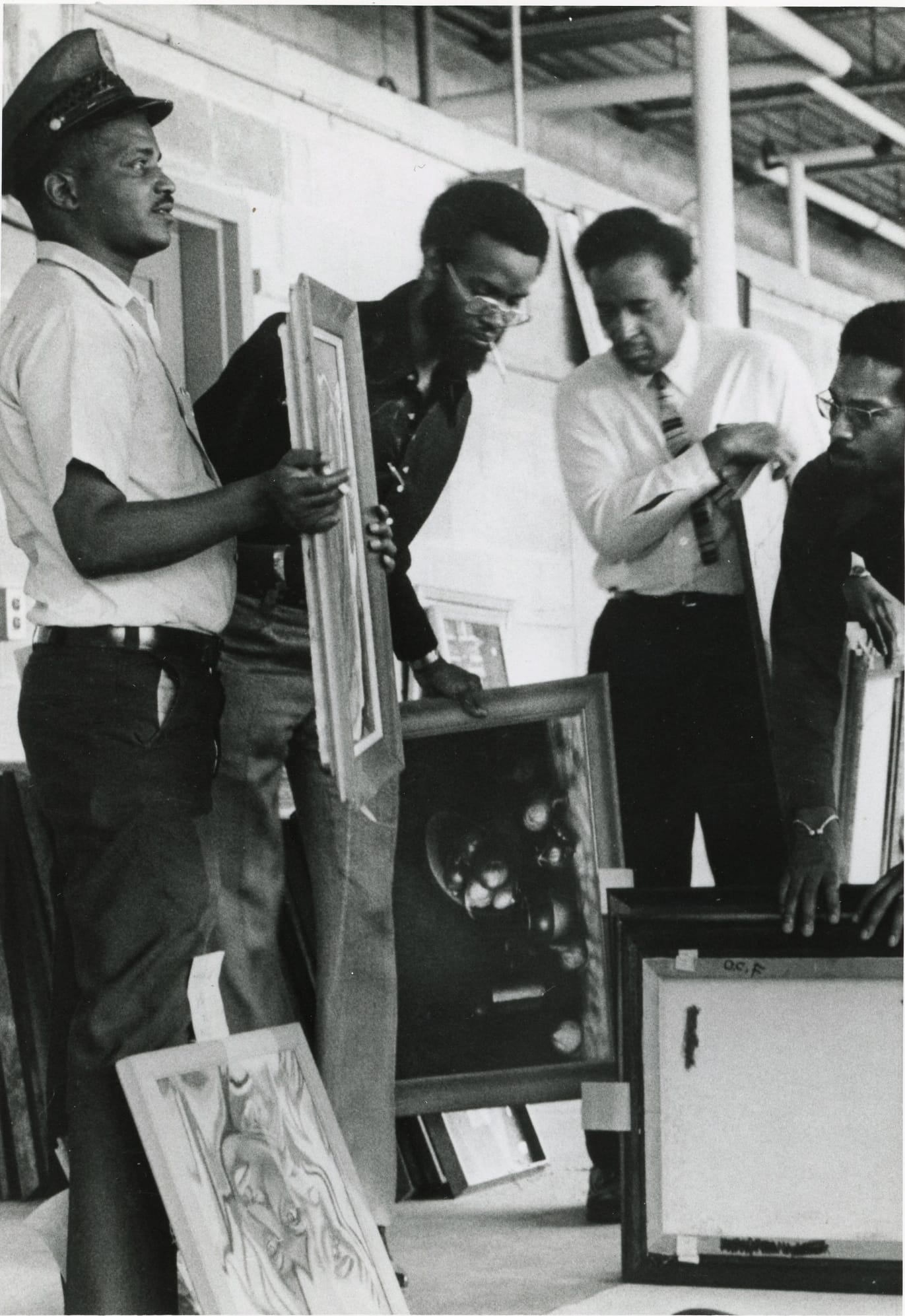
"The book rejects a singular point of view in favor of one that is collective, reflecting the collaborative nature with which the Museum has operated since its founding," Thelma Golden, the museum's director and chief curator, writes in the foreword.