New Poster Exhibition Showcases the Importance and Impact of Indigenous Designers
“Designed to Be Red: Native American & Indigenous Poster Works” is now on view at Poster House in New York City through February 21, 2027.

In November 2022, Brian Johnson (Monacan Indian Nation) gave a lecture called “Posters That Sing: Notes on Indigenous Poster Design” at Poster House in New York City. Shortly afterwards, he was asked to curate a show for the museum.
The culmination of the years of work that followed is the exhibition Designed to Be Red: Native American & Indigenous Poster Works, which is currently on view at Poster House through February 21, 2027. Johnson has also authored an expanded companion text, Designed to Be Red: Native American & Indigenous Graphic Works, now available at the museum’s shop.
“Native students and friends ask me, ‘Where are our books? What works should drive and inspire my practice?’” Johnson said. “This exhibition is my answer.”
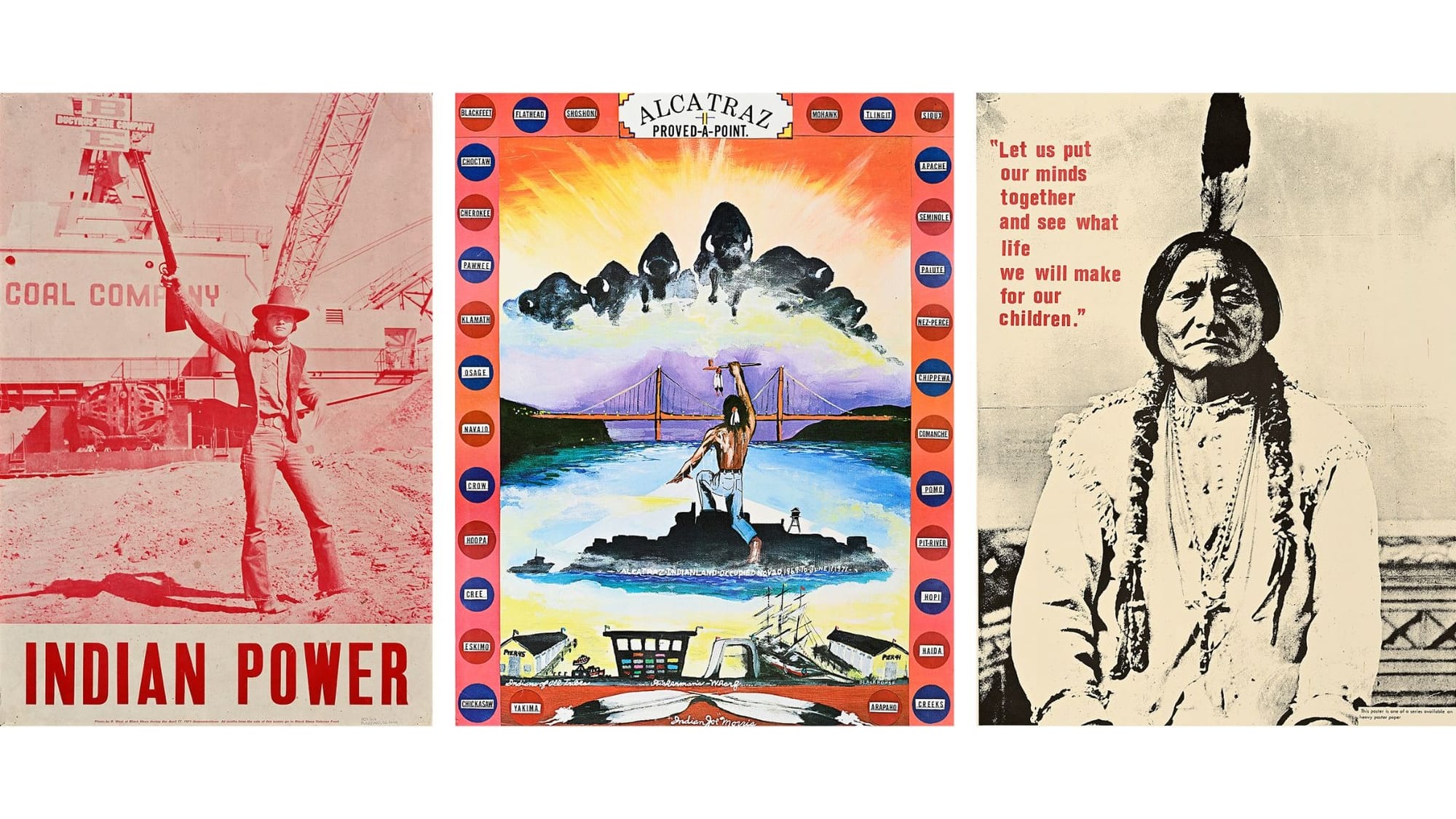
Covering over 100 years of visual history, Designed to Be Red challenges colonialist narratives around design, showing that Indigenous perspectives have always been integral to the practice. Whether making psychedelic posters, protest art, or public service announcements, Native designers have influenced how we see the world. Modern works by artists like Kent Monkman (Fish River Cree Nation), Jeffrey Gibson (Mississippi Choctaw/Cherokee), and SIYO-WIN (Dakota Sioux/Mexican) show how that influence persists into the present.
“Until recently, we were seen primarily as craft makers and ethnographic objects.” Johnson said. “This show stands out because Native Americans are still here. We are designing.”
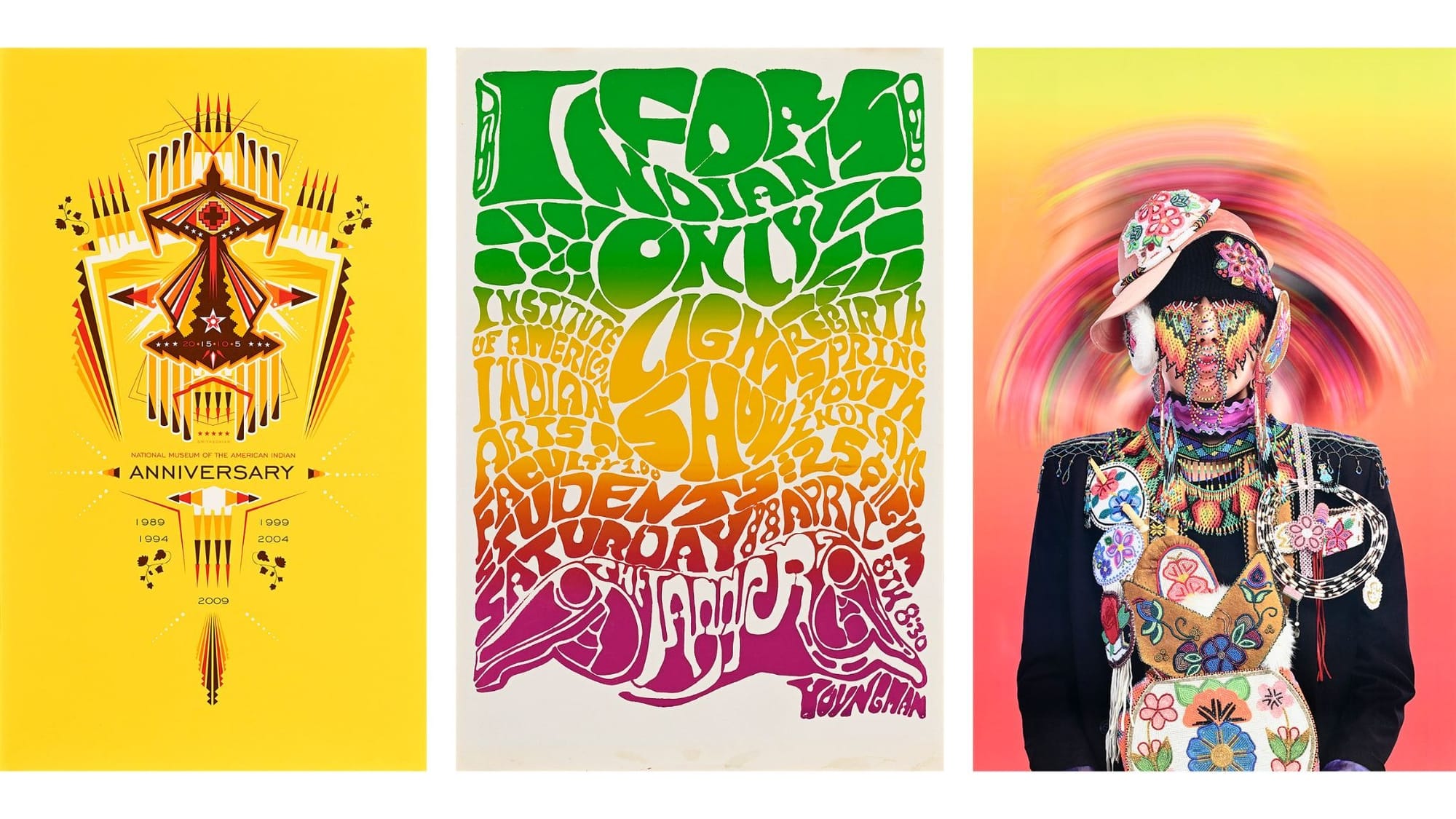
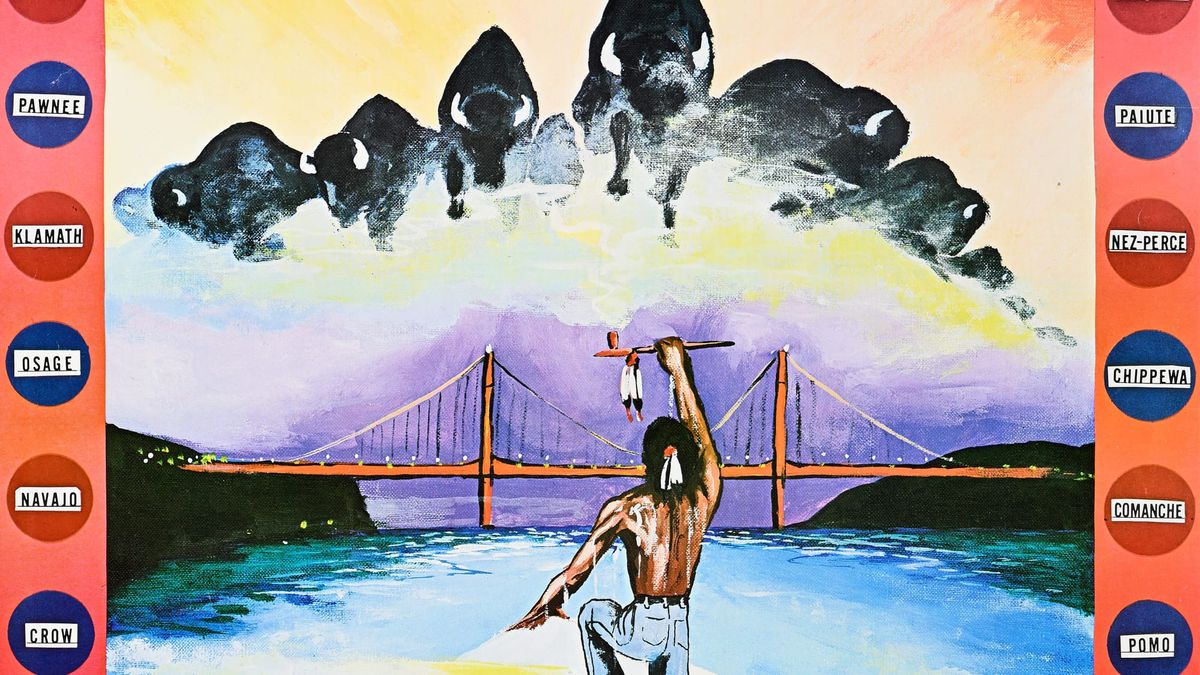
Designed to Be Red offers a record of contemporary Native American life, featuring a stretched animal hide inscribed with the Proclamation for the Indian Occupation of Alcatraz, posters from the protests against the Dakota Access Pipeline, and works raising awareness for murdered and missing Indigenous women. Johnson’s exhibition also shows that Native life is not defined by struggle: other posters include an exuberant 1990s census campaign and an Indigenous tribute to the Marvel cinematic universe.
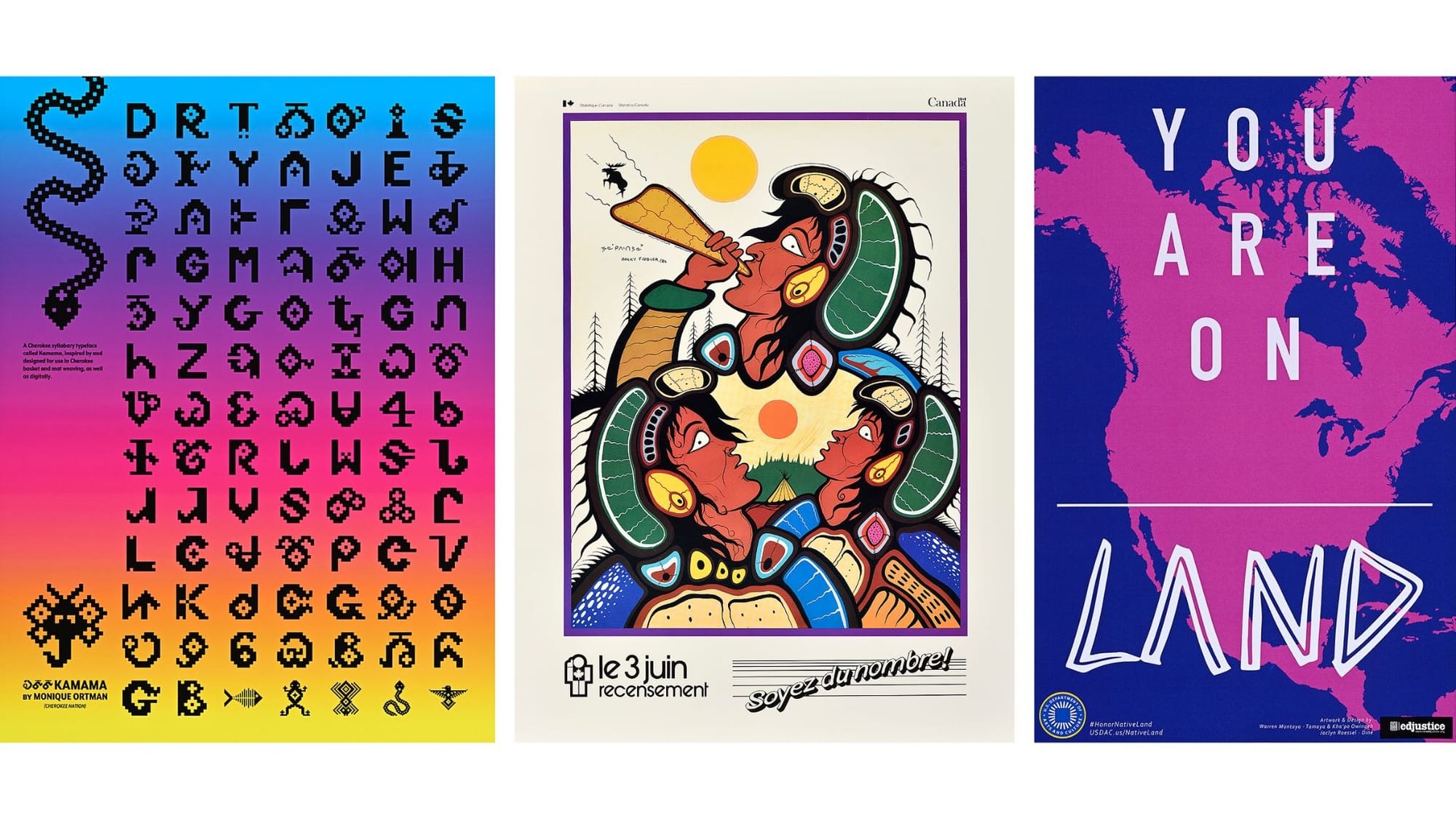
The exhibition contains five sections: “Indigenous Joy,” “Creative Sovereignty,” “Resistance and Protest,” “It’s Complicated,” and “Extractive Marketing.” The latter section hosts some of the exhibition’s most mainstream — and most problematic — posters, including one that uses a still from the infamous 1971 “crying Indian” TV ad. “Extractive Marketing” is cordoned off from the rest of the exhibition, and viewers are intentionally redirected back to “Indigenous Joy” after viewing it.
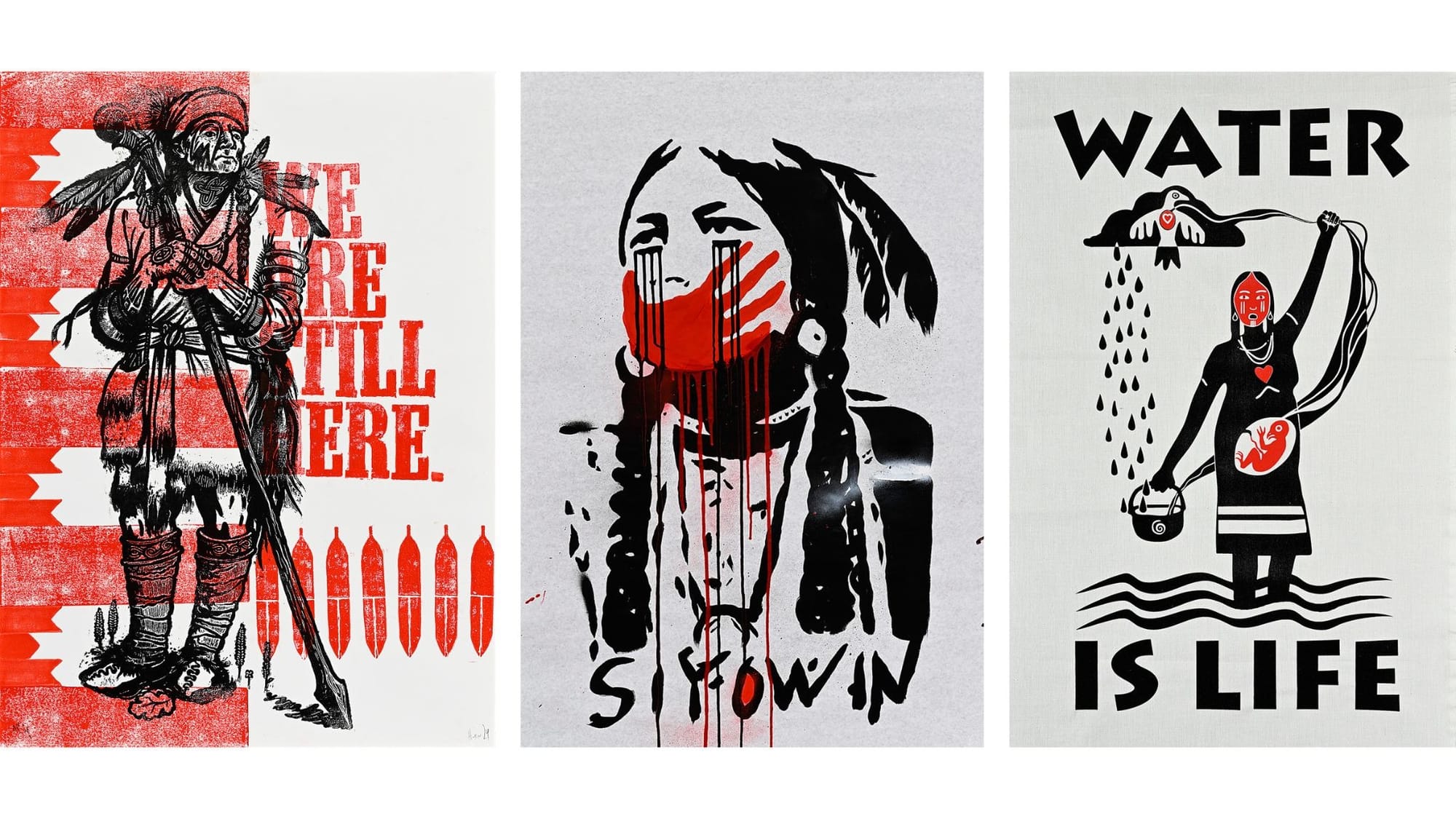
“The past tense is a weapon deployed to consign us to museum dioramas,” said Johnson. Indeed, Designed to Be Red stands out for its rigorously modern approach, providing a stark contrast to exhibitions of Indigenous works at larger institutions.
Learn more at posterhouse.org.