Pat Steir, Painter of Cascading Infinities, Dies at 87
Through works like her celebrated “Waterfalls” series, she leaves a legacy of artistic surrender and reverence for the gesture.

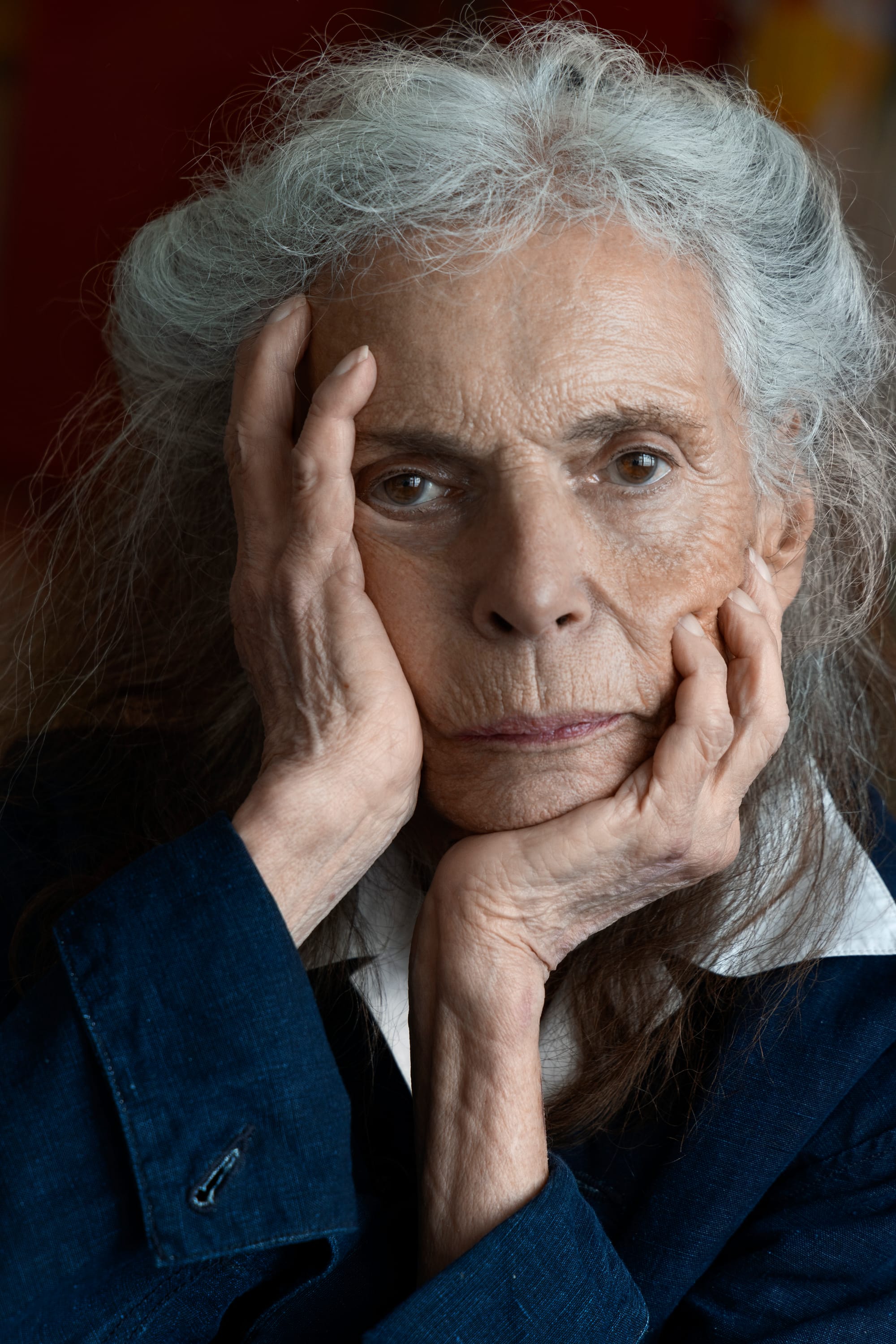
Pat Steir, the trailblazing feminist artist known for expanding the possibilities of abstract painting with her iconic Waterfall (1988–) series, died yesterday, Wednesday, March 25, at the age of 87. Her death was confirmed by her husband, Joost Elffers, and her niece, Lily Sukoneck-Cohen. Born in Newark, New Jersey, in 1938, and having traveled extensively throughout her life, Steir died in New York City, the place she considered her true home.
Steir was raised by artists. She resisted her father’s unconventional urging to pursue poetry rather than painting, and studied at the Pratt Institute under Richard Lindner, Adolph Gottlieb, and Philip Guston, among others. (Of Guston’s class, Steir told the Brooklyn Rail, “Guston read Time Magazine and the New York Times while we drank vodka out of the little cups [used for mixing turpentine].”)
A year after graduating, in 1963, Steir participated in her first group show at the High Museum in Atlanta. This early success granted her admission into the New York art world as part of the first wave of women artists to gain prominence in a largely male-dominated scene. The relationships she developed then lasted a lifetime. Reclusive painter Agnes Martin became Steir’s artistic confidante, and they spent every August in New Mexico together for 30 years.
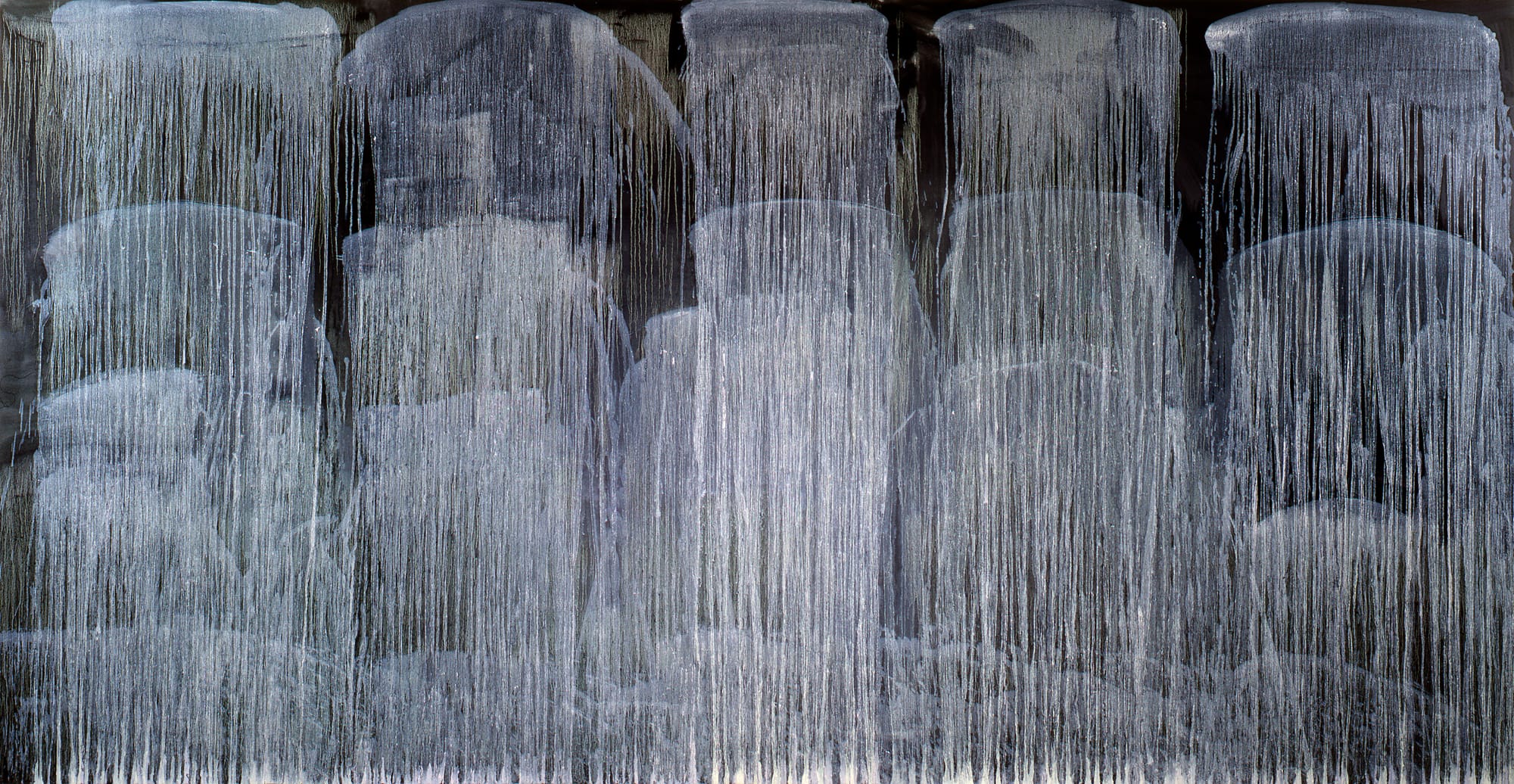
Steir’s conceptual- and Minimalism-adjacent painting practice did not literally depict the unfolding feminist and civil rights movements. But literalism is not necessary to grasp the philosophies undergirding her monochromatic, early-’70s canvases and wall drawings, some of which featured crossed-out roses — emptied-out symbols of aphorisms like Shakespeare’s “A rose by any other name would smell as sweet” and Gertrude Stein’s “A rose is a rose is a rose.”
Steir was involved in the women’s movement, a participation born from her desire to be seen as an artistic equal, to be recognized on the same plane as the men she knew. She joined the founding board of Heresies Collective, which produced a feminist journal on art politics; sat on the editorial board of Semiotext(e); and was a founding member of Printed Matter, Inc. When she was growing up, “it was unimaginable to everyone around me that a small girl — not even a big strapping girl — could live a life as an artist and stay alive and committed,” she said in a 2019 interview.
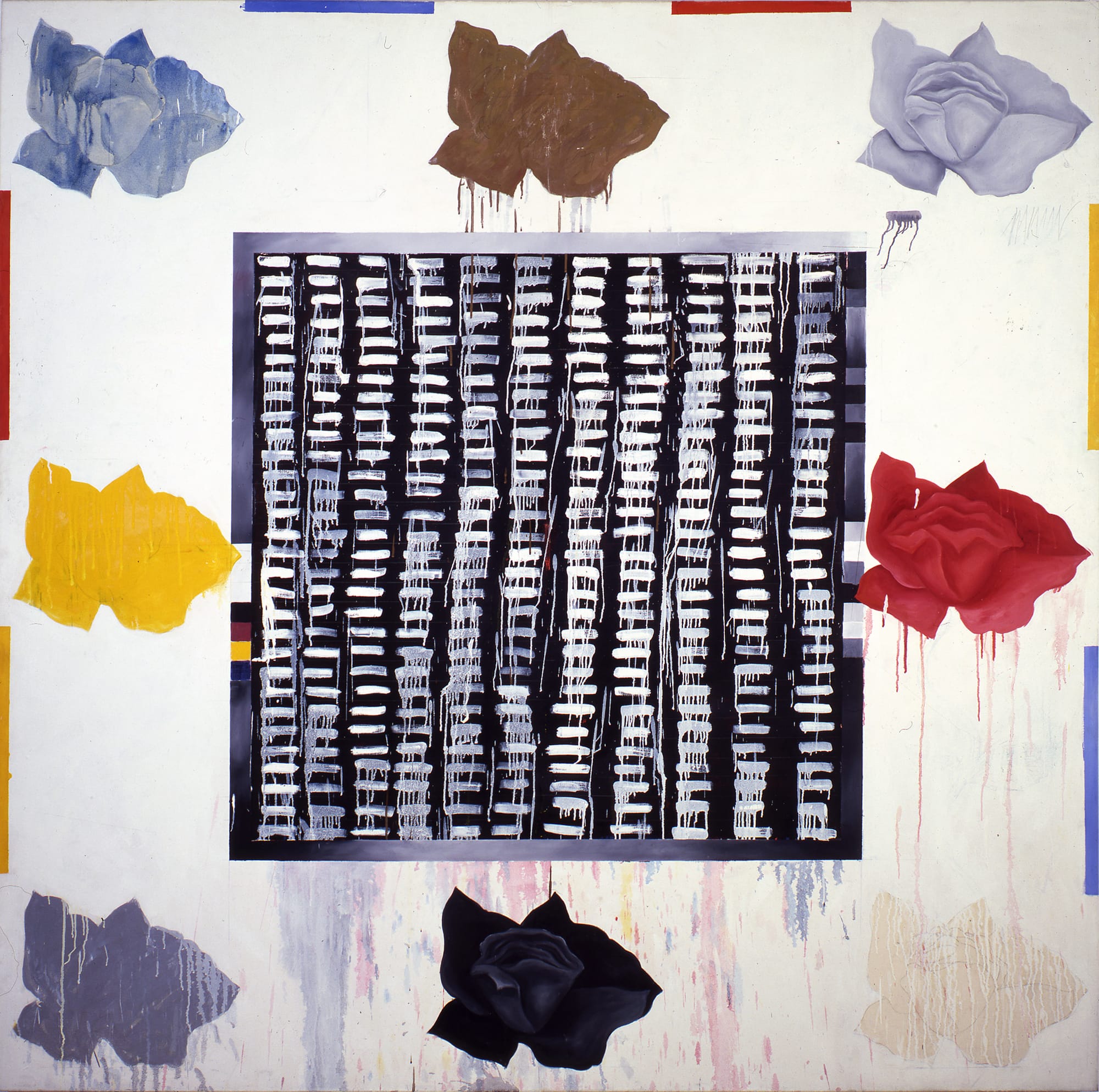
Throughout the 1980s, Steir developed a technique born of intense study of Japanese and Chinese painting, which required an embodied choreography of pouring and flinging paint, water, or solvent onto unstretched canvas from a ladder or scissor lift. The legacy of Waterfalls is one of artistic surrender and reverence for the gesture. “I am the painter looking from a huge distance at the huge sky and the mountain looming,” Steir said in a 2003 interview with poet Anne Waldman. “Always from a distance. I am similar to the monk on the ground, a speck like a fly looking up at the sky. These paintings are simply rectangles around a piece of infinite space.”
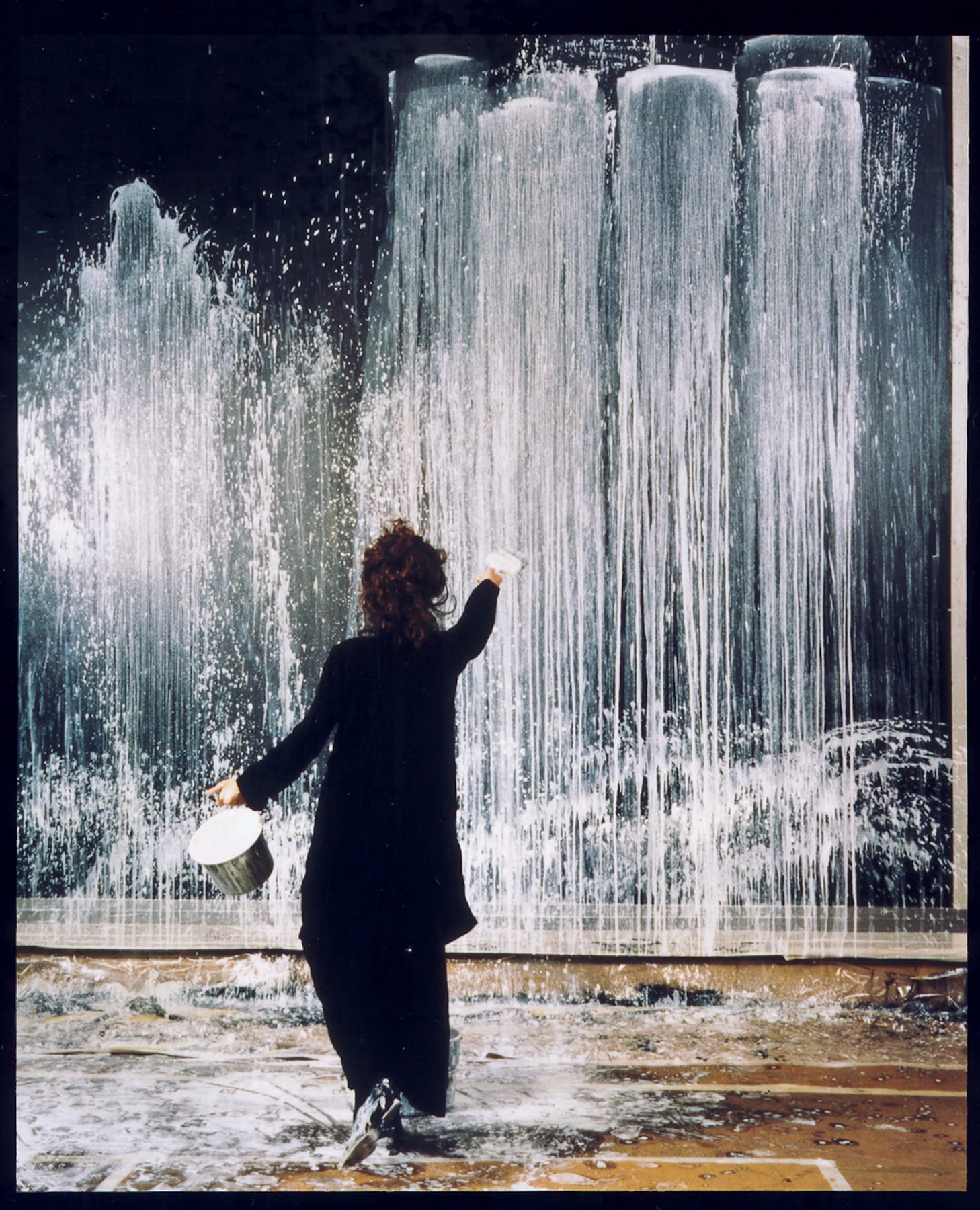
In a 2022 review, Hyperallergic critic John Yau praised her later works for their “acceptance of time passing,” noting how Steir's long relationship with her medium deepened her understanding of it. “Years of working with paint have paid off; Steir knows how to get the effect she wants. She can take the paint from watery to melting butter to something as slow and dense as syrup,” Yau wrote.
A major solo museum exhibition, Self-Portrait: An Installation, was held at the New Museum in 1987, curated by the museum’s founder, Marcia Tucker. Today, Steir’s work is held in the permanent collections of institutions such as the Denver Art Museum, the Louvre, the Metropolitan Museum of Art, New York’s Museum of Modern Art, the Guggenheim, the Tate, and the Whitney Museum of American Art, among many others. She received the National Medal of Arts under President Obama in 2017.
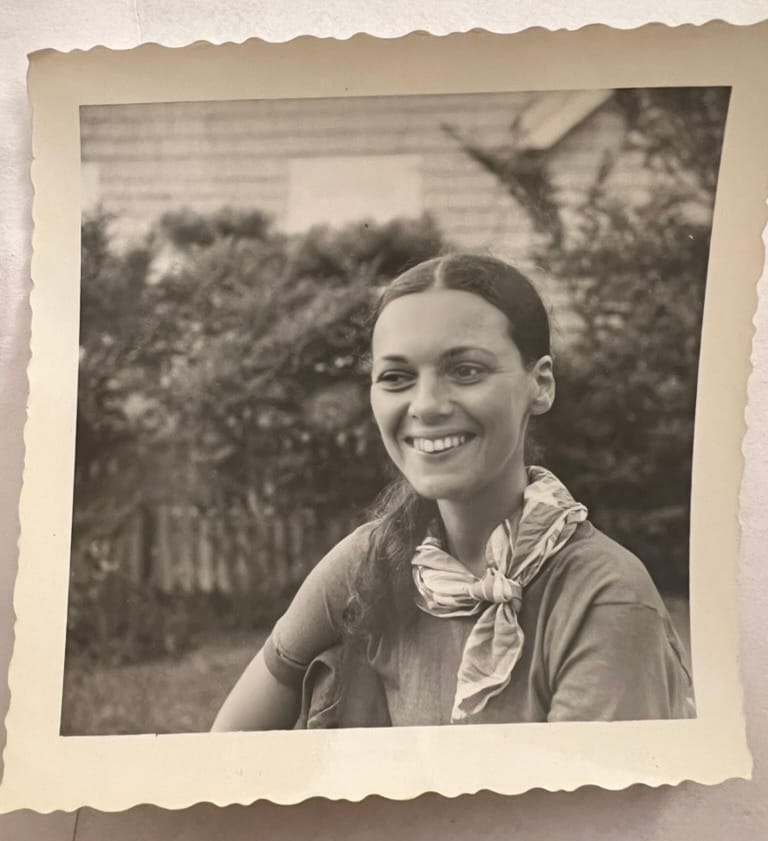
Steir is survived not only by her husband, whom she married in 1984 after meeting at a rollerskating rink, and her niece, but also by many of the women artists who called her a friend and an inspiration.
“For me, as a young woman in the years immediately preceding the rise of the Women's Liberation Movement and of the development of a feminist art history and criticism, being able to experience Pat in the early years of her career was unforgettably and importantly inspiring,” artist and writer Mira Schor told Hyperallergic in an email.
“Pat reaches into the sky and attaches one line, one color, one gesture, to another, so as to build, abstractly, and imagine connections that have never been paired before,” said the choreographer Elizabeth Streb. “Pat calls it ‘letting the paint do what it does,’ but her clear and gorgeous mind maps the territory for exploration.”