Plan to Close DePaul Art Museum Faces Community Backlash
Over 2,000 faculty and students have called on the Chicago school to reverse its decision, which came after budgetary concerns and layoffs in December.

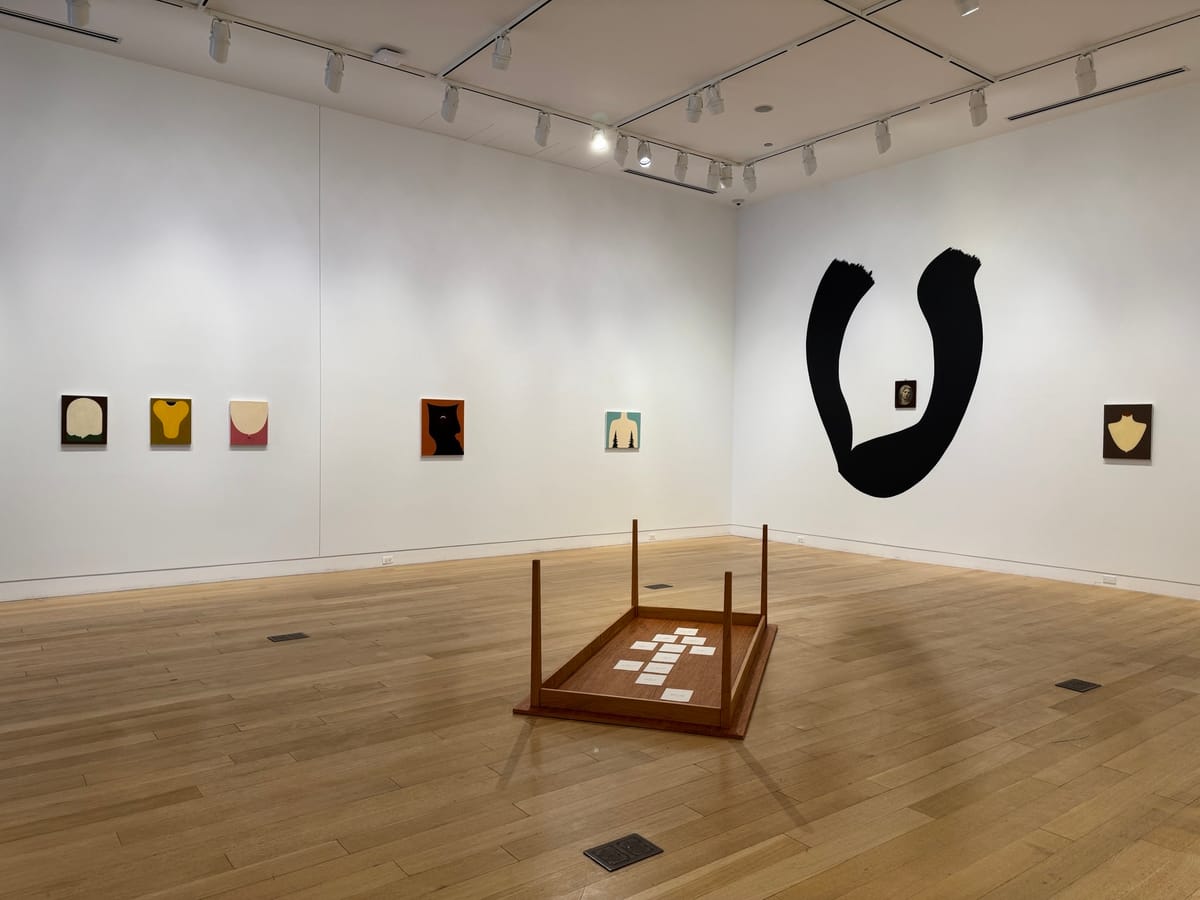
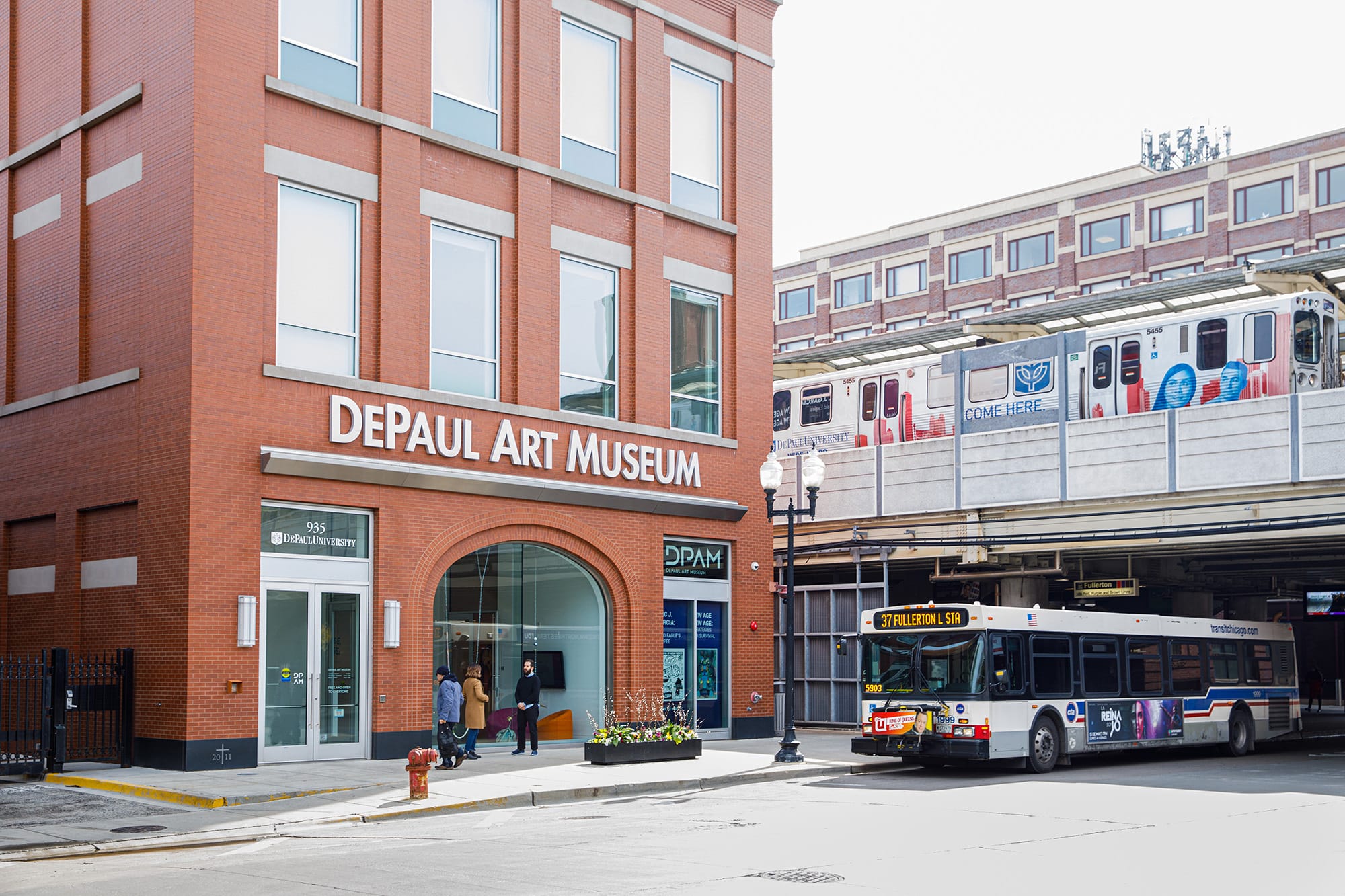
DePaul University in Chicago will close its campus art museum on June 30 after projecting a major budget deficit in 2026.
The private university’s president, Robert L. Manuel, first announced the looming shutdown of the DePaul Art Museum (DPAM) in a letter to students and staff last week, citing ongoing reviews of the school’s “long-term financial sustainability.”
The move has prompted outrage from faculty and staff, including an open letter penned by art history and philosophy faculty members and signed by more than 2,000 community members that criticized the school’s decision as “short-sighted, wrong-headed, and grounded in some deeply disappointing principles of prioritization.” In the letter, the signatories asked the administration to reconsider its decision based on the museum's educational and reputational value.
A decision to shutter the museum, which was founded in 1985, comes just over two months after the university laid off nearly eight percent of its full-time workforce as part of a push to cut $27.4 million in spending. In a statement last year, the university said that international enrollment has fallen and student demand for financial aid has increased.
In a phone call with Hyperallergic, the museum’s director, Laura-Caroline de Lara, described the forthcoming closure as a “devastating loss” for the campus, Chicago, and its staff and student workers.
“What made us so special is that being a university art museum, we could really push the envelope in different ways, particularly in regard to social justice and current issues in ways that our larger institutions just can’t,” de Lara said. She emphasized that the museum is also free and open to the public.
Under the Trump administration, de Lara said, the Institute of Museum and Library Services refused to issue a $500,000 grant that DPAM had won to collaborate with Chicago Public Schools. The museum’s annual operational cost is about $745,000, which is covered by $420,000 from DePaul and through private fundraising.
DPAM, which moved to its current location in 2011, embraced a mission of maintaining an inclusive and diverse art space centering underrepresented Chicago artists. According to Manuel’s letter, the school will not sell the museum’s Lincoln Park building but has not yet determined what will happen to its 4,000-item collection.
In the past, the museum’s exhibitions have boldly linked Chicago history to global political struggles, including by connecting incarceration in the city to human rights violations at Guantánamo Bay in the 2022 show Remaking the Exceptional: Tea, Torture, and Reparations. In another exhibition earlier this year, the museum explored the revolutionary history of the Young Lords, a Puerto Rican anti-displacement political organization founded in 1968.
The institution also employs student workers who are interested in museum careers. DePaul senior Jessica Saunders, who is studying advertising and museum studies, wrote a piece for the school's paper, the DePaulia, responding to the recent announcement.
Saunders told Hyperallergic that the museum was the reason she decided to enroll at DePaul.
“As a student pursuing a career in the field, I feel let down,” Saunders said. “I’m forever grateful for the kind of experiential learning opportunity that I’ve had through the museum, and it’s a shame that future students would not have access to the same resource.”
Phoebe Collins, DPAM’s collection and exhibition manager, said that the museum staff worked with students and faculty across campus to curate content based on their course offerings.
“There’s an art school at DePaul, but we have worked with classes in the business school, communication school, theater school, and across disciplines,” Collins said. “So that’s always at the forefront of our mind: thinking about the students and how they can learn from the artwork we’re bringing in, and also introducing them to these artists and different communities throughout Chicago.”
In the open letter, DePaul professors Sean Kirkland, Lisa Mahoney, Peg Birmingham, Joanna Gardner-Huggett, Richard Lee, and Andreea Smaranda Aldea connected the museum closure to a general erosion of academic culture in the United States.
“With the headwinds we are facing in higher education today and the forces that push us toward lowering academic standards, toward introducing education-antagonistic tools and practices, toward turning the university into a professional school,” the faculty wrote. “This is the very moment to be encouraging our students to see the enormous human value of the arts, not turning our collective back on them.”
Kirkland, a philosophy professor, told Hyperallergic in an email that he hoped the open letter would convince the university to reverse its decision to close DPAM.
"With any luck, this will all help provide the pressure required to make our administration remember that art is not a luxury for an institution committed to education in a robust sense," Kirkland said.
The DePaul University communications office declined to comment beyond its initial announcement of the museum closure.
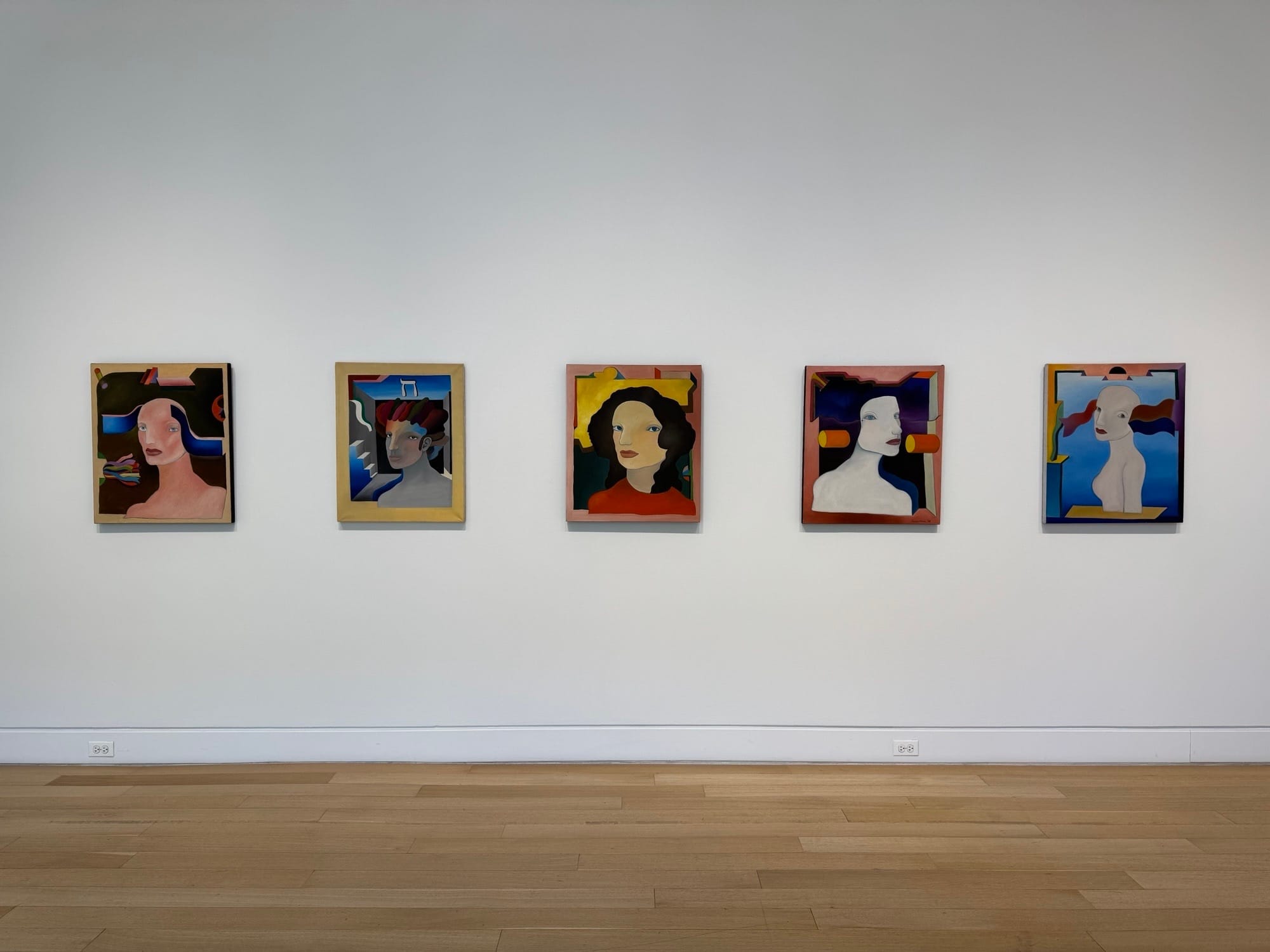
The museum’s final two exhibitions, Barbara Nessim: My Compass Is the Line and Alice Tippit: Rose Obsolete, will open this Thursday, March 5, and run through June 21.