Queer Arab Art in Manhattan
A Texas university shutters a show critiquing ICE, a medievalist’s ode to a 15th-century Black angel, and “Ponyo” arrives in LA.

Winking mother-of-pearl and exuberant paintings dot the walls of a show in Manhattan celebrating work by queer Palestinian, Jordanian, Syrian, and Egyptian artists — aptly titled after the Arabic preposition meaning "of us” or “from us.”
Staff Reporter Rhea Nayyar spoke with some of the artists about the exhibition, which allows them to find one another amid the weaponization and erasure of LGBTQ+ Arab identity. Elias Rischmawi described their work as a "fuck you" to assumptions about their family and queerness; their art, a deeply felt homage to lineage and love, is all the rebuttal they need.
—Lakshmi Rivera Amin, associate editor
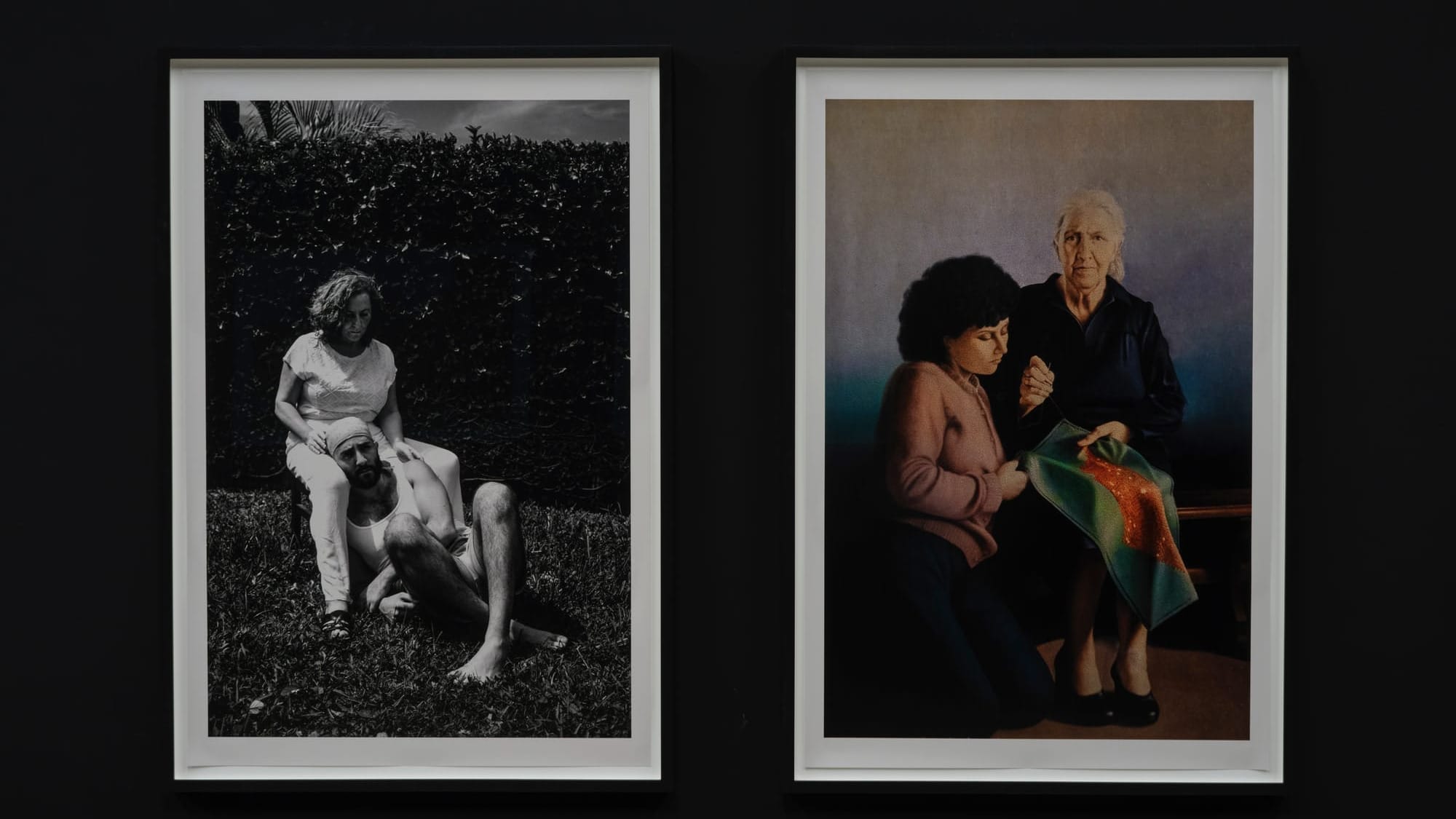
Queer Arab Artists on Their Own Terms
“The show is about giving the pen back to the writer, giving the paintbrush back to the artist, during this time of genocide." That's artist Ridikkuluz on [minna|منا]of us, the exhibition they curated in Manhattan, telling Staff Reporter Rhea Nayyar that the show intentionally centers hopeful visions of queer Arab community, intimacy, and heritage.
News
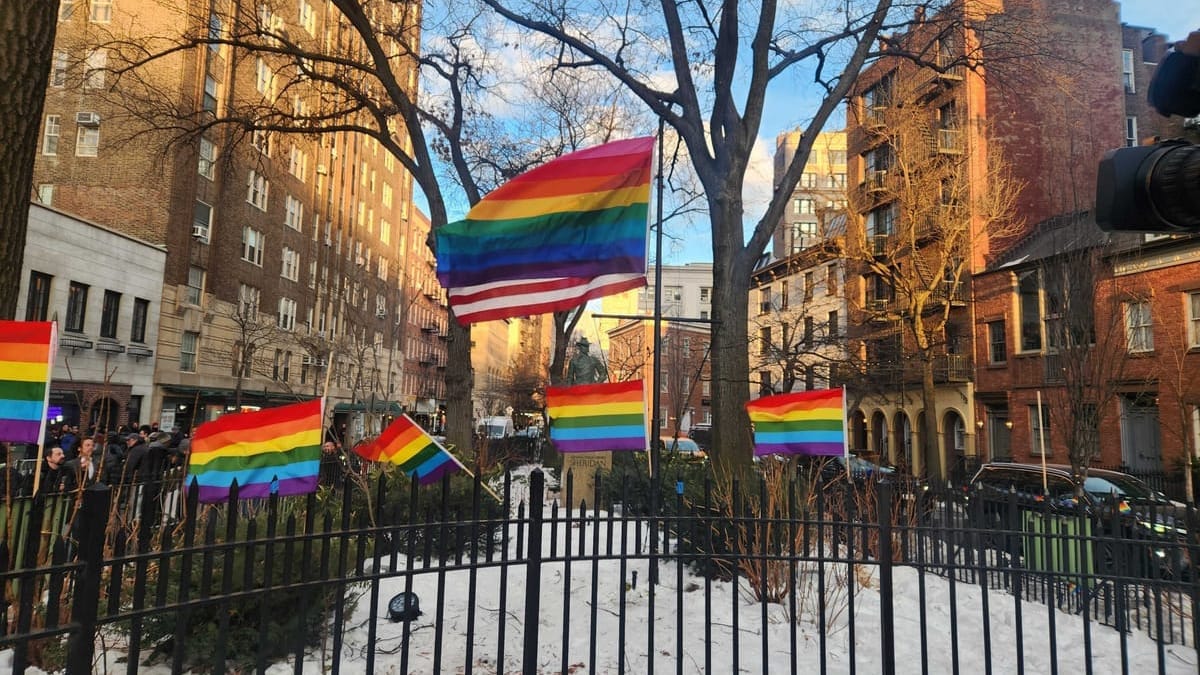
- On Thursday, hundreds of New Yorkers raised the Pride flag at Stonewall National Monument after it was removed at Trump's directive.
- The University of North Texas abruptly closed Mexican-American artist Victor Quiñonez's solo show, which included artworks that critique ICE and center his immigrant community.
Ponyo Loves LA!
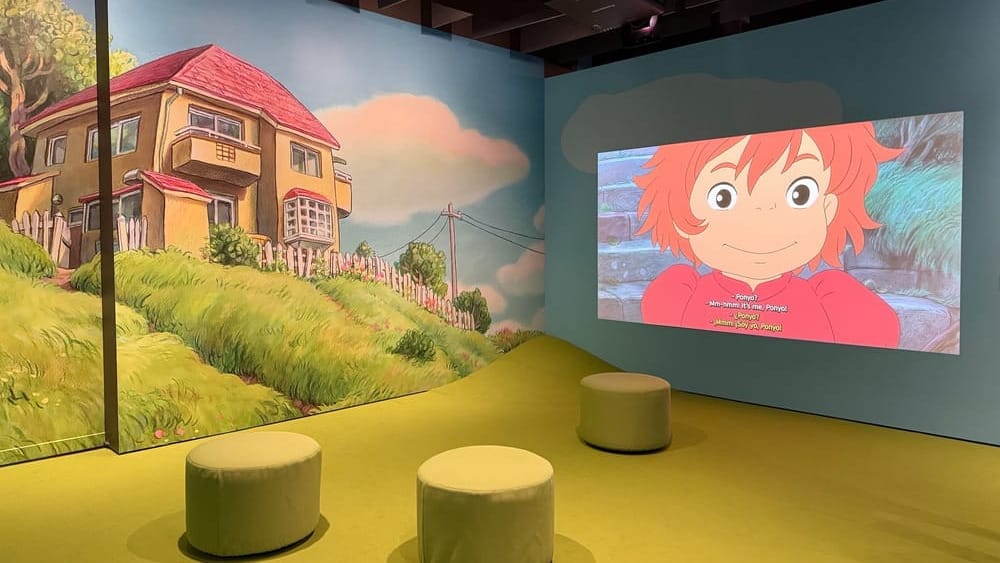
Step Into the World of Studio Ghibli’s Ponyo
Fans of this beloved aquatic film loosely based on the Little Mermaid will be thrilled to learn that the beautifully animated story now has a dedicated exhibition at the Academy Museum in Los Angeles. Matt Stromberg walks us through the show's interactive guide to the visual art and narrative charm that power the whimsy and wonder at the heart of the classic Studio Ghibli film.
Love in the Time of Turmoil
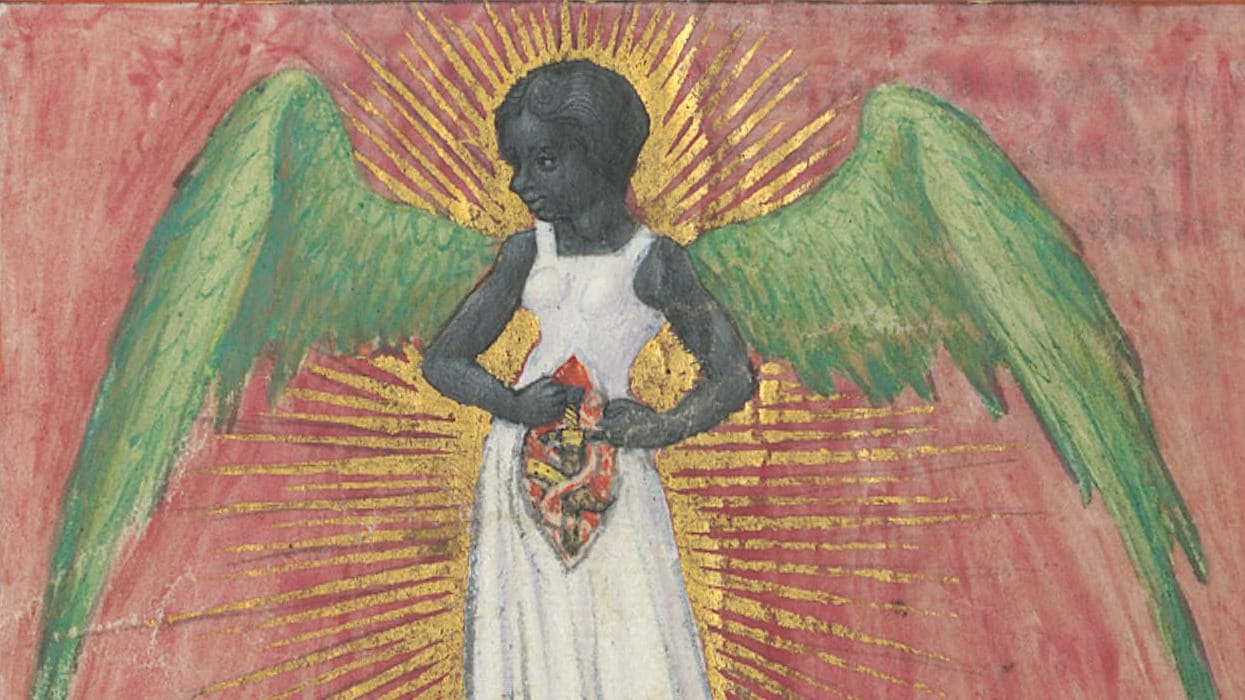
All About Love From a Black Medieval Angel
While sifting through the pages of a 15th-century alchemical manuscript, scholar Denva Gallant came across an image that stopped her in her tracks: an angel with dark skin. She discovered that the little winged figure reflected a broader lesson about the alchemical process of transforming one's soul that treated Blackness "not as a mirror of sin, but the ground from which love itself might take shape," particularly during turbulent political moments.
Member Comment
Butch Murphy on Gonzalo Casals and Mauricio Delfin's "NYC Deserves a Culture Commissioner Who Cares":
Commenting privileges are reserved for paid members. Join us today!
Opportunities This Month
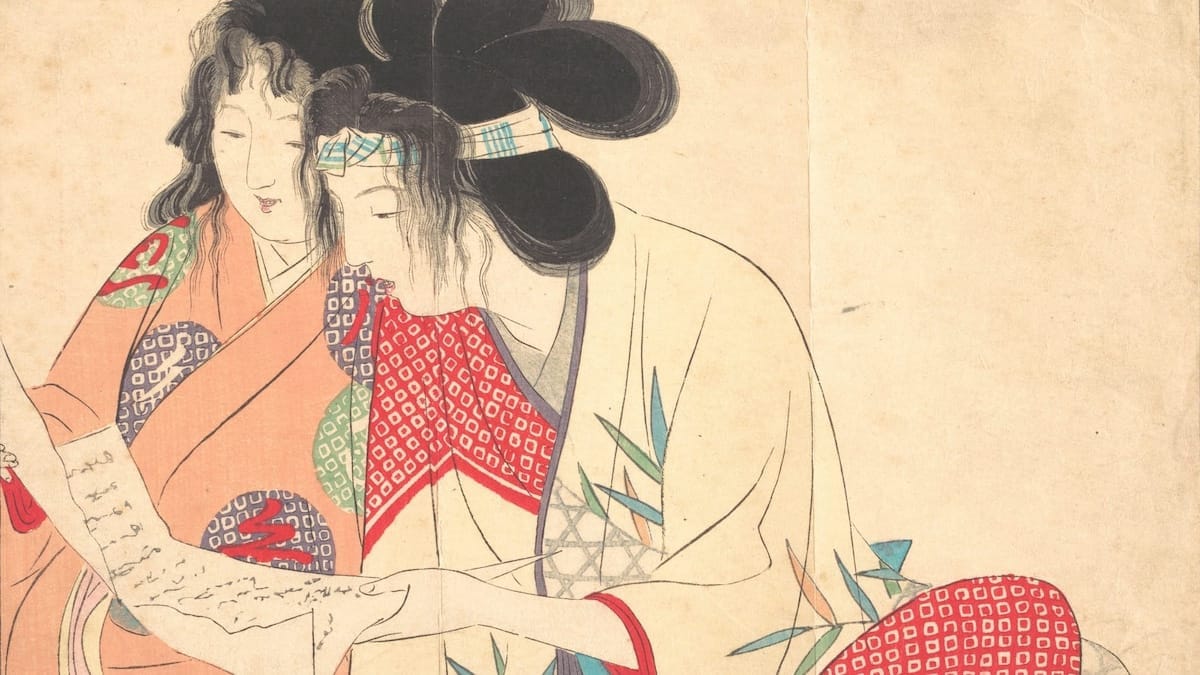
Residencies, fellowships, grants, open calls, and jobs from the Helen Frankenthaler Foundation, the Rubin Museum, and more in our February 2026 list of opportunities for artists, writers, and art workers.
From the Archive
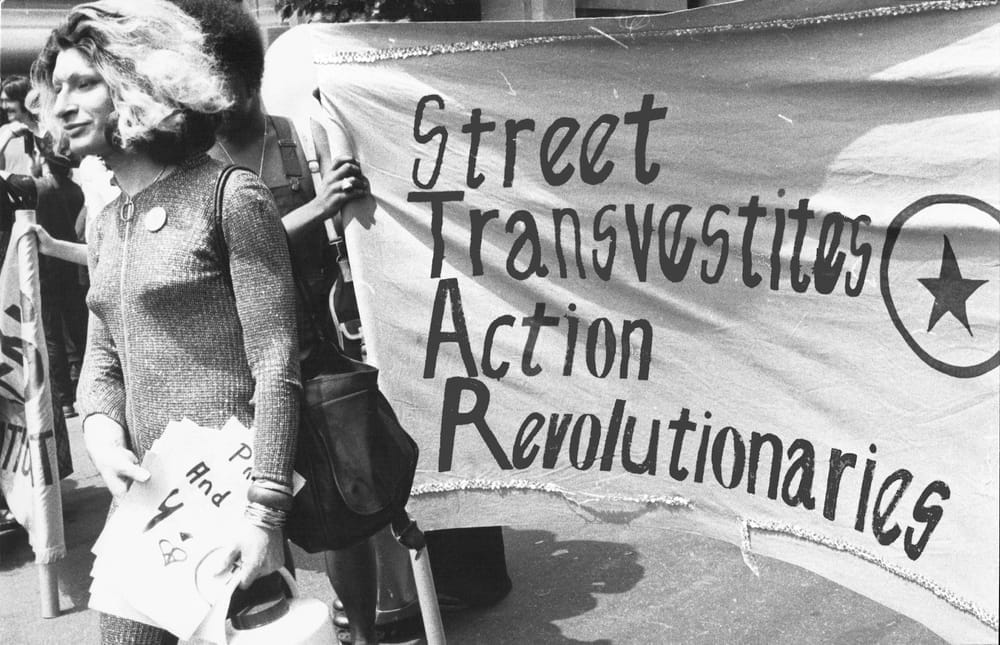
Tracing Queer History Through NYC’s Public Parks
The green spaces that served as a refuge for historically oppressed LGBTQ+ groups are at the center of contemporary campaigns to memorialize the movement. | Maya Pontone