Remembering Agosto Machado, Keeper of Queer Histories
The late performer and archivist spent decades as the quiet holder of our secrets, always behind the scenes, always a connector.

Artist, archivist, and performer Agosto Machado, an original who defied easy categorization, died on March 21. Private and introverted, as he put it, he was a beloved constant presence in New York’s downtown arts scene. I was not in Agosto’s inner circle. I was a satellite in his universe, a filmmaker working in clubs. But I would prefer to present myself in the way Agosto described himself in relation to his crush Joe D’Alessandro: “Join the club, I was at the end of the line.”
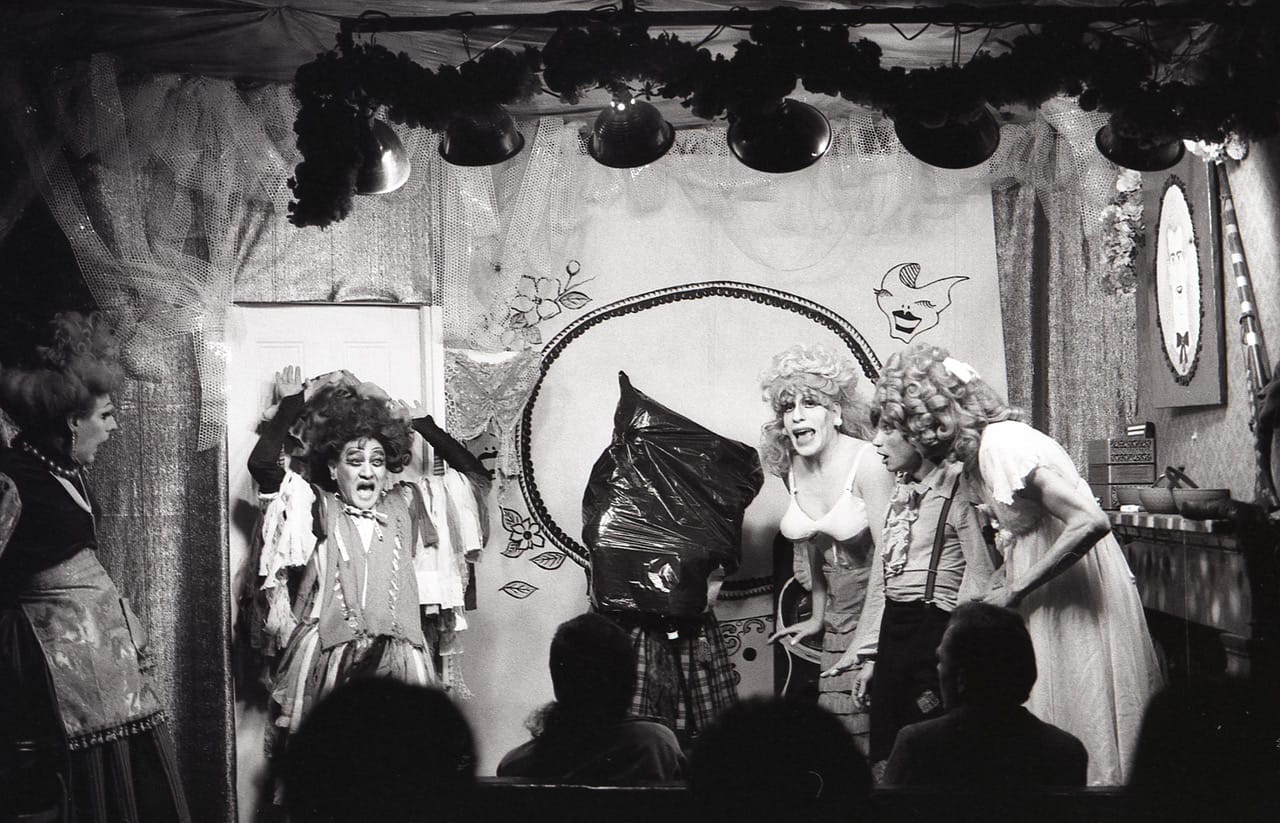
One of my memories of Agosto captures how he was not just an artist but also an archivist, a keeper of queer history. In 2009, we needed Agosto’s help to reach out to his longtime friend, one of Andy Warhol’s “superstars,” Mario Montez. We wanted to invite him to participate in the second edition of LIVE FILM! JACK SMITH! Five Flaming Days in a Rented World, taking place in Berlin. Described as a monumental gathering of over 50 international artists, academics, and friends of the late legendary filmmaker, the event became a raucous, glamorous, campy thing, where Jack Smith was simply “Jack,” as we all claimed our own version of him. Even Warhol’s rarely seen 1964 Batman Dracula, starring Jack, was sneaked out of the vault by Callie Angel, then in charge of the Whitney Museum of American Art's Warhol Project.
It was into this maelstrom that we had to persuade Agosto to reach out to Mario Montez, who had appeared in Jack’s major experimental films Flaming Creatures (1962–63) and Normal Love (1963–65), for the event’s keynote panel. “The dear indispensable Agosto Machado,” in the words of Marc Siegel, one of the Berlin organizers, “a wonderful performer and Montez’s longtime friend ... Agosto the Keeper of the Secret of Montez’s Florida whereabouts for almost thirty years.” With Agosto as intermediary, much negotiating took place, and we convinced Mario to participate.
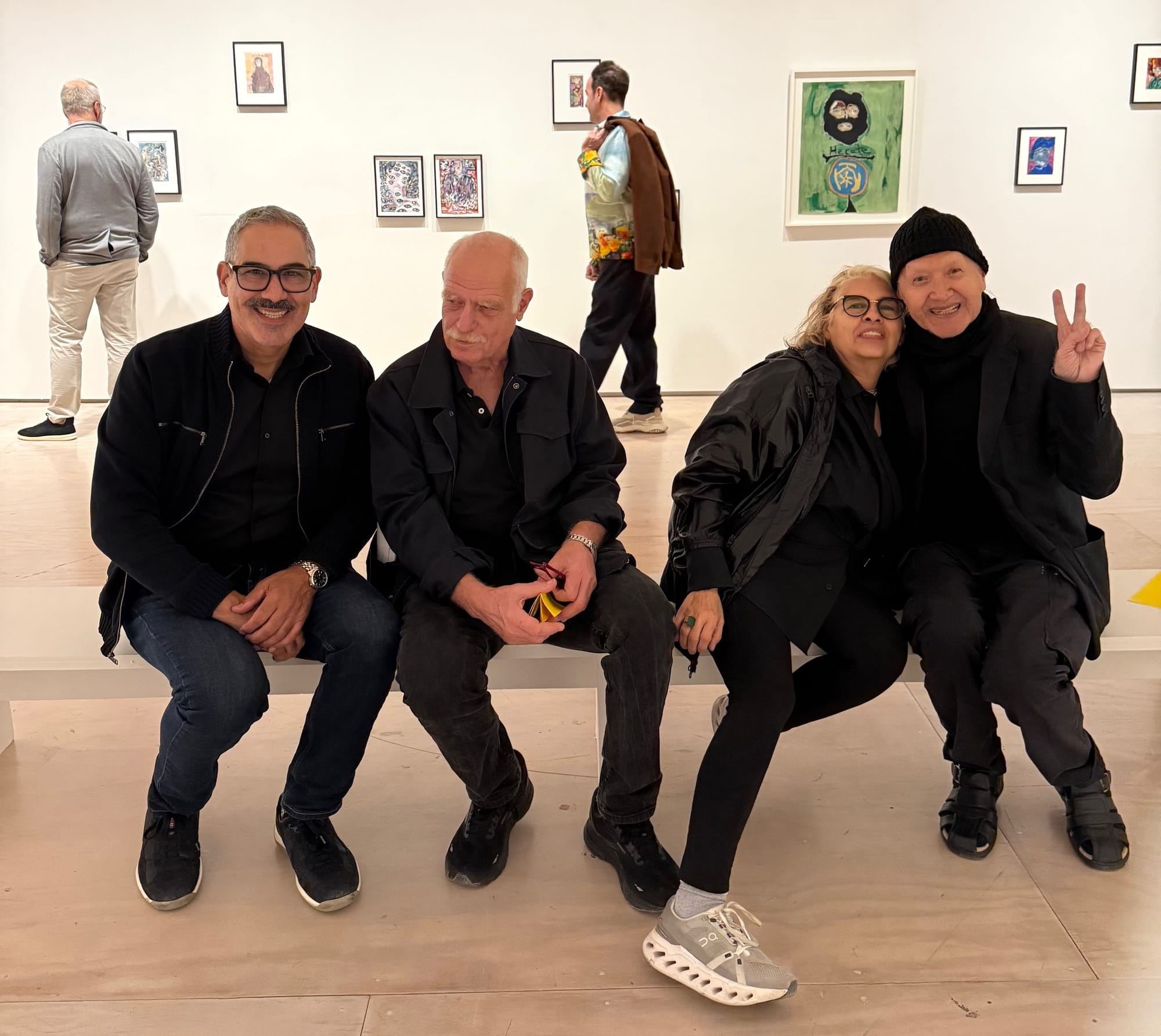
But throughout my conversations with Agosto, I found myself wanting to know more. Agosto had been one of Jack Smith’s muses, and I had been Jack’s friend since I met him in 1976 until he died of AIDS in 1989. Both Agosto and I had one thirteenth of Jack’s ashes. With Berlin in sight, Mario and Jack’s relationship seemed crucial gossip, if not legacy.
After much prodding and cajoling, Agosto finally revealed to me that Mario and Jack were lovers when they lived together. Feeling proud of myself for getting Agosto to share this important piece of queer cultural history, I told Marc Siegel, who then asked Mario onstage during the much-awaited keynote panel. A successful coup! But thinking back on this as I write, Agosto was always the protector, the trusted keeper of secrets. He very likely had to be telling Mario all our backstage goings-on, and the two of them worked out that we planned the reveal. After years in seclusion, Mario was back on the scene, performing and giving interviews, in part thanks to Agosto, who was always behind the scenes, always a connector.
I first met Agosto at the East Village performance club Chandelier in 1985, introduced by Uzi Parnes in 1985. But it was not until November 2018 that I visited his apartment for the first time. Uzi and I were there to interview Agosto for the Leslie-Lohman Museum of Art. Walking into “The Forbidden City,” as Agosto called it, felt for me like entering history. It looked like an artist’s nest. A narrow path led into a tight space crammed with covered boxes, stacked paintings on the floor, on the walls, framed photos, posters, show boxes crammed with ephemera, sequins, shoes everywhere … If objects have a presence, this was a repository of emotional memory.

As Agosto told it, he was often unhoused, a self-described street queen who came into being in 1959, using libraries to stay warm, and walking the city to find out what was happening. Vividly describing the ’60s happenings in Greenwich Village, he spoke of the blurring of art and life. “With the art downtown, the spontaneous nature of it is what also touched me. These people were doing all this work and not necessarily wearing makeup or any of that,” Agosto said. “They talked to friends, and they went out, and walked the streets, and blended in and everyone downtown, whether we were singing by the fountain in Washington Square Park … that was so real and wonderful.”
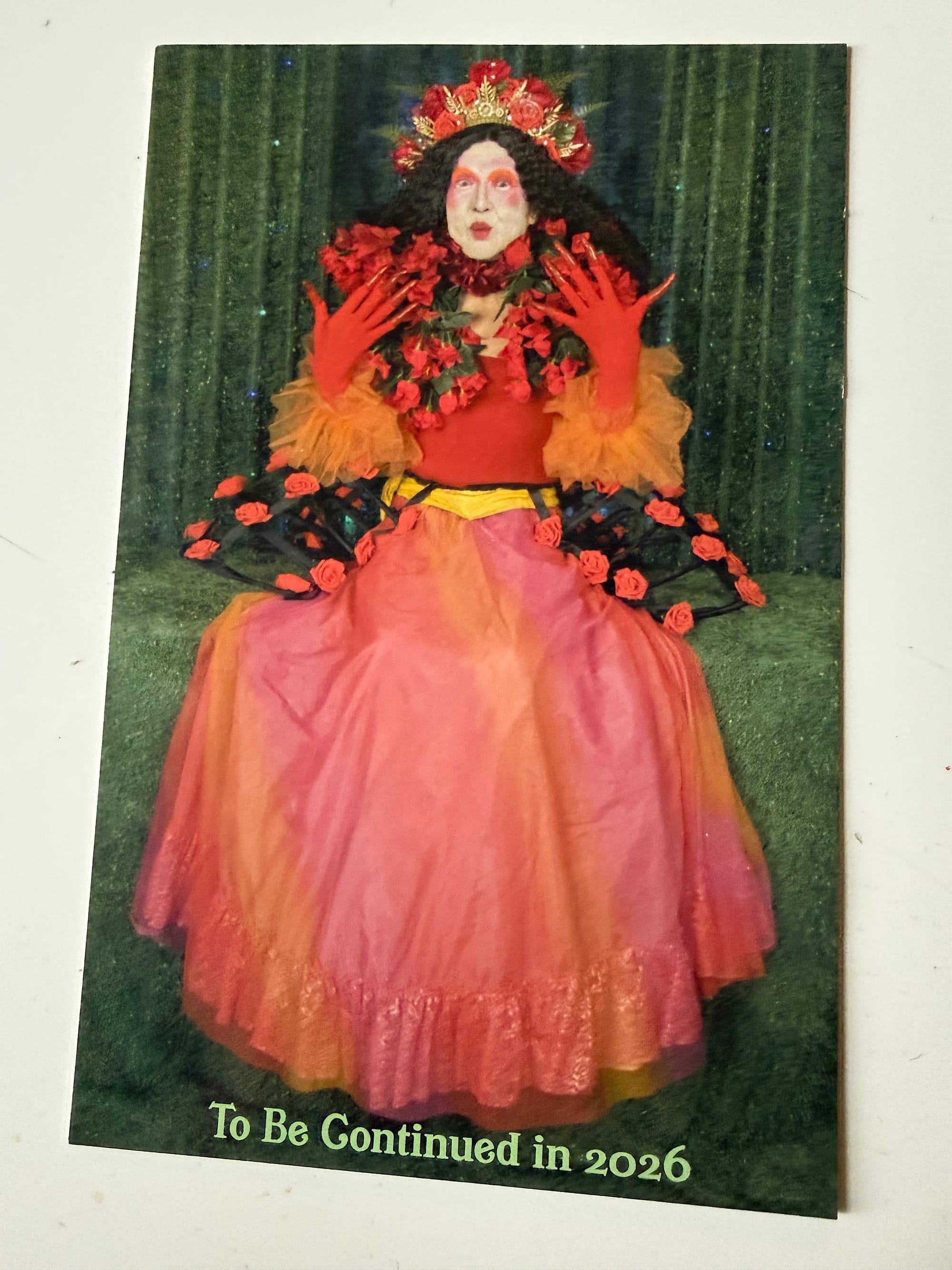
I did not know Agosto had been working on installations, collages, and memorial shrines quietly for years. Yet throughout our conversations, he alluded to a new, broader definition of art, one that would encompass his world. Agosto would send an annual holiday card, a portrait with a personal handwritten message. In the last one he sent, there is a prescient caption: “To be continued in 2026.”
When Michael Bullock asked Agosto in 2024 what it was like to live in an apartment with the ghosts of so many loved ones, Agosto’s response distilled his ethos of perpetual community.
“That’s a good question. I think all these people are still giving me energy, light, and confidence — their lives, their friendship, and wonderful memories,” Agosto said. “Some friends think I’m living in the past, but I’m not. I’m experiencing a reflection of what was and what continues, until we meet again."