Remembering Asher Remy-Toledo, Media Art Luminary
The Colombian-born cultural producer, who died in February at age 62, cultivated community and experimentation for New York City artists, including me.
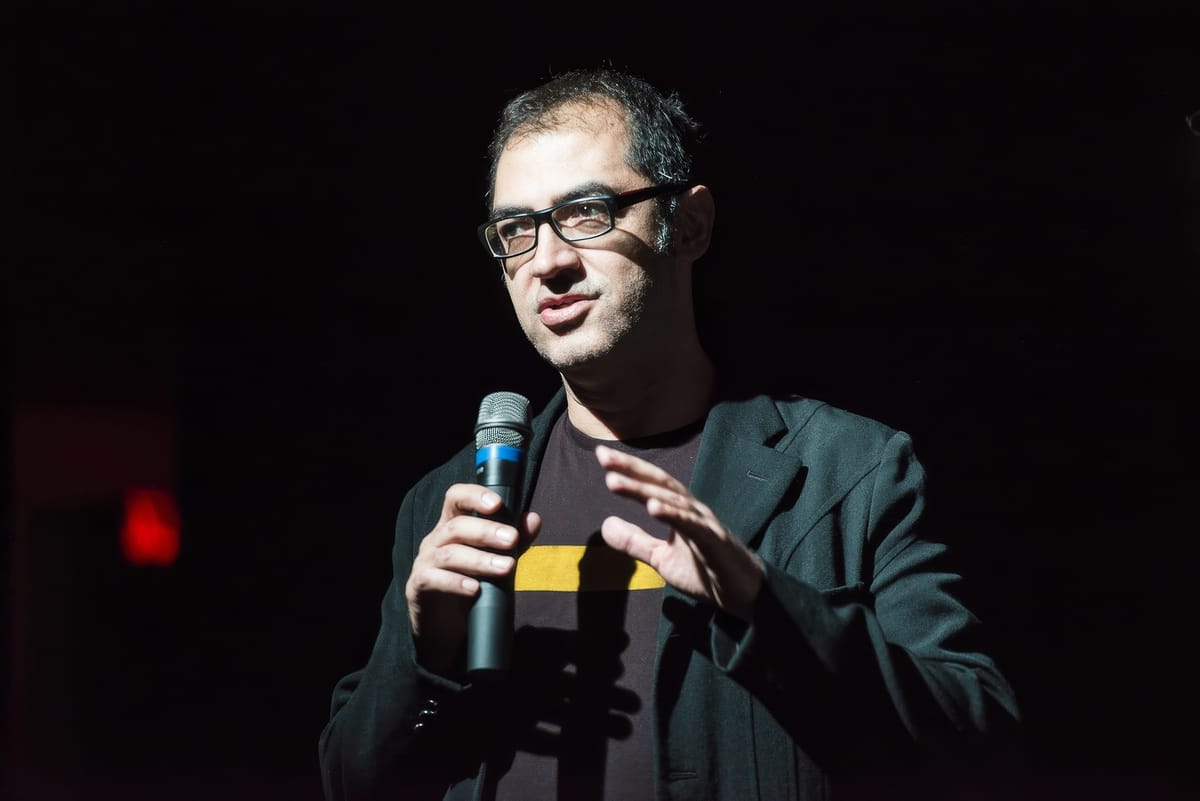
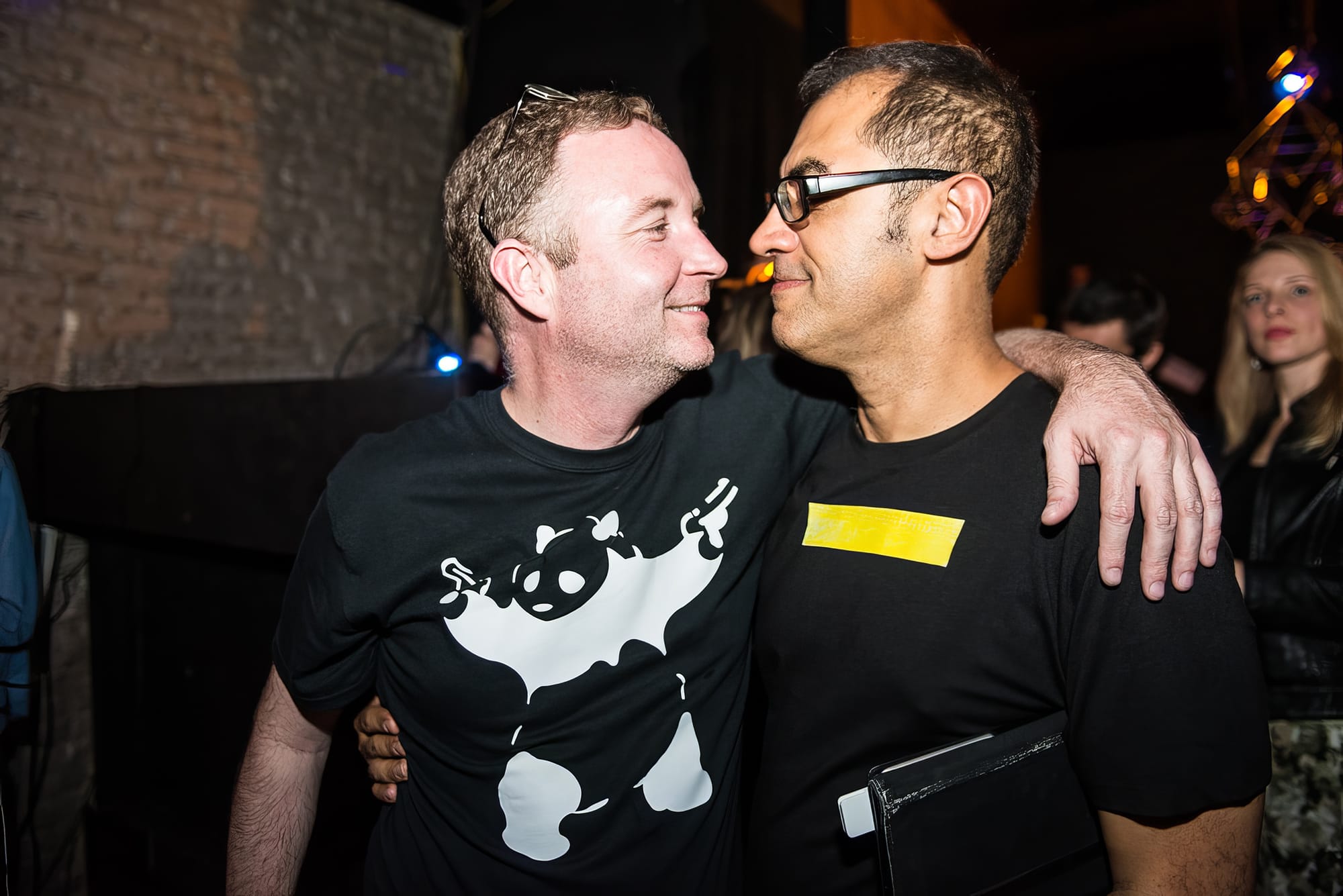
Asher Remy-Toledo, a beloved New York cultural producer, died on February 22 in Medellín, Colombia, at age 62. Hyphen Hub, an international art organization he founded and directed, confirmed his death from Hodgkin’s lymphoma in an Instagram post on February 27. He is survived by his partner, Stephen McGroarty.
Over the course of more than 30 years in New York and abroad, Remy-Toledo founded and directed a range of influential media art initiatives, including his eponymous gallery and Hyphen Hub, which became his cornerstone in 2013. Asher was one of my close friends and collaborators. He was kind, accepting, and loved the weirdest things about me (and everyone, for that matter). We had intense, emotional exchanges. His entire life was a quest for meaning. This included art — which was, for him, a space for sharing. This is not to say that he didn’t like to have fun, and we had our fair share of adventures. As a result, Asher leaves behind an active community as well as an important legacy that has had a significant impact on media art history.
The Remy Toledo Gallery was an art space at 529 West 20th Street in New York’s Chelsea neighborhood that ran from 2004 to 2007. During its short run, the gallery managed to make a strong impact by showing both established and underserved feminist artists, including several exhibitions on Carolee Schneemann and other pioneers of the movement, such as Mary Beth Edelson, Judy Chicago, and Ana Mendieta. In addition, the gallery sought to capture the voices of post-feminist artists by exhibiting works by Monika Weiss, Sara Modiano, and Adriana Marmorek. At the same time, the gallery presented work by other important female artists who explored a range of issues, such as conceptual artist Kaarina Kaikkonen and Arte Povera artist and designer Federica Marangoni.
Hyphen Hub began as a revival of the Red Door, a non-commercial arts and music venue operating in the late 1970s and early 1980s in Chelsea, created by music producer Giorgio Gomelsky. Asher and his collaborator Mark Bolotin embraced the Gomelsky spirit, translating it into contemporary digital-art terms. They co-founded Hyphen Hub in 2013 on the site of the Red Door, an interactive audio-visual club, producing and presenting visions of a future that integrated art and technology. It included performative work in a variety of formats: multimedia festivals, salons, and other innovative live events.
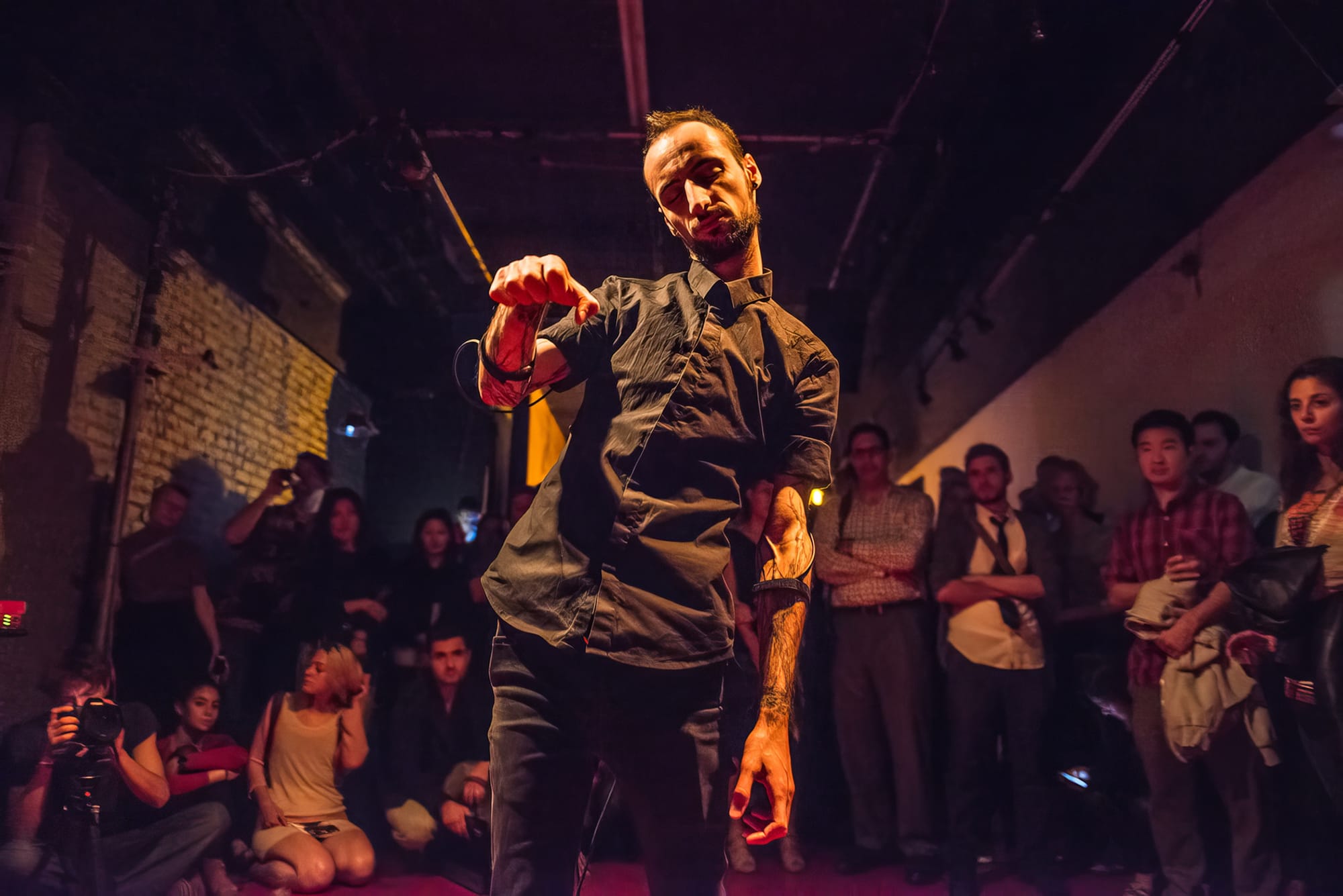
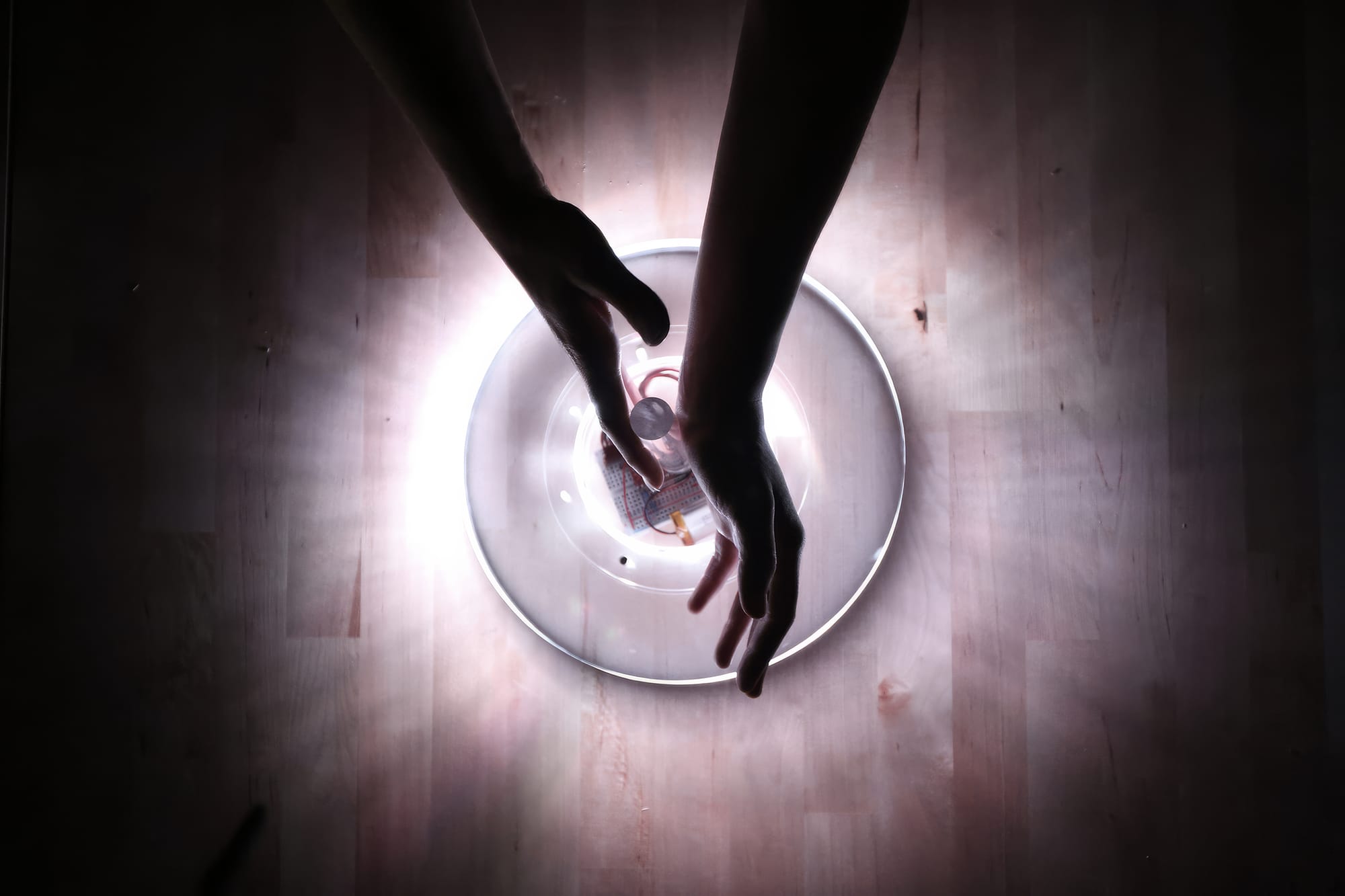
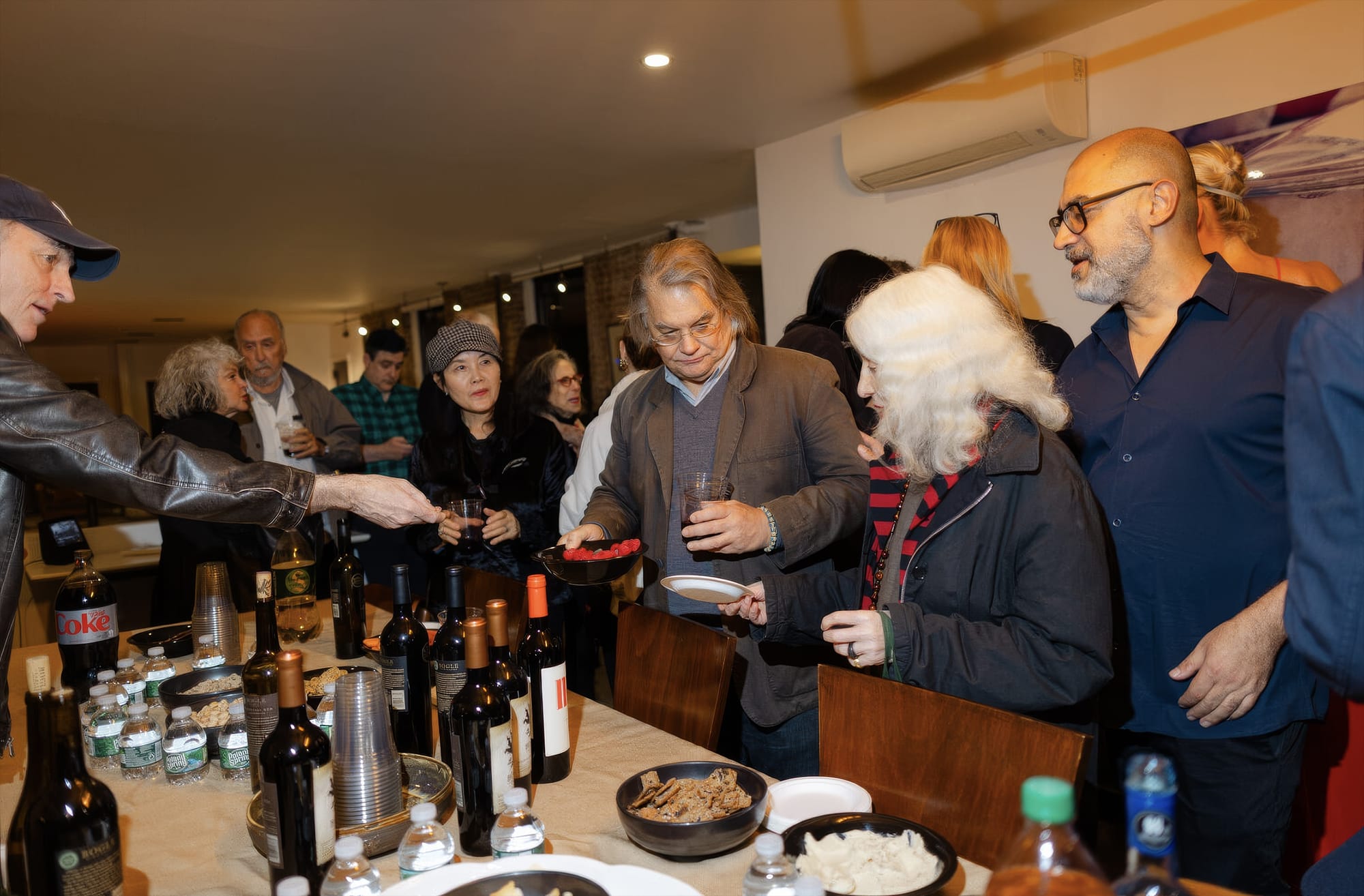
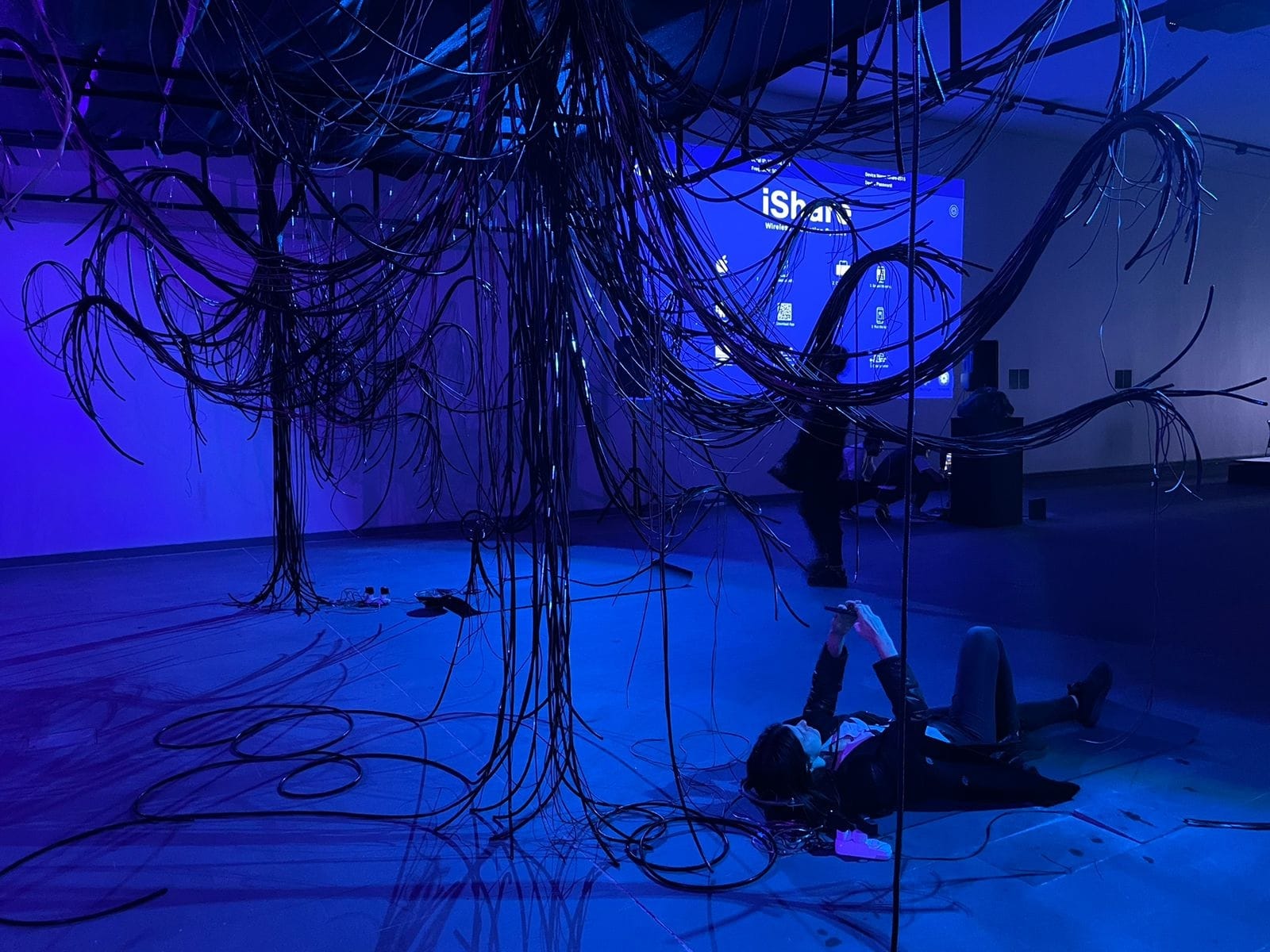
Although the Red Door closed in 2015, Hyphen Hub continued as a thematically organized monthly salon. Asher invited local artists and international travelers to meet in his Chelsea loft, where they presented their projects and engaged in conversation. Asher was a community builder, introducing and match-making. He did this until his final years. Two years ago, he curated a Latin American section of the Ars Electronica festival in Linz, Austria. The 2023 Golden Nica in digital music and sound art went to one of his featured artists, the collective Atractor + Semántica Productions, for their project A Tale of Two Seeds: Sound and Silence in South America’s Andean plains. This public affirmation allowed Asher to fund the Imagenfest in his hometown of Medellín. He was organizing the festival, meant to open this winter, when he passed away unexpectedly from lymphoma.
Asher introduced and disseminated a form of audio-visual media art that has become ubiquitous. But more important to me are the friends and collaborators that he connected, who will keep his spark burning long into the future. And I know that at the very least I will be talking to him in my head from now on as I create art and write — including this.