Remembering Axel Burrough, Kazumasa Nagai, and Éliane Radigue
This week, we honor a pioneering composer, Indigenous muralist, and Upper East Side gallerist.

In Memoriam is published every Wednesday afternoon and honors those we recently lost in the art world.
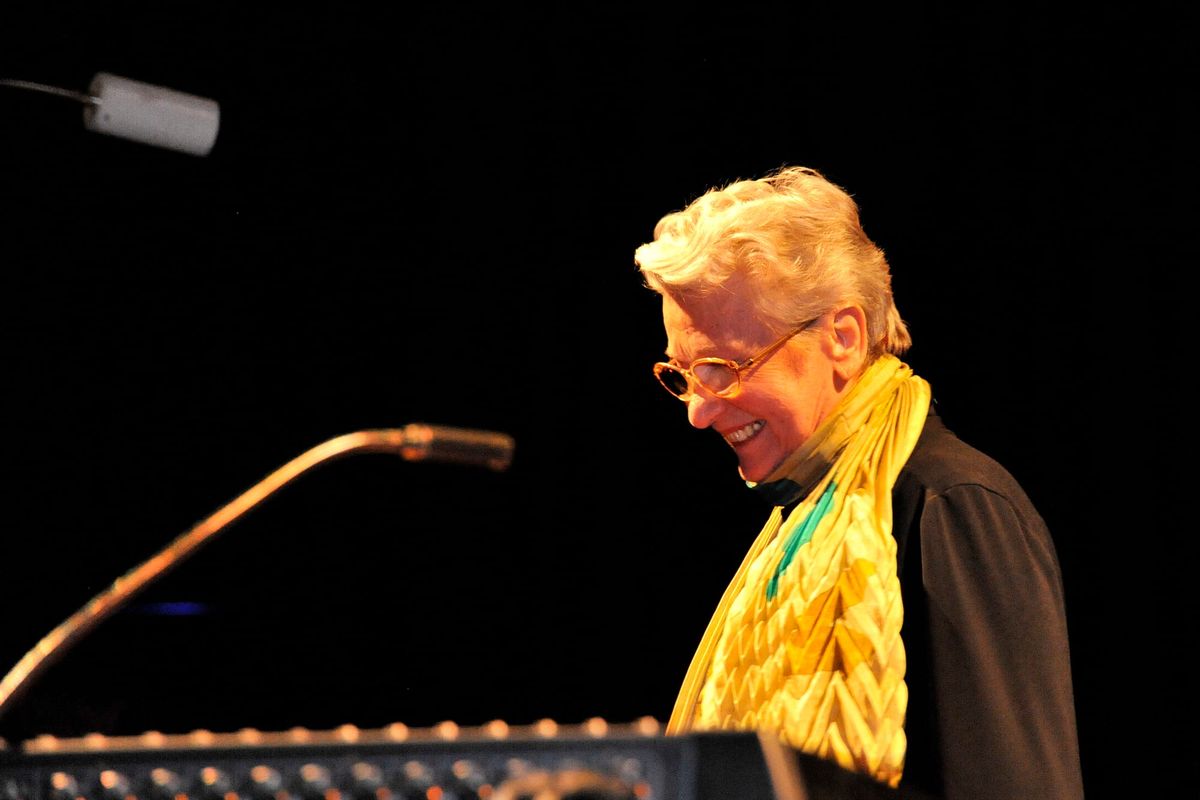
Éliane Radigue (1932–2026)
French experimental composer
She pioneered electronic music in the 1960s through her use of feedback and tape loops. Her work has been performed or exhibited by the San Francisco Art Institute, New York Cultural Art Center, and other institutions around the world.
Brad Bucher (1942–2026)
Houston arts patron and collector
Bucher was known for supporting arts institutions across the city alongside his wife, Leslie, from an artist-in-residence program at Rice University to a gallery at the Glassell School of Art. He was also a dedicated researcher who contributed to the vital work of MFA Houston's Latin American art research center.
Axel Burrough (1946–2026)
British architect
A director at Levitt Bernstein Architects, he played a key role in designing the Royal Exchange theatre in Manchester, England. Burrough led the construction and remodel of the Bristol Beacon concert hall and the Theatre Royal in Bury St. Edmunds, among other projects.
Thomas Carrillo (1948–2026)
Sculptor
The Colorado-based Chicano sculptor contributed work to the New Jersey Korean War Memorial, among other public and private commissions. He primarily worked with stone, steel, bronze, and heavy timber.
Elizabeth Close (1986–2026)
Pitjantjatjara and Yankunytjatjara artist
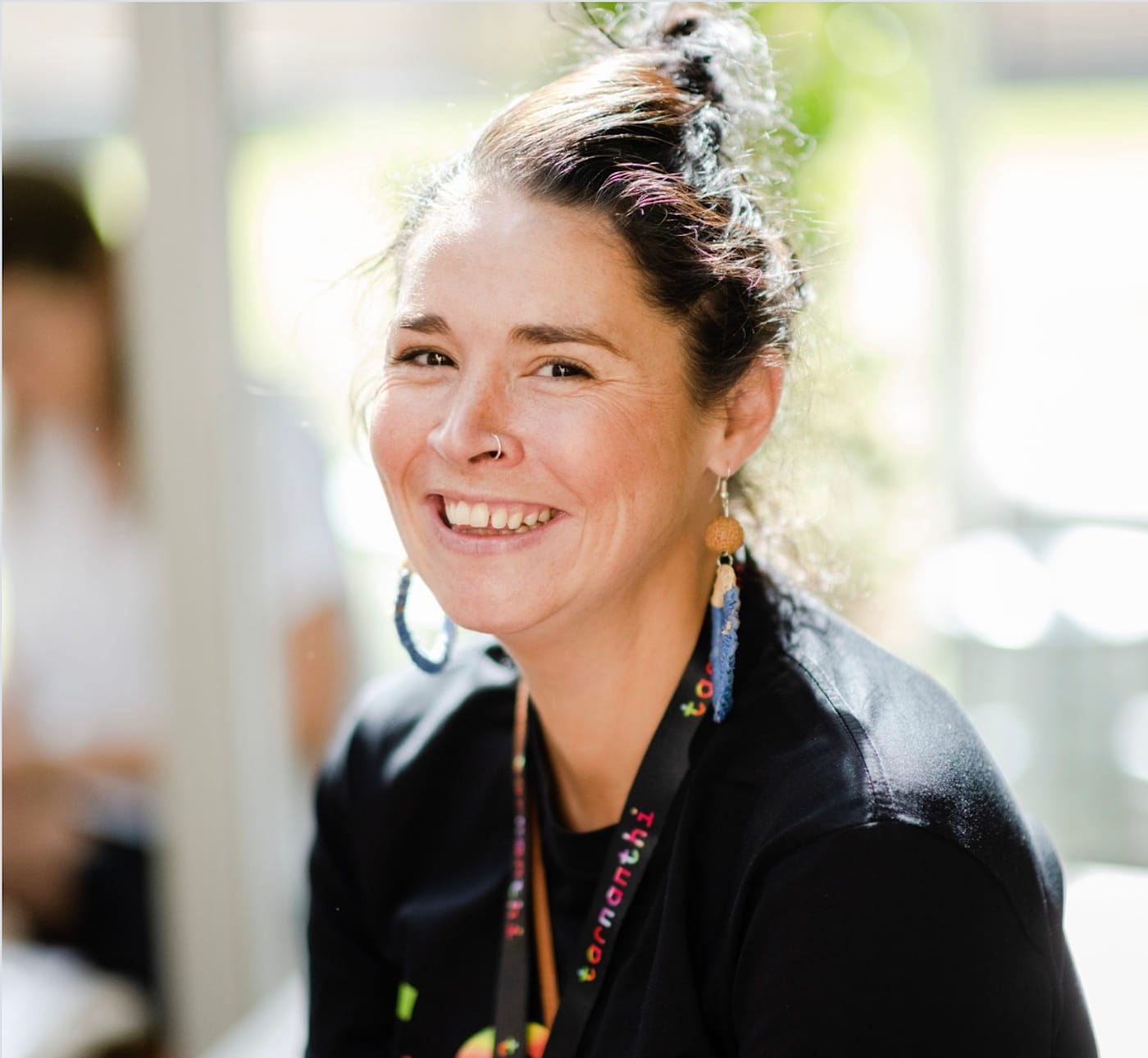
Based in Adelaide, Australia, Close was a luminary painter and muralist. She led multiple public art projects, classes and workshops, and collaborations with Yolŋu communities.
Michael Hague (1948–2026)
American illustrator
A graduate of the Art Center College of Design in Los Angeles, he illustrated numerous children's books. Among them are his beloved reimagining of Kenneth Grahame's The Wind in the Willows (1980) and Houghton Mifflin's 1984 edition of The Hobbit by J.R.R. Tolkien.
Margareta Magnusson (1934–2026)
Swedish illustrator and author
Though best known for her 2017 book The Gentle Art of Swedish Death Cleaning, she worked as an artist and illustrator for much of her life. She attended Beckmans College of Design in Stockholm and exhibited work in galleries in Hong Kong, Singapore, and Sweden.
Dan McCole (1929–2026)
Boston painter
McCole, a newspaper owner, rediscovered painting in his 60s and gained a following for his distinctive watercolors. The City of Boston named May 11 Dan McCole Day in honor of his leadership in the local art community.
Kazumasa Nagai (1929–2026)
Japanese graphic designer
He contributed to the Japanese advertising boom in the 1960s as a designer and artist, notably building the logos and visual identities of the 1972 Sapporo Winter Olympics, Japan Railways, and other companies.
Johanna Saper (1927–2026)
Artist and Holocaust survivor
Saper fled Nazi-occupied Austria at age 11 after being separated from her parents, who were killed during the Holocaust, and moved to the United States two years later with her brother and cousin. She cultivated her art practice in mosaics, collages, and sculptures and showed work in solo and group exhibitions well into her final years.
Peter Stanick (1953–2026)
American Pop artist
A graduate of Carnegie Mellon University's College of Fine Arts and Indiana University of Pennsylvania, he worked alongside artists including AbEx painter Jack Tworkov. He was a trailblazer in the emerging realm of digital art in the 1980s and went on to exhibit at the Metropolitan Museum of Art, the Osaka Museum of Art, and elsewhere.
Gertrude Stein (1927–2026)
Upper East Side gallerist
The avant-garde art patron, who shared a name with the renowned American novelist, was an early supporter of the NO!art movement and its founder, Boris Lurie. After opening her gallery in 1963, she showed anti-war artwork from the movement, pieces by Salvador Dalí and Allan Kaprow, and Yayoi Kusama's first installation exhibition, Aggregation: One Thousand Boats Show.