Remembering Christine Borland, John Will, and Astrid Furnival
This week, we honor an artist who explored human fragility through science, a pioneering British textile artist, and a champion of digital art.

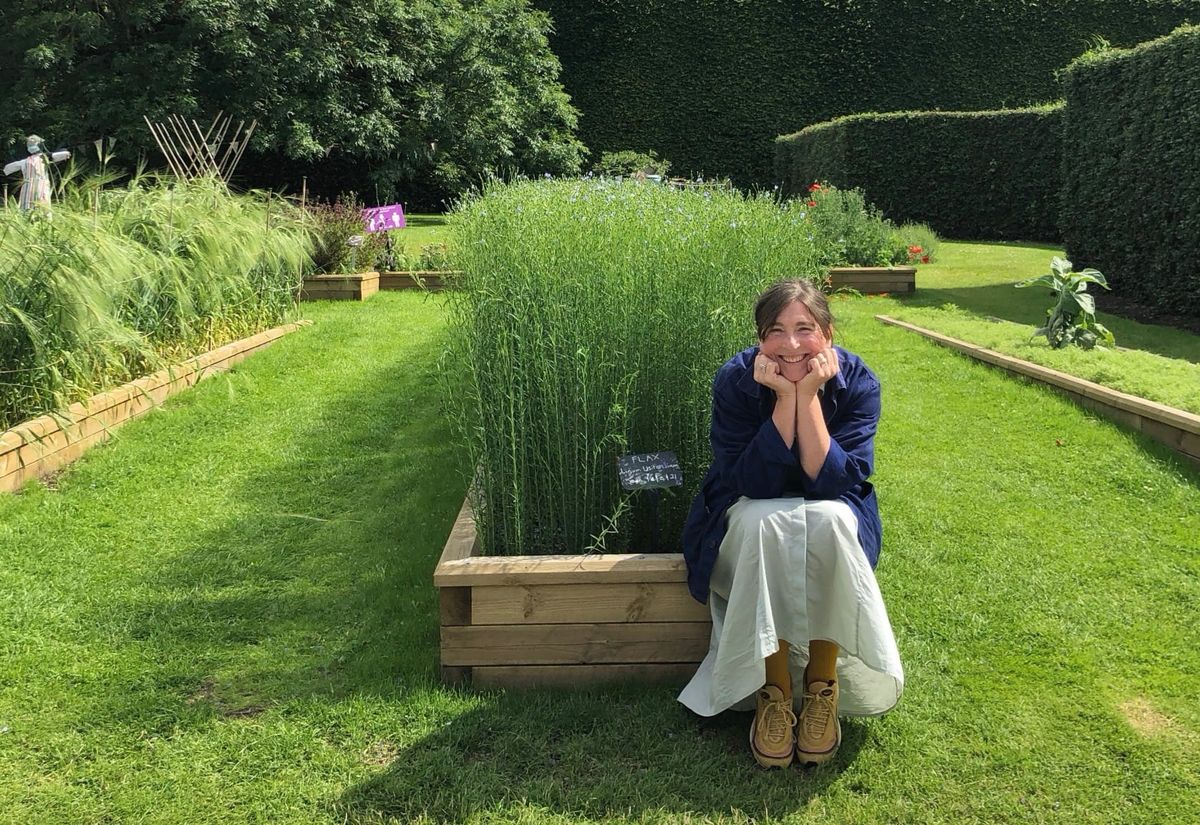
In Memoriam is published every Wednesday afternoon and honors those we recently lost in the art world.
Christine Borland (1965–2026)
Scottish artist who explored human fragility through science
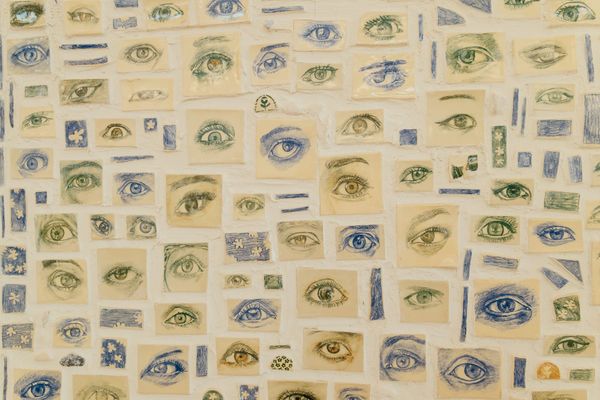
Across sculpture, photography, printmaking, and works in glass, china, bronze, and more, she incorporated fields like genetics and forensic science into explorations of the fragility of life within systems. One of the Young British Artists, she was nominated for the Turner Prize in 1997 and elected to the Royal Society of Edinburgh in 2020. She was a professor of fine art at Northumbria University in Newcastle upon Tyne.
“We were fortunate to work with Christine on a number of projects over the years and to witness her thoughtful, inquisitive and deeply humane approach to making art, not least in her final project this year that centred meditations and visualisations relating to cancer, consciousness and corporeal mapping," Glasgow Print Studio, which collaborated with Borland on a number of projects, told the Scotsman. “Christine's work explored profound questions around science, medicine, ethics and humanity with remarkable sensitivity and insight. She will be greatly missed.”
John Croft (1923–2026)
Abstract artist and codebreaker
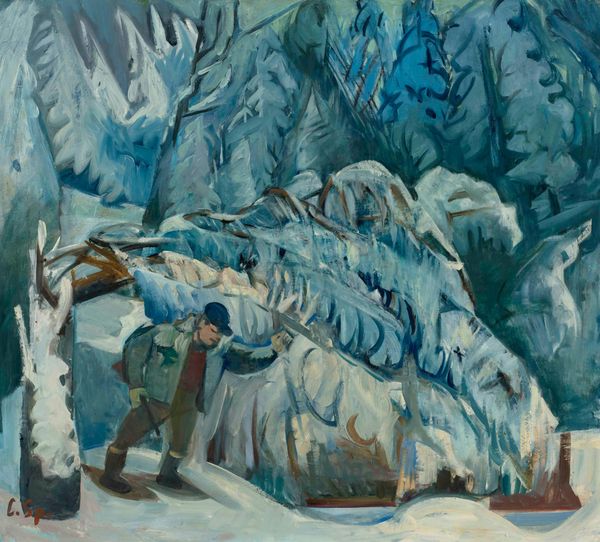
His minimalist abstract oil paintings were inspired by landscape, and he exhibited regularly for decades, notably in the Survey '67 exhibition at Camden Arts Centre. His work is held in the collections of Oxford University, Cambridge University, the London School of Economics, and more. He was a codebreaker at Bletchley Park during World War II, notably deciphering a personal message from Adolf Hitler.
Astrid Furnival (1940–2026)
Pioneering British textile artist
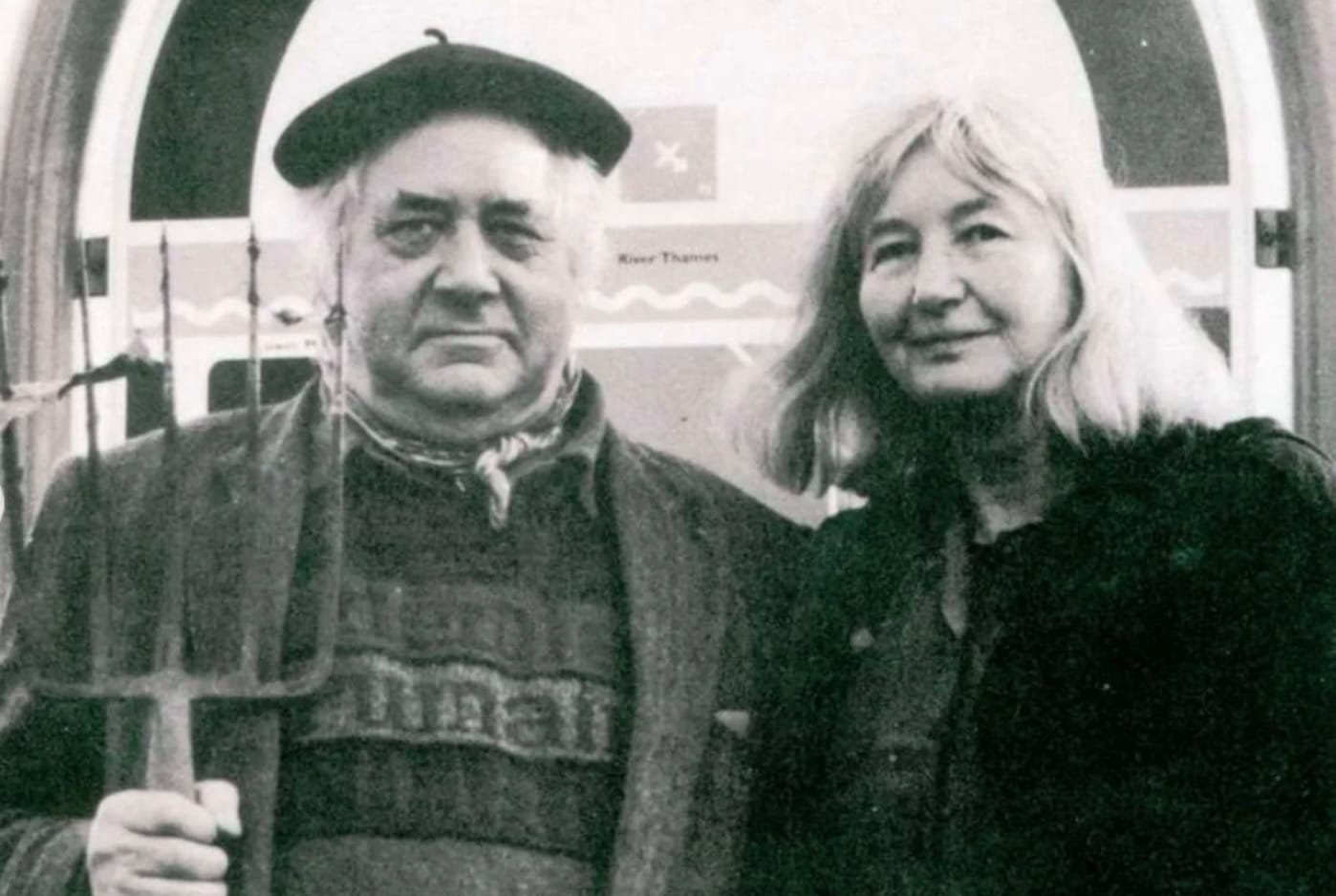
She worked with dye she grew in her garden and wool she spun herself, hand-knitting concrete poetry-inflected works that were also practical, such as quilts and sweaters. With her husband, late artist John Furnival, and others, she created the group GLOUP and helped establish Nailsworth in Gloucestershire, England, as an important art hub.
Mitchell Markovitz (1950–2026)
Oil and watercolor artist and illustrator

The train conductor-turned vintage-style oil and watercolor artist captured the landscapes and destinations of Lake Michigan's South Shore, notably as the lead artist in the 1998 relaunch of the South Shore Line poster series. In 2024, he was awarded the Sagamore of the Wabash, the state of Indiana's highest honor.
Vicente Matallana (1967–2026)
Spanish museum director and champion of digital art
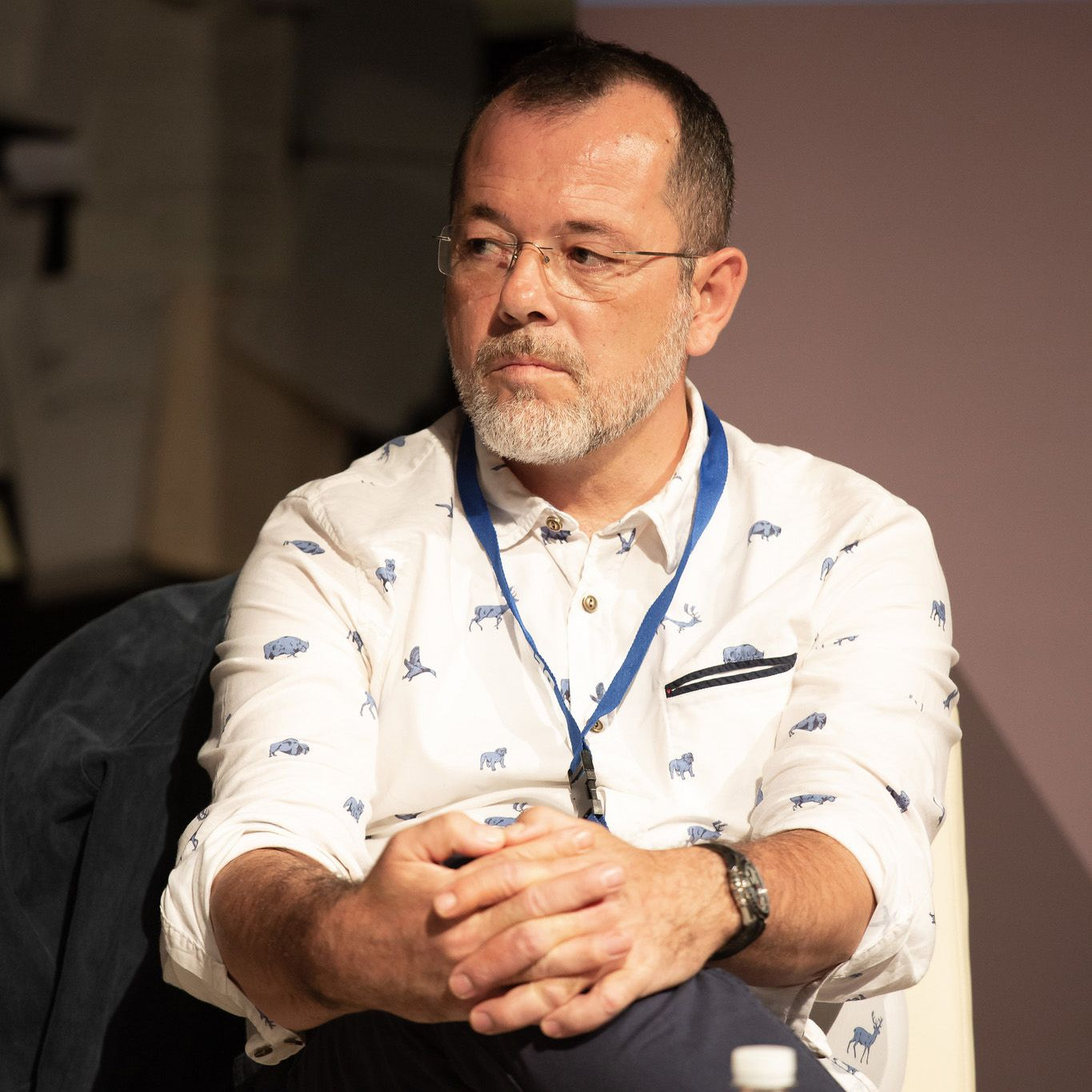
He was the director of NEWART Center in Reus, Spain, a center for digital art, and one of the most prominent figures in the medium, founding LaAgencia, which promoted the research, making, and dissemination of it. He championed emerging artists in the field and was crucial to digital art's preservation.
John Will (1939–2026)
Artist who plumbed truth and identity through humor
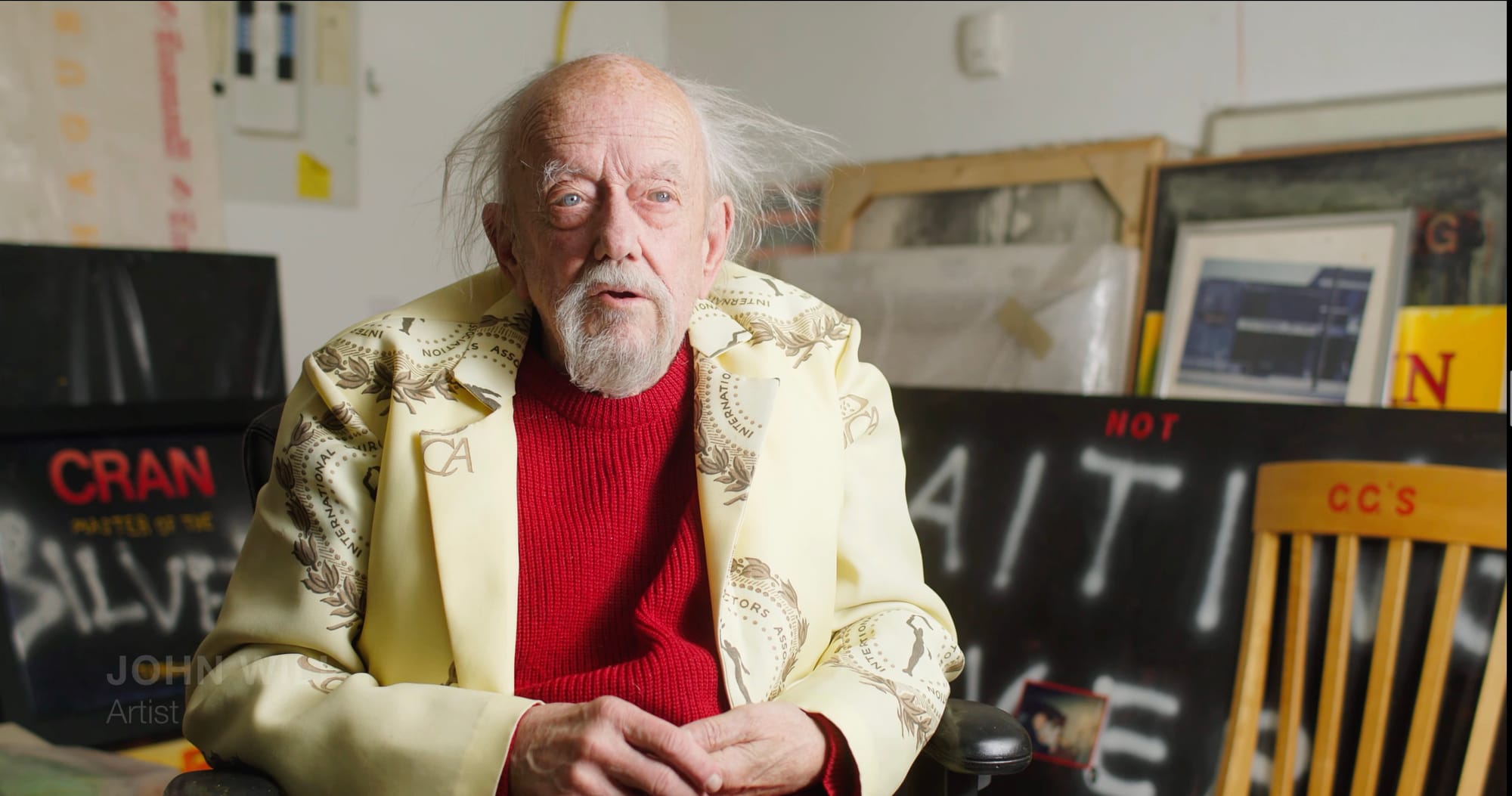
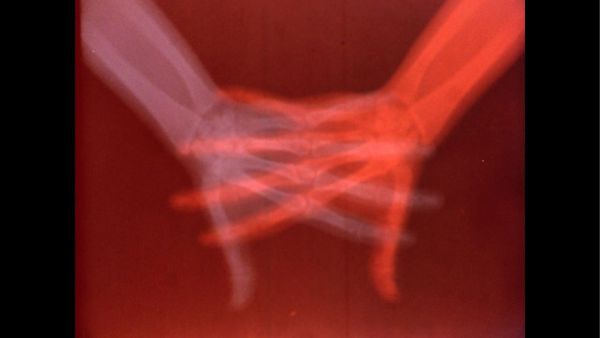
He made prints, paintings, photographs, video works, and more across a 60-year career marked by humor and explorations of truth and personal identity, and drawn from news, popular media, found photographs, and more. He was a professor at the University of Calgary for more than 25 years, and his work is held at the Art Institute of Chicago, the Art Gallery of Ontario, the Vancouver Art Gallery, and more.
An exhibition of his work, John Will: Born in the U.F.O. (Some Truth, More Lies, All Legend), continues at the Art Gallery of Alberta in Edmonton, Canada, through August 9.