50 Years of the Smithsonian Folklife Festival in 50 Objects
For half a century, the annual festival in Washington, DC has showcased folk cultures from the four corners of the world.

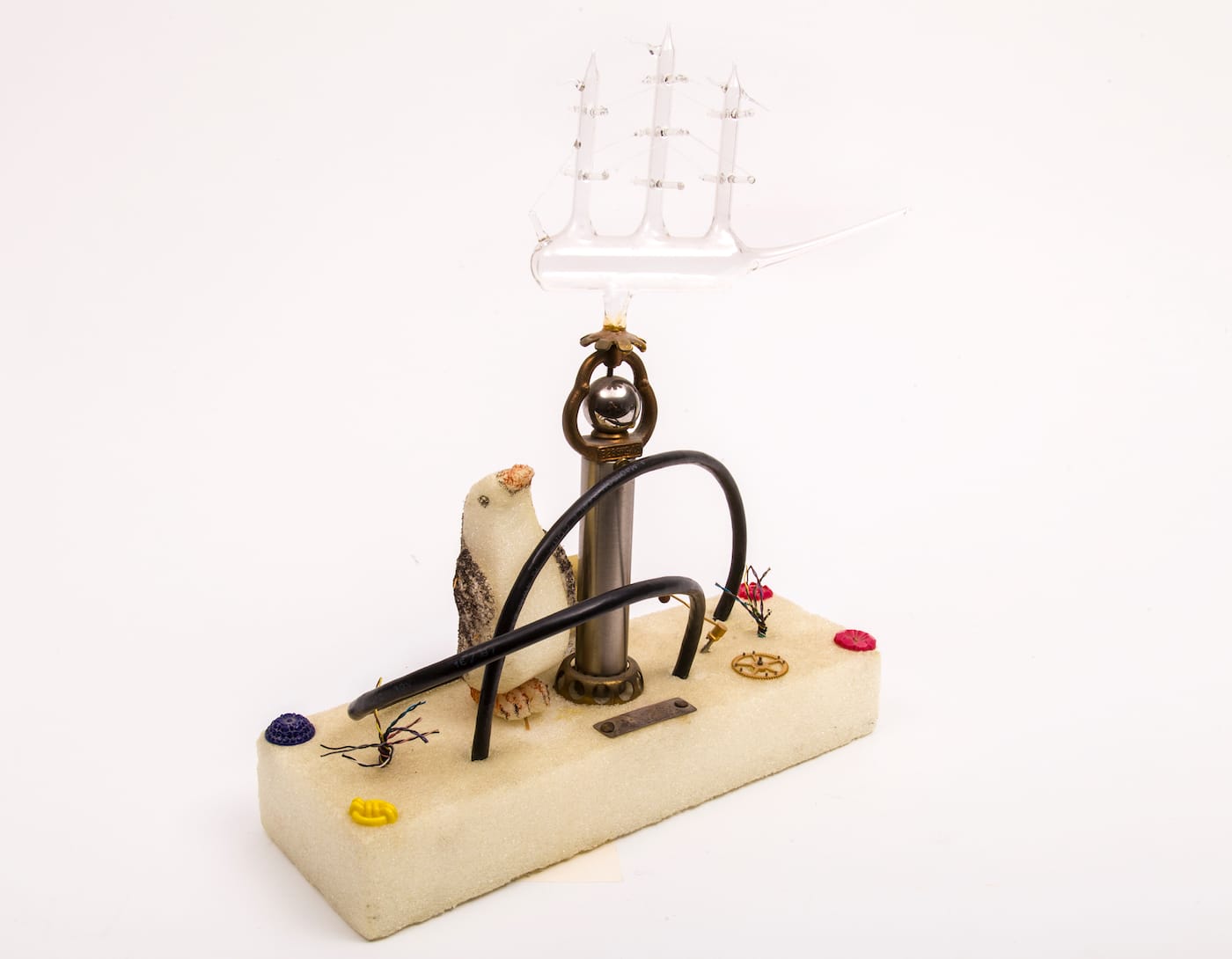
Since 1967, the National Mall has transformed each summer, for two weeks, into a site celebrating a specific cultural tradition in full force. The grassy knoll below the Washington Monument has played host to a recreation of the ancient Silk Road, friendly competitions on bocce courts, and even the burning of giant effigies of Indian demons — just a few standout examples of the lively events organized for what’s known as the Smithsonian Folklife Festival. Now in its 50th year, the annual festival has amassed a rich archive of objects created and donated by artisans from all 50 states and over 100 countries who demonstrated their crafts during each iteration. So, ahead of the forthcoming Circus Arts program, its organizers have launched an online exhibition of some particularly memorable objects, each an example of a longstanding tradition carefully preserved.
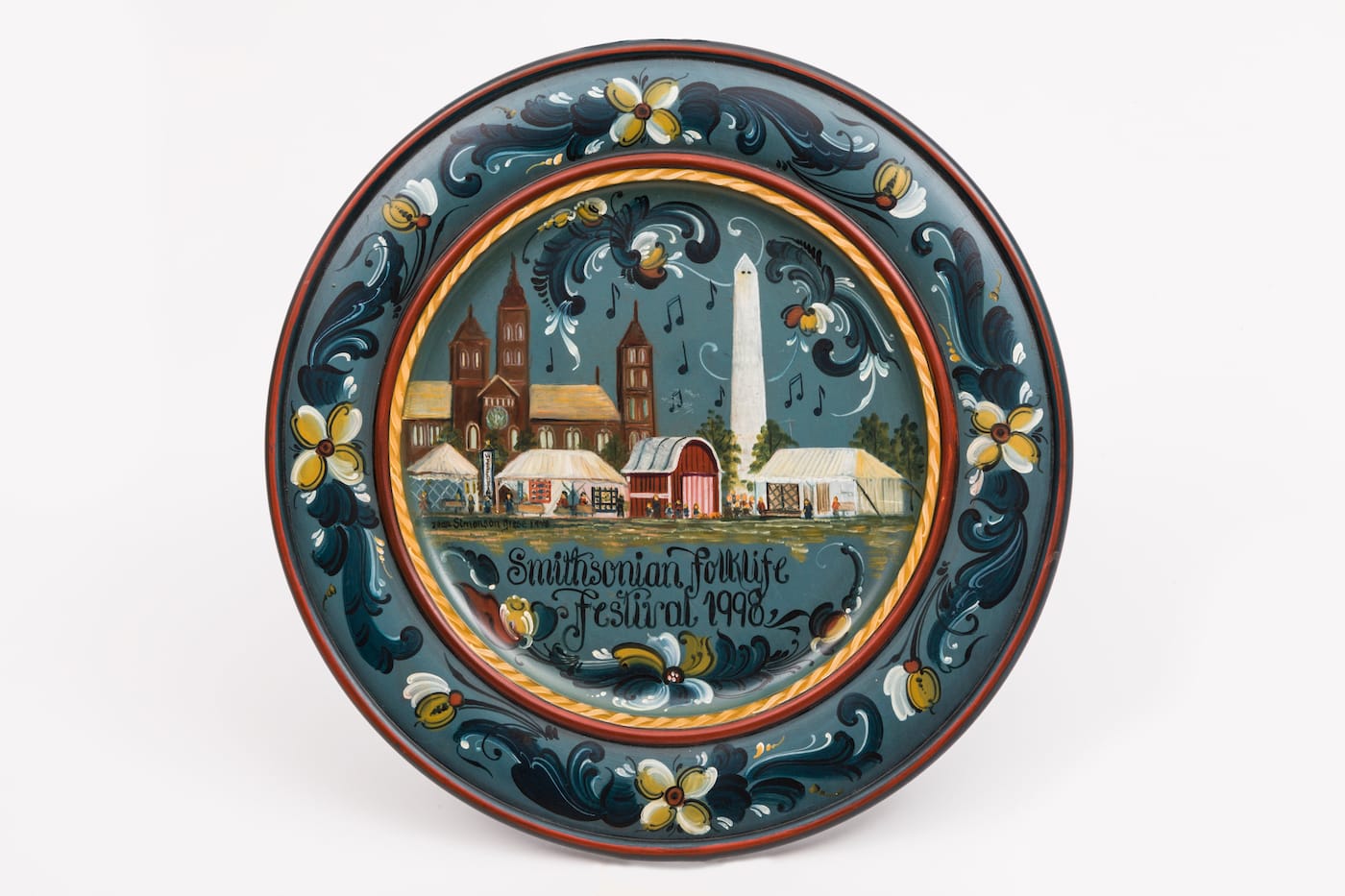
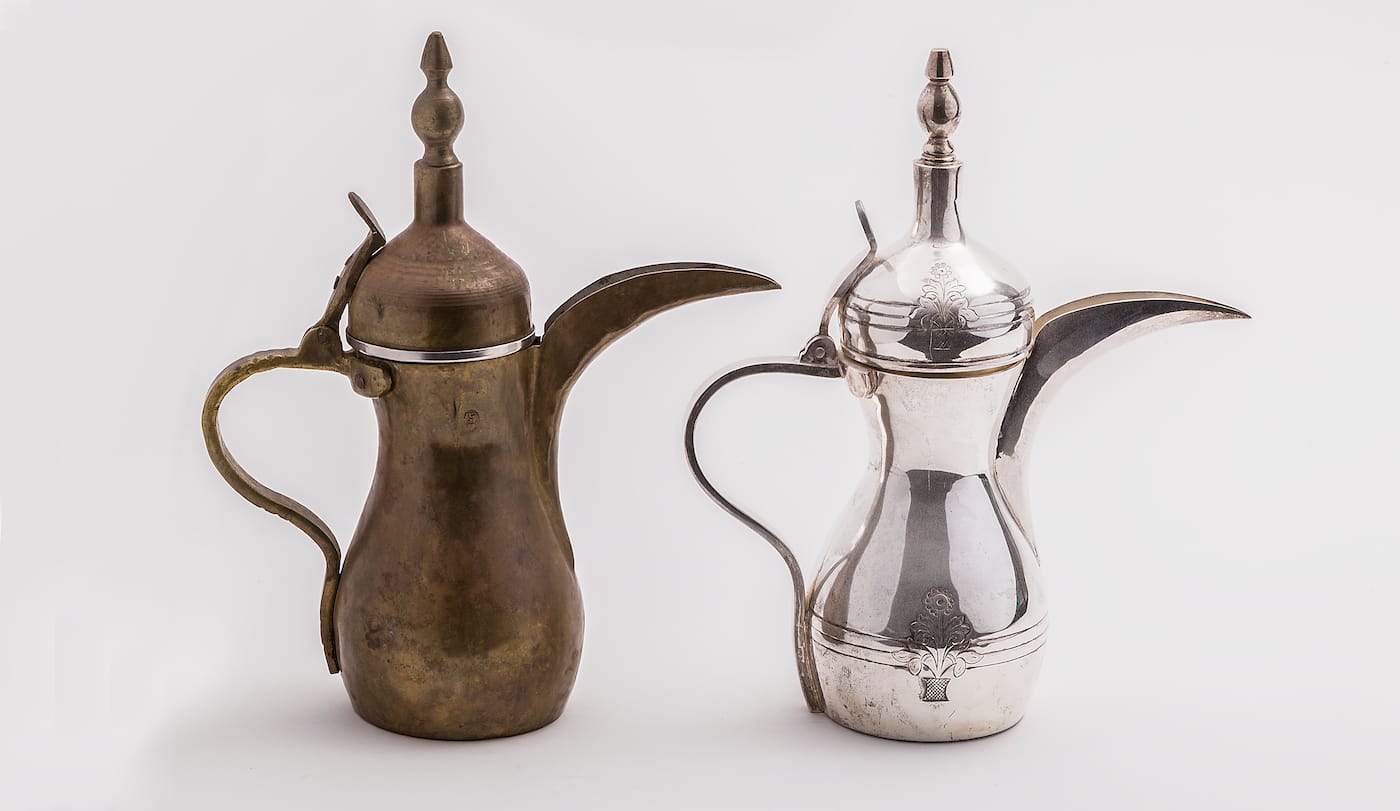
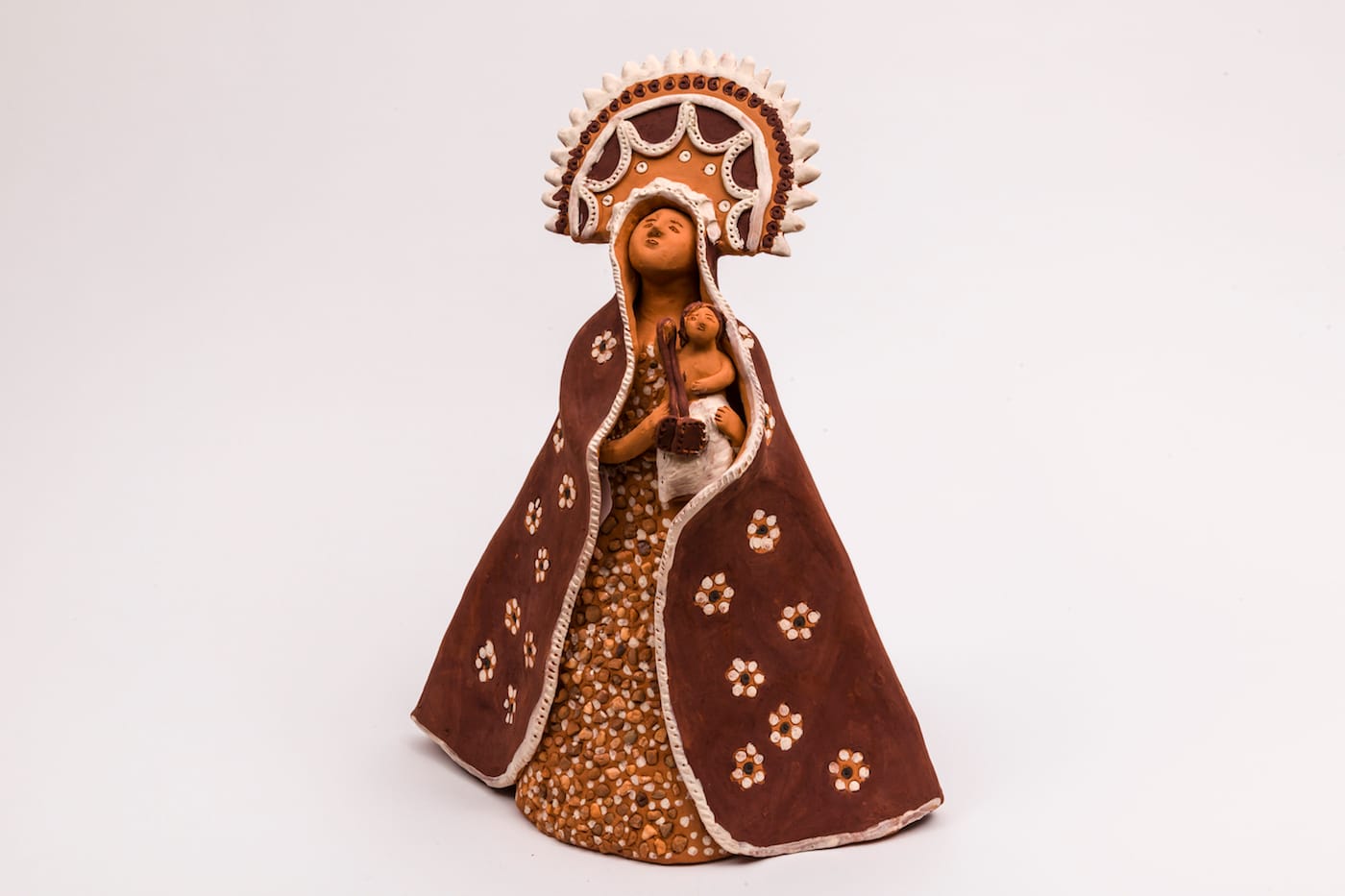
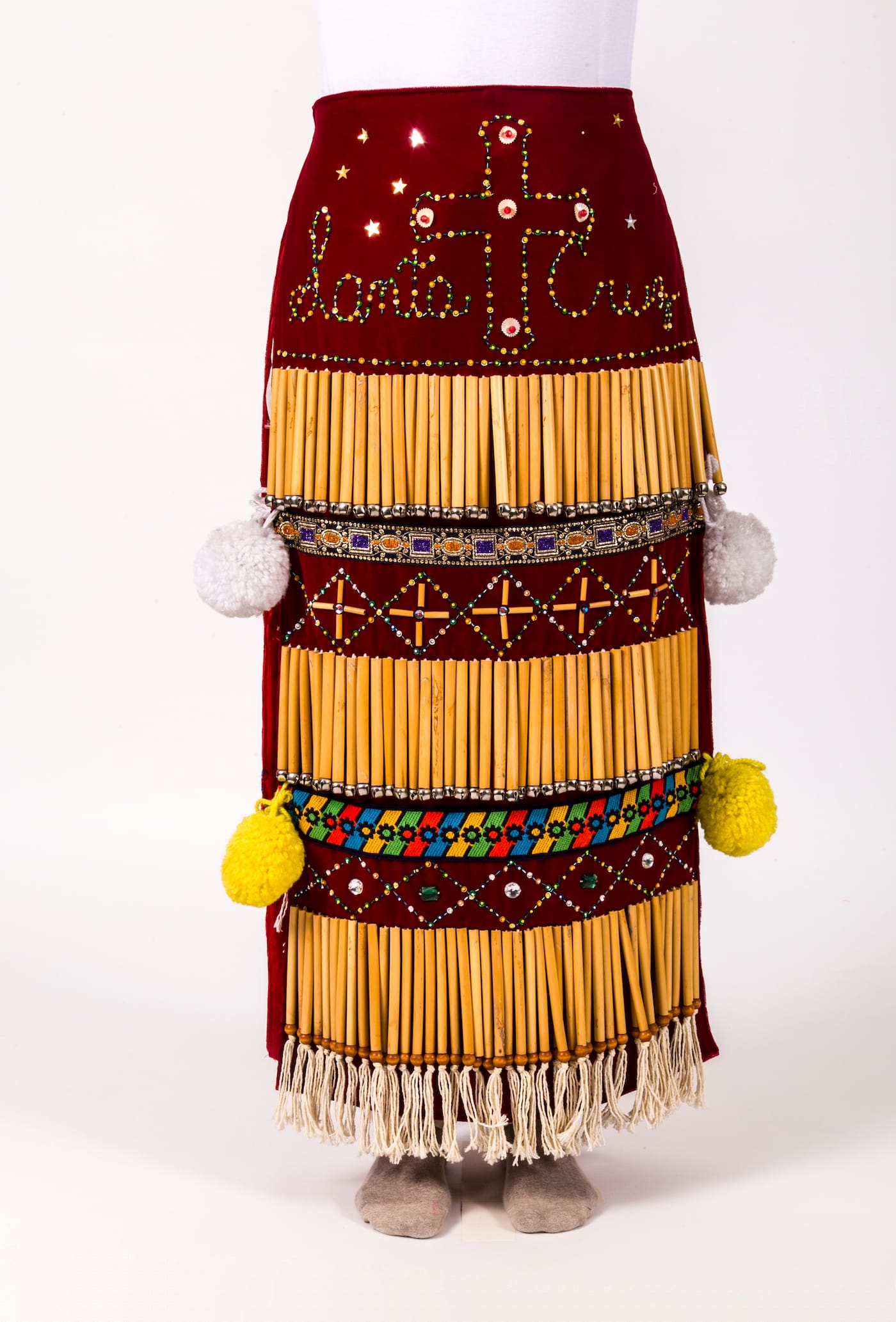
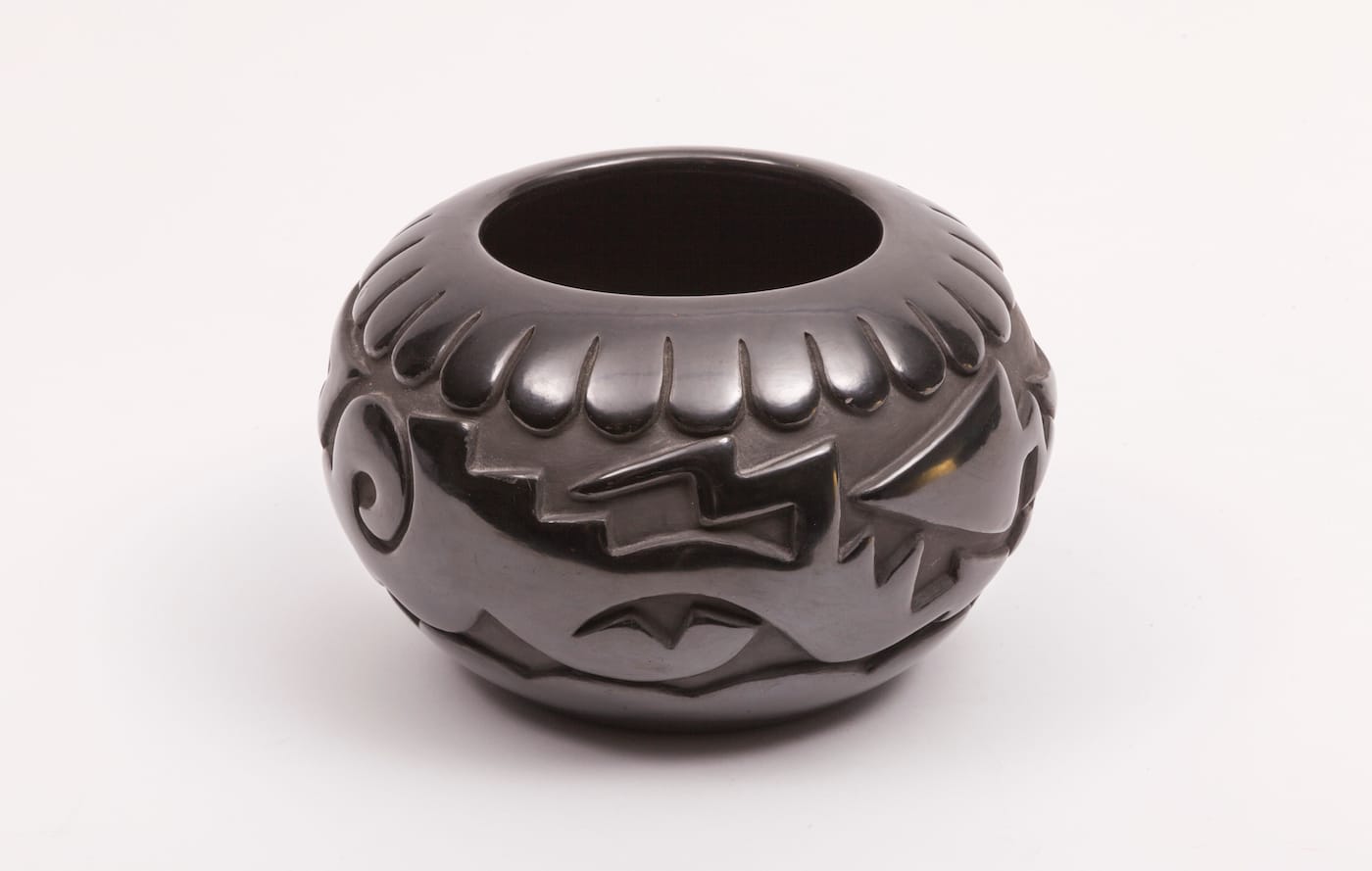
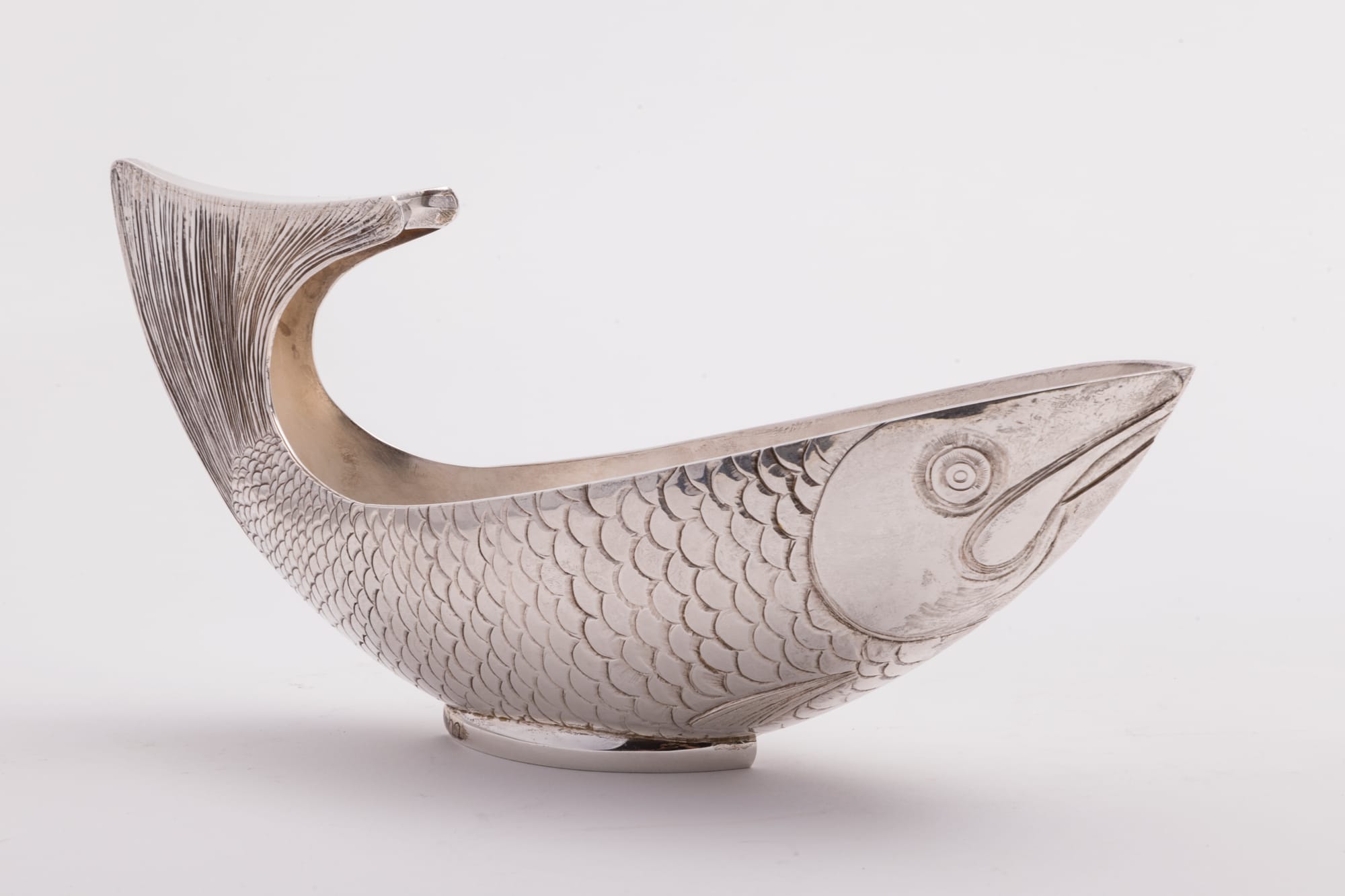
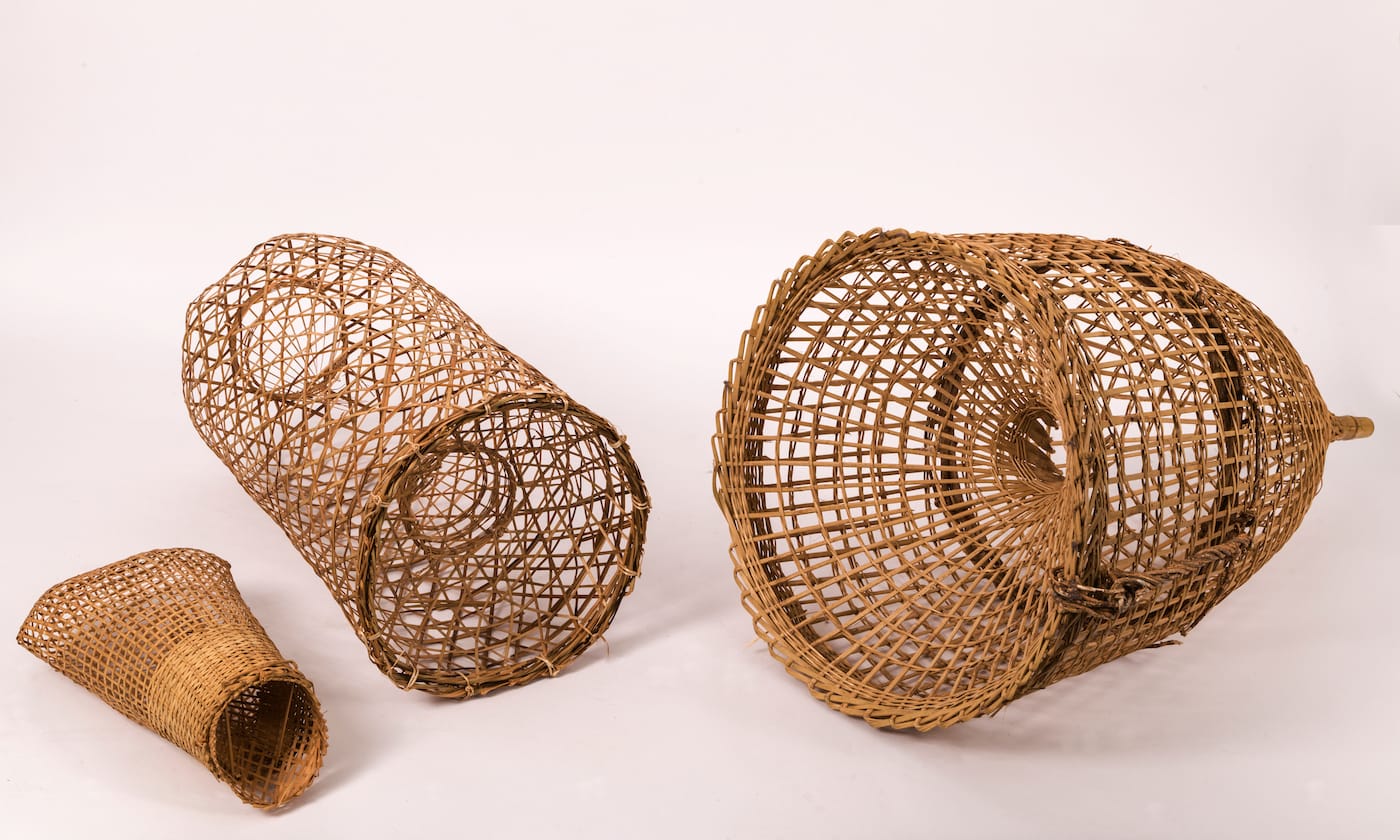
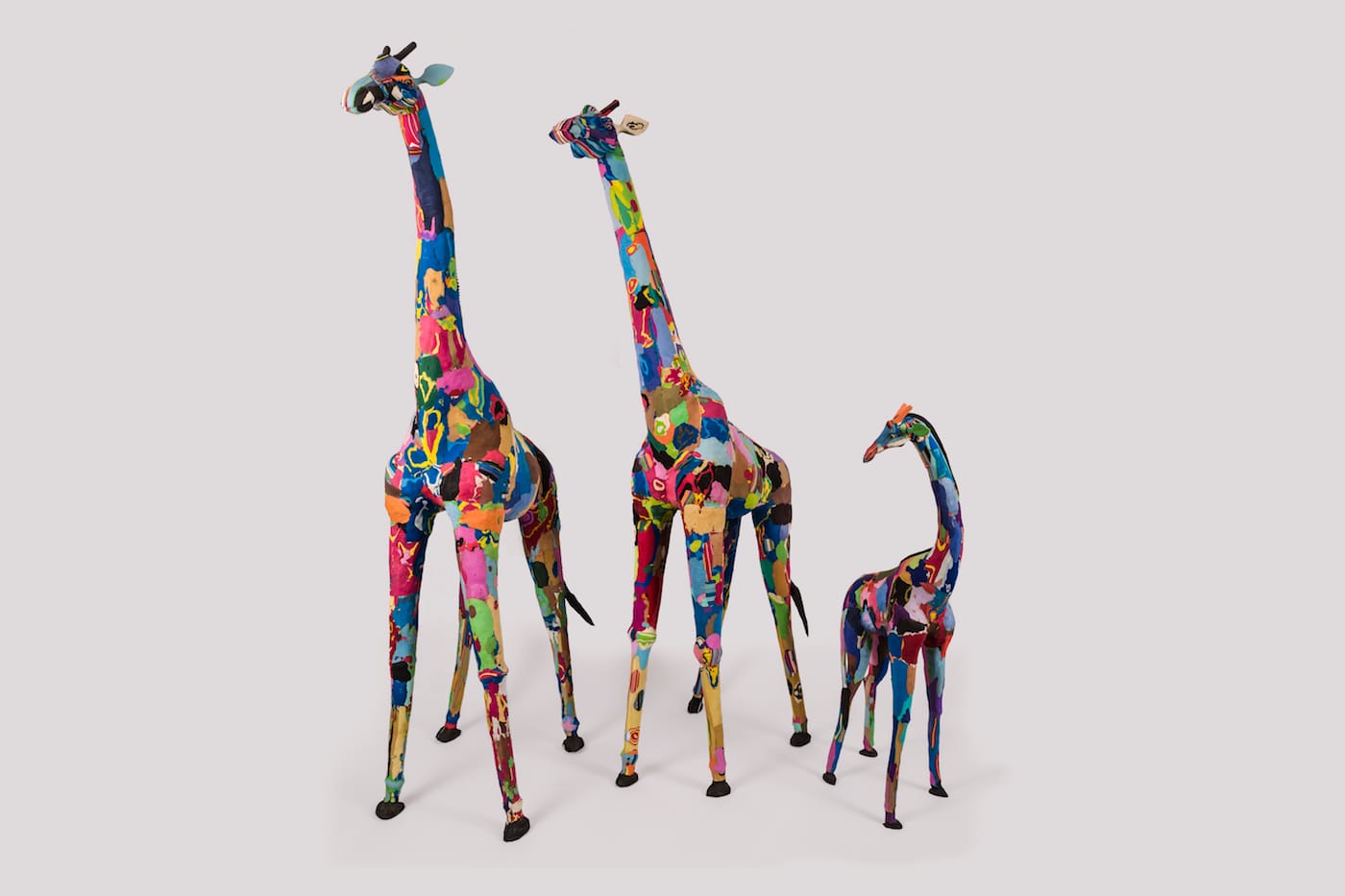
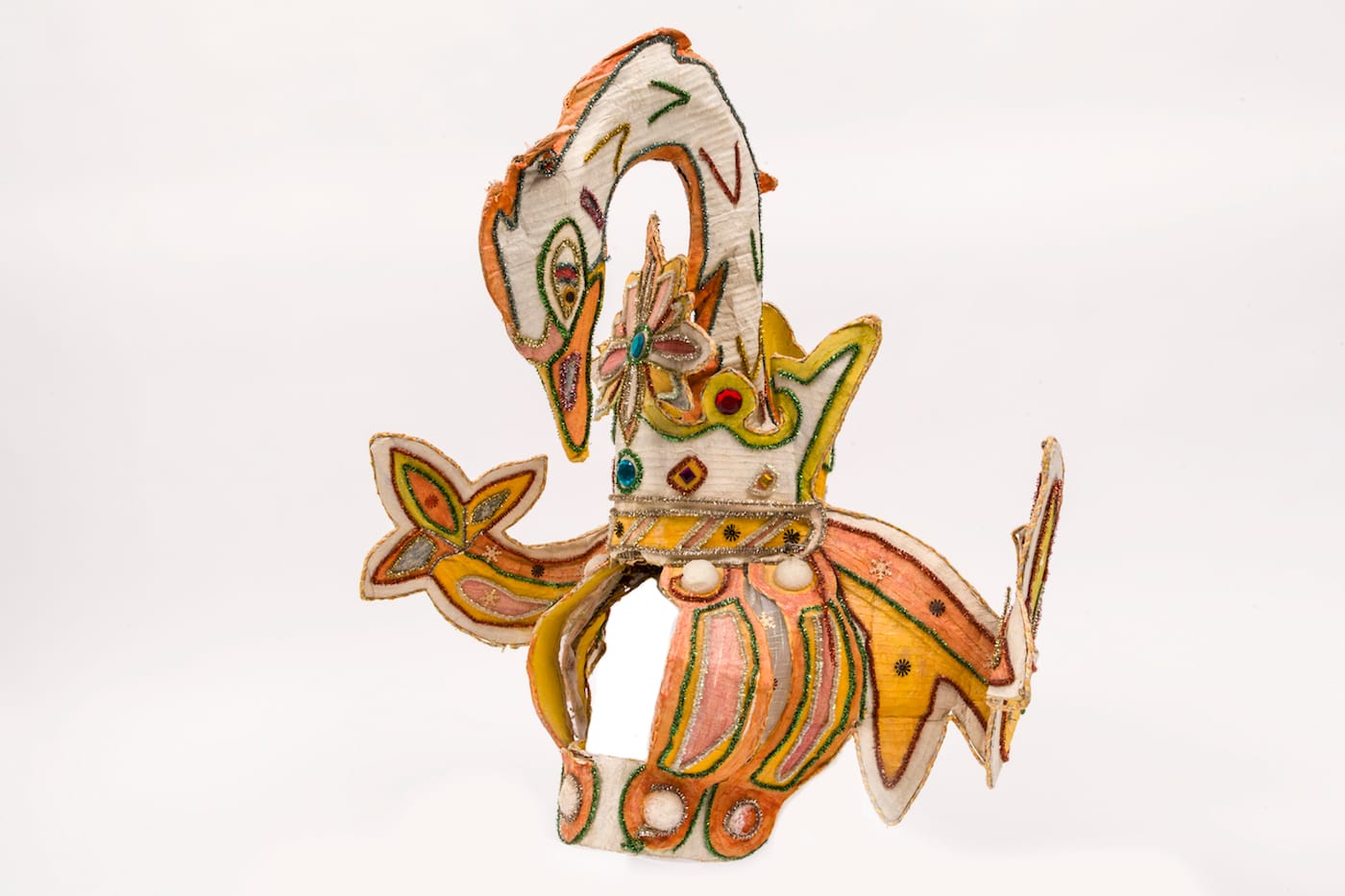
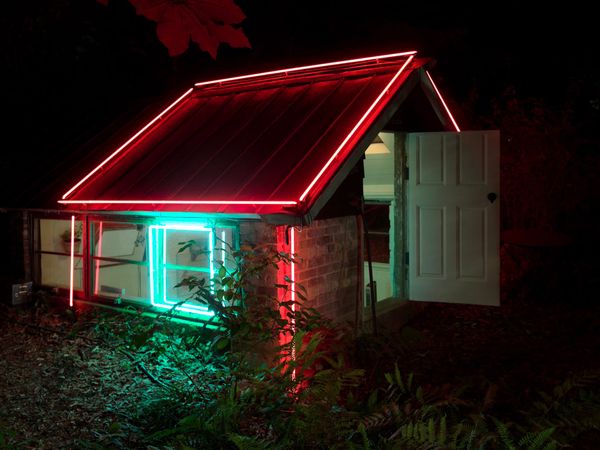
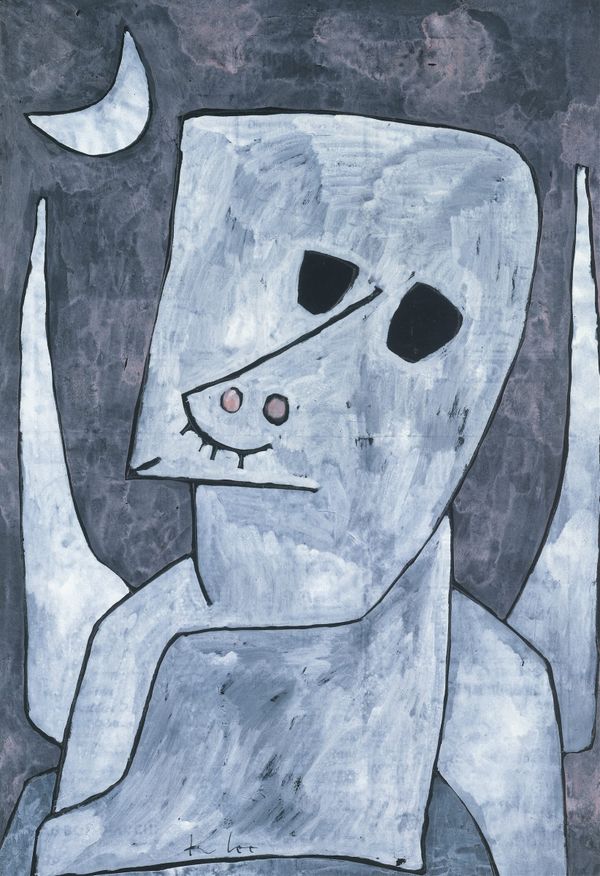
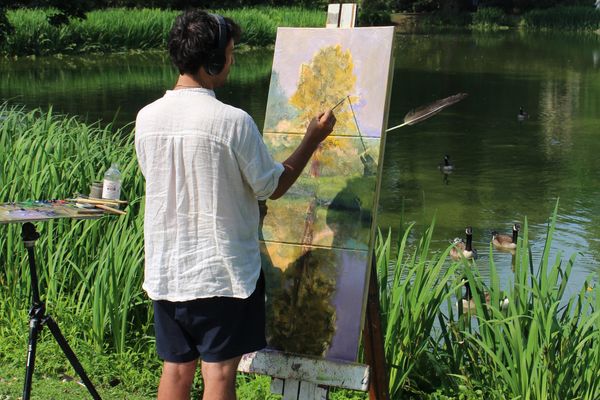
50 Years | 50 Objects features a diverse collection of works curated by Erin Younger of the Center for Folklife and Cultural Heritage, from a silver gravy bowl in the shape of a salmon, from 2003’s Scotland at the Smithsonian, to the recreation of a handwoven rope bridge in Q’eswachaka, Peru, for 2015’s Perú: Pachamama. Each image is accompanied by the object’s story, which describes its traditional significance and relays anecdotes from the particular festival from which it emerged. Also highlighted are the voices of their artisans, who had traveled to the capital to set up work stations to teach visitors about their art forms and heritage.
“Folk and traditional art exhibitions are typically approached from an art historical perspective,” Younger told Hyperallergic. “Ours, in contrast, shifts the focus to the makers and the stories they wish to tell about their traditions … Unlike other online exhibitions, 50 Years | 50 Objects gives visitors an inside look at the artists themselves and the stories that surround these rich and diverse objects.”
From 1970’s Arkansas to 1994’s Commonwealth of the Bahamas to last year’s Freedom Sounds: A Community Celebration, there’s a lot to discover in the highlighted programs and objects. You can filter them by year, region, material, and type, but it’s well worth reading about all 50, which all speak to the festival’s fantastic programming.
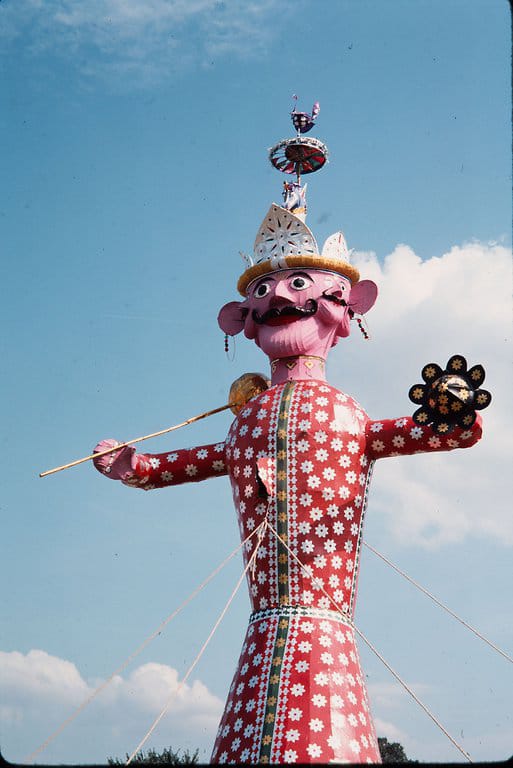
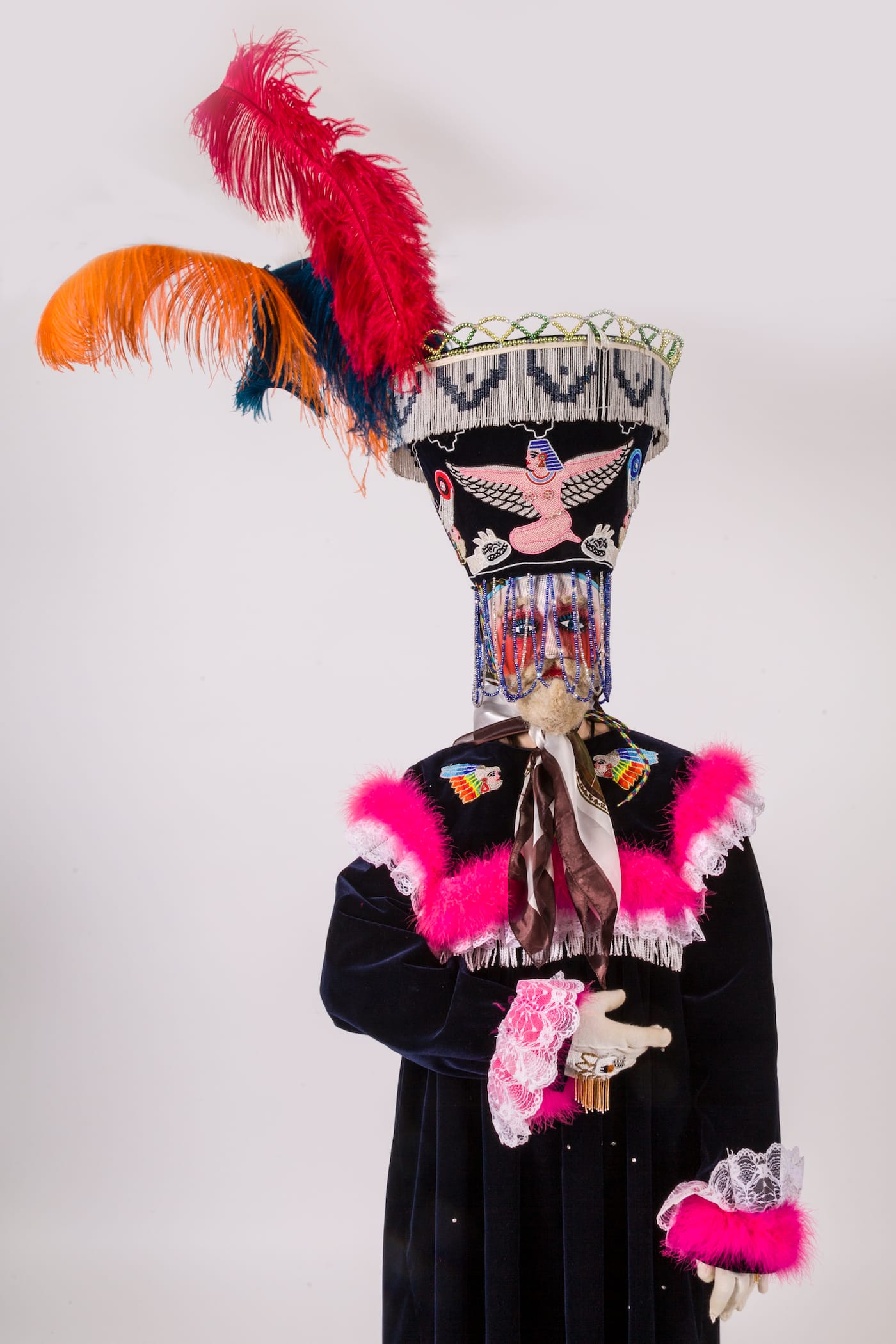
For its 1985 Mela! An Indian Fair, for instance, the Mall became an Indian bazaar, and visitors watched as artisans created gigantic bamboo and painted papier-mâché effigies of the demon king Rāvana and his allies as part of a reenactment of a Hindu celebration. These were then packed with firecrackers that exploded in a crowded nighttime ceremony. Other festivals witnessed less risky but equally captivating performances, such as the dance by the masked carnivalesque troupe Chinelos de Atlatlahucan, whose members wore velvet gowns and large, beaded headdresses for 2010’s México program despite DC’s sweltering summer temperatures. And over two decades ago, in 1994, over 100 Bahamian dancers dressed up in diverse costumes for a judged performance, moving for hours in the masquerade known as Junkanoo, typically occuring at Christmastime.
All of these costumes, decorative wares, and more — or physical records of them — have gradually filled the offices of the Center for Folklife and Cultural Heritage, which is a research unit within the Smithsonian. The Center has no official space for its collection of objects, which have been donated over the years by their artists. While staff members began to compile a basic inventory in 1980, many of these objects were isolated from their histories, hanging on office walls. 50 Years | 50 Objects arrives from careful research, with information largely based on the memories of those who helped organize festivals. Thanks to its organizers, the objects are finally displayed in their original contexts, and these momentary experiences now a little more accessible to all.