Smithsonian to Return Three Looted Bronzes to Indian Government
The sculptures of Hindu gods and their followers were stolen from Tamil temples and smuggled out of India in the mid-20th century.

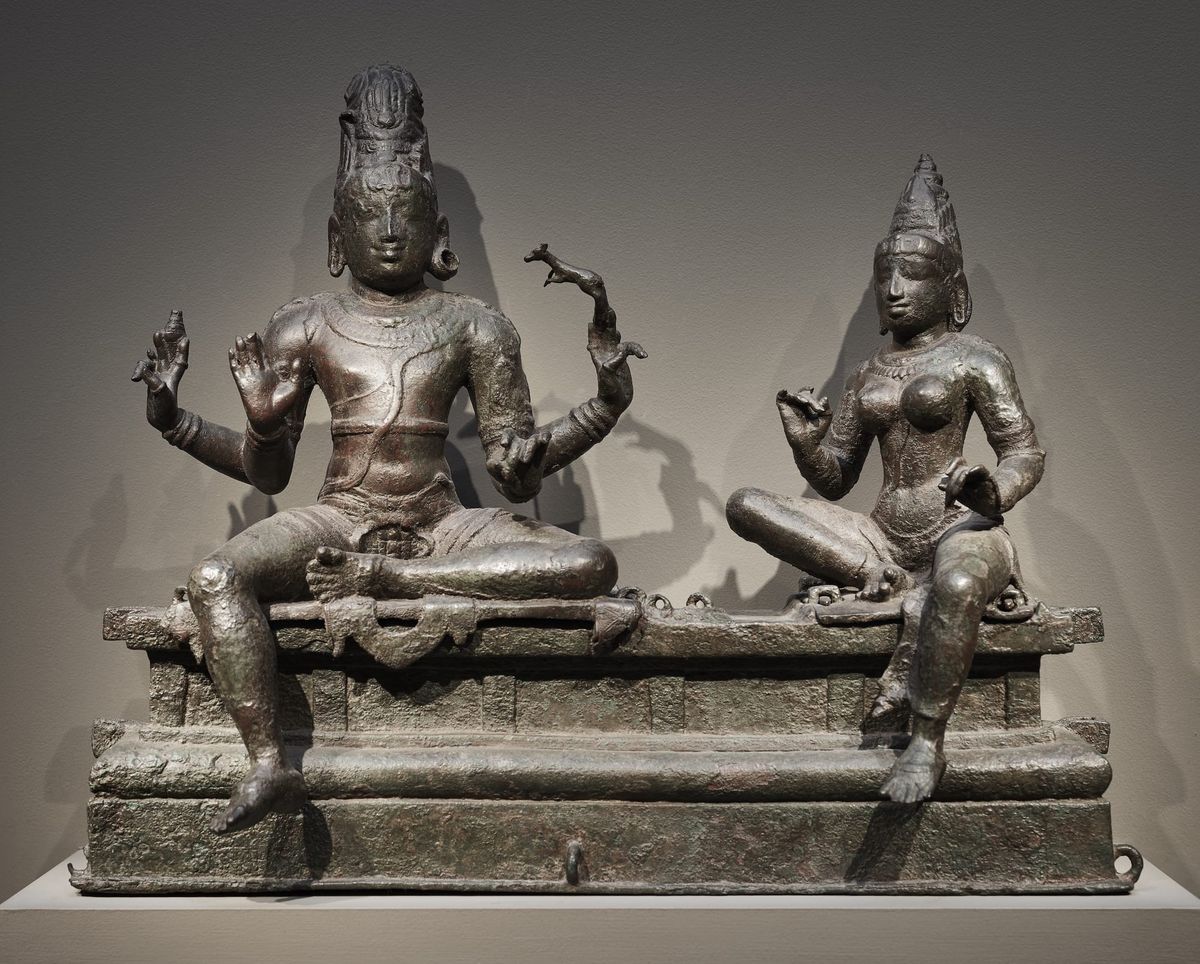
The Smithsonian Institution's National Museum of Asian Art (NMAA) will repatriate three cast-bronze sculptures of Hindu gods and their followers to the government of India, according to an announcement today, January 28. Dating back multiple centuries, the sculptures had been stolen from Tamil temples and smuggled out of India in the mid-20th century, leaving murky provenance records before the Smithsonian's acquisition.
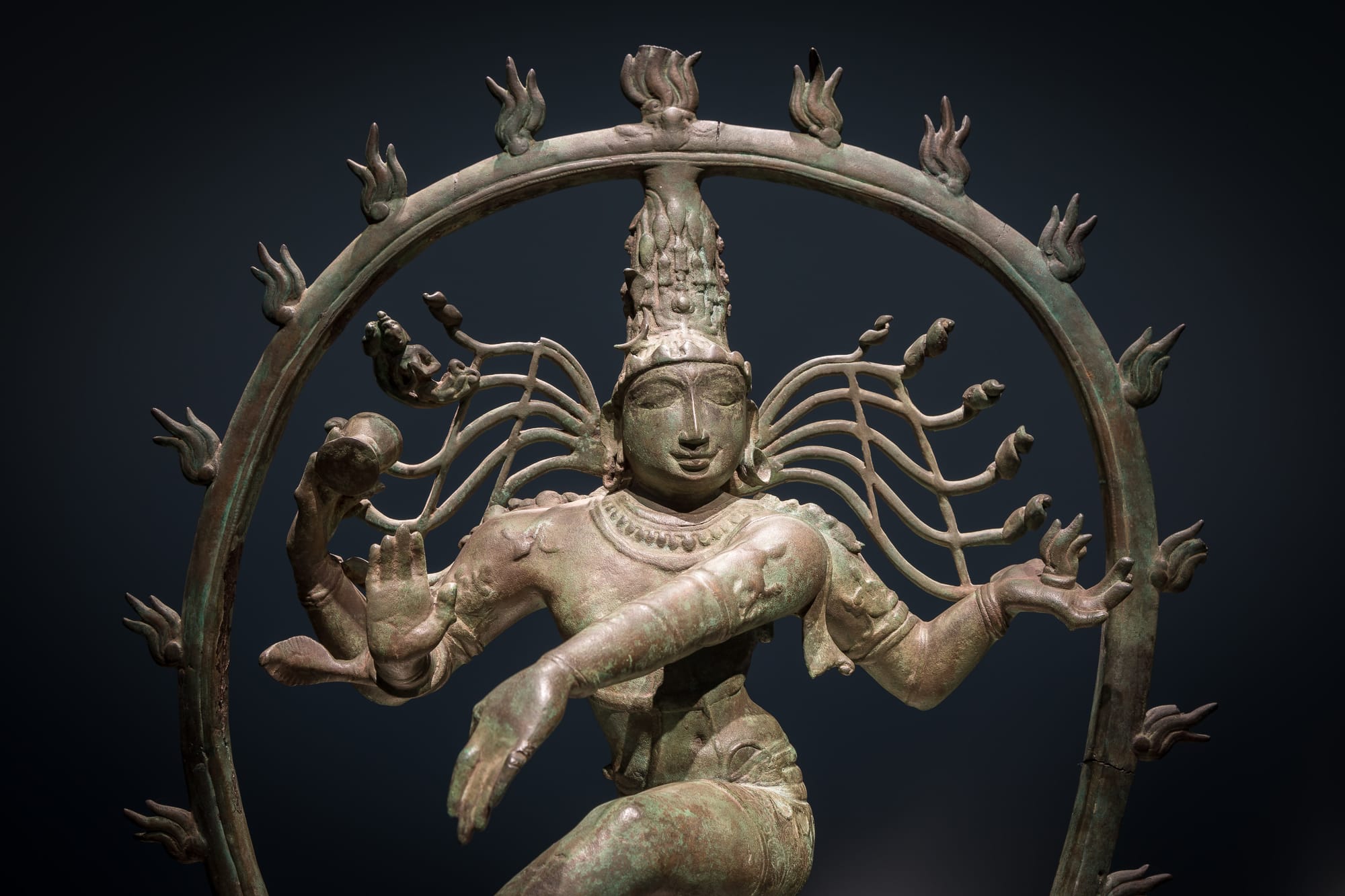
The museum said that one of the three bronzes, “Shiva Nataraja” (Chola dynasty, c. 990 CE), will remain at the NMAA for an ongoing exhibition on a long-term loan agreement, sparking questions about the Indian government's capacity to make decisions on what is technically the religious property of the temple of origin.
The Smithsonian acquired this particular cast, also known as “Dancing Shiva” or “Lord of the Dance,” in 2002 from the infamous Doris Wiener Gallery, whose namesake and her daughter Nancy Wiener were regarded as premier dealers in Asian antiquities in New York City from the 1980s onward. The Wieners appeared to be clients of disgraced and convicted antiquities dealer Subhash Kapoor, who smuggled thousands of artifacts out of India and other South and Southeast Asian countries.
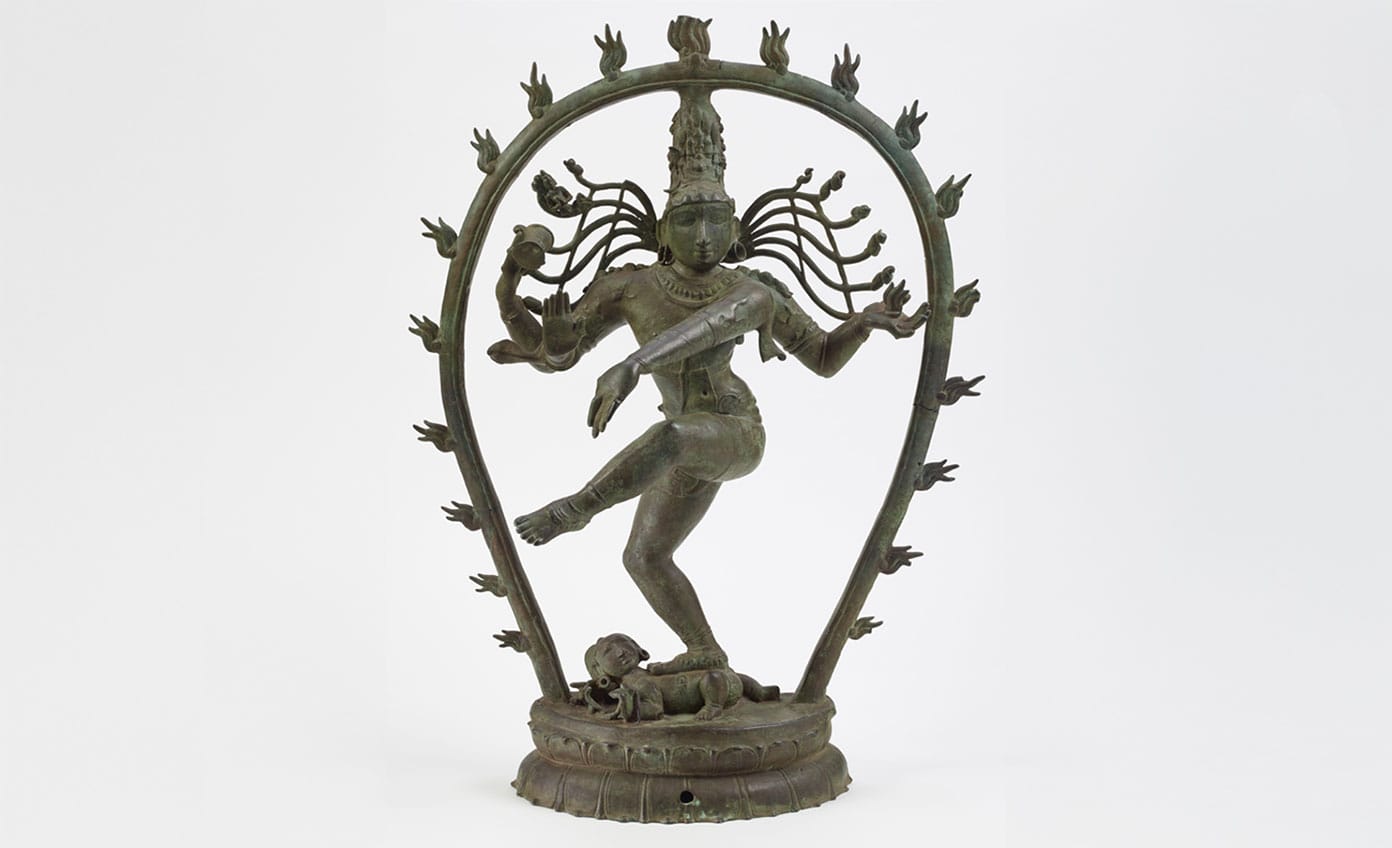
After Doris died, Nancy was accused of trafficking looted antiquities, including some procured by Kapoor, and falsifying documents (she pleaded guilty in 2021). Subsequently, the NMAA published the provenance records for “Shiva Nataraja.” A volunteer-run research and repatriation initiative for looted artifacts called India Pride Project, co-founded by Vijay Kumar and Anuraag Saxena, examined the bronze's provenance records. They found that Doris had purchased the bronze in 1973 from Rajrama Art Gallery in London — after India passed the Antiquities and Art Treasures Act in 1972 — but claimed that she had purchased it in 1972 in a letter to a curator.
Per the museum, there is photographic evidence of the “Shiva Nataraja” at the Sri Bhava Aushadesvara temple in Tirutturaipoondi, Tamil Nadu, dating back to 1957.
“It's a well-settled matter that bronzes are property of the temple,” India Pride Project co-founder Kumar told Hyperallergic, noting that the casts are considered living gods. “So the Government of India has no ownership over them to offer [as a] long-term loan. The ‘Nataraja’ was stolen from the Tirutturaipoondi temple and the temple is very much ready to receive it.”
Hyperallergic has contacted the Embassy of India in Washington, DC, the Indian Ministry of Culture, and the Indian Ministry of External Affairs about the long-term loan agreement and future plans for the “Shiva Nataraja” upon its restitution.
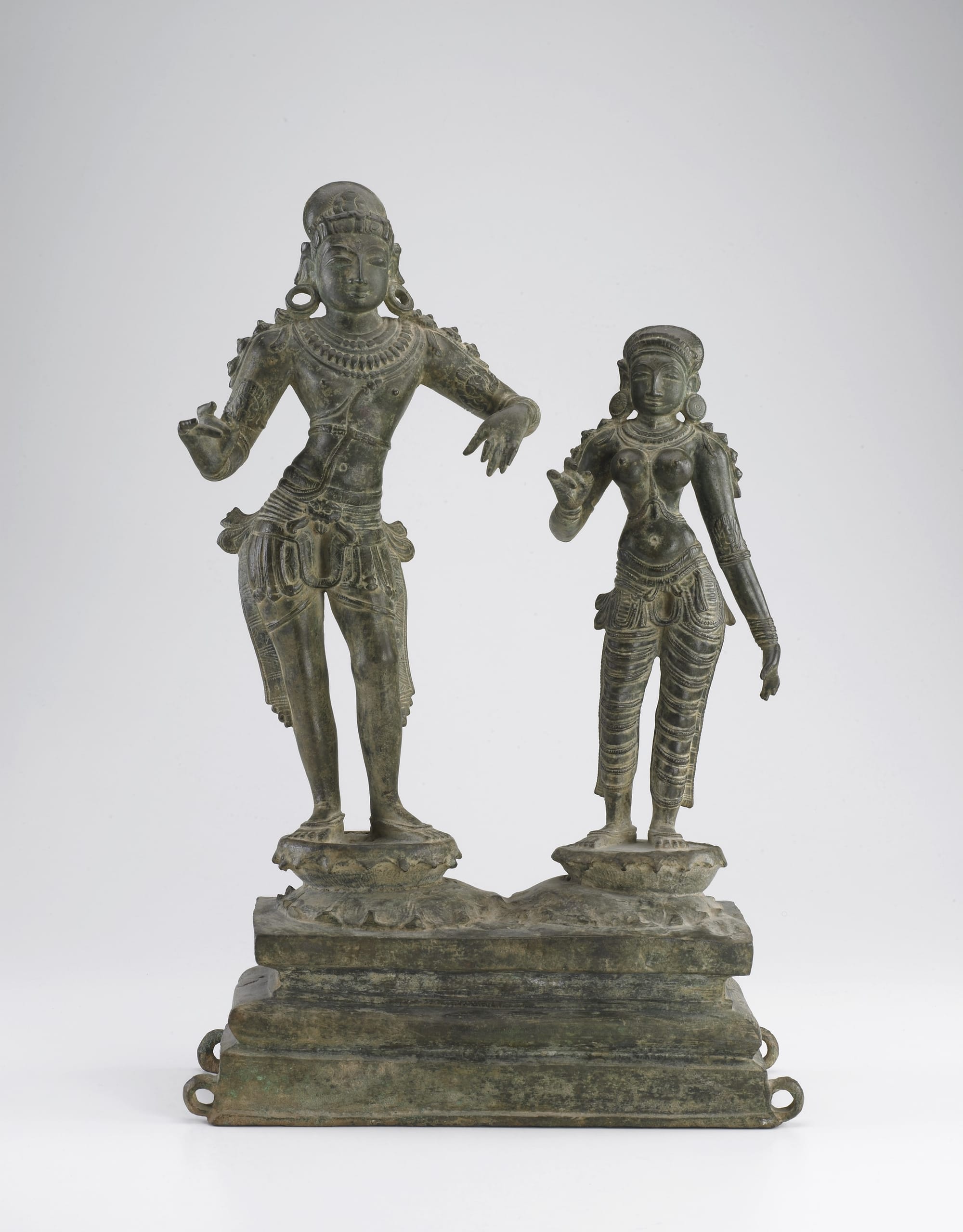
The “Somaskanda,” a 12th-century bronze depicting the prevalent medieval Hindu iconography of Lord Shiva and consort Parvati (Uma) seated with their son Skanda (Murugan), and “Saint Sundurar with Paravai,” a 16th-century cast of Tamil poet-saint Sundarar, a devotee of Shiva, and his wife, will be handed over to the Indian Embassy in Washington, DC, for their return.
Both bronzes were among 1,000 objects that Arthur M. Sackler gifted from his collection to the Smithsonian in 1987 to inaugurate his namesake gallery at the NMAA.
The NMAA's press release also states that the “Somaskanda” bronze was photographed at the Visvanatha Temple in Alattur in 1959 and that the “Saint Sundarar with Paravai” was photographed at the Shiva Temple in Veerasolapuram in 1956, indicating that both were lifted and trafficked illegally.
Kumar stated that the Alattur temple is ready to receive “Somaskanda,” but as there is an open criminal case pertaining to its theft, the bronze “would have to be brought to the district court, and the court would monitor the process.”
Through the work of the India Pride Project, Kumar said, over 10 repatriated bronzes have been returned to their temples of origin in the last five years. He pointed to an instance in 2022 when another “Shiva Nataraja” cast was officially been returned to the Kailasanathar temple in Tamil Nadu per a judicial magistrate court order.