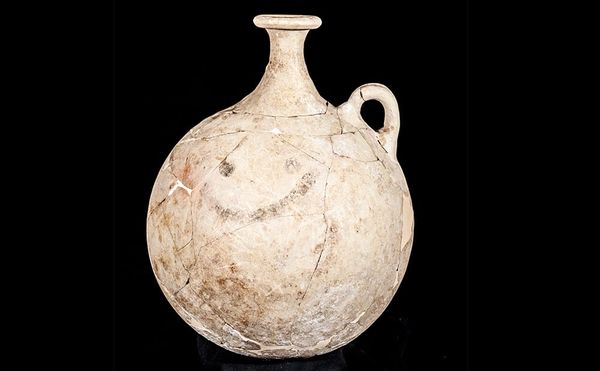
In Brief
Was the Oldest Smiley Found on a 3,700-Year-Old Jug?
A new archeological discovery may suggest the first known “smiley” is thousands of years older than previously thought.

In Brief
A new archeological discovery may suggest the first known “smiley” is thousands of years older than previously thought.
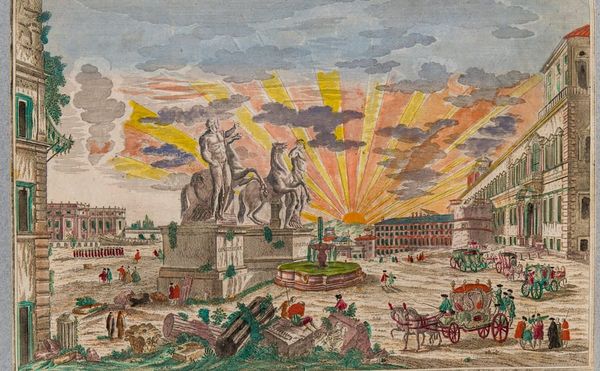
News
Nearly 4,000 records from Rodolfo Lanciani's personal archive are searchable through a new online database.
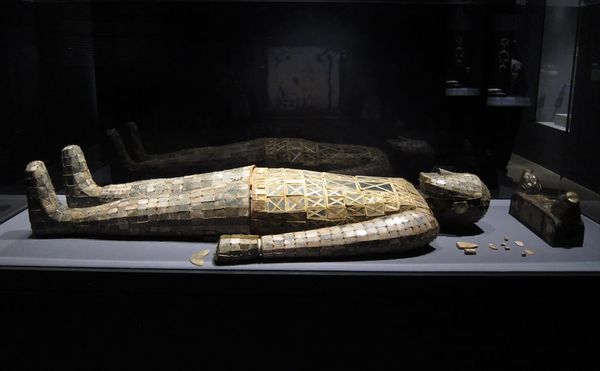
Art
The Metropolitan Museum of Art's Age of Empires features over 160 archaeological finds, mostly from shrines and royal tombs from the Qin and Han Dynasties.
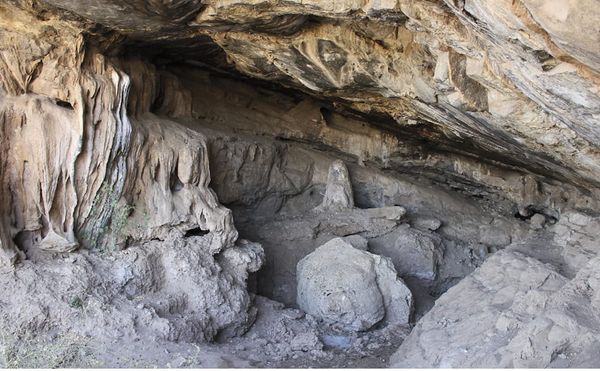
News
According to a new study, the Porc-Epic Cave served as a site for the continuous production of ochre powder for at least 4,500 years.
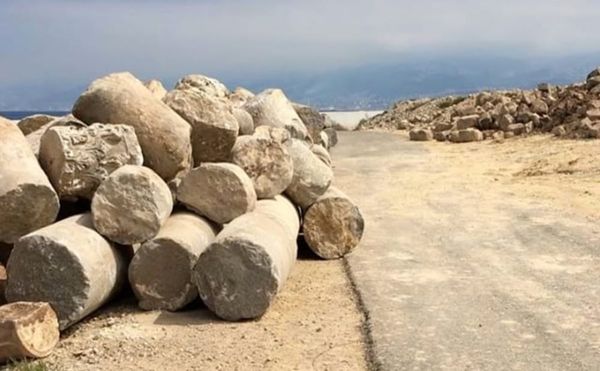
In Brief
Lebanon's General Directorate of Antiquities has no inventory of the ancient archaeological fragments and isn't sure what to do with them.
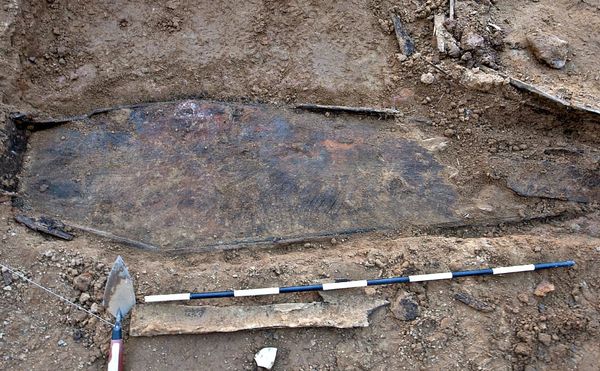
Art
When a forgotten graveyard was unearthed at a Philadelphia construction site, no city agency would step in. The Mütter Institute came to the rescue, but now it needs the public's help.
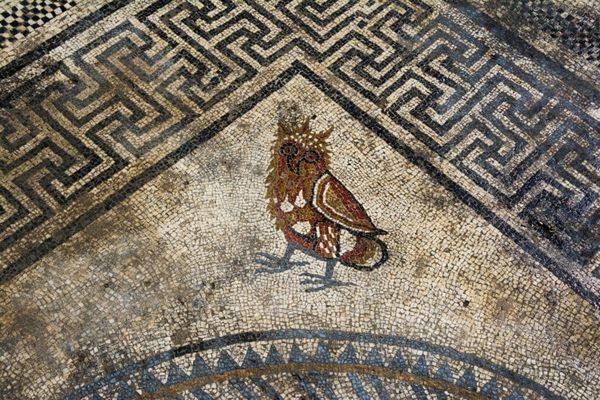
In Brief
Archaeologists have unearthed a beautifully preserved sets of mosaics from the ancient Roman city of Ucetia, which was previously only known by its name.
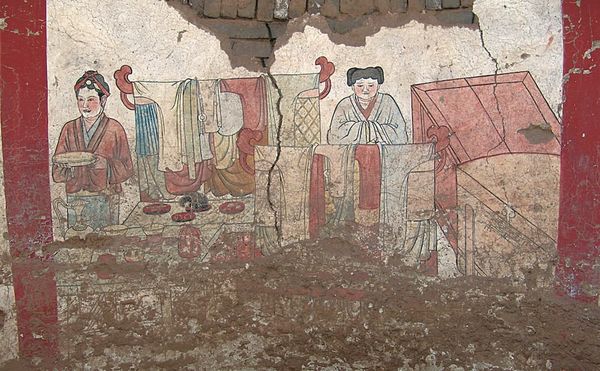
In Brief
These colorful paintings give us a sense of the mortuary customs that were part of life in China over a millennium ago.
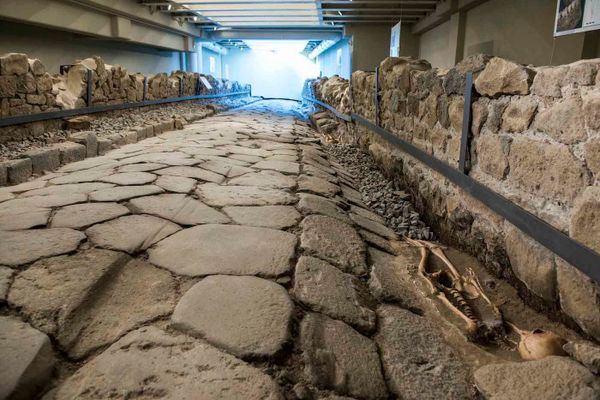
In Brief
While digging to build a McDonald's in Marino, Italy, workers discovered an ancient road. The fast-food chain paid to restore it — and integrated it into a restaurant.
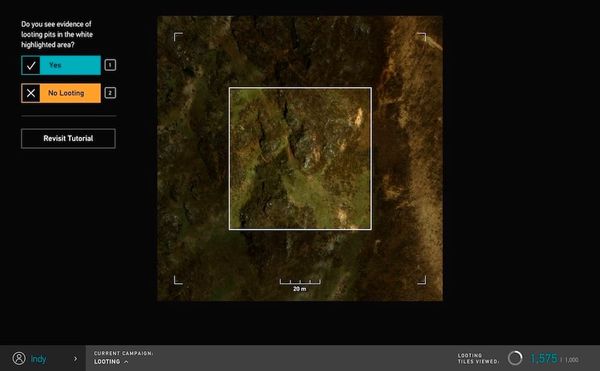
Art
GlobalXplorer relies on crowdsourcing and high-resolution satellite imagery to protect and identify archaeological sites around the world that are currently unknown.
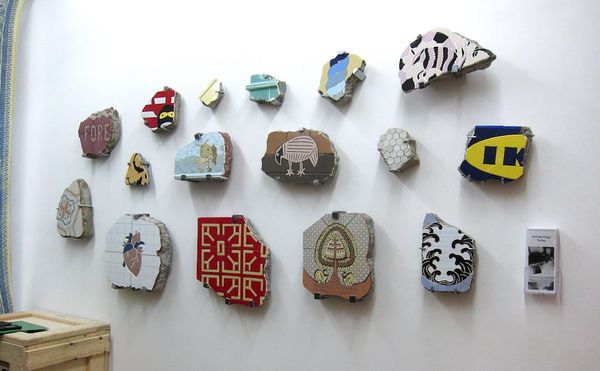
Art
Artist Joe Bochynski contemplates what New Yorkers will leave behind today for future explorers to find.
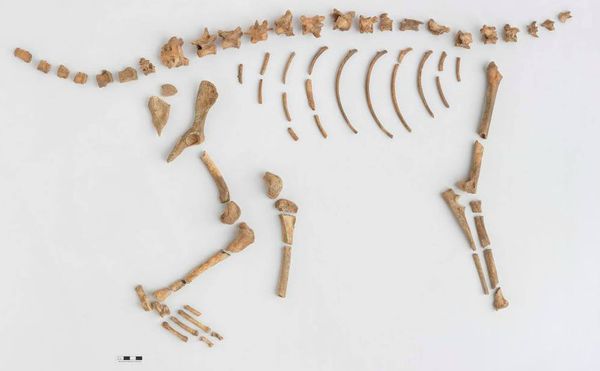
Art
In October, the Landmarks Preservation Commission opened its new research center where New York City's archaeological collections are accessible to researchers for the first time.