Feature
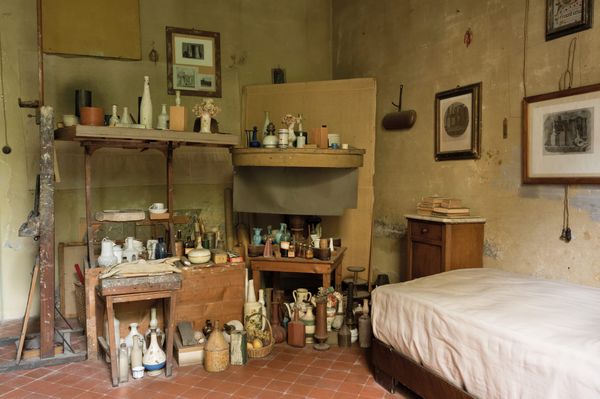
Joel Meyerowitz on Photographing Giorgio Morandi’s Studio
“He was assembling a force field of geometric objects,” said Meyerowitz, whose book of images exploring the painter's famous still lifes is being rereleased this spring.

Feature
“He was assembling a force field of geometric objects,” said Meyerowitz, whose book of images exploring the painter's famous still lifes is being rereleased this spring.
Feature
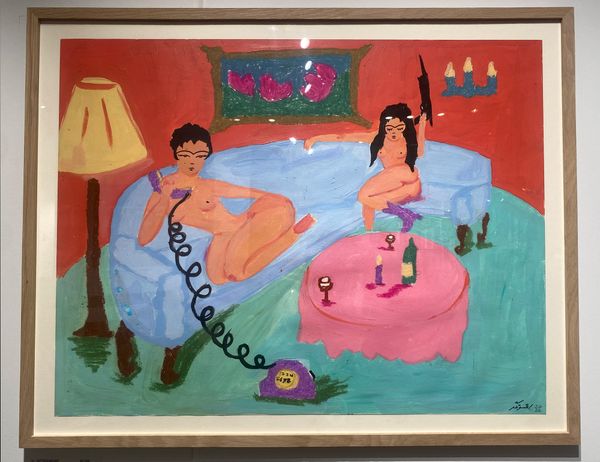
This year’s edition proves that the key to viewing work by so-called “autodidact” artists is recognizing its capacity and merit as equal to all other art forms.
Feature
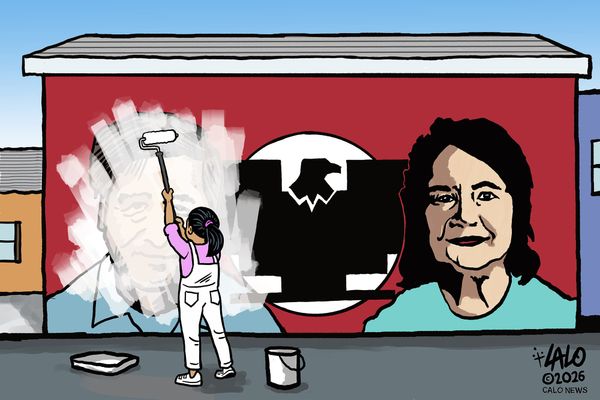
The farmworker movement led by Chávez and Dolores Huerta, one of his accusers, has been a central influence for generations of Latine and Chicano artists.
Feature
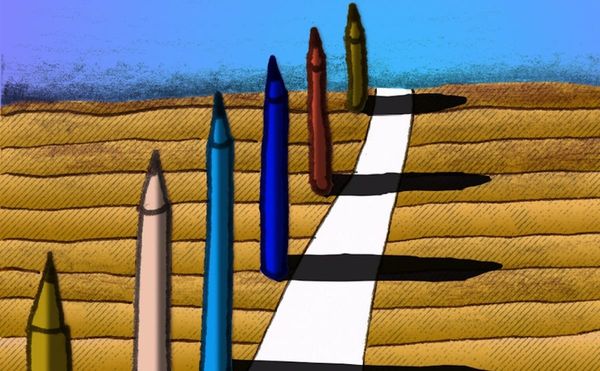
The earth’s orbit around the sun continues unabated, reminding us that nothing is permanent, neither darkness nor light.
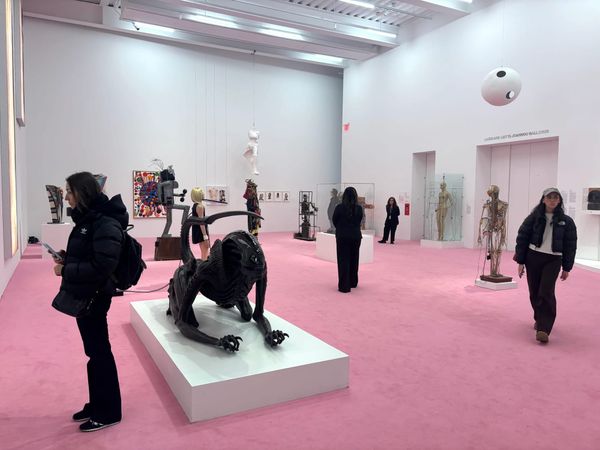
Feature
The Lower East Side institution's OMA-designed, $82 million expansion debuted this week to mixed reviews.
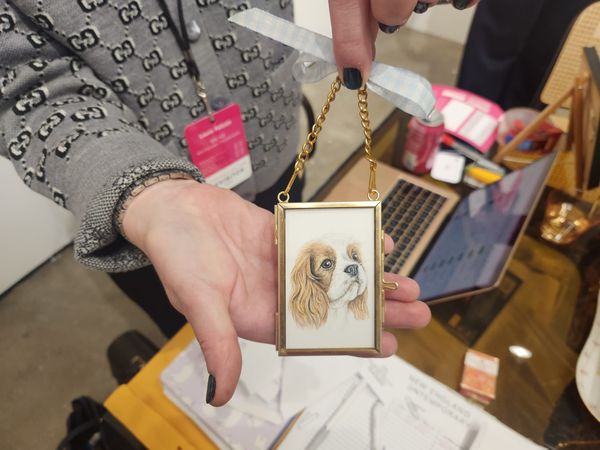
Feature
And, more importantly, is the work on view worth the price?
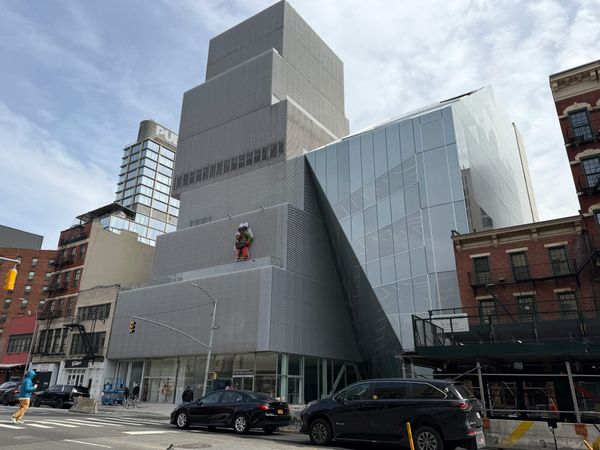
Feature
Hyperallergic’s editors sit down for an earnest conversation about the institution’s expanded building and inaugural exhibition.
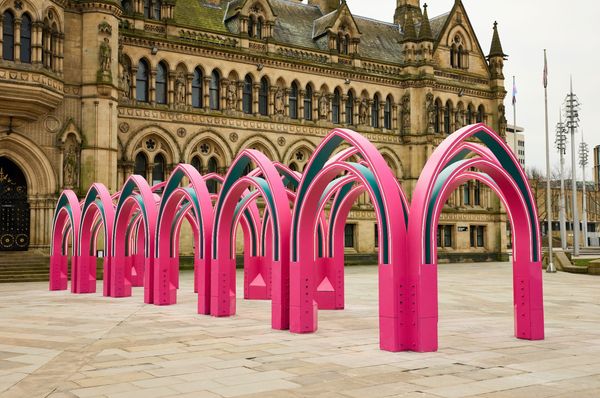
Feature
Islamic visual traditions have long made space for realities beyond direct perception, and these artists work in calligraphy, installation, and speculative image-making to carry them forward.
Feature
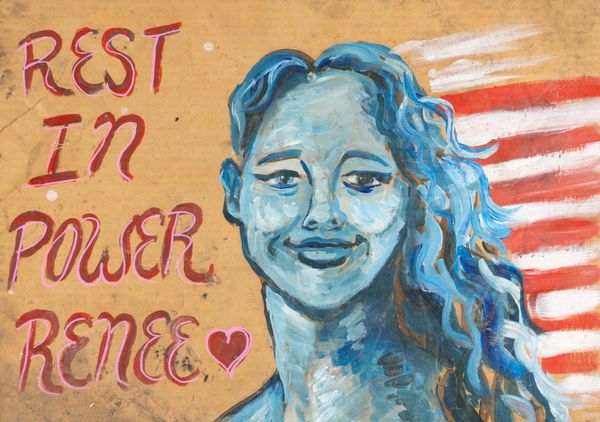
A traveling photographer has decided to stay in Minneapolis to care for the hundreds of artworks, objects, and messages left in memory of the poet and mother.
Feature
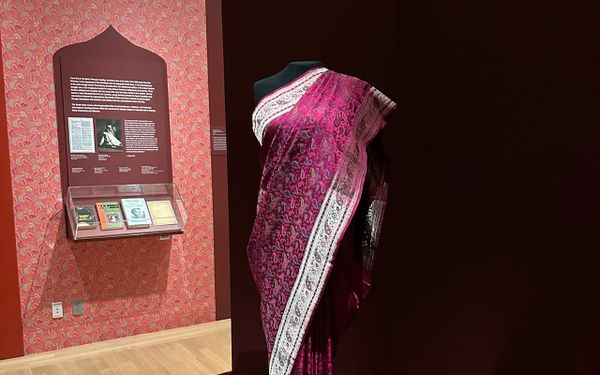
At the New York Historical, an exhibition reminds us that the sari is a living art form, an heirloom, a document, and a political statement in one.
Feature
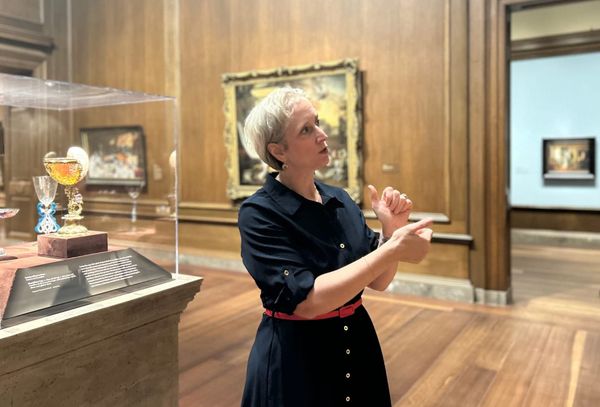
The first head of Accessible Programs at the National Gallery of Art tells us about her path and the future of museum accessibility.
Feature
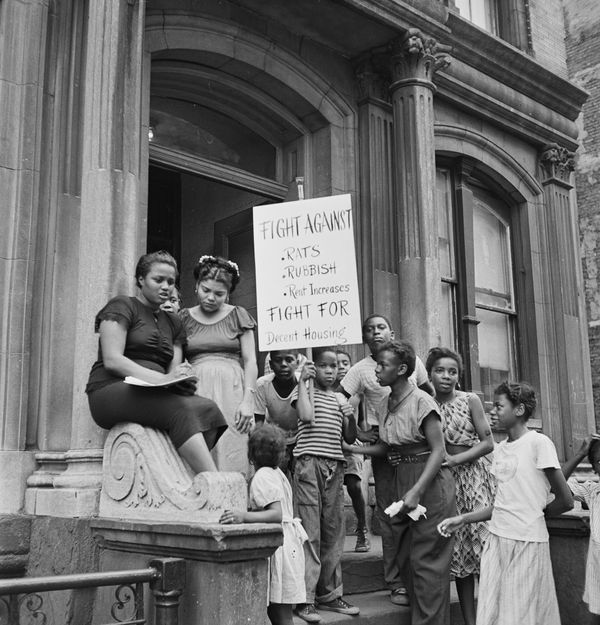
A new display at the NY Historical traces the impact of the largest legal organization for low-income individuals in the United States.