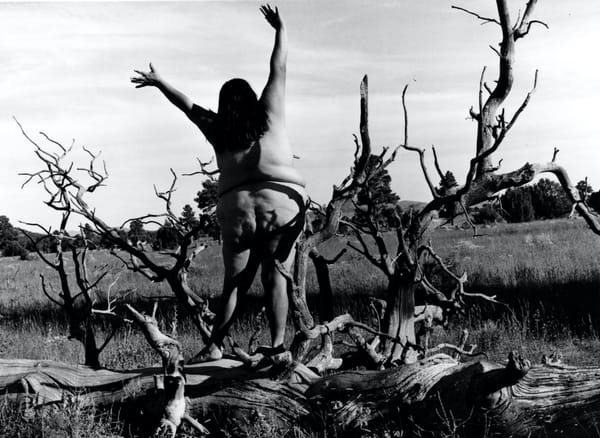
Art
Women’s Oppression Is the Earth’s Oppression
The work on gender and ecology in RE/SISTERS at the Barbican suggests that it is time to re-examine and re-engage with ecofeminism.

Art
The work on gender and ecology in RE/SISTERS at the Barbican suggests that it is time to re-examine and re-engage with ecofeminism.
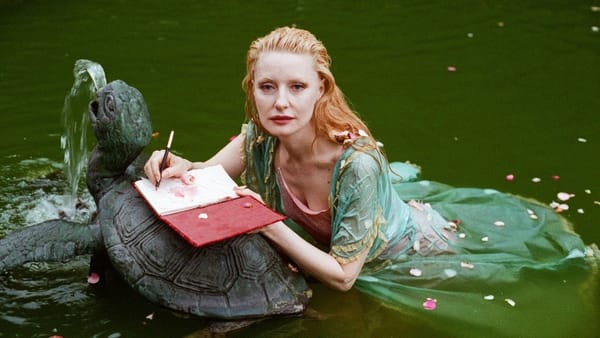
Film
Director Nicole Newnham chronicles the rise, fall, and disappearance of the iconic feminist sexologist.
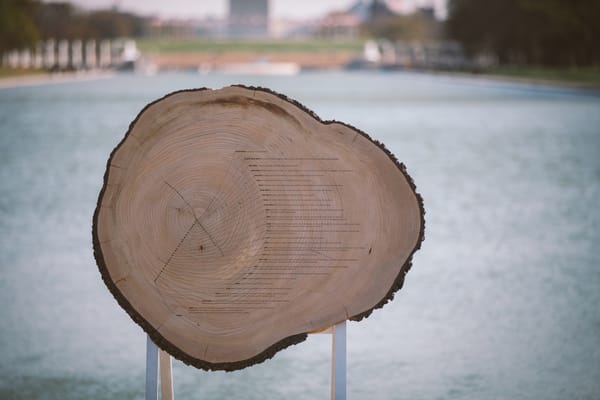
Art
Photos show a temporary sculpture unveiled on the National Mall that leaves a lot to be desired.
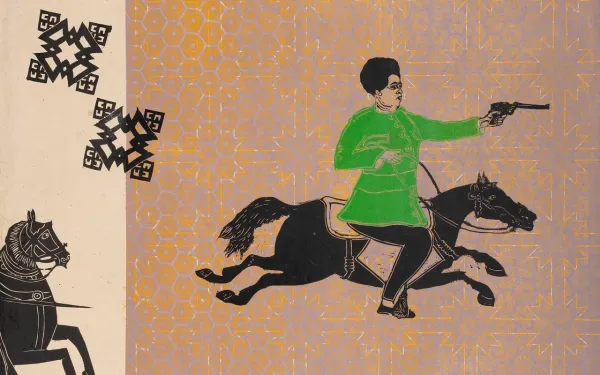
Art
Her work brilliantly reframes age-old storylines from a Persian cookbook as modern allegories for female liberation.
Film
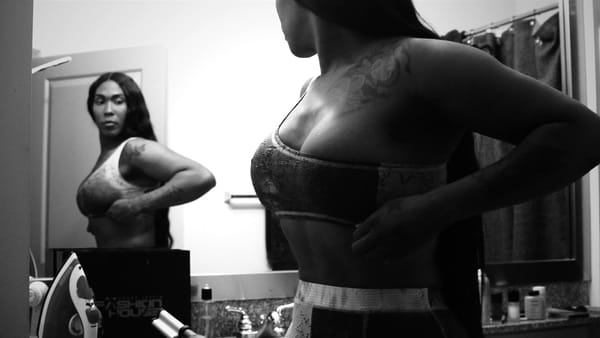
D. Scott’s documentary on Black trans sex workers is as sunny as it is sobering, a film that refuses to moralize.
Art
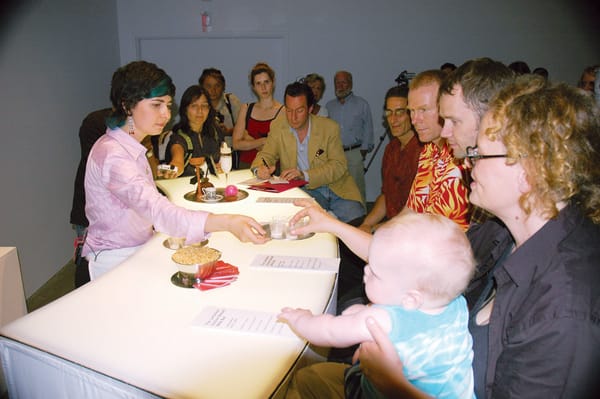
Milk is not only humanity’s food but also a liquid dripping with symbolism, from spiritual salvation to maternal devotion.
Opinion
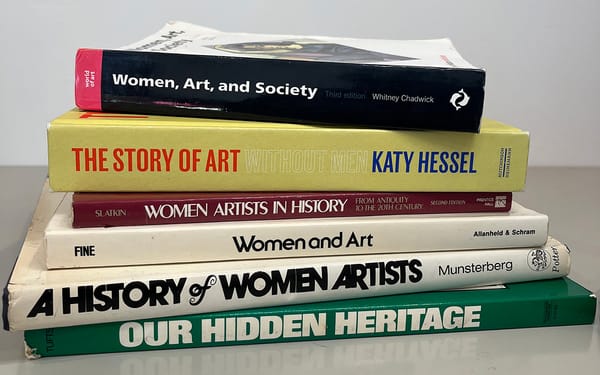
Katy Hessel’s new survey of women artists leaves out men, but also falls short of offering a new take on feminist art history.
Film
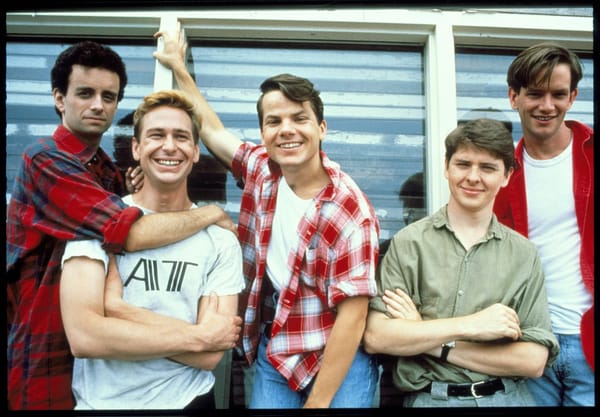
In the early ’90s, the Kids in the Hall transgressed boundaries of propriety, gender, sexuality, even species as an alternative to binary thinking.
Art
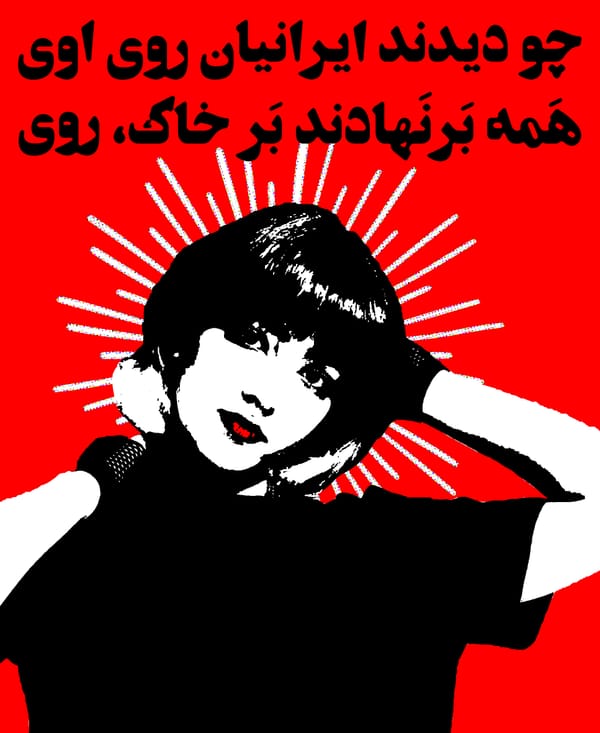
In the four decades since the Islamic Revolution, Iranian artists have used clever tactics and unconventional modes of art-making to display disobedience.

Art
What is a feminist picture? A MoMA exhibition is the latest to attempt to answer this question.
Art
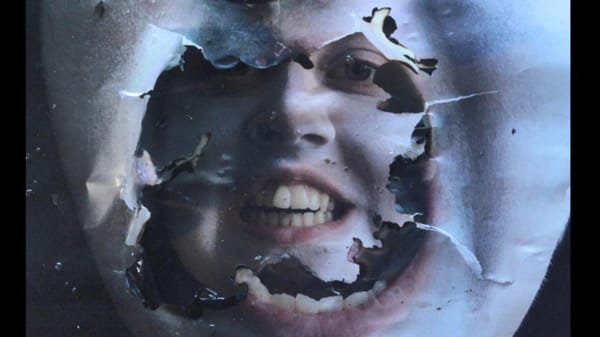
Women at War exposes the struggles that women of Eastern Europe have been undergoing for the last 60 years, in addition to the annihilation of Ukrainian heritage.
Art
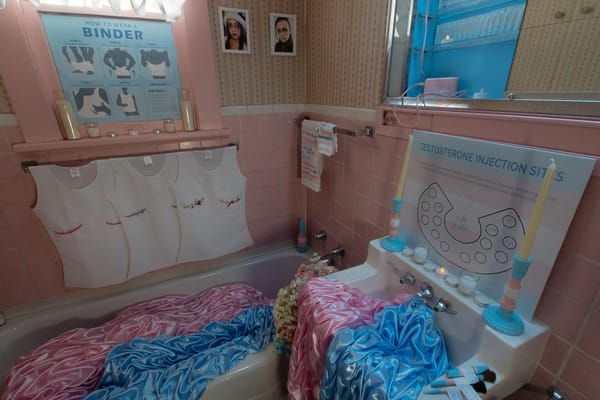
Although more inclusive than the original 1972 Womanhouse, the current remake would still benefit from more BIPOC artists, a broader intersectional dialogue, and a wider breadth of lived experience.