Interview
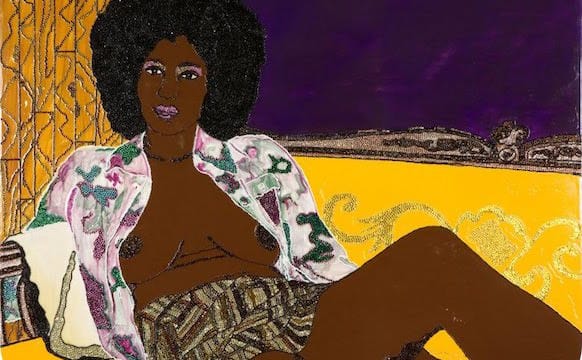
The Queer Art that Helped Define Post-Blackness
In his collection of essays, Derek Conrad Murray explores questions of post-blackness by drawing on the artworks of Glenn Ligon, Kehinde Wiley, Mickalene Thomas, and Kalup Linzy.

Interview
In his collection of essays, Derek Conrad Murray explores questions of post-blackness by drawing on the artworks of Glenn Ligon, Kehinde Wiley, Mickalene Thomas, and Kalup Linzy.
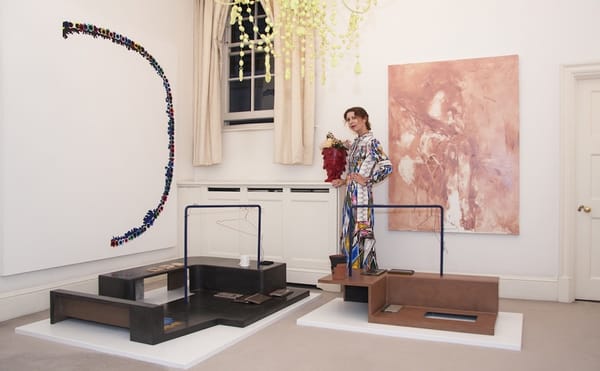
Interview
On the occasion of publicly showing her private collection of work by women artists, Valeria Napoleone talks about why such a display is necessary.

Interview
Painters who lived and exhibited in New England, like Jake Berthot and Porforio DiDonna, are highly represented. They, like Stockwell, have straddled the line between tough material abstraction, nature, and the figure.

Interview
The Museum of Contemporary Art on the Moon has drawn together a group of artists to create work for a speculative museum that might one day exist on the moon.
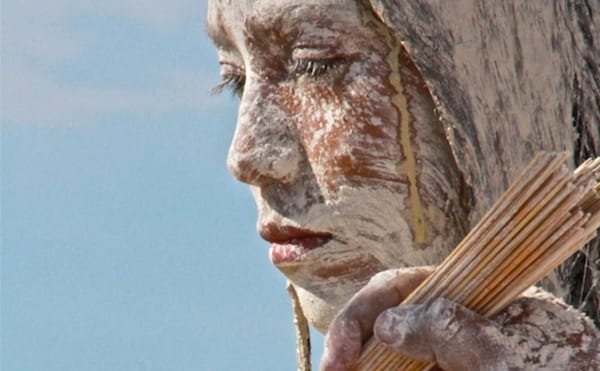
Interview
Standing Fox, a leader of the Apache Stronghold movement, talks about how activism plays an important part in his life as an Apache artist.
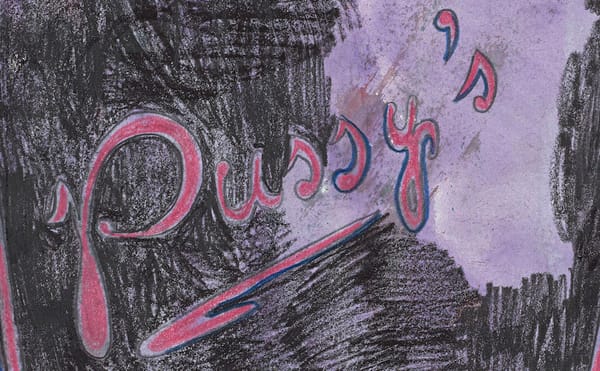
Interview
Tal R talks about “watching” paintings — not just looking at them. It might be a language tic, but it also feels specific.
Interview
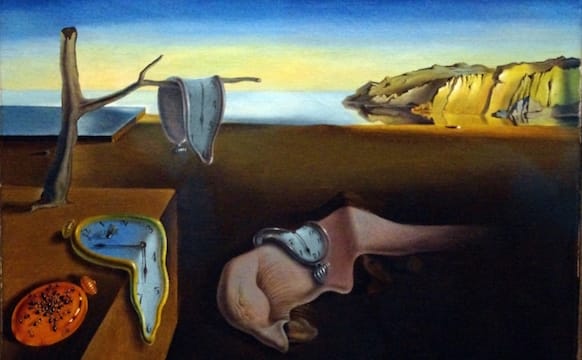
A research team found that a mathematical technique, when applied to artworks, could detect signs of neurodegeneration in the artist.
Interview
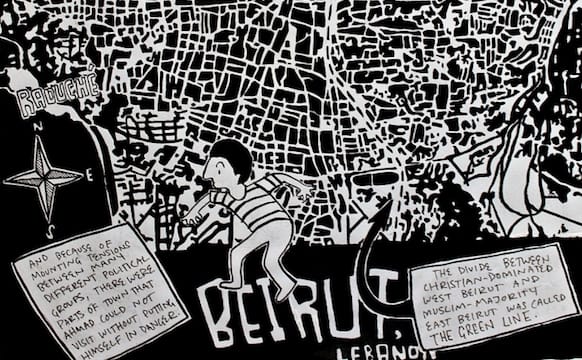
Leila Abdelrazaq elaborates on her representation of the Palestinian diaspora and the ability for comics to convey dense issues in a more easily digestible format.
Interview
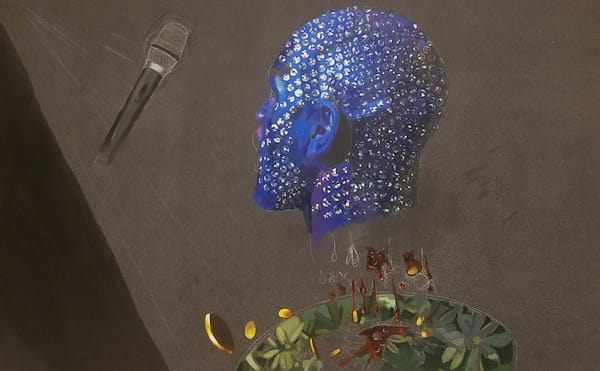
Nyame Brown has transformed the Museum of the African Diaspora into the time machine that a museum should be.
Interview
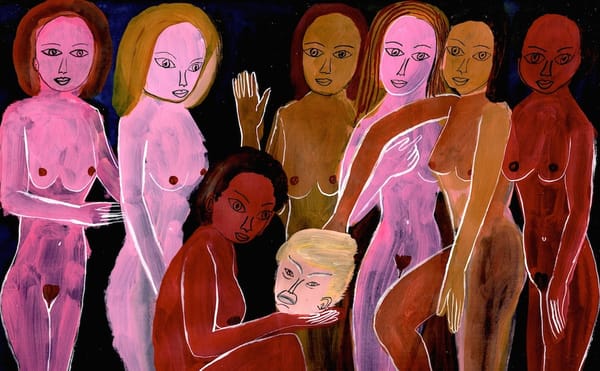
After being dragged into one of 2016's strangest news stories over a mural he made six years ago, Arrington de Dionyso took a public stand against far-right extremists' mob censorship.
Interview
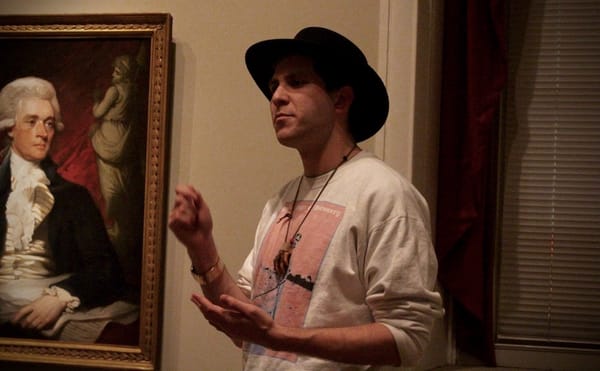
The Native American performance artist DeLesslin George-Warren is giving walking tours of the National Portrait Gallery's hall of presidential portraits with a focus on the history of indigenous American populations.
Interview
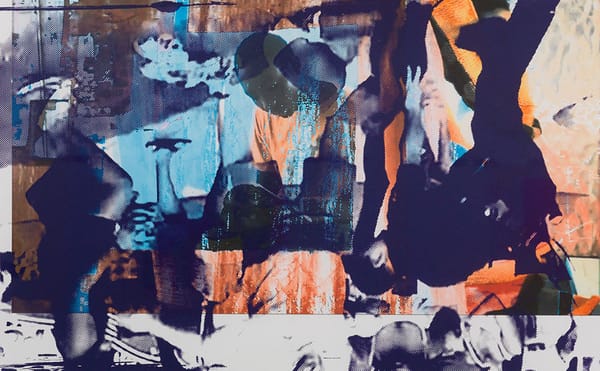
Tomashi Jackson found that the language Josef Albers used to describe color perception mirrored the language of racialized segregation.