Art
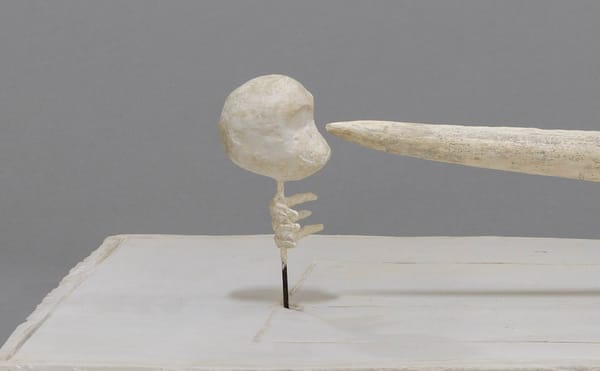
What Giacometti Learned From de Sade
Prompted by his friend André Breton, Alberto Giacometti first read de Sade in 1933, and his studio notes ruminated on seduction, idolatry, and fetishism.

Art
Prompted by his friend André Breton, Alberto Giacometti first read de Sade in 1933, and his studio notes ruminated on seduction, idolatry, and fetishism.
Art
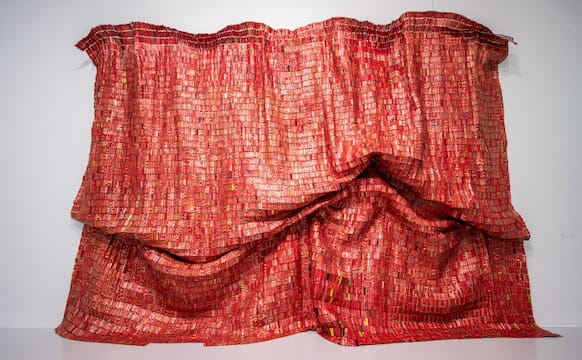
While the material itself consists of forgettable or disposable objects from everyday life, El Anatsui transforms these into remarkable forms embedded with narratives and histories in manifold ways.
Art
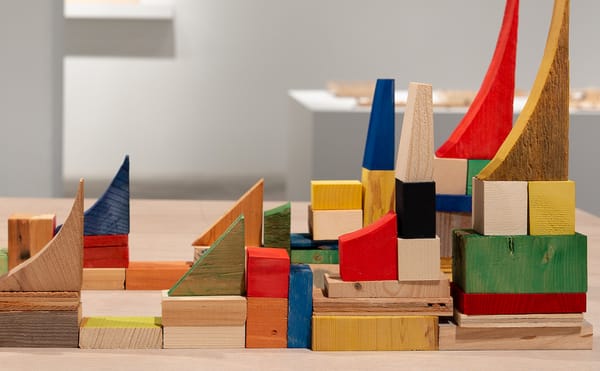
With their exhibition, Look, it’s daybreak, dear, time to sing, Richard Ibghy and Marilou Lemmens investigate the complex, cross-species relationship between birds and humans.
Art
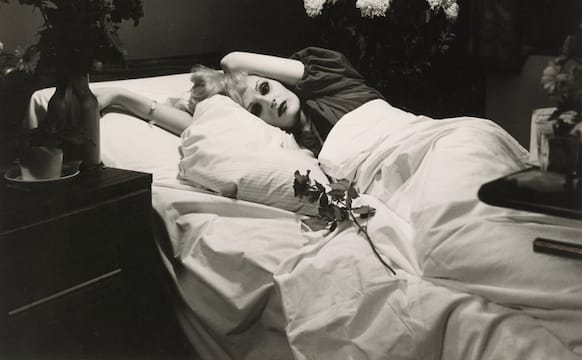
Hujar wrote that his portrait subjects were “those who push themselves to any extreme” and those who “cling to the freedom to be themselves.”
Art
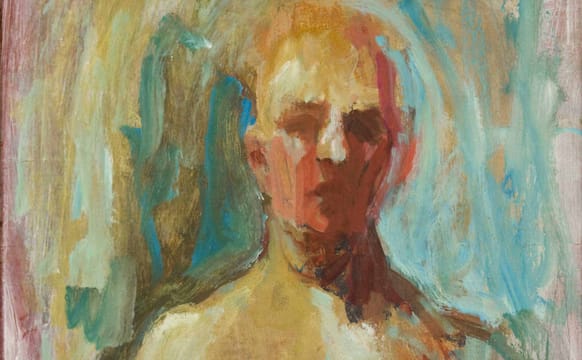
The artists in Post prove that paintings and drawings can be captivating years after they were done, and that a timely style has a way of becoming uninteresting, even mummifying.
Art
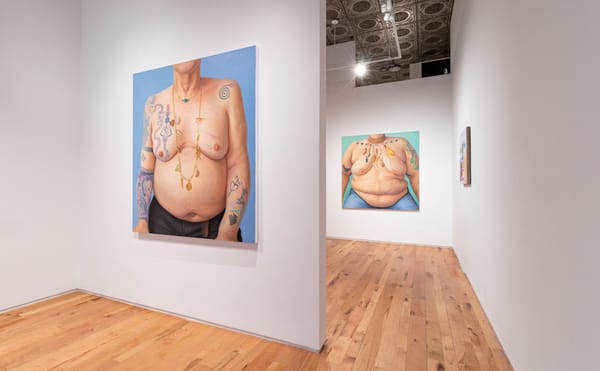
Rendered in a rainbow of vibrant colors, Clarity Haynes’s portrayals of queer, heavy, and disabled bodies reimagines the white box as a communal space that allows for the possibility of healing.
Art
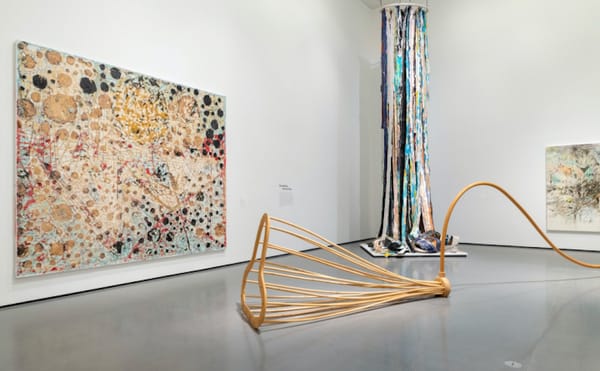
Most shows can’t or don’t hold these very separate aspects in synchronous rotation: sober assessment of an art historical lineage and a feeling of intimacy. This one does.
Art
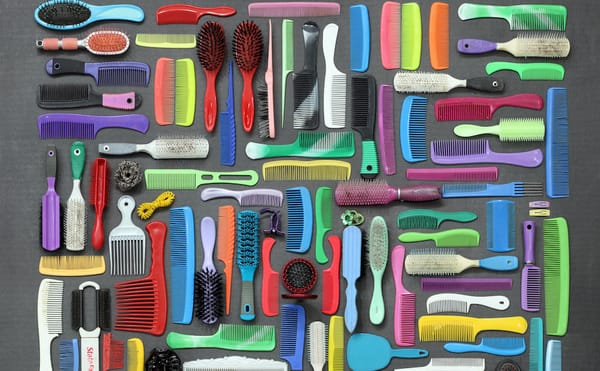
Tom Kiefer’s aim — to document atrocity — is clear. But his exhibit at the Skirball Cultural Center raises a number of important ethical and legal questions about whose stories he tells, and how.

Music
Tunes 2011-2019 suggests that Burial has not, like many musical geniuses, lost his way but rather deepened his singular sound and its capacity to reflect modern social and psychological angst.

Books
In his portraits of Pennsylvania's small towns and cities, Niko J. Kallianiotis provides both a detached and deeply curious view of a part of the US that is often glossed over by the popular imagination.
Film
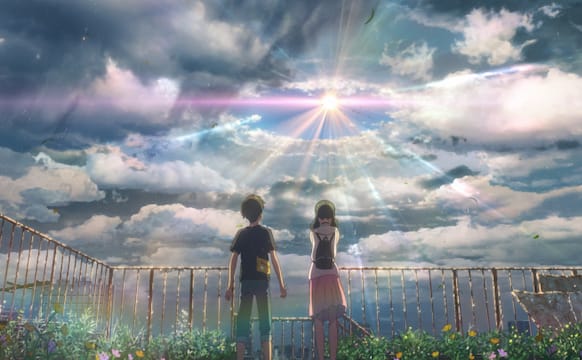
Makoto Shinkai’s new feature Weathering with You entreats the world to pay attention to the climate emergency, as constant rainfall is interpreted as punishment from the gods.
Art
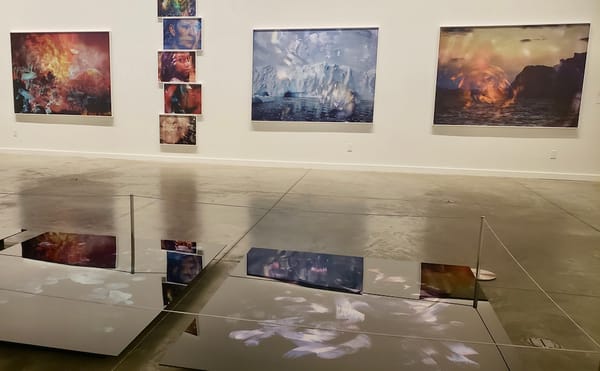
Surface Tension comes down to warring necessities: we need to feel connected on a human level, but we also need the devices that insidiously contribute to a climate of virtual, rather than physical, connection.