
Art
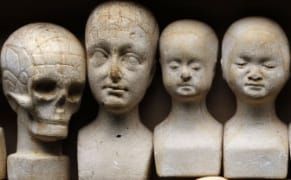
Humanizing a Historic Brain Collection
A curious thing about medical collections is how dehumanizing they can be.

Art
A curious thing about medical collections is how dehumanizing they can be.

News
That color and smell have a sensory connection is long-established, but there's debate about whether associating the smell of strawberries with red or smoke with black is something structured in our brains, based in language, or resulting from experience.
News
We've all heard about art's psychological and physiological effects. Researchers have found, for instance, that a lunchtime jaunt to an art gallery can reduce work-related stress, and that creating art might even help cancer patients. But what about art's neurological impact — can picking up a paint
Art
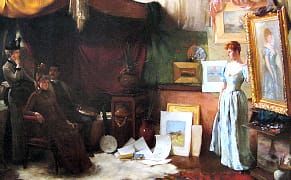
A recent analysis in the growing concentration on neuroaesthetics, a field that examines the brain's relationship to art, suggests our minds are particularly organized to respond to visual art.

Art
There's a reason Matisse left white borders of blank canvas in his paintings, and why your dogs don't appreciate a Mark Rothko color field the way you do (aside from dogs' general disregard for art). Our perception of color is linked to the brain, and highly subjective. While on the surface this see
News
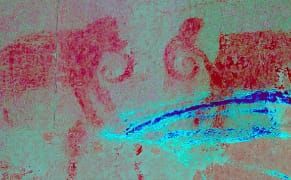
A history of vandalism in one of the world's most famous monuments has been analyzed, revealing long-lost art. In a paper published this week in the quarterly review Antiquity, researchers used imaging technology to uncover the hidden paintings of Angkor Wat.

Art
From rows of tiny pinned insects to drawers of stuffed birds of prey, the holdings of natural history museums are as varied as the biodiversity they collect. However, accessibility is often a problem, as is the connection of data across institutions.
Art
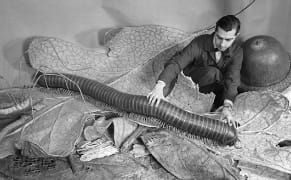
This Monday the American Museum of Natural History launched a new digital platform with thousands of images from their archives. It kicked off the initiative with an event featuring two artists who have been profoundly influenced by its collections.

News
Artists are often deemed "right-brained" thinkers, but new research suggests it may be the actual structure of the brain that lends creative talent.

Art
French sculptor Auguste Rodin would frequently find his models out in the streets of Paris, drawn to hands and bodies gnarled by the often grueling nature of 19th century life and labor.
Books
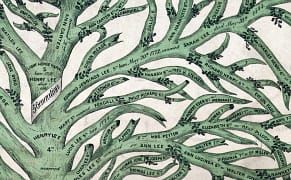
While data visualization can seem like a modern design focus, it really has its roots in the High Middle Ages when a sudden rise in information and population resulted in the need to convey ideas in an accessible way.
Art
A new online journal is aspiring to create a dialogue among museum professionals and the public on science and museums in the 21st century.