News
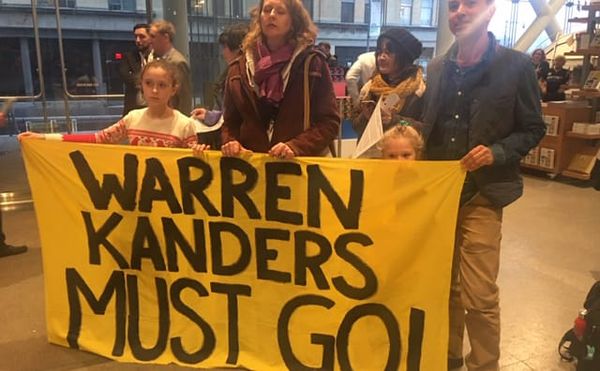
Whitney Museum Announces 2019 Biennial Participants, But One Artist Withdraws
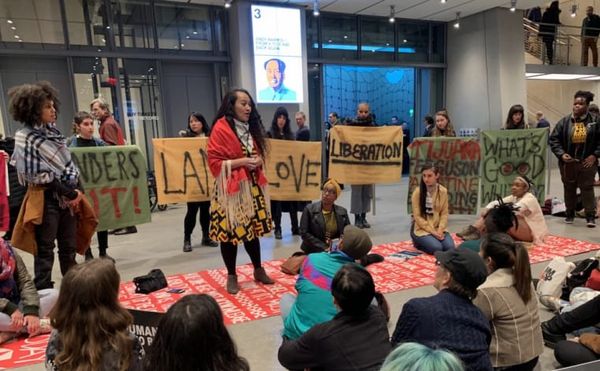
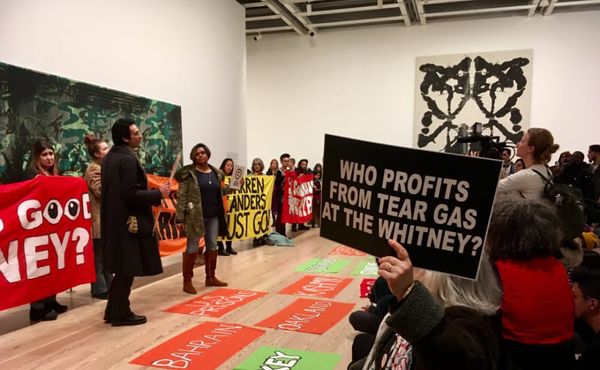
Artist Michael Rakowitz withdrew his participation, opposing the “toxic philanthropy" of Whitney vice chairman Warren Kanders.
News
Artist Michael Rakowitz withdrew his participation, opposing the “toxic philanthropy" of Whitney vice chairman Warren Kanders.
News
In a letter sent this afternoon, the organization urged, "We invite you to use your exceptional status as a worker who can claim both the freedom to dissent and the right to be paid to withhold your labor in solidarity with Whitney staff who cannot."
Art
It was a powder keg of a year in visual art, with strong, politically inflected, deeply personal, and wildly inventive exhibitions that touched on the classics, courted controversy, and yielded new favorites.
Art
Through its feminist contributions, the exhibition offers a window onto some of our most pressing cultural concerns, as well as our shortcomings.
News
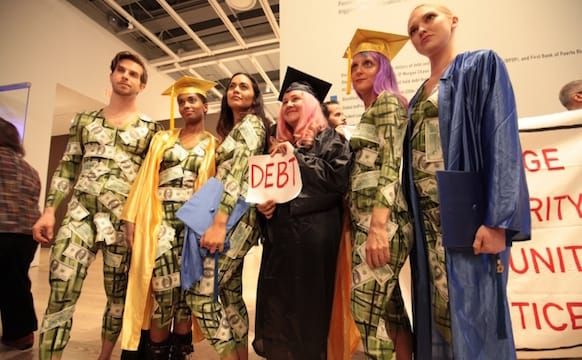
Last Friday, Occupy Museums held a "counter-commencement" at the Whitney Museum of American Art that called attention to student debt and “speculative investment in art and culture.”
Interview
With work on view in three current exhibitions, the members of Postcommodity discuss their desire to "mediate complexity."
Art
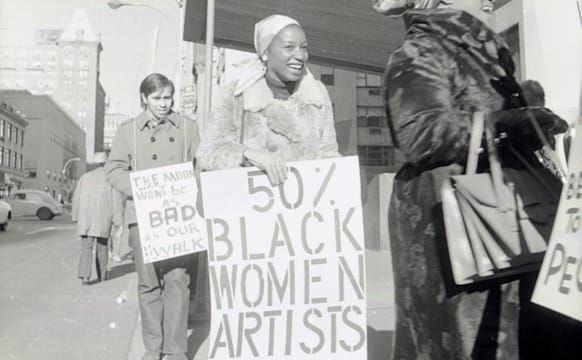
Activist efforts targeting the Whitney Museum of American Art across the 1960s and ’70s provide a starting point to consider the ways in which activists today can effect meaningful changes.
Interview
Three writers consider the controversy surrounding Dana Schutz’s painting of Emmett Till and the Whitney Museum’s public response to it.
Art
Two films made almost 50 years apart use silent shots of landscapes to examine the conditions that drove two young people to criminality.
Art
This course offers a starting point: assignments for the white artist to understand their own racial position.
News
Due to a "mechanical issue," Schutz's controversial painting and works by Maya Stovall and Julien Nguyen have been temporarily deinstalled.
Art
A slow reading of Ajay Kurian’s work is influenced by a desire to view, parse, and converse with more work by artists of color, and is one of many strategies needed to challenge a dominant, incomplete idea of “American” art.