
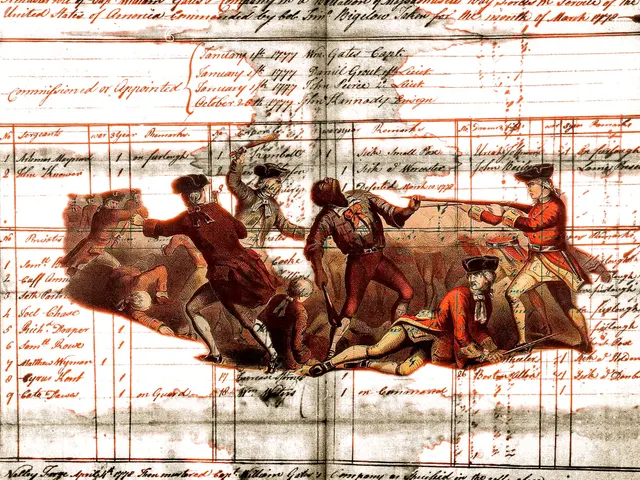
The American Revolution did not begin with a “shot heard ’round the world.” Three days before the Battles of Lexington and Concord, the rebellion started with a secret. On April 16, 1775, Isaiah Thomas and Timothy Bigelow smuggled a wooden printing press across the moonlit Charles River, from Boston to Worcester, Massachusetts, the ancestral homelands of the Nipmuc people. Their clandestine mission salvaged Thomas’s patriot newspaper, The Massachusetts Spy, which published the first eyewitness accounts of the revolution.
Soon, both men became celebrated founding fathers in New England. Bigelow sheltered the printing press and hosted Sons of Liberty meetings in his Worcester home. He commanded the 15th Massachusetts Regiment and soldiered alongside George Washington at Valley Forge. On July 14, 1776, Thomas reportedly delivered the region’s first public reading of the Declaration of Independence in Worcester. In 1812, Thomas compiled his personal collection and founded the American Antiquarian Society, the nation’s oldest and largest historical society today.
And yet, triumphant narratives like these — particularly amid the country’s 250th anniversary this year — elide the cruel hypocrisies of American independence. As Bigelow battled alongside Black and Native soldiers, he enslaved people in private. As Thomas championed freedom, he published advertisements for the recapture of “runaways.” But this story is not about Bigelow or Thomas. There are enough monuments and collections dedicated in their honor.
This is a belated elegy for Cuff Annum — father, husband, and soldier in Bigelow’s regiment. Cuff became a common ancestor of a long, braided lineage of Black and Native families from central Massachusetts. After Cuff’s death, Hagar, his widow, became head of the largest household of color on Back Street (now Summer) in Worcester. Their daughter Dinah married twice. From one of these marriages, I am a direct descendant. Because Cuff Annum lived, I am alive today.

